Home/Service Areas/Bunker Hill, WV
BERKELEY COUNTY, ROUTE 11 CORRIDORRoofing Contractor in Bunker Hill, WV
We are not based in Bunker Hill and we are not going to pretend otherwise. Our office is at 1886 Winchester Ave in Martinsburg, roughly twelve miles north of the Route 11 and Runnymeade Road junction. That puts a Bunker Hill roof at a straight shot down Winchester Pike or a run to Interstate 81 and off at Exit 5, the Gerrardstown Road exit at Inwood. Same county, same building department, same crew that was on a Berkeley County roof yesterday. Family owned since 2016, licensed, bonded, and insured, and licensed in West Virginia plus four other states.
Water coming in now
Emergency response
We answer 24 hours. Tarped and stabilized before the ceiling below it goes.
Planning ahead
Free inspection
Written scope and photos of everything you cannot see from the yard.
Request your free estimate
Bunker Hill is two towns stacked on each other
A roofer who cannot tell them apart will price your house wrong. There is the historic core at the Route 11 and Runnymeade Road junction, where Col. Morgan Morgan took a patent on a thousand acres in 1735 on ground he had already been living on since about 1731, and where the Bunker Hill Mill has stood since 1738. That mill was rebuilt in 1890 and is still the only mill in West Virginia turning dual water wheels. Two districts around that core went on the National Register of Historic Places on the very same day, December 10, 1980: the Bunker Hill Historic District, and the Mill Creek Historic District, about a hundred acres of valley running downstream from the Gold Miller Bridge. Then there is the other Bunker Hill, the one that started going up in the 1980s and never stopped, filling in along Winchester Pike and out toward Inwood with subdivision houses, townhomes, and manufactured homes on acreage. Those two layers fail in completely different ways, and here is what each one shows you first.
Ice at the eave that your cousin in Martinsburg does not get
Bunker Hill sits at 568 feet. Martinsburg sits at about 453. You are living roughly 115 feet up the valley floor from the county seat, on the west side, under North Mountain, at the head of the Mill Creek and Opequon drainage. We will be straight with you: there is no weather station in Bunker Hill and no study we could find that measures the difference. What we can tell you is what our crews see, which is that eave ice and refreeze show up on Bunker Hill roofs on mornings when Martinsburg roofs are already running wet. If your ice barrier was run one skinny course and stopped, that is where the water backs up.
Bald patches on a subdivision roof from the 1990s or 2000s
The building wave that filled in the fields between Bunker Hill and Inwood put up house after house with the same builder grade shingles in the same few years. Those roofs are now fifteen to thirty years old, and they do not fail one at a time, they fail by the street. If two neighbors on your road just went through a tear off, you are not behind schedule, you are on it. Granules stacking in the downspout elbow means the mat is cooking, which is an age signal, not yet a leak signal. That gap is the cheap window to plan the work instead of reacting to it.
Courses lifted on the open side of the house
Route 11 south of Martinsburg runs through open farm ground with very little to slow wind down. This is documented country for it. The April 9, 1991 derecho hit 49 of West Virginia’s 55 counties, and the damage reports specifically listed sections of roofs and shingles blown off. Berkeley County took an EF1 tornado on June 8, 2014, and three EF0 tornadoes touched down across Berkeley and Jefferson counties on June 5, 2024. Once a sealant strip releases, every tab above it is a sail waiting on the next event.
Steep, cut up rooflines in the historic core
The contributing buildings in the Bunker Hill Historic District run to Gothic Revival, Greek Revival, and Romanesque Revival, and those are steep pitch, complicated roof building types by definition. Boyd’s Store, the Jesse Brilhart Store, the New Presbyterian Church built in 1854 and rebuilt in 1879, Bunker Hill Methodist Church from 1912, Mount Tabor Baptist Church, the Boyd House, the old North Music School. Roofs like that leak at the transitions, not in the field. Valleys, dormer cheeks, chimney counterflashing, and the place where a later addition ties into an older wall.
A stain that only appears after a long, slow rain
Wind driven downpours find a hole. A three hour soaking rain finds a bad detail. On the older farmhouses out Runnymeade Road toward Morgan Chapel and the Morgan Cabin, we usually trace this one to a porch roof or a rear addition tied into the main wall with no kickout flashing, so water sheets down the siding and enters behind it. That is a repair, and we will say so on the phone rather than driving out to sell you a whole roof. Start on the roof repair page.
Farm buildings and outbuildings on the Mill Creek side
The Mill Creek Historic District alone counts nine contributing buildings, eight contributing sites, and three contributing objects across that hundred acre stretch, and the wider valley is full of barns, sheds, and shop buildings that nobody has been up on in twenty years. A failing barn roof does not send you a ceiling stain, it just rots the framing quietly until a purlin lets go. We roof outbuildings, and metal is usually the honest answer out there. See residential metal roofing.
Who actually approves a reroof in Bunker Hill
Berkeley County, because there is no town hall here
Bunker Hill is an unincorporated community. There is no mayor, no town council, and no local permit desk, and the City of Martinsburg building department has no jurisdiction over your address even though the office sits in Martinsburg. Your permit authority is the Berkeley County Department of Building Permits and Inspections at 400 West Stephen Street, Suite 202, Martinsburg, WV 25401, reachable at (304) 264-1966, open 8 to 5 Monday through Friday, with an online portal at onestop.berkeleywv.org. We file it under our license, not yours.
The county adopted the 2018 IRC on August 1, 2022
Berkeley County adopted the 2018 International Residential Code, all appendices except L, along with the 2018 International Building Code, effective August 1, 2022. The county’s own permit language covers work to construct, enlarge, alter, repair, move, demolish, or change occupancy. Roof covering replacement is not listed in the code’s exempt work section, which covers things like small sheds, fences, sidewalks, and window awnings. So plan on a permit and let us confirm scope with the county before we start. We are not going to tell you a permit is always required in every situation, because the county does not publish it that flatly and we are not going to put words in their mouth.
Two National Register districts, and what that does and does not mean
If your house contributes to the Bunker Hill Historic District or the Mill Creek Historic District, here is the part most contractors get wrong in both directions. National Register listing on its own places no federal restriction on a private owner. You can reroof, remodel, or change materials. Where it starts to matter is federal funding, historic tax credits, or a project that triggers Section 106 review. That is when we route the job past the Berkeley County Historic Landmarks Commission, Suite 210 at the same Stephen Street address, (304) 350-3067, before we order a single square of material.
Zoning is not your problem here
Berkeley County states plainly that the majority of the county is not zoned, with zoning adopted only for the Tuscarora and Windewald districts back in the early 1970s. Bunker Hill is in neither one. There is no zoning overlay sitting on top of your reroof, no design review board for a color change, and no setback question on a roof plane you are not moving.
Getting a dumpster to your house
This town is not one kind of driveway. Out Runnymeade Road and along the Mill Creek bottom you get long gravel lanes, septic fields, and soft shoulders. In the newer townhome courts and cul de sac sections off Winchester Pike, including the Chandlers Glen area, you get tight turnarounds and neighbors parked bumper to bumper. We settle placement the day before rather than letting whoever arrives first decide. We can crib on plywood or work out of a trailer if your lane will not take the weight.
The contractor license the county asks for
Berkeley County’s permit process requires subcontractors to be listed with West Virginia contractor license numbers, and that licensing comes from the West Virginia Division of Labor at (304) 558-7890. West Virginia also requires the license number on advertising and posted at the job site. Ask every roofer who knocks on your door in Bunker Hill after a hailstorm for theirs, and watch what happens.
What goes back on a Bunker Hill roof, layer by layer

The wood everything else depends on
Two different conversations in one town. On the newer stock out toward Inwood we are grading OSB or plywood sheathing and checking that fasteners actually bite. On the pre 1900 buildings in the historic core we routinely open up plank decking, and a gap wider than half an inch will not hold a roofing nail no matter what goes over it. Skip sheathing under old shake gets new sheathing across the whole plane. The per sheet replacement rate is printed on your estimate before anybody climbs a ladder, so the number is set while you still have leverage.
Self adhering membrane, run long at the eave
IRC R905.1.2 runs it from the lowest roof edge to at least 24 inches inside the exterior wall line, measured horizontally rather than up the slope. On a shallow pitch with a deep overhang that is two or three courses of 36 inch membrane, not one. Honest note on this: Berkeley County does not publish its Table R301.2(1) values online, which is where ground snow load, design wind speed, and the ice barrier requirement are supposed to live. Rather than guess, we confirm those numbers with the county at (304) 264-1966 on jobs where they drive the detail. At 568 feet under North Mountain, we run the barrier long regardless.
Metal at the eave and rake, in the right sequence
IRC R905.2.8.5, 2 inch flange, fastened 12 inches on center. Sequence beats material here. It goes under the underlayment at the eave and over it at the rake. Get the eave backwards and water running down the underlayment dumps behind your fascia instead of into the gutter, and the homeowner spends two years blaming the gutters. If yours need attention, that is gutter repair, not a roof problem.
The eave and rake take the wind first
Purpose made starter at eaves and rakes, not a field shingle flipped upside down to save a bundle. Flipping it puts the sealant at the top of the course instead of the leading edge, which leaves your first course with zero adhesion exactly where wind gets under it. On the open ground along Winchester Pike, where the 1991 derecho stripped shingles across this end of the state, that detail is the whole ballgame. Nail count and placement in the common bond area is covered on the asphalt shingle page.
Step, counterflashing, kickouts, and new pipe boots
On the older Bunker Hill houses this is where the money is. Additions tied into original walls, porch roofs dying into siding, and chimneys that were counterflashed by caulk instead of metal. Every pipe boot comes off with the roof. Nobody should be sliding a fifteen year old rubber collar back under new shingles.
Exhaust sized against the intake you actually have
Ridge vent gets sized against real intake, not the intake on the builder’s plan. On a lot of the 1990s and 2000s houses south of Martinsburg, the perforated soffit panels look right but the sheathing behind them was never slotted. Adding exhaust to a house with no intake pulls conditioned air out of your living space. We go through that math on the residential roofing hub.
Standing seam, on houses and on farm buildings
Plenty of Bunker Hill properties have a house and then two or three outbuildings behind it. Standing seam sheds snow and ice, handles the long low slope runs on barns and shops, and stops the twenty year replacement cycle on buildings nobody wants to climb. We will also talk you out of it honestly, including oil canning and thermal movement, before you sign anything. Details on the metal roofing page.
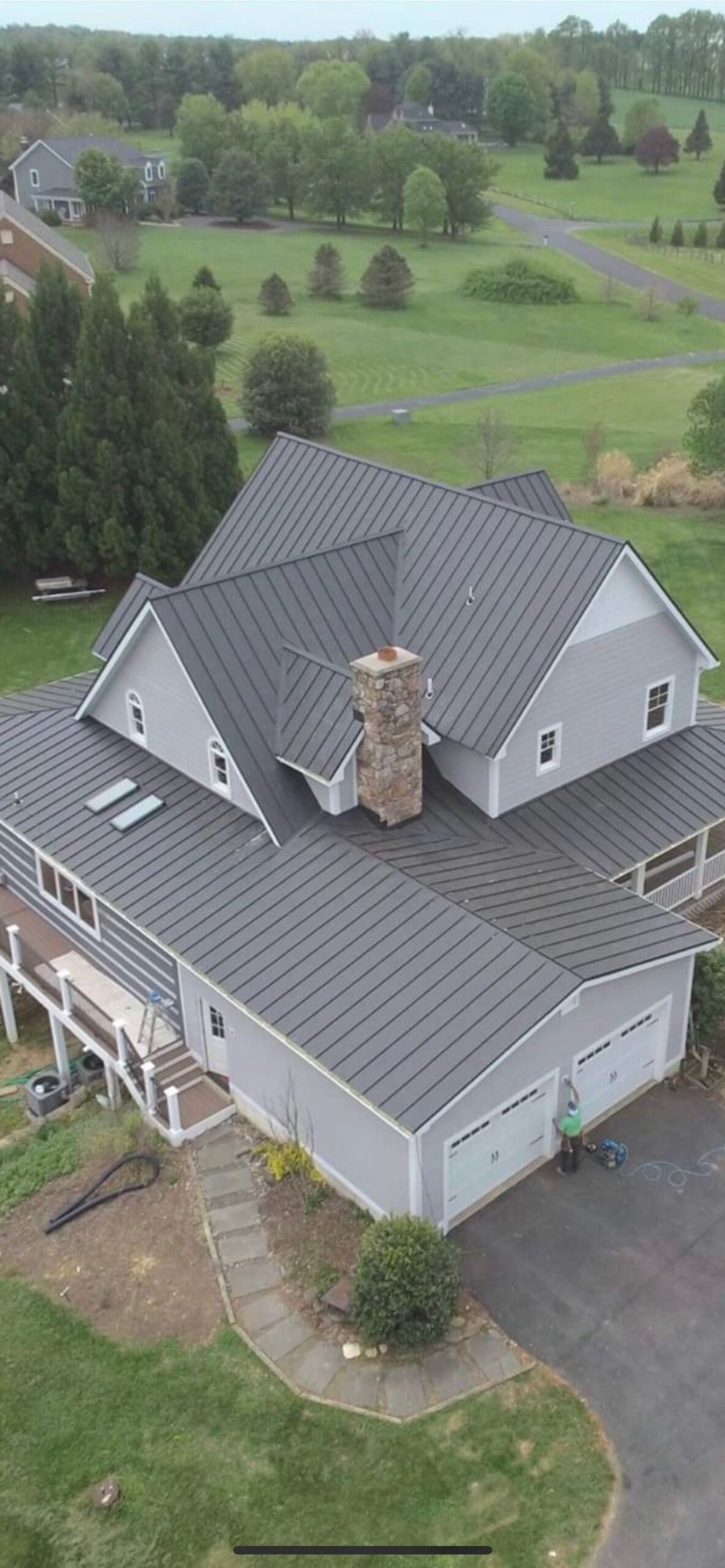
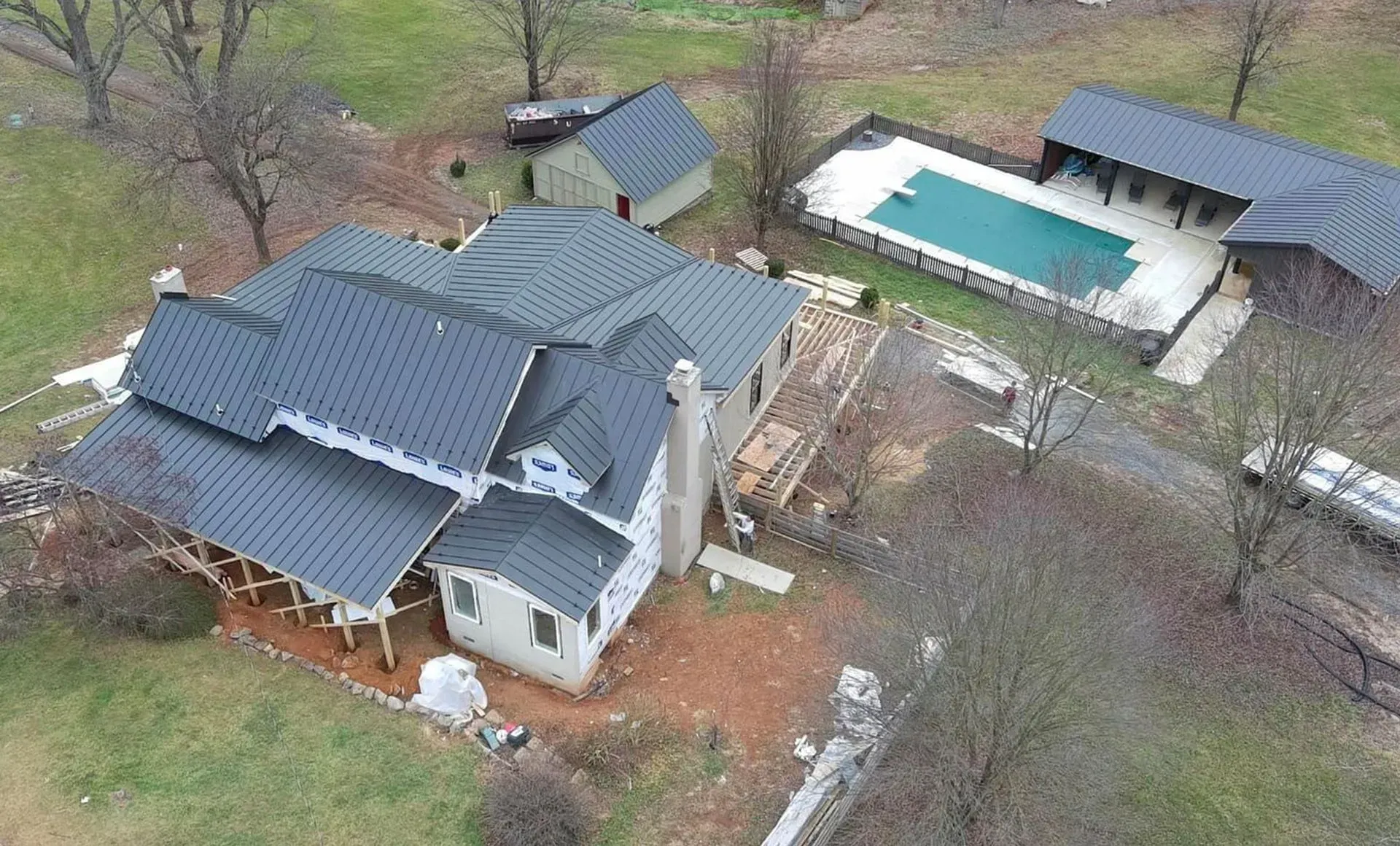
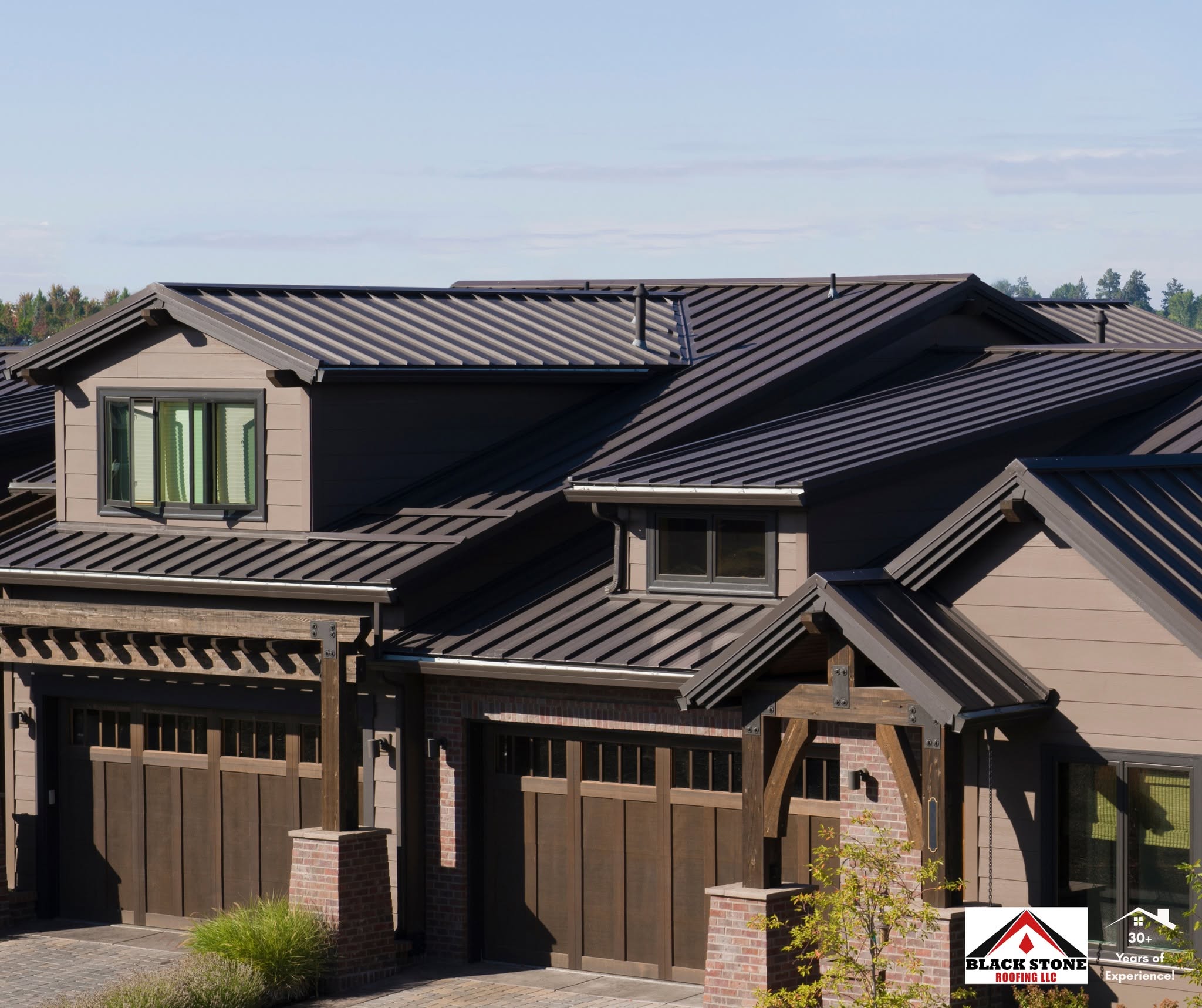
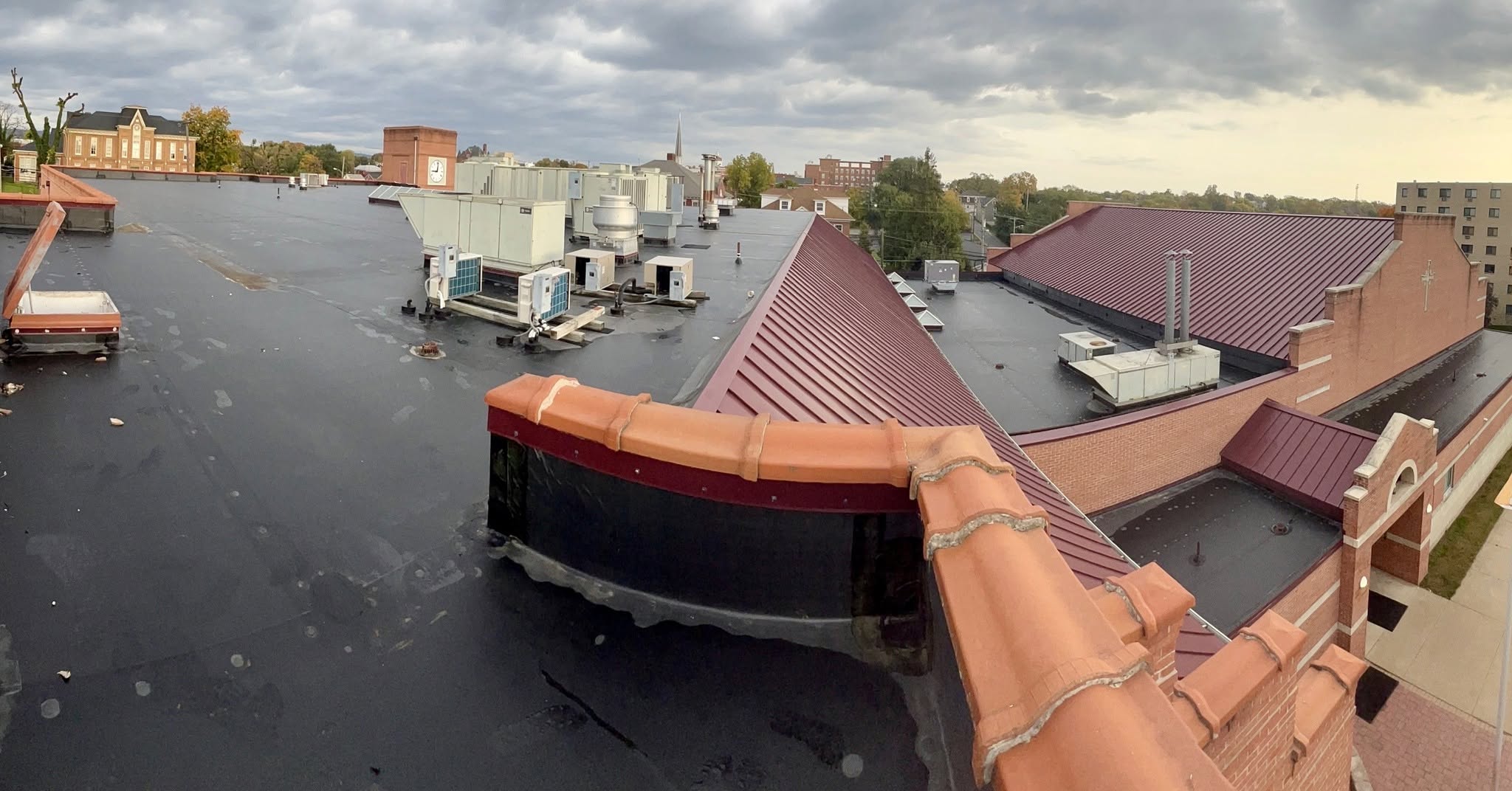
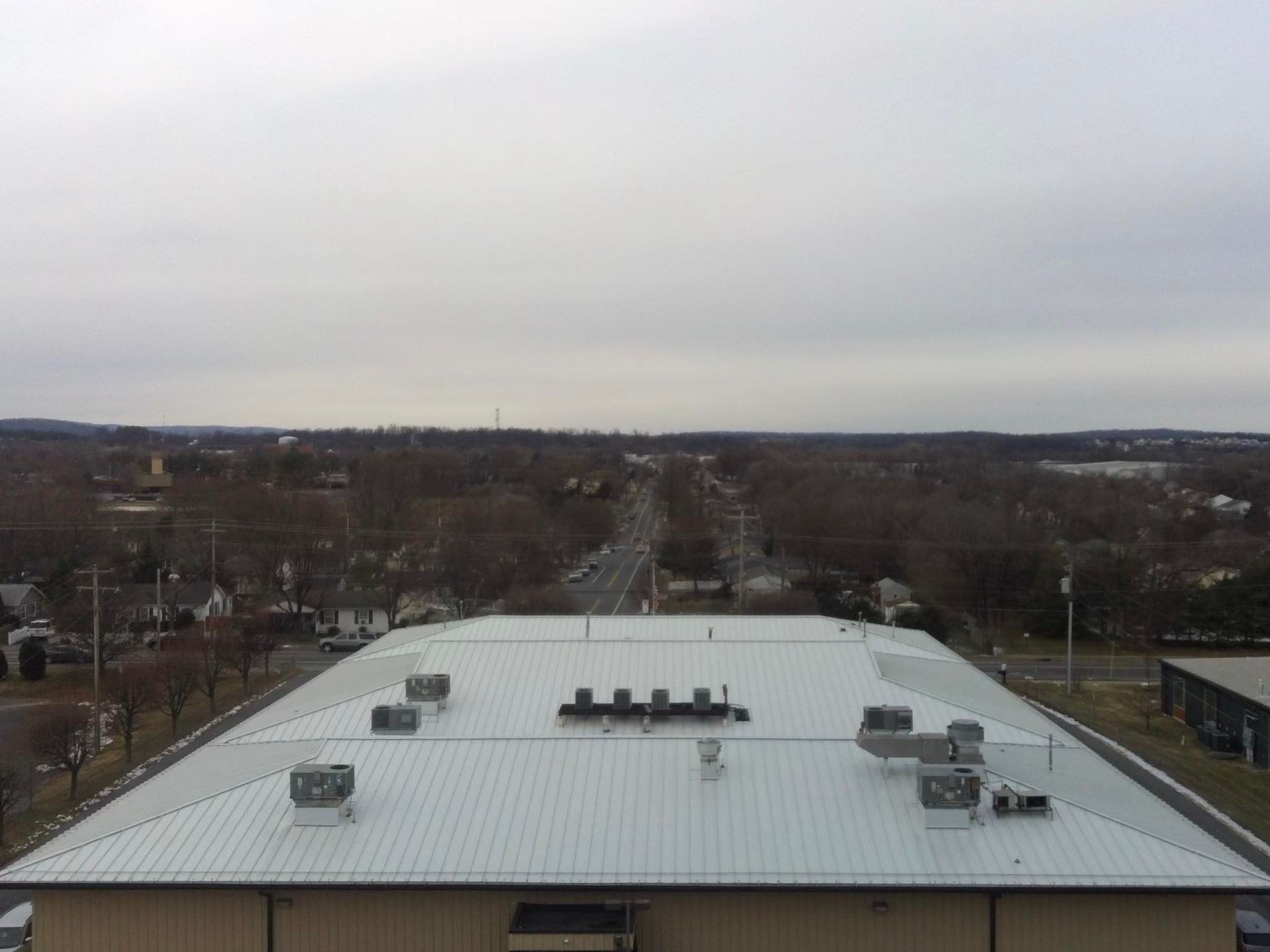
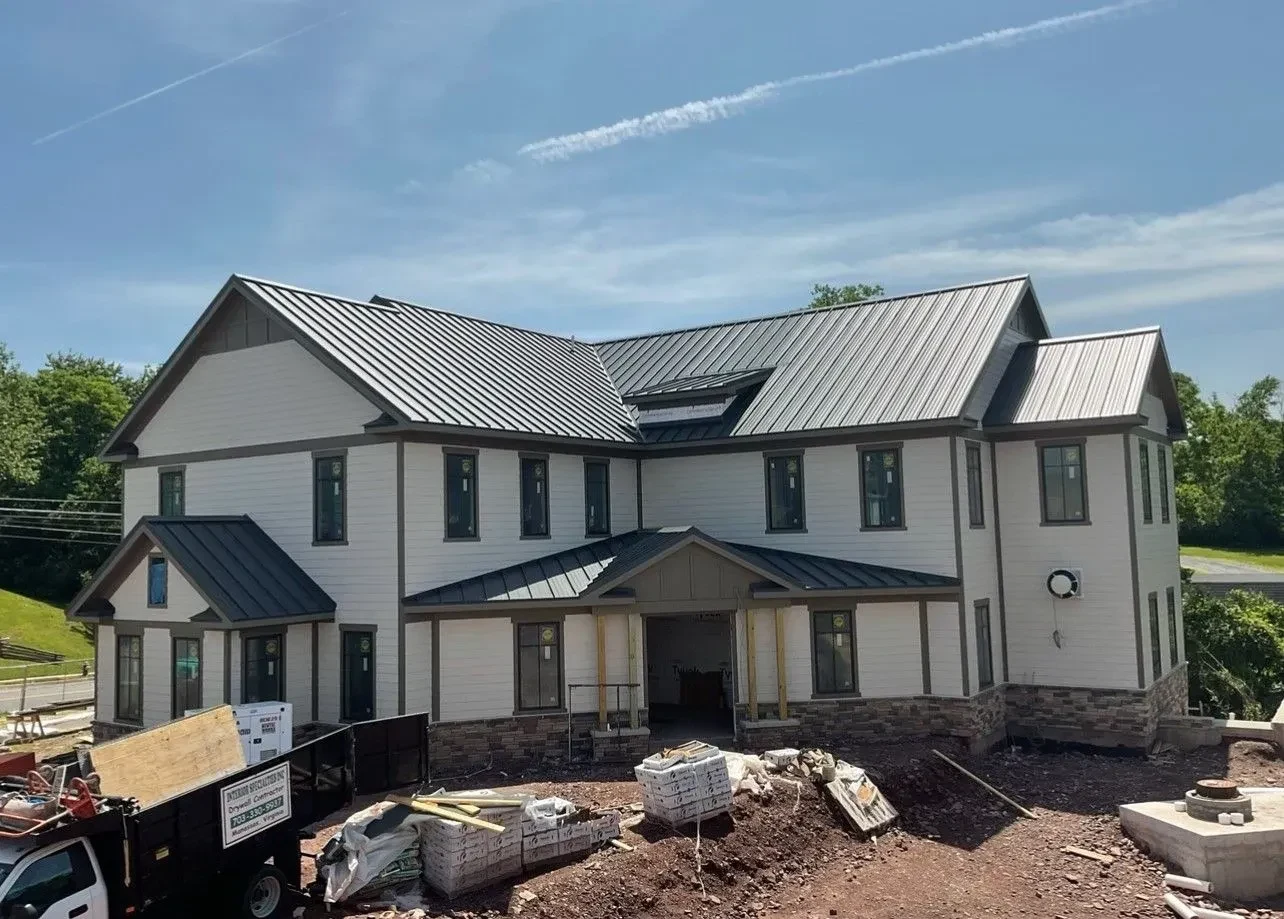
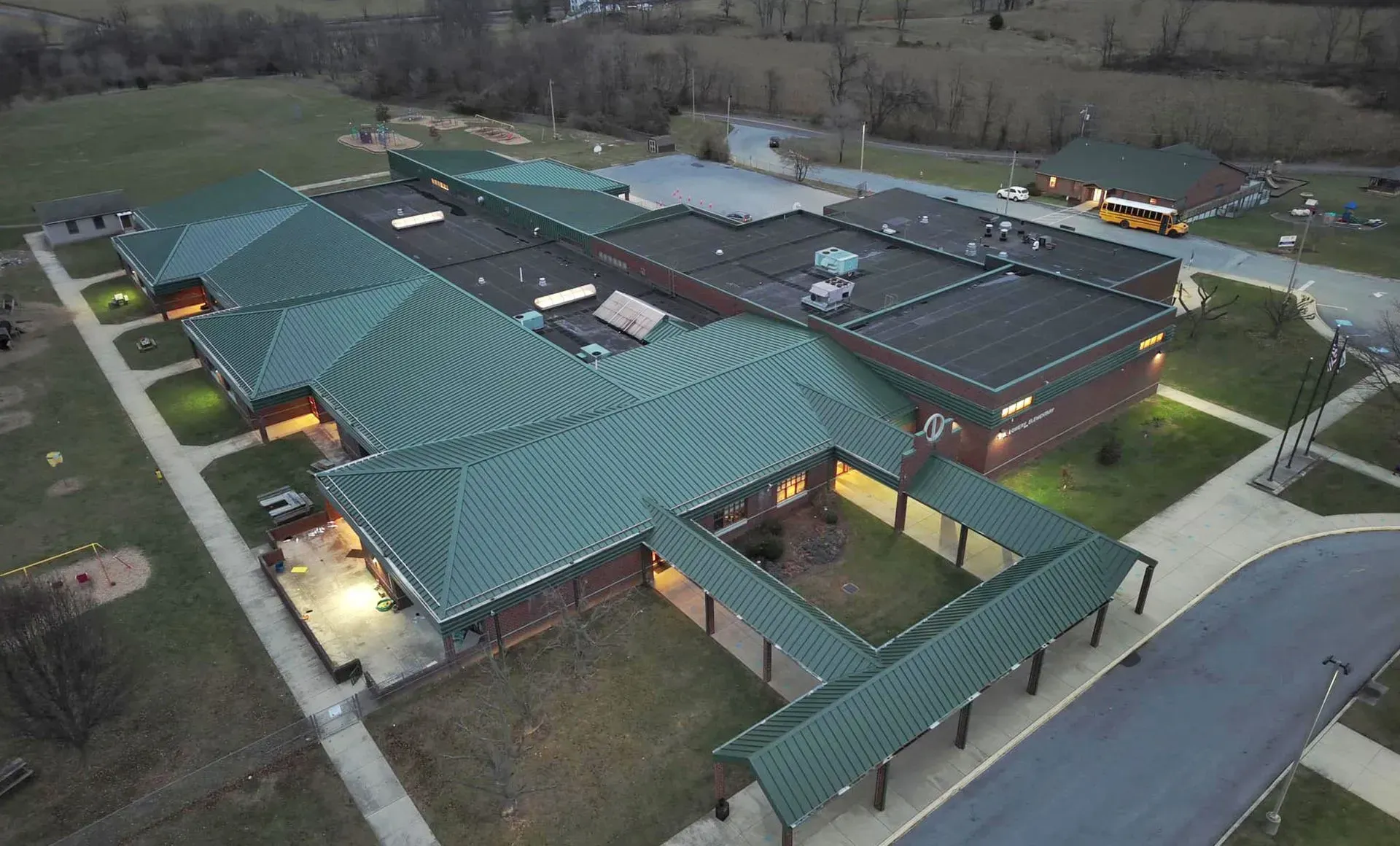
Finished roofs around Berkeley County
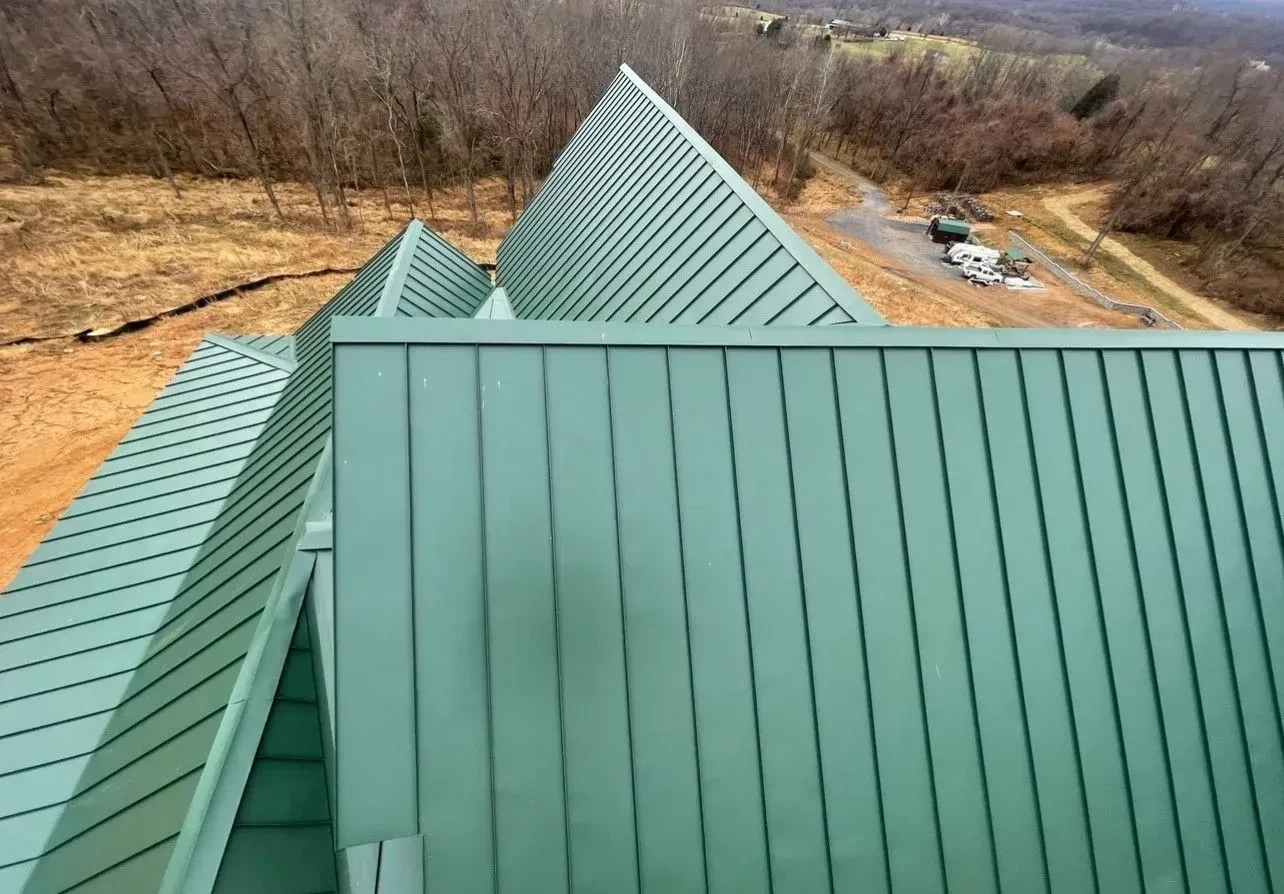
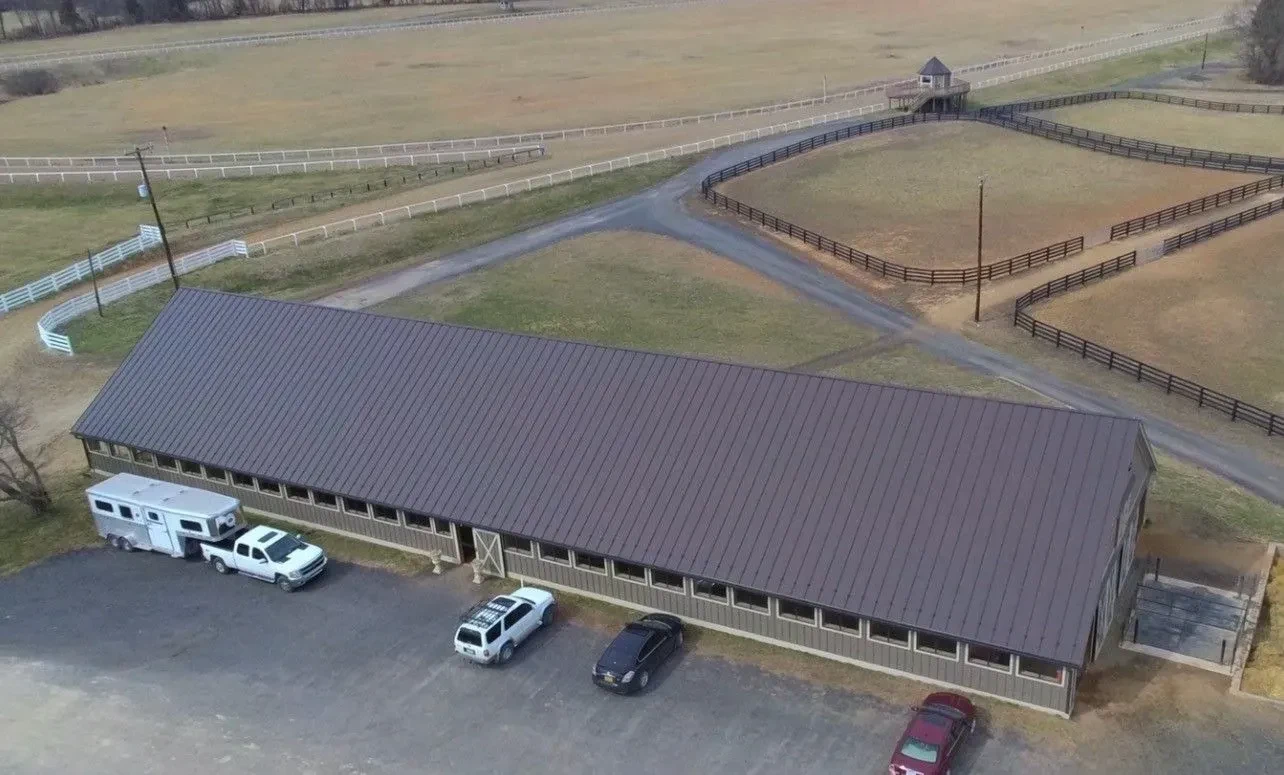
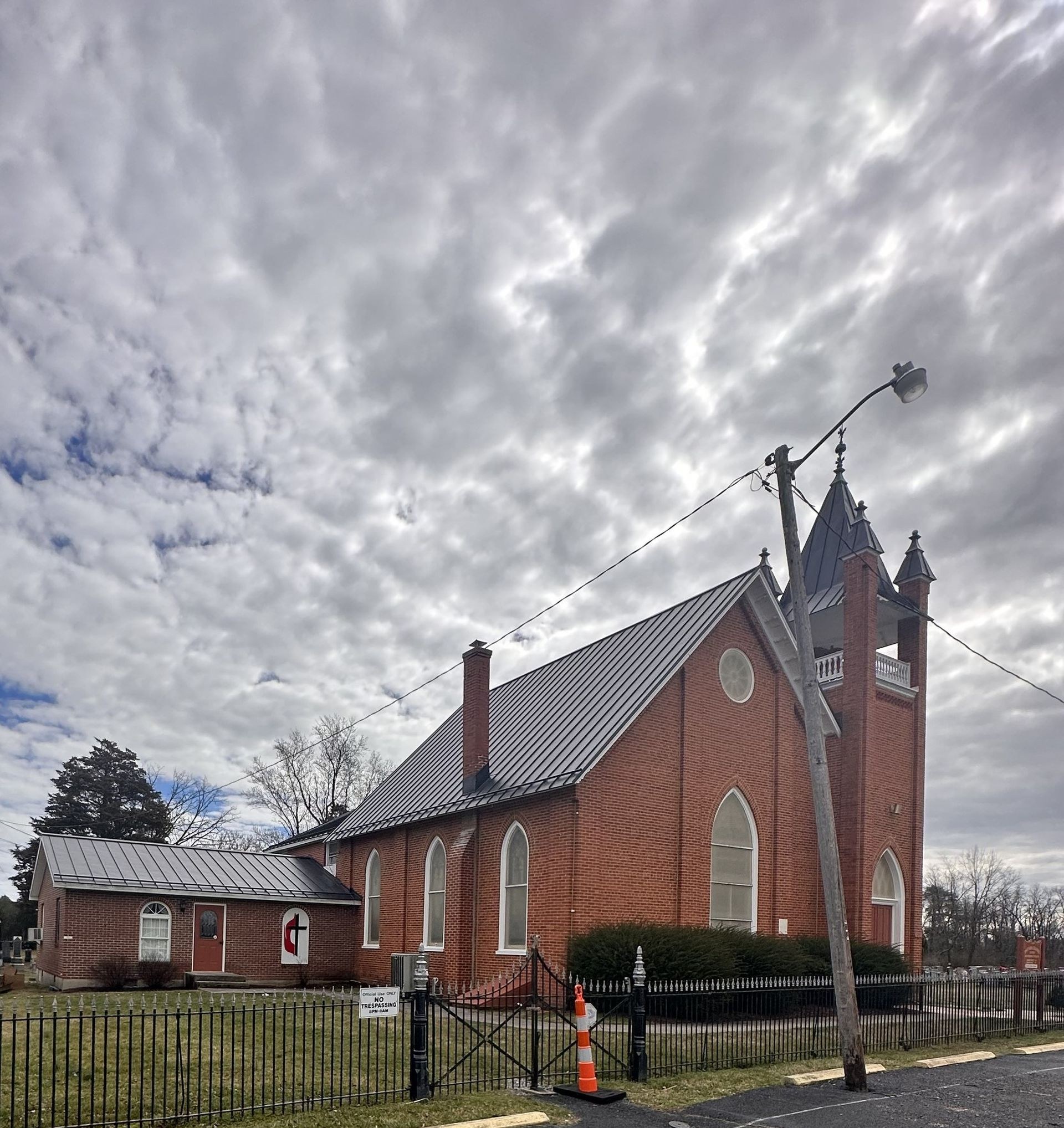
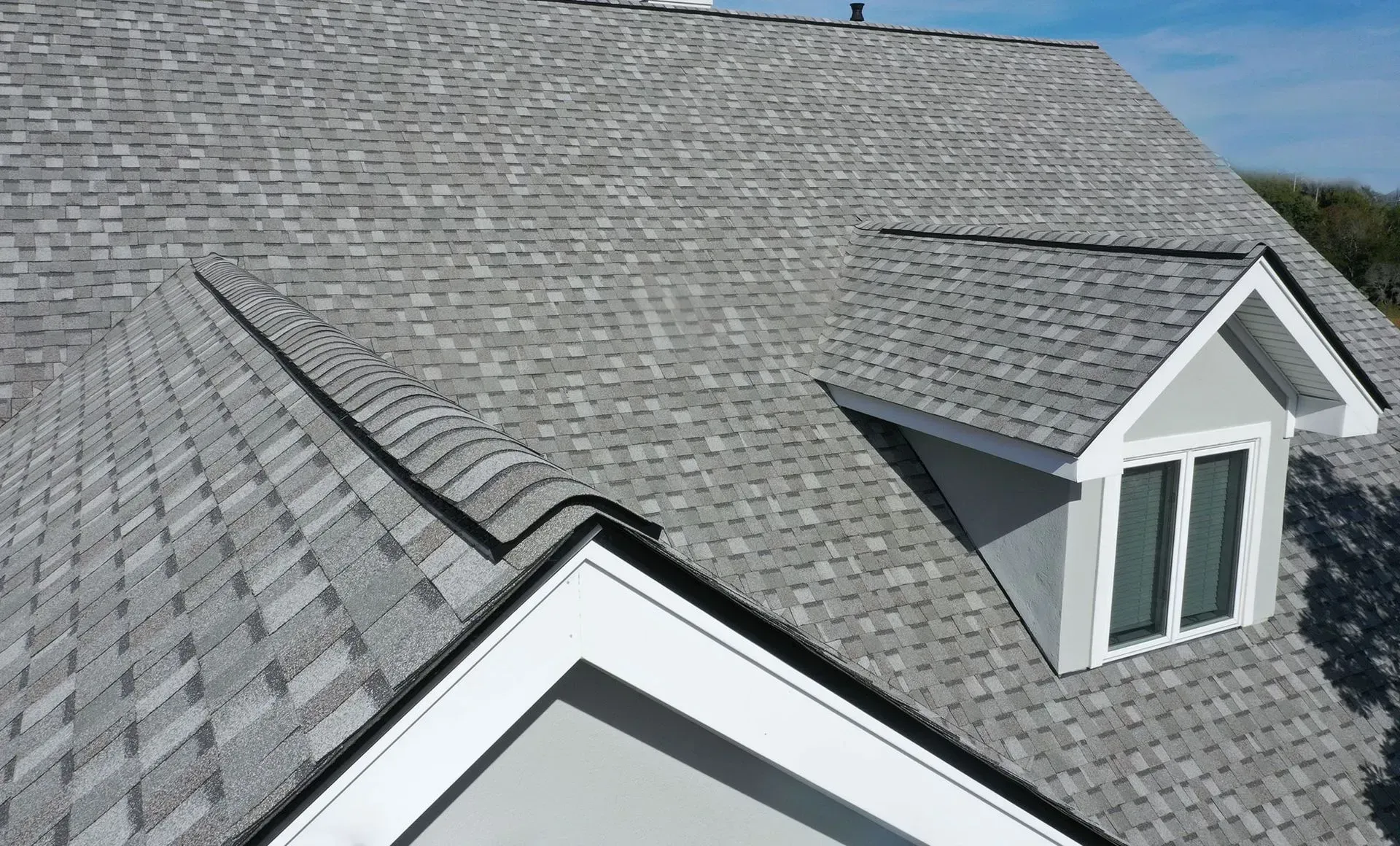
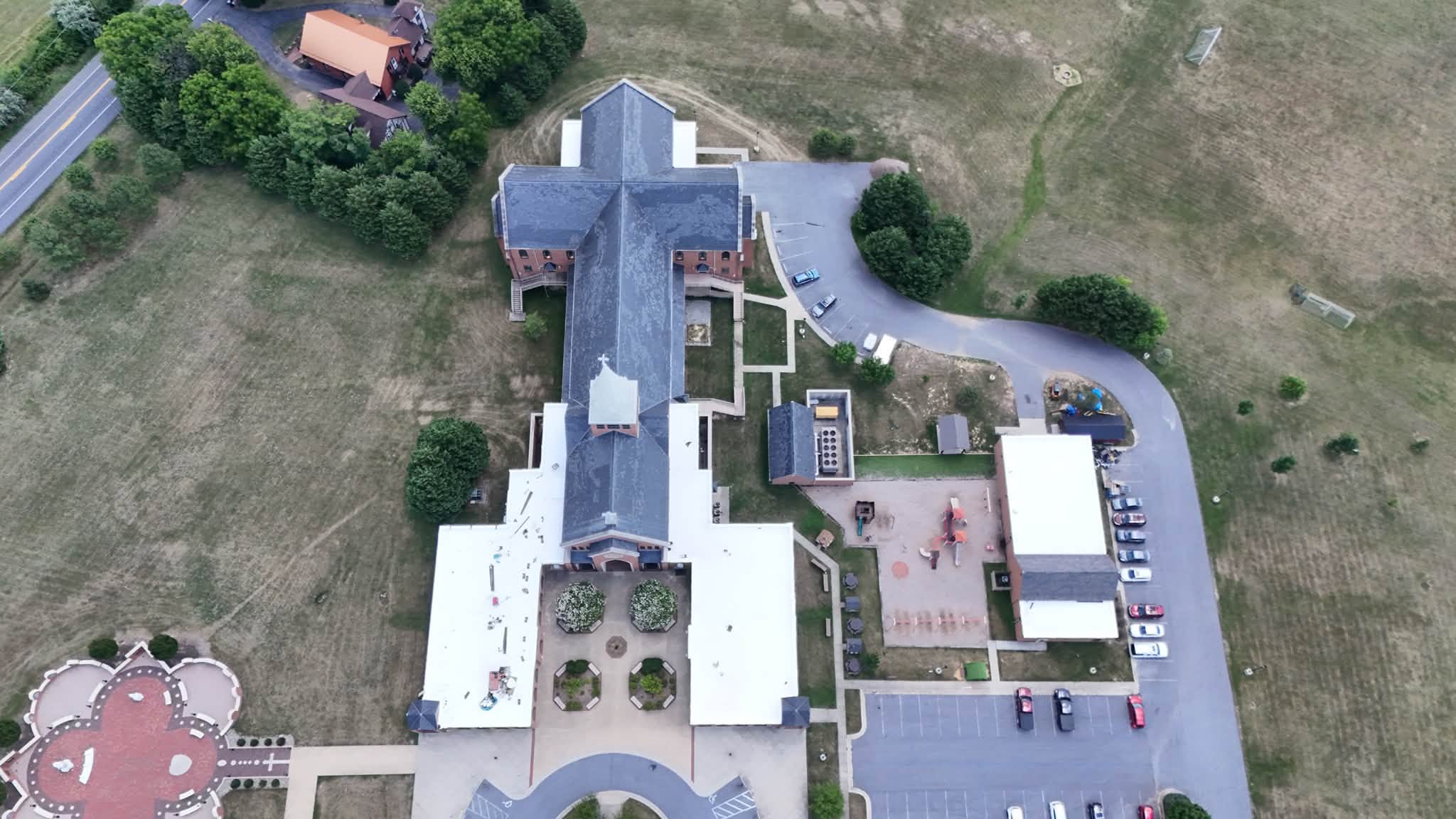
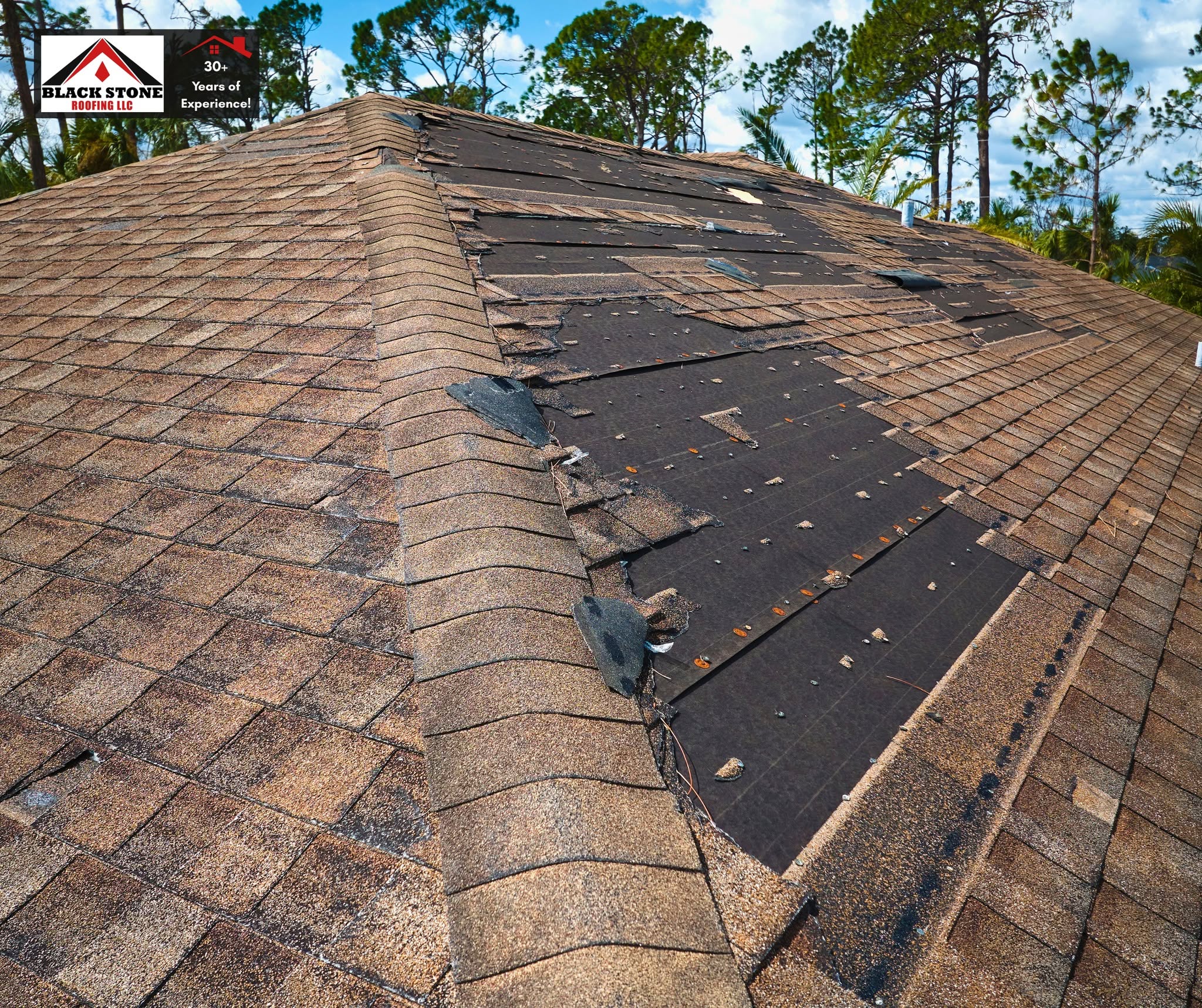
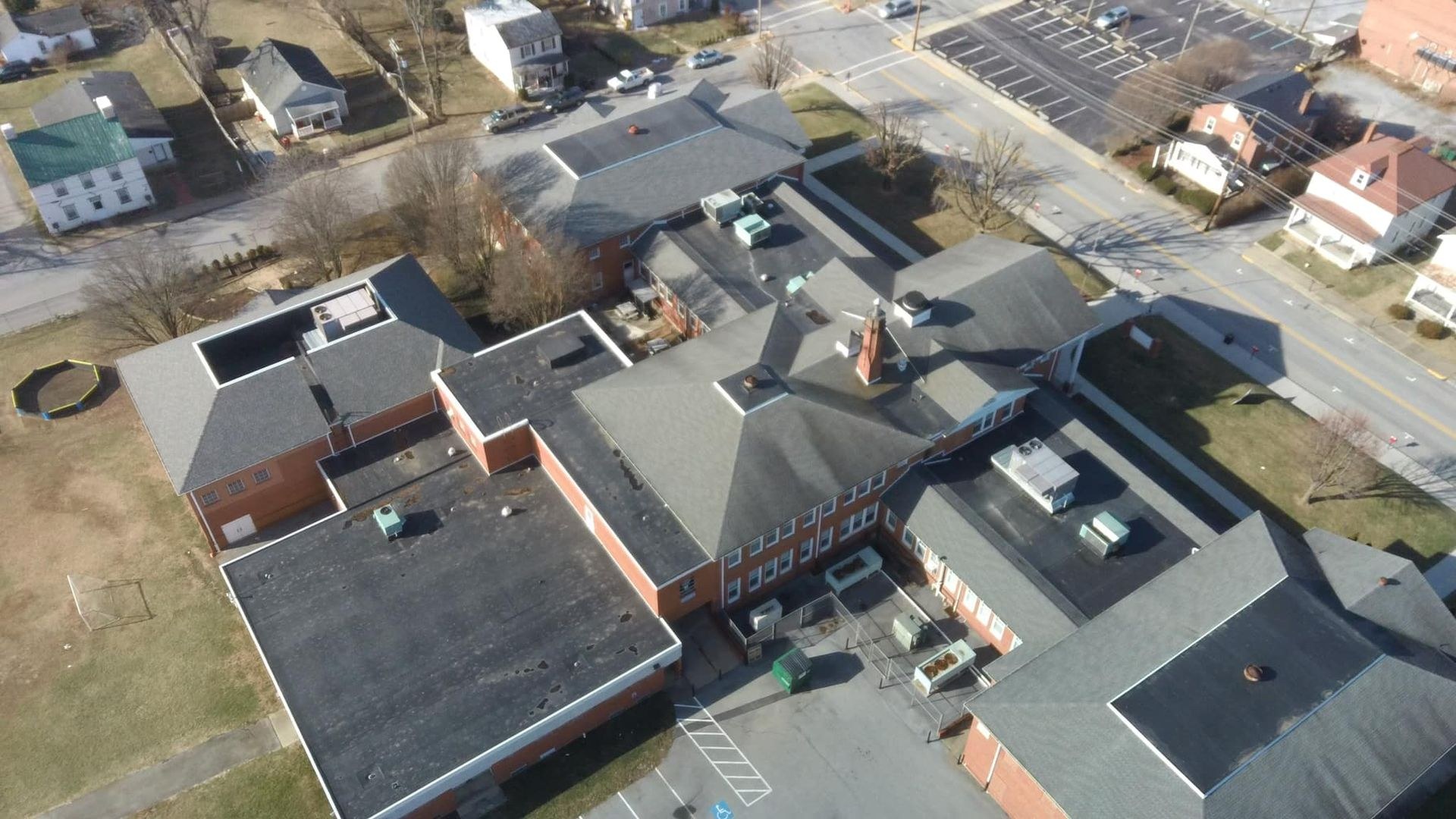
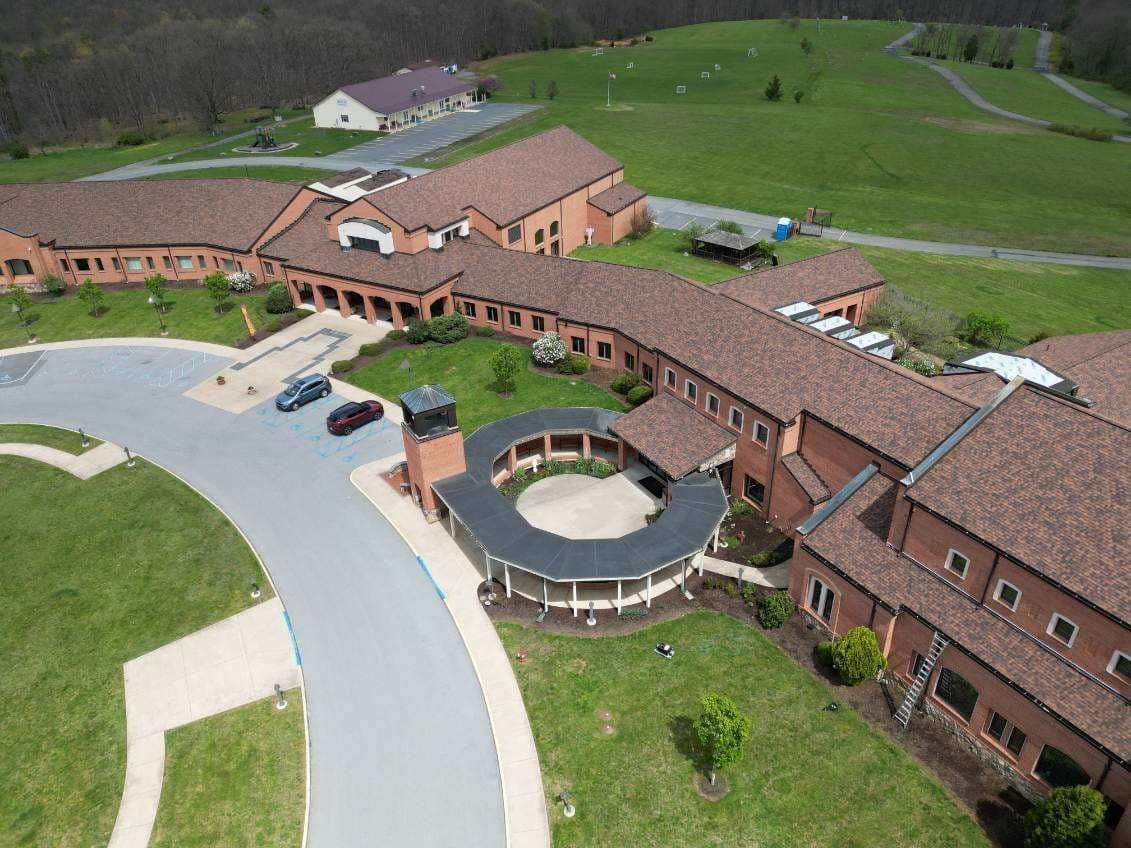
Why Bunker Hill homeowners call us
Twelve miles up Route 11, in the same county
1886 Winchester Ave, Martinsburg, WV 25405. Not a service area pin on a map. Your warranty call is a drive down Winchester Pike, not a trip in from another state.
We already know your permit office
Berkeley County Building Permits and Inspections is where our Bunker Hill jobs get filed, same as our Martinsburg jobs. There is no learning curve on your house.
Licensed in five states
West Virginia, Virginia, Maryland, Pennsylvania, and Florida. Contractor licensing here runs through the West Virginia Division of Labor. Ask any roofer for their number.
Family owned since 2016
Licensed, bonded, and insured. Open 24 hours, 7 days a week, rated 4.9 stars from 50 Google reviews. Read them on our reviews page.
What we do in Bunker Hill
Roof Replacement
Full tear off to bare deck, the sheathing graded in front of you, and the per sheet rate written down before we start.
Roof Repair
Pipe boots, step flashing, missing kickouts on additions and porch tie ins, and chimney counterflashing on the older houses in town.
Roof Inspection
A free look with photos, which matters on Bunker Hill properties where the house, the barn, and the shop all need eyes on them.
Emergency Roof Repair
Answered 24 hours a day. Twelve miles of Route 11 between our shop and your ceiling.
Storm Damage Roof Repair
Wind and hail documented with the storm date attached, from tarp to finished roof.
Asphalt Shingle Roofing
The default on the subdivision stock between Bunker Hill and Inwood. Architectural versus impact rated, and wind ratings that mean something.
Residential Metal Roofing
Standing seam for houses, barns, and shops on the Mill Creek side, with an honest talk about oil canning first.
Specialty Roofing
Slate, historic buildings, and the review questions that come with a property inside a National Register district.
Other towns we roof
Do not see your town? We work the whole corridor, so ask or call (540) 550-9703.
Roofing questions we get in Bunker Hill
-
Who issues a roofing permit in Bunker Hill?
Berkeley County does. Bunker Hill is an unincorporated community, so there is no town government and no local permit desk, and the City of Martinsburg building department has no jurisdiction over a Bunker Hill address. Your permit goes through the Berkeley County Department of Building Permits and Inspections at 400 West Stephen Street, Suite 202, Martinsburg, WV 25401, phone (304) 264-1966, open 8 to 5 Monday through Friday, with an online portal at onestop.berkeleywv.org. We file it under our license as part of the job.
-
Do I really need a permit just to replace shingles?
Plan on it. Berkeley County adopted the 2018 International Residential Code and the 2018 International Building Code effective August 1, 2022, and the county’s permit language covers work to construct, enlarge, alter, repair, move, demolish, or change the occupancy of a structure. Roof covering replacement does not appear on the code’s exempt work list, which is limited to things like small accessory buildings, fences, sidewalks, and window awnings. We are not going to state it more absolutely than the county does, so we confirm scope with Berkeley County on every job before material is ordered.
-
My house is in the Bunker Hill Historic District. Does that restrict my roof?
By itself, no. The Bunker Hill Historic District and the Mill Creek Historic District were both listed on the National Register of Historic Places on December 10, 1980, and National Register listing places no federal restriction on a private property owner. You can reroof, change material, or remodel. It becomes a real question when federal funding, historic tax credits, or Section 106 review are involved, and that is when we take the job past the Berkeley County Historic Landmarks Commission at 400 West Stephen Street, Suite 210, phone (304) 350-3067, before we order anything. If your building contributes to a district, tell us up front and we will make that call for you.
-
Is Bunker Hill zoned, and does zoning affect a reroof?
No on both counts. Berkeley County states that the majority of the county is not zoned, and that zoning was adopted only for the Tuscarora and Windewald districts in the early 1970s. Bunker Hill is in neither district. There is no zoning overlay on your roof, no color approval, and no design board between you and a new covering.
-
You are in Martinsburg. How fast can you actually get to Bunker Hill?
Our shop is at 1886 Winchester Ave in Martinsburg, about twelve miles north of the Route 11 and Runnymeade Road junction. We come down Winchester Pike or take Interstate 81 and get off at Exit 5, the Gerrardstown Road exit at Inwood. It is the same county and the same building department, so there is no state line and no jurisdiction change slowing anything down. We answer the phone 24 hours a day, 7 days a week, and for active water intrusion we get somebody moving toward you rather than putting you on a list.
-
Does Bunker Hill ice up worse than Martinsburg?
Our crews think so, and we will tell you exactly how confident we are. Bunker Hill sits at 568 feet of elevation. Martinsburg sits at about 453. You are roughly 115 feet higher, on the west side of the valley under North Mountain, at the head of the Mill Creek and Opequon drainage. There is no separate weather station in Bunker Hill, and we could not find a study measuring a real difference, so treat that as our field observation and not a published fact. The nearest climate normals come from the Martinsburg airport, which averages 26.1 inches of snow a year, and this region has a documented ice storm history. Either way we run ice barrier long at Bunker Hill eaves.
-
Do you roof barns, shops, and outbuildings out on Runnymeade Road?
Yes, and a lot of Bunker Hill work is exactly that. Properties out along Runnymeade Road and through the Mill Creek bottom often have a house plus two or three older farm buildings that nobody has been on top of in twenty years. Barn and shop roofs do not warn you with a ceiling stain, they just quietly wet the framing until something structural gives. Standing seam metal is usually the right call on those long, simple planes, and we will inspect the outbuildings while we are already on the property for the house.
-
What license should a roofer working in Bunker Hill have?
A West Virginia contractor license, issued through the West Virginia Division of Labor at (304) 558-7890. Berkeley County’s permit process requires subcontractors to be listed with their West Virginia license numbers, and state law requires the number to appear on advertising and to be posted at the job site. Bunker Hill is close enough to the Virginia line that crews cross into Frederick County, Virginia regularly, and that is a different licensing regime entirely. We hold licenses in West Virginia, Virginia, Maryland, Pennsylvania, and Florida, and we are bonded and insured. Ask anyone who knocks on your door after a storm for the same.
Get a written estimate on your Bunker Hill roof
A real scope you can set beside anyone else’s and compare line for line: ice barrier extent at the eave, drip edge sequence, flashing replacement, ventilation, and the per sheet decking rate. We pull the Berkeley County permit. No pressure, no expiring offer, no reason to decide today. Call (540) 550-9703 or email Info@BlackStoneRoofing.org.