Home/Residential Roofing
BERKELEY COUNTY HOMEOWNERSResidential Roofingin Martinsburg, WV
Almost 29 percent of the houses inside Martinsburg city limits went up before 1939. The county median build year is 1998. Those are two completely different roofs, and our office on Winchester Avenue sits a few minutes from both of them.
Leaking right now
Emergency response
We answer 24 hours. Tarped and stabilized before more gets inside.
Planning ahead
Free inspection
Written scope and photos so you know what the roof actually needs.
Request your free estimate
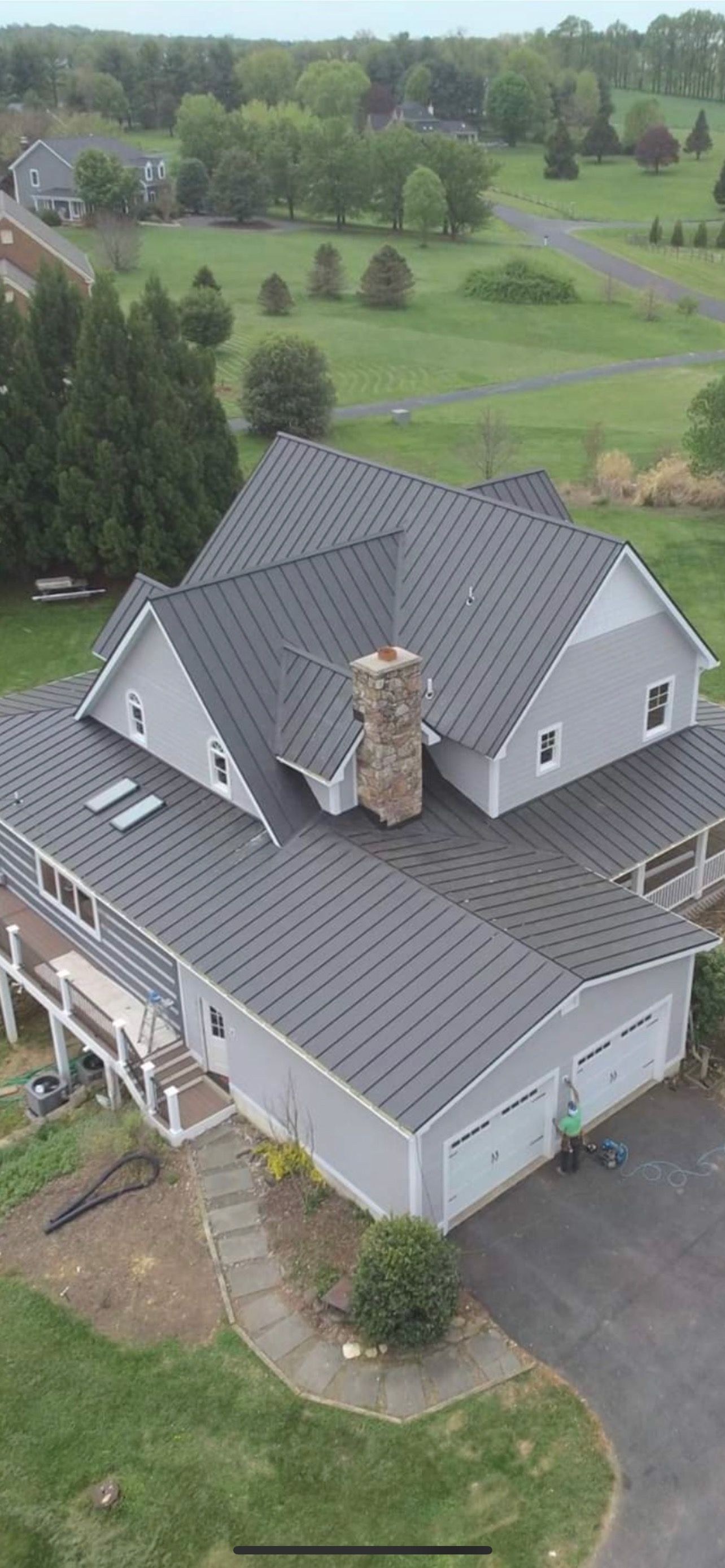
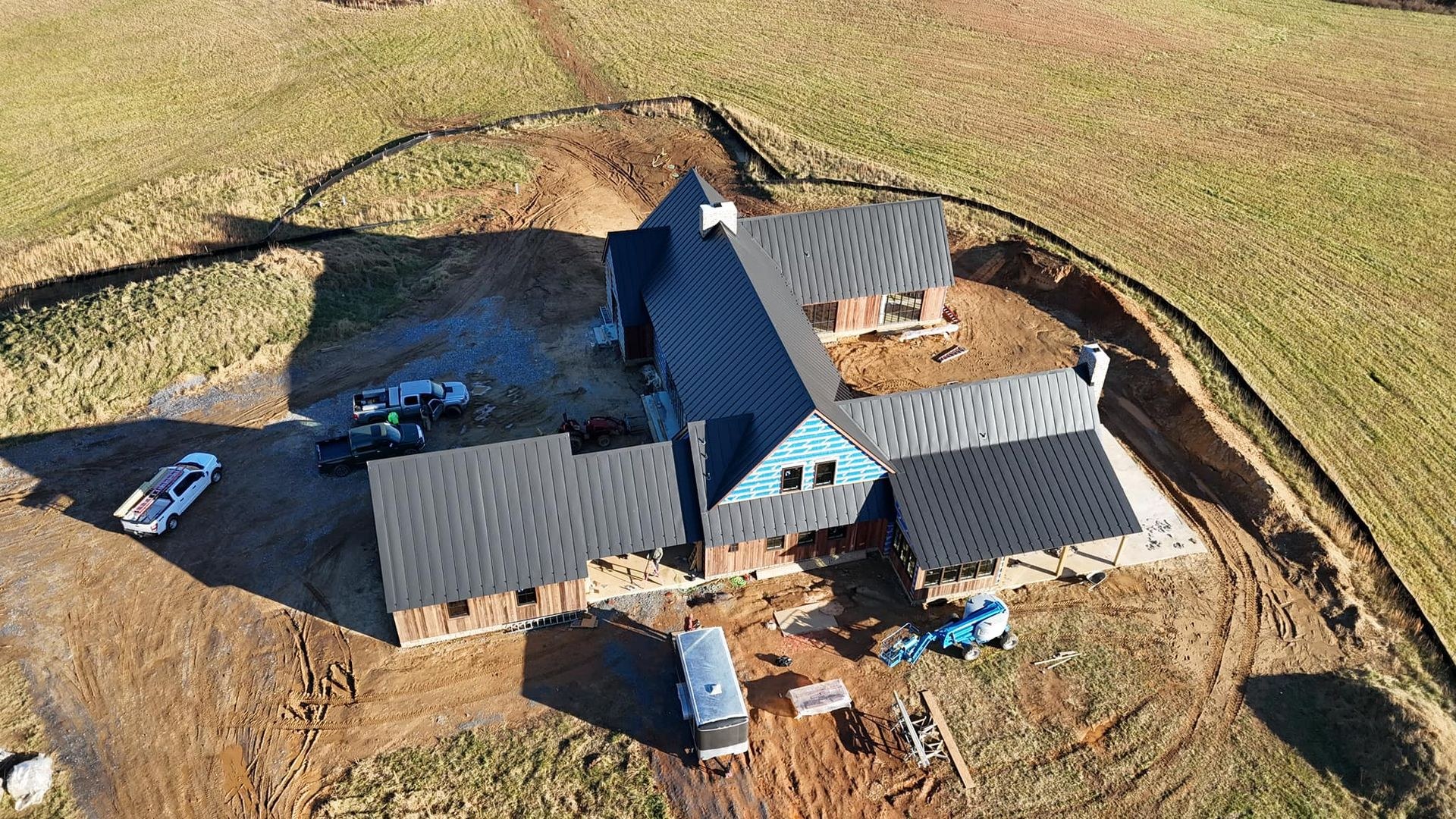
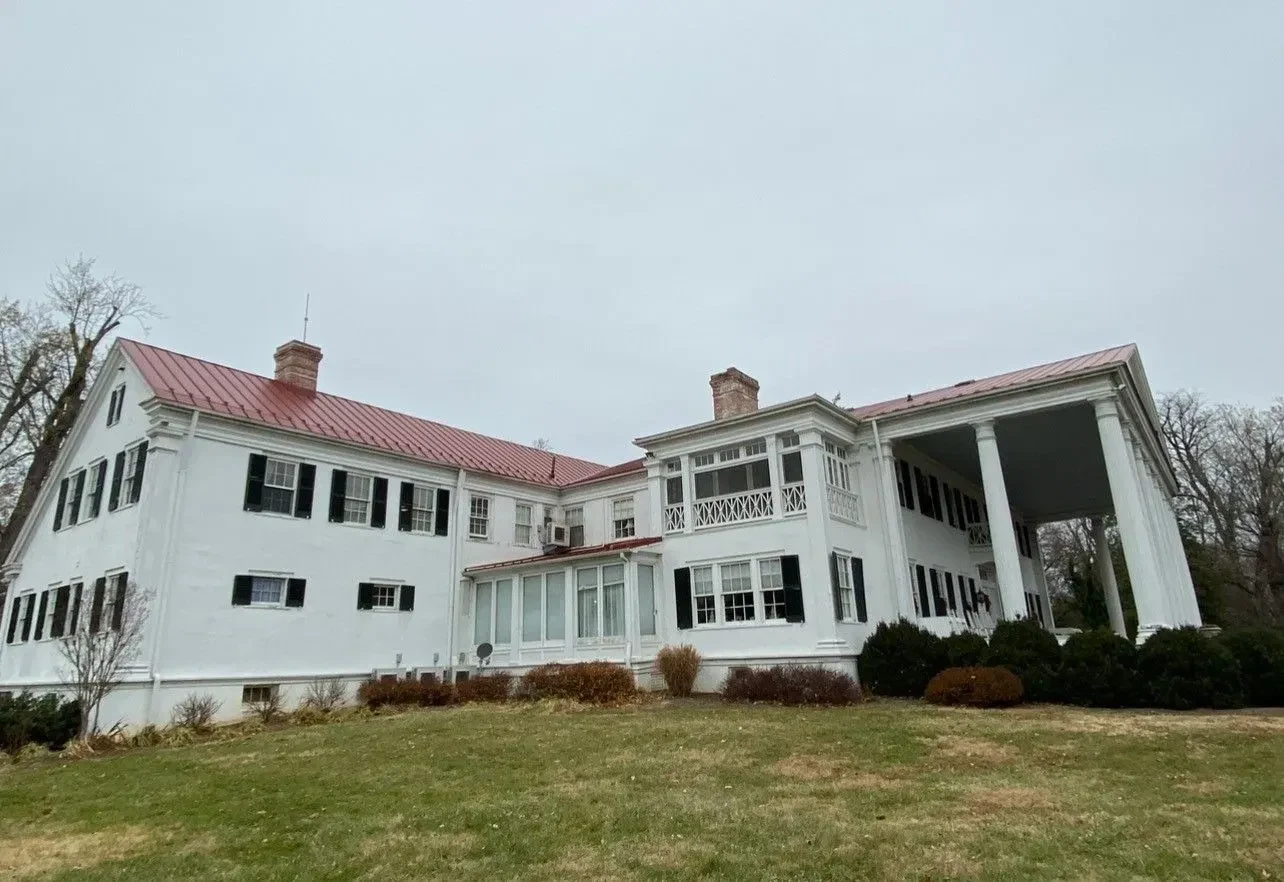
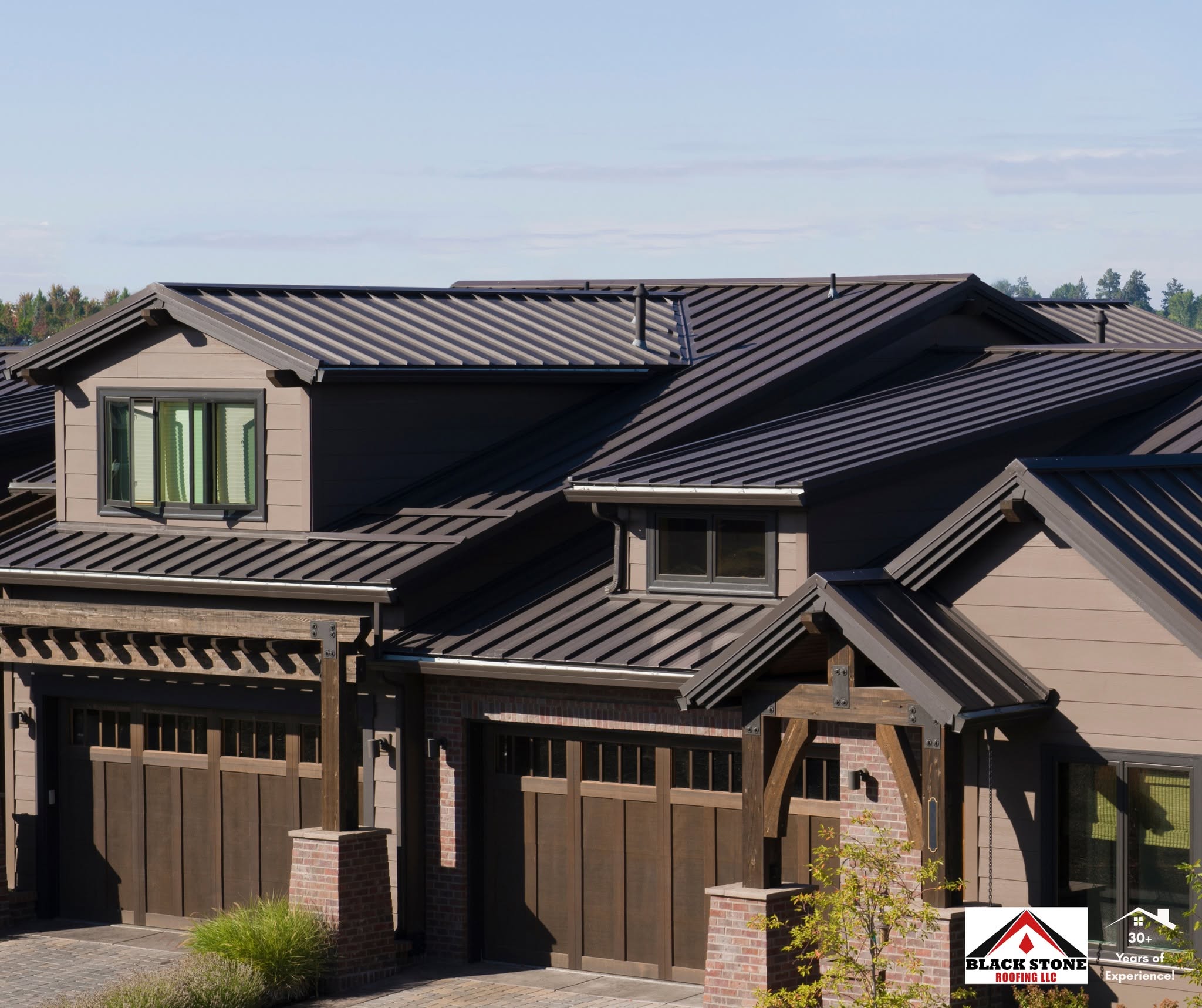
Residential roofs around Martinsburg and Berkeley County
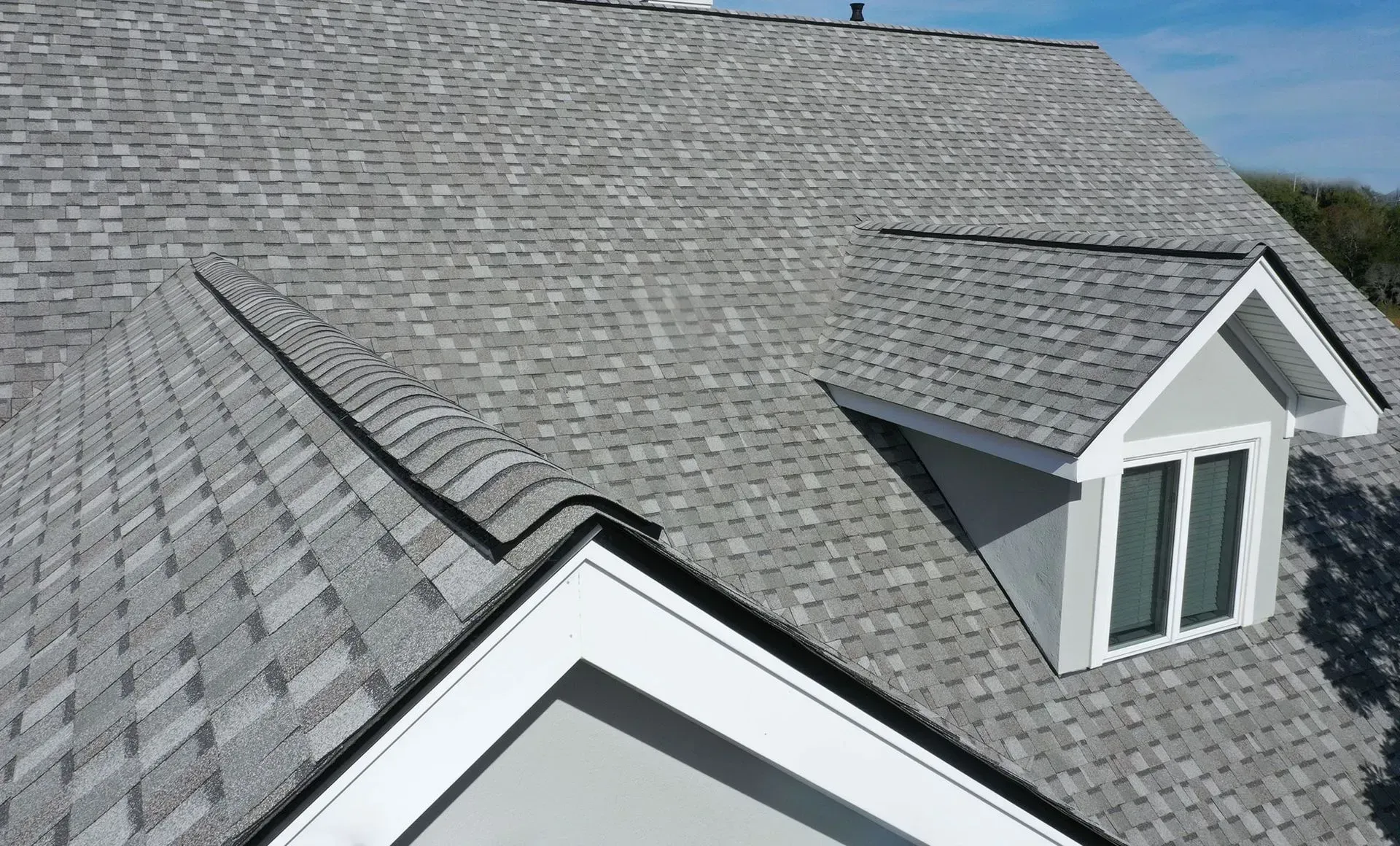

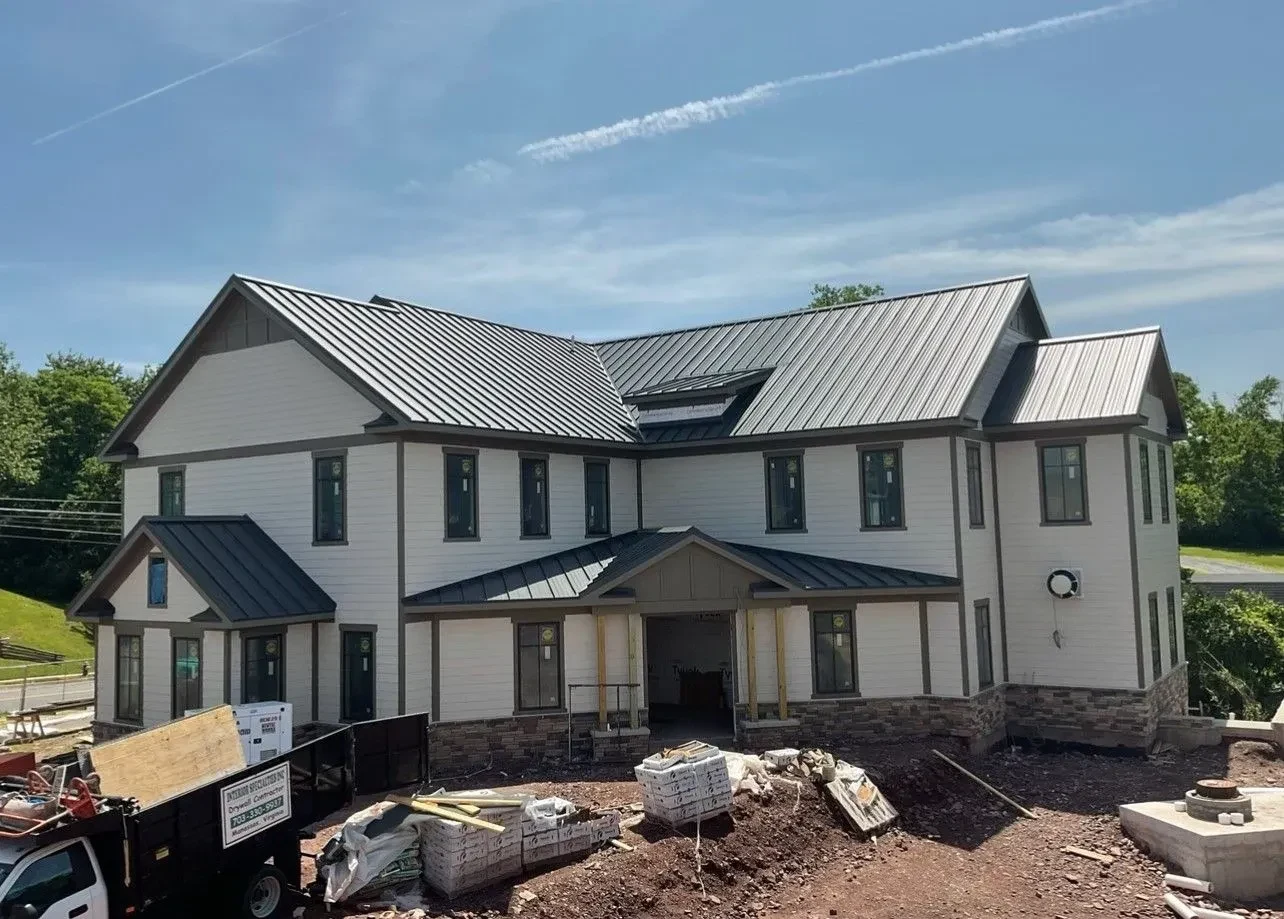
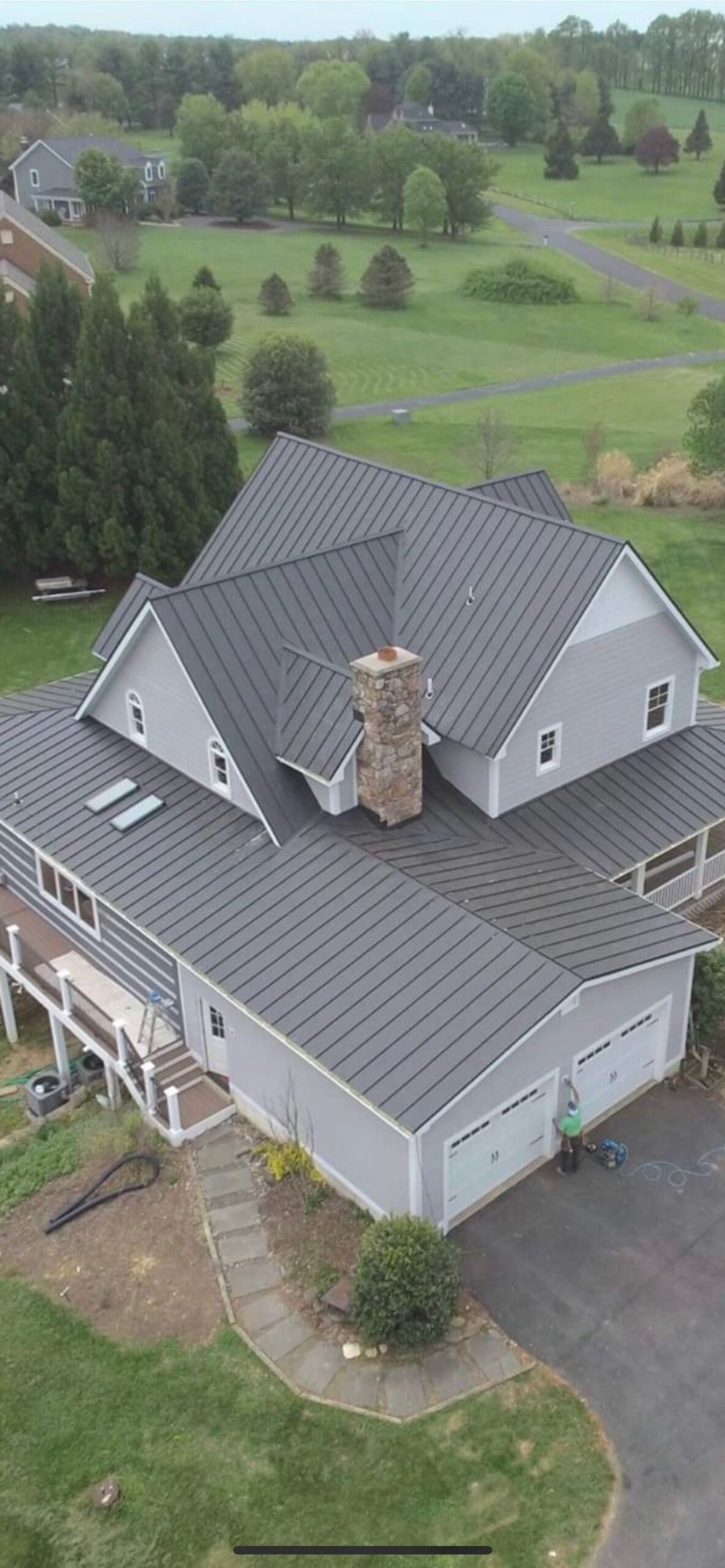
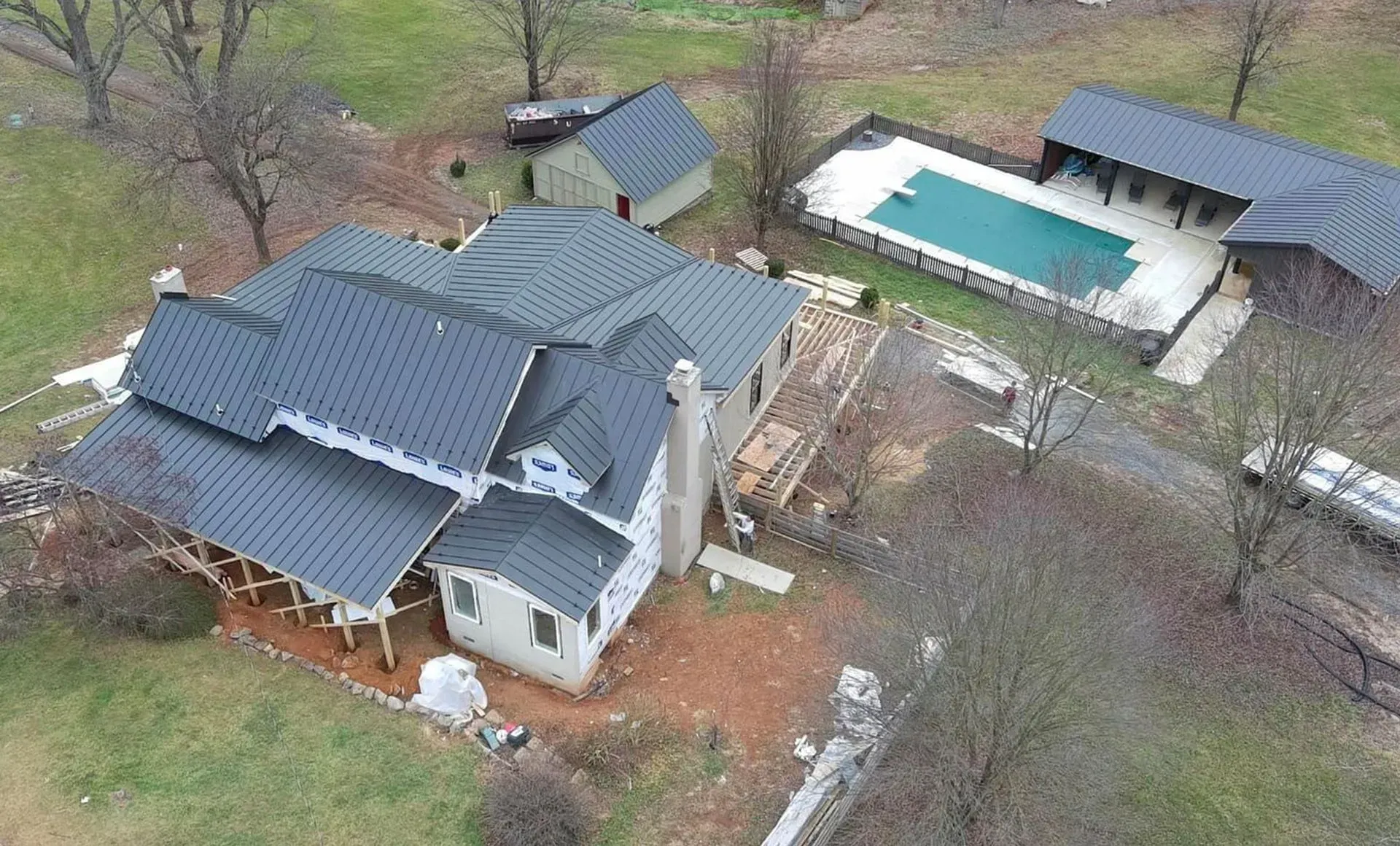
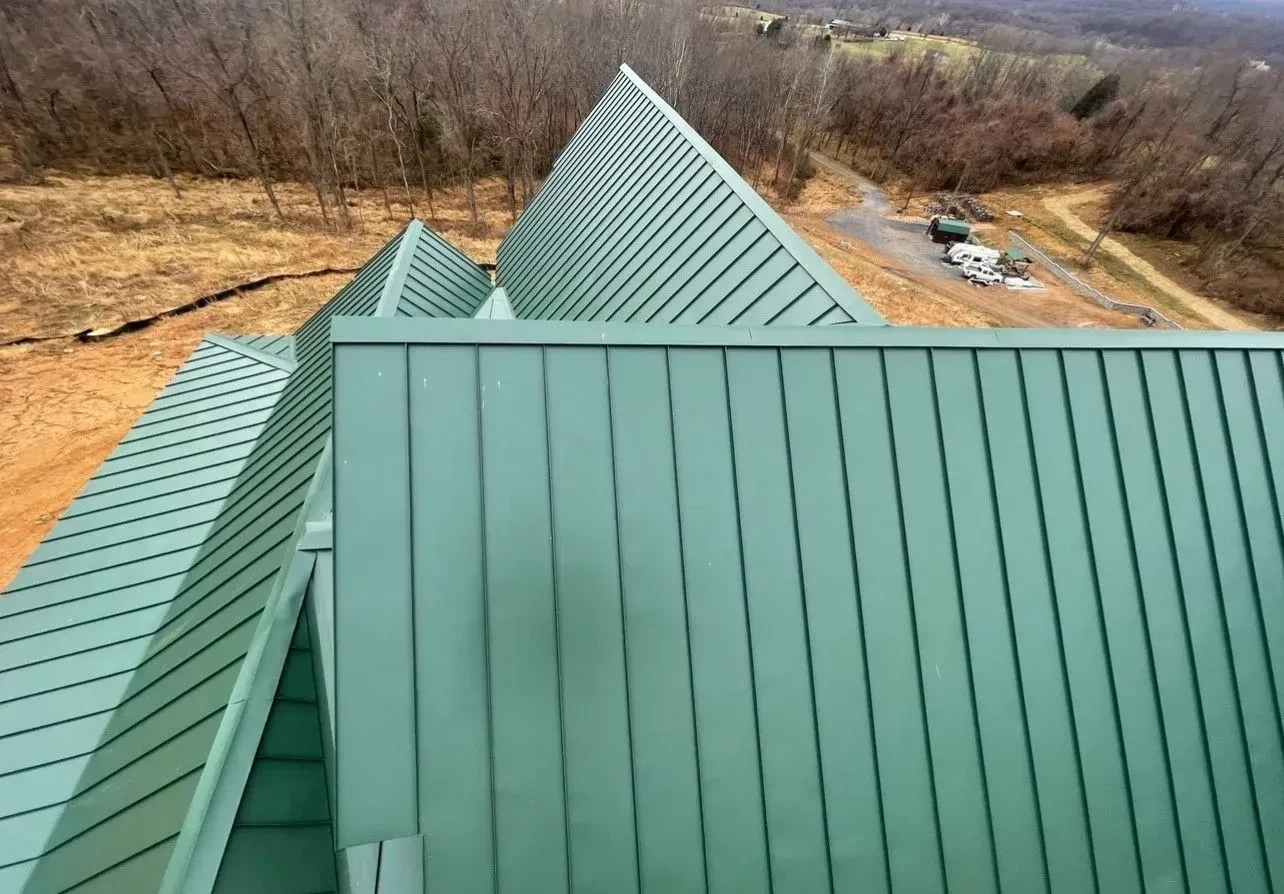
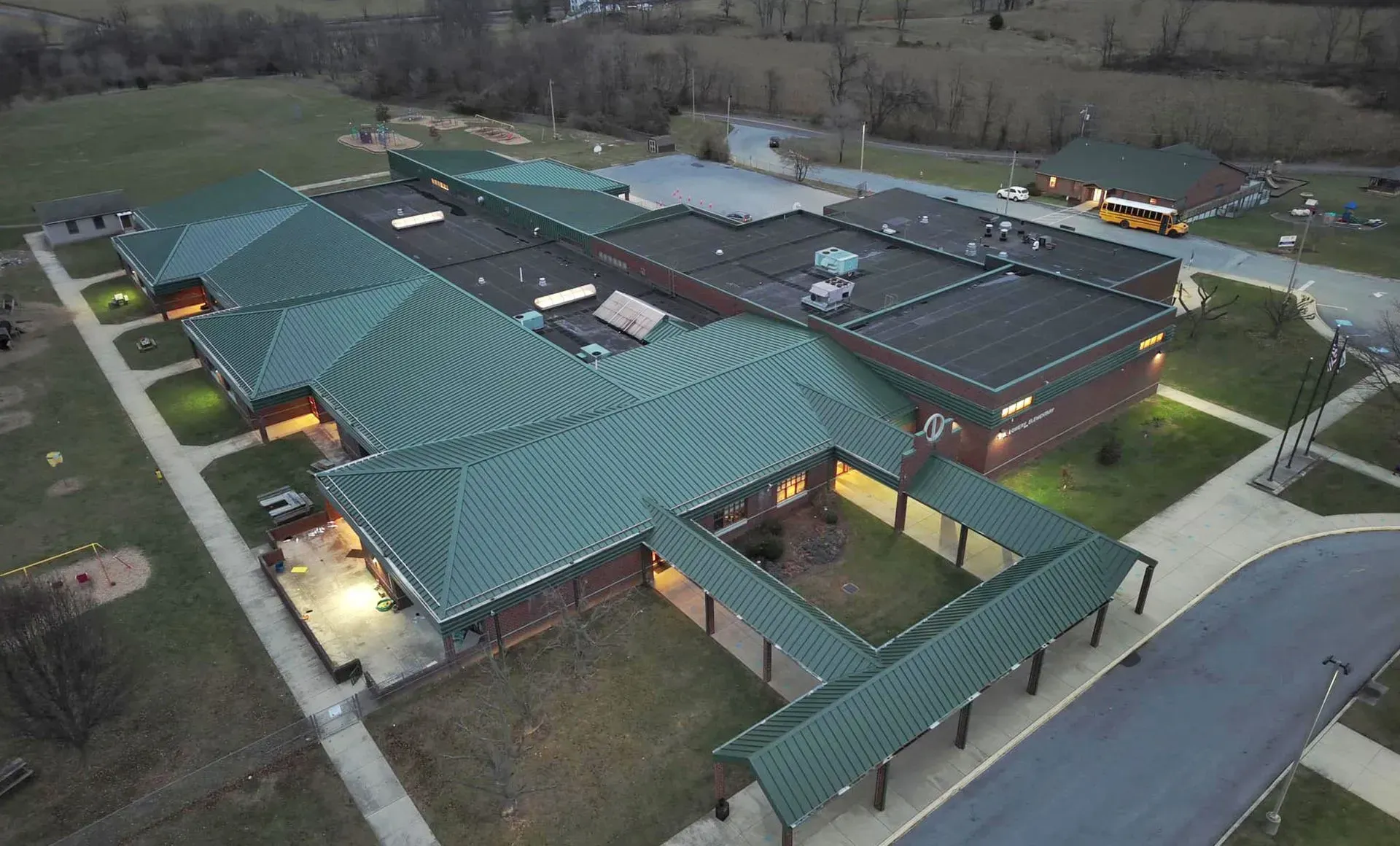
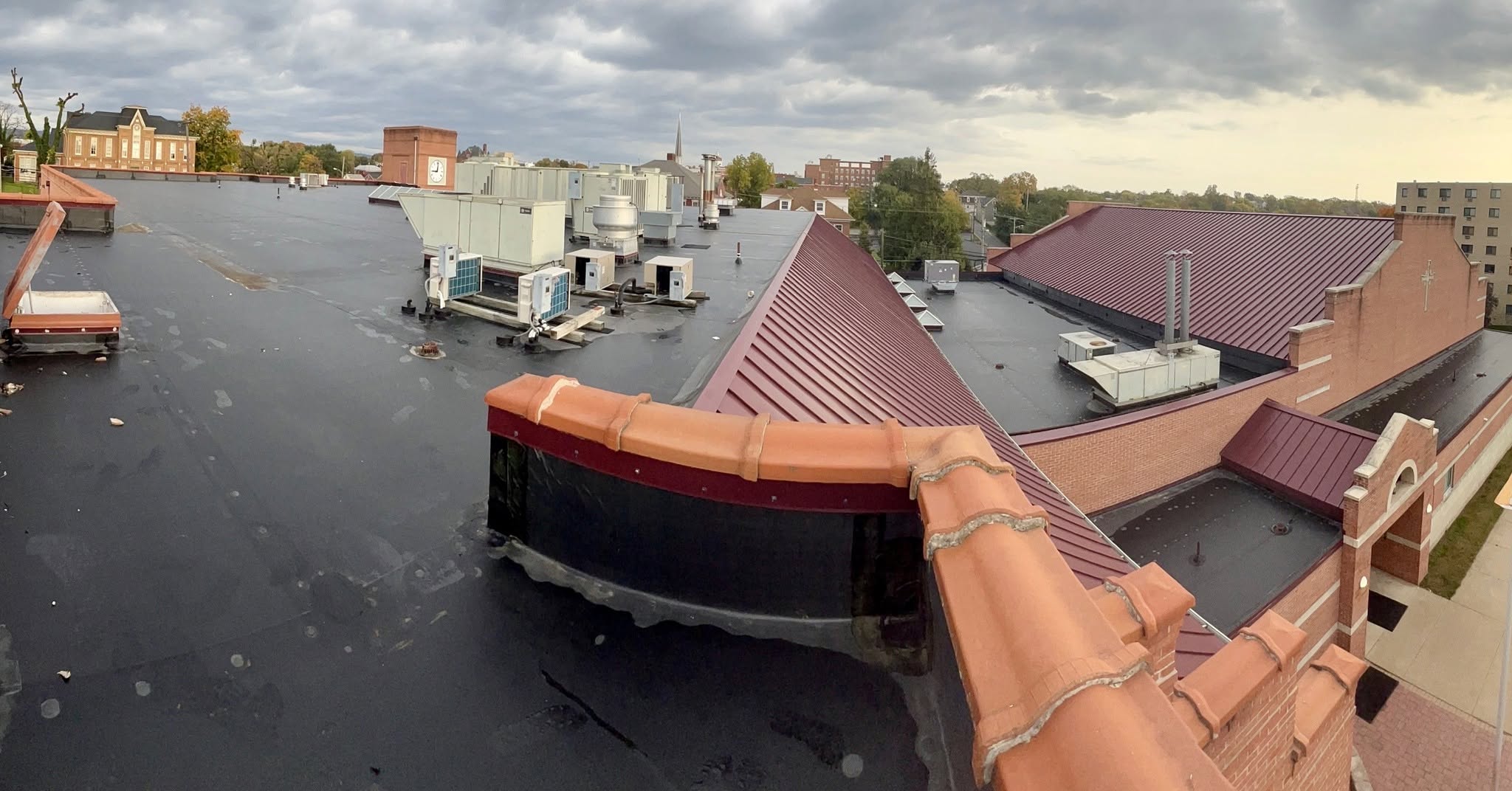
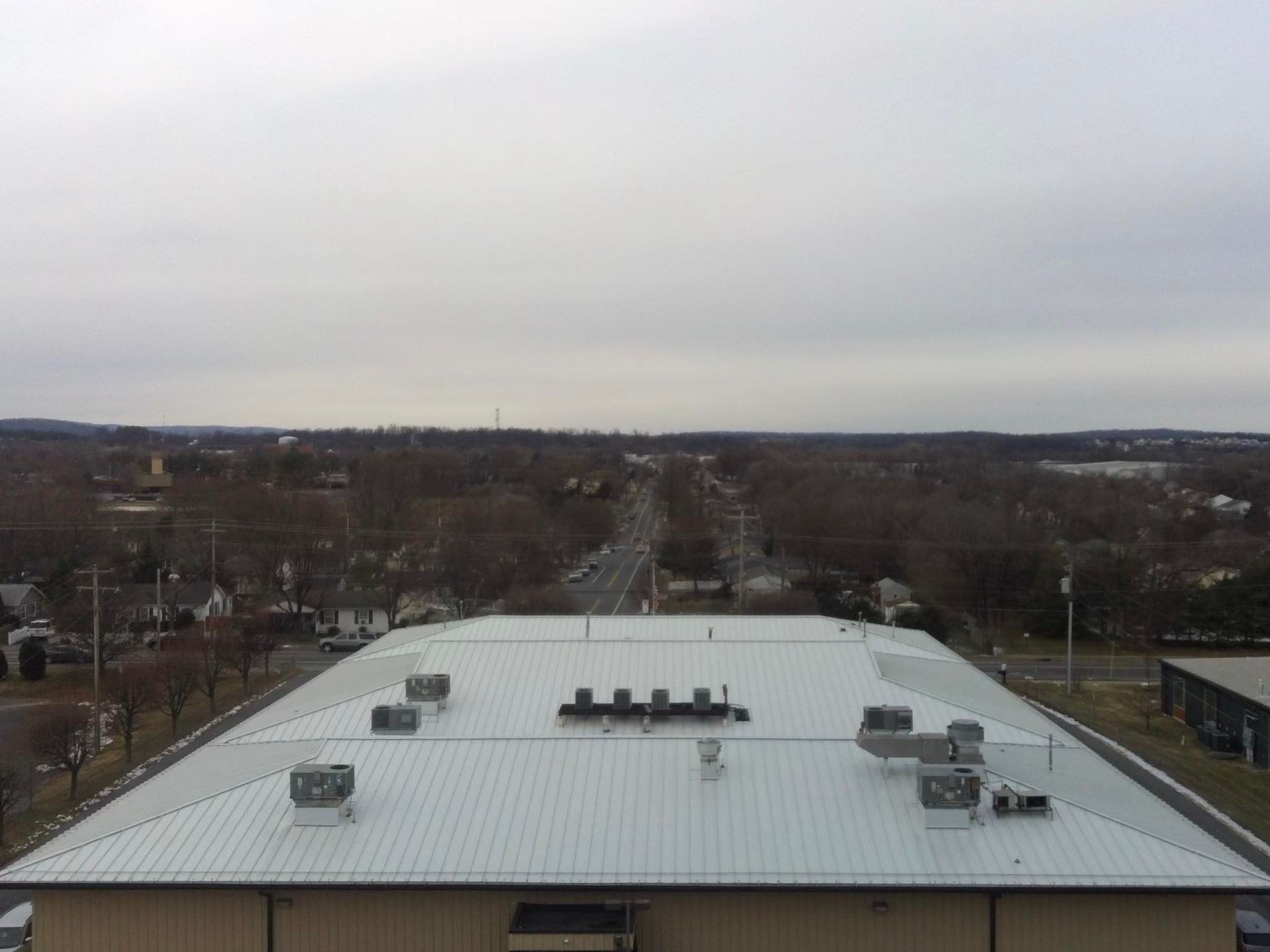
What is actually happening up there
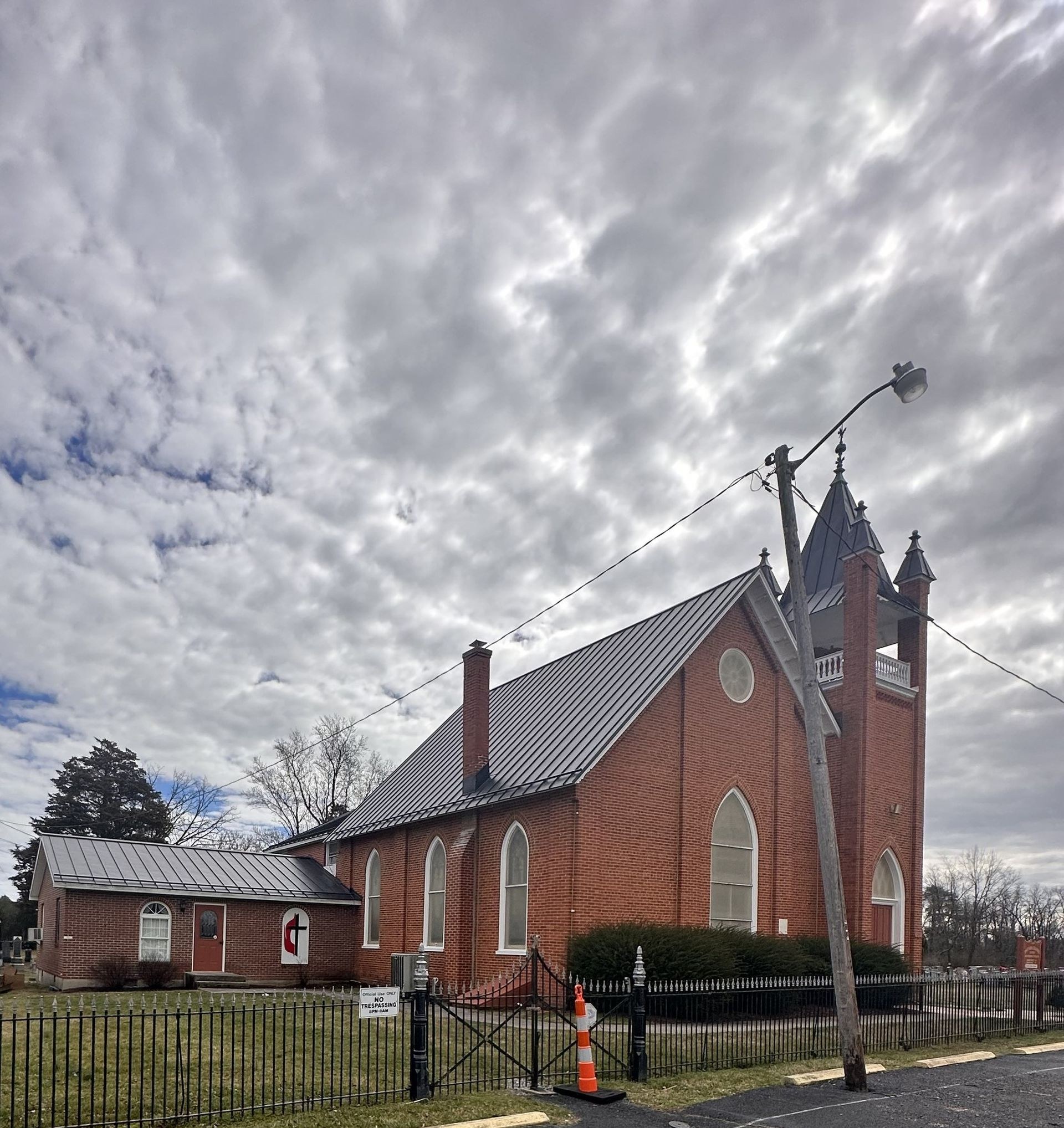
There are two Martinsburgs and they do not have the same roof problems. Downtown, in the Historic Preservation Overlay District and the blocks around it, you have original slate and standing seam over board decking, box gutters, porch roofs sitting under 2:12 where asphalt shingles were never legal, and masonry chimneys with counterflashing caulked to the face of the brick instead of set into a reglet cut in the mortar joint. Out at Spring Mills, Falling Waters, Inwood and the Tabler Station buildout, roughly a quarter of the county’s housing went up between 2000 and 2009 with builder grade shingles. That cohort is 17 to 26 years old right now, and it is failing street by street rather than house by house. If four neighbors on your cul de sac all got roofs last year, that is not a coincidence and it is not a scam. You were all framed the same month. Here is what people actually call us about.
Frost on the nail points in February
Warm humid air from inside the house is reaching a deck that is sitting below freezing. It is not a leak. A leak drips when it rains, condensation drips when it is cold and the water is clean. Left alone, the melt cycle stains drywall and quietly rots sheathing from the side nobody looks at.
A ridge vent with nothing feeding it
The soffit is perforated, it looks correct from the driveway, and the builder never cut the slot in the sheathing behind the panel. You have holes in vinyl with plywood on the other side. The attic bakes in July and sweats in January, and the ventilation clause in your shingle warranty is the first paragraph read the day you file a claim.
Granules piling up at the downspout
Some shed is normal in year one. Bare asphalt showing in the nail zone is not. Once the mat is exposed the shingle loses its shield against ultraviolet light and heat, and the failure accelerates instead of holding steady. This is the most common finding on the 2000s subdivision roofs right now.
Tabs lifting or sliding out of line
The factory seal strip has released. Wind gets under the course, the shingle flexes at the nail line, and the fasteners start to work their way loose. Once a roof is unsealed across a slope, patching individual tabs stops being a real fix and starts being a way to spend money twice.
One stain on one ceiling after rain
This is usually a penetration or a flashing, not the field of the roof. Pipe boot collars crack at year 8 to 12 on the south and west exposures while the shingles still have a decade left. That is a repair. Anybody who quotes you a full roof off a single stain is selling, not diagnosing.
Ice sitting at the edge after a snow pack
Heat escaping into the attic melts snow under the pack. The water runs down to the overhang, which is over outside air and still frozen, refreezes, and backs up until it stands above the shingle lap. Shingles shed water, they are not waterproof. Anyone here for the January 2016 storm that put 42 inches on Glengary has seen where that ends.
Six steps, and you see the evidence at every one
1. The phone call
The first thing we ask is your address and roughly when the house was built. That single answer tells us which Martinsburg you are in, and it changes the materials, the flashing details, the permit path, and whether we are talking to a preservation commission or an HOA architectural committee. Somebody picks up 24 hours a day.
2. The inspection
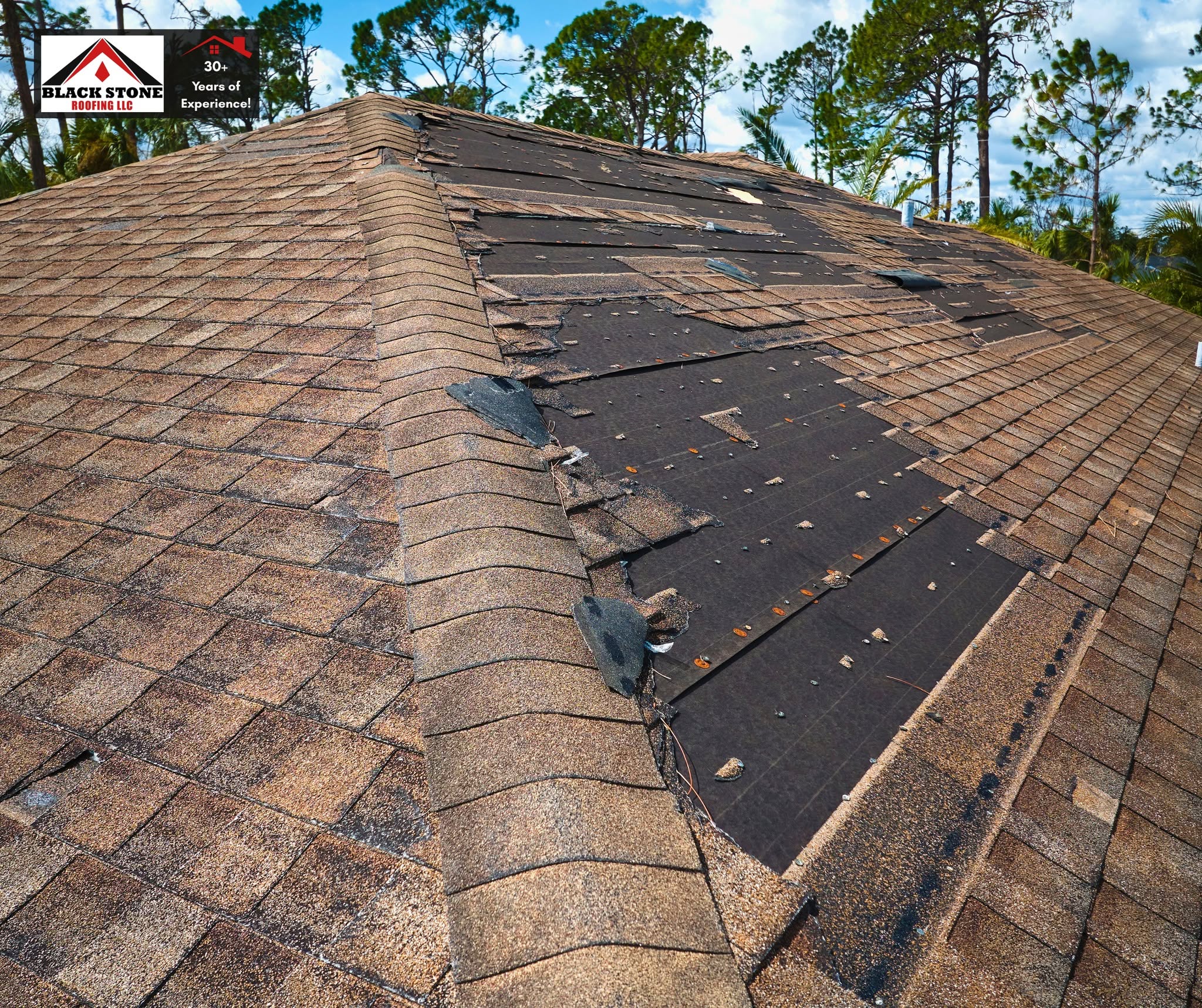
Ground level first for the soft metals, then the field, then every flashing and penetration, then the attic for daylight, staining, frost on nail points, and whether the slot behind your perforated soffit was ever cut. We pull a soffit panel and look. It takes about thirty seconds and it is the defect we find most often in tract housing in this county.
3. The photo report
You get the pictures and the findings in writing, and you keep them whether you hire us or not. If the report says your roof is fine for another six years, that is what it says. There is nothing on this page or in that report that requires you to buy anything.
4. The written scope
Line by line, in plain language. What comes off, what goes back on, which layers, what happens if we open the deck and find rot, and how that gets priced before a single sheet gets replaced. No verbal add ons discovered on install day.
5. Permits and approvals
Berkeley County and the City of Martinsburg are separate jurisdictions with separate offices, and downtown work inside the overlay district also needs a Certificate of Appropriateness from the Historic Preservation Review Commission. We confirm which office your job falls under before it gets scheduled, and we pull the permit. You should not have to guess at that.
6. Install and cleanup
Tear off, deck inspection with you told about anything we find, dry in, install, then flashings and edge metal. At the end we sweep, run magnets across the lawn and the driveway, and walk the job with you before we leave. Same crew from the ridge to the ground.
The layers, named, in the order they go down
The wood everything else depends on
On the 2000s subdivisions this is usually OSB or plywood and it is usually sound. Downtown it can be board decking with gaps, which changes what will hold a fastener. We inspect the deck with the roof open, show you anything soft or delaminated, and replace it by the sheet at a number you already agreed to.
Self adhering waterproof underlayment
This is the layer that seals around fasteners and stands up to standing water where ice backs up at the overhang and where two slopes dump into each other. It is the last line of defense against an ice dam, not the cure for one. The cure is air sealing, insulation and ventilation, in that order.
The field layer over the rest of the deck
It keeps the deck dry between tear off and install, and it gives you a second plane of protection for the life of the roof. It is also what a wind driven rain event runs into when water gets past a lifted tab, which is exactly the condition that turns a small problem into a ceiling stain.
Drip edge and gutter apron
Sequencing matters more than the metal itself. Drip edge goes under the underlayment at the eave and over it at the rake. Get that backwards and you have built a funnel that runs water behind the fascia instead of into the gutter. This is one of the most common things we find wrong on other people’s work.
Step, kickout, counterflashing, crickets
Nearly every mystery interior stain we chase starts at a flashing rather than in the field. Missing kickout flashing at a roof to wall termination is the classic one, because it dumps the whole slope behind your siding for years before anything shows inside. On masonry chimneys, counterflashing belongs in a reglet cut into the mortar joint, not caulked to the face of the brick.
Starter, nail placement, then the visible roof
Starter strip at the eave and the rake is what resists wind uplift on the first course. Nails belong in the common bond area, and high nailing is why an otherwise good roof unzips in a storm. We cover the material choices in detail on asphalt shingle roofing and residential metal roofing, including gauge, seam type, snow retention and an honest word about oil canning.
Balanced intake and exhaust, with the math done out loud
IRC R806.2 sets ventilation at 1 square foot of net free area per 150 square feet of attic floor, reduced to 1 per 300 when venting is balanced with 40 to 50 percent in the upper third. Take a 2,000 square foot attic. Divide by 300, that is 6.67 square feet, times 144 is 960 square inches, split evenly into 480 exhaust and 480 intake. A baffled ridge vent runs around 18 square inches per lineal foot, so about 27 feet of ridge. Continuous perforated soffit runs about 9 square inches per foot, so about 54 feet of vented soffit. Never let exhaust exceed intake, or the attic goes negative and starts pulling conditioned humid air up through your can lights. Never mix exhaust types on one attic. For downtown houses with no usable soffit, a shingle over intake vent with a slot cut about an inch and a half up from the fascia gets you roughly 9 square inches per foot without touching the soffit at all.
Straight answers about who we are and where we sit
Based in Martinsburg, on Winchester Avenue
1886 Winchester Ave, Martinsburg, WV 25405. This is a Berkeley County business working Berkeley County roofs, not a truck that shows up from out of state after a hail event and leaves with the weather.
Licensed in five states
VA, WV, MD, PA, FL. West Virginia requires the license number to appear in contracting advertisements and to be posted at the job site. Ask us for ours, then ask every other bidder for theirs.
Family owned since 2016
Licensed, bonded and insured. Open 24 hours, seven days a week, and somebody actually picks up at 2 a.m. when water is coming through a ceiling.
4.9 stars across 50 Google reviews
Read them yourself on our reviews page, then look at the gallery and judge the work rather than the sales pitch.
Where to go from here
Roof Replacement
Tear off, deck inspection, code upgrades triggered at replacement, and who pulls the permit in which jurisdiction.
Asphalt Shingle Roofing
3 tab versus architectural versus impact rated Class 4, nail placement in the common bond area, starter strip and drip edge sequencing.
Residential Metal Roofing
Standing seam and exposed fastener, gauge, thermal movement, snow retention, and an honest word about oil canning.
Specialty and Historic Roofing
Slate matching, cedar, tile, board decking, box gutters, and Certificates of Appropriateness in the overlay district.
Roof Repair
Pipe boots, step and kickout flashing, chimney crickets, valleys, and the honest repair versus replace call.
Roof Inspection
Ground level soft metals, the field, the flashings, then the attic. You get a photo report you keep.
Emergency Roof Repair
Answered around the clock. Tarp, stabilize, document, then come back and fix it properly in daylight.
Storm Damage Roof Repair
Wind and hail assessment with photo documentation, and a straight answer on whether there is real damage.
Roof Insurance Claims
What the adjuster looks for, what the scope should include, and how to keep the claim from getting underwritten short.
Exterior Services
Roof, gutter, gutter apron, kickout flashing, siding and window head flashing handled by one crew.
Berkeley County first, then the rest of the valley
Do not see your town? We work the whole corridor, so ask or call (540) 550-9703.
Residential roofing FAQ
- Are you going to try to sell me a whole roof?
No. If the shingles have life left and the problem is a flashing or a penetration, we quote the repair. Pipe boots are the number one age related leak on a 12 to 20 year old shingle roof, and the collar usually cracks at year 8 to 12 on the south and west exposures while the field still has a decade in it. We put the roof age, the actual defect, and the photos in your hands and let you decide. If you want the full framework for that call, it is laid out on our roof repair page.
- Where is Black Stone Roofing actually located?
Our office is at 1886 Winchester Ave, Martinsburg, WV 25405. We are a Berkeley County business working Berkeley County roofs, which means you can drive to us and we are still here after the storm season ends. Beyond the address, what matters legally is that we hold a West Virginia contractor license, that roofing falls under Classification 010 with the WV Contractor Licensing Board, that the license number appears in our advertising, and that it is posted at your job site. Ask us for ours, then ask every other bidder for theirs.
- My house was built in 2004 and the roof looks fine from the driveway. Is it too early to look at it?
It is exactly the right time. About a quarter of Berkeley County housing went up between 2000 and 2009, most of it with builder grade shingles, and that cohort is now 17 to 26 years old. A 3 tab realistically gives you 15 to 20 years of service life and an architectural laminate 25 to 30. Looking fine from the driveway means nothing, because the failures that matter at this age are seal strip release, granule loss in the nail zone, and cracked boot collars, none of which you can see from the ground.
- Why is there frost on the nails in my attic in February?
Because warm humid air from inside your house is reaching a deck that is below freezing, and that is a ventilation and air sealing problem rather than a roof leak. Your household puts two to four gallons of water vapor into its air every day. When that frost melts on the first warm afternoon it drips, stains a ceiling, and gets diagnosed as a leak by somebody who did not go in the attic. The tell is simple. A leak drips when it rains. Condensation drips when it is cold, and the water is clean.
- Do I need a permit to reroof my house in Berkeley County?
It depends on the scope, and the two jurisdictions are separate. Berkeley County adopted the 2018 IRC effective August 1, 2022, and its fee schedule prices a reroof that involves new framing. If you are inside Martinsburg city limits you are dealing with the City instead. Rather than have you guess, we confirm which office your job falls under before it gets scheduled and we pull the permit. If you would rather verify it yourself, the two offices are Berkeley County Building Permits and Inspections and the City of Martinsburg Planning, Zoning and Building Department. We walk through who pulls what on the roof replacement page.
- My house is in the historic district downtown. Does that change anything?
Yes. Work inside the Historic Preservation Overlay District requires a Certificate of Appropriateness from the Historic Preservation Review Commission, a nine member body that reviews construction, alteration, and repair and meets the first Monday of each month at 6:30 p.m. That applies to roofing, siding, and window work. The district nominations document slate being replaced with asphalt as a recorded alteration pattern, so material choice gets scrutiny. Our specialty roofing page covers slate matching and the review process in detail.
- Is the roof inspection really free, or is it a sales appointment?
It is free and you get to keep the photo report whether you hire us or not. We start from the ground with the soft metals, then the field, then every flashing and penetration, then the attic to check for daylight, staining, frost on nail points, and whether the slot behind your perforated soffit was ever cut. If the answer is that your roof is fine for another six years, that is what the report says.
- My ridge vent is new but the attic is still hot. What is wrong?
Almost always there is no intake feeding it. Perforated soffit that looks correct from the driveway is frequently sitting over uncut sheathing, so the ridge has nothing to pull from. Adding more exhaust vents on top of that makes it worse, because the attic goes negative and starts drawing conditioned humid air up through can lights and the attic hatch. Ridge vent paired with a powered fan is the worst combination available, since the fan simply pulls its air back out of the ridge six inches away instead of from the eave. We pull a soffit panel and look before recommending anything.
Get a free roof inspection with a photo report
Tell us the address and roughly when the house was built. We will tell you which Martinsburg you are in and what your roof actually needs. Open 24 hours, seven days a week.