Home/Exterior Services/Siding Installation
VINYL, FIBER CEMENT, AND METAL SIDINGSiding Installationin Martinsburg, WV
Siding is the visible half of a drainage system. The half that decides whether your wall rots is the barrier and the flashing behind it, and that is the part we put in writing. Our shop sits at 1886 Winchester Ave here in Martinsburg, so a wall we open in the morning gets closed the same day.
Water coming in right now
Emergency response
We answer 24 hours. Tarped and stabilized before more gets inside.
Planning ahead
Free inspection
Written scope and photos so you know what the wall actually needs.
Request a written siding estimate
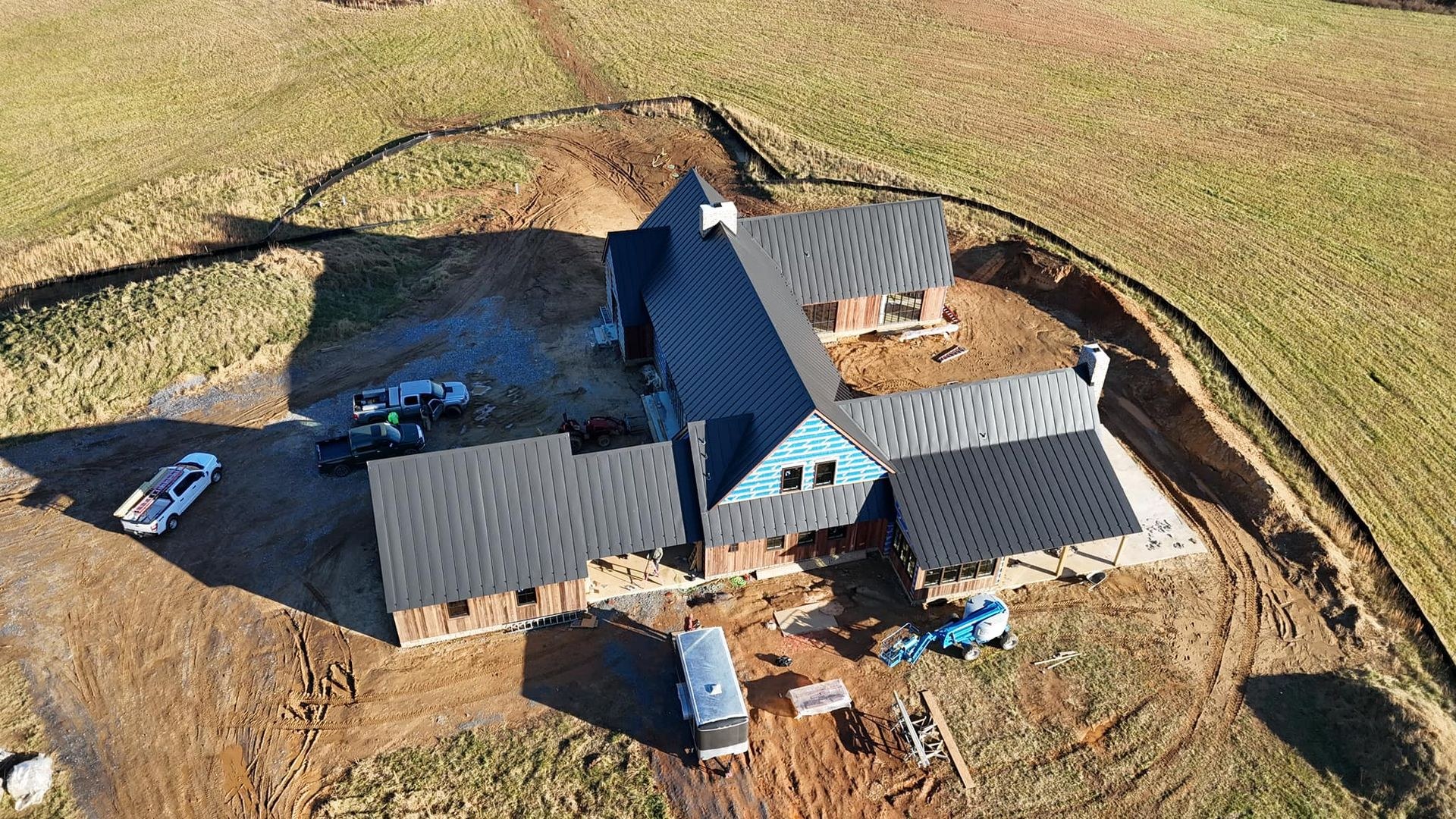
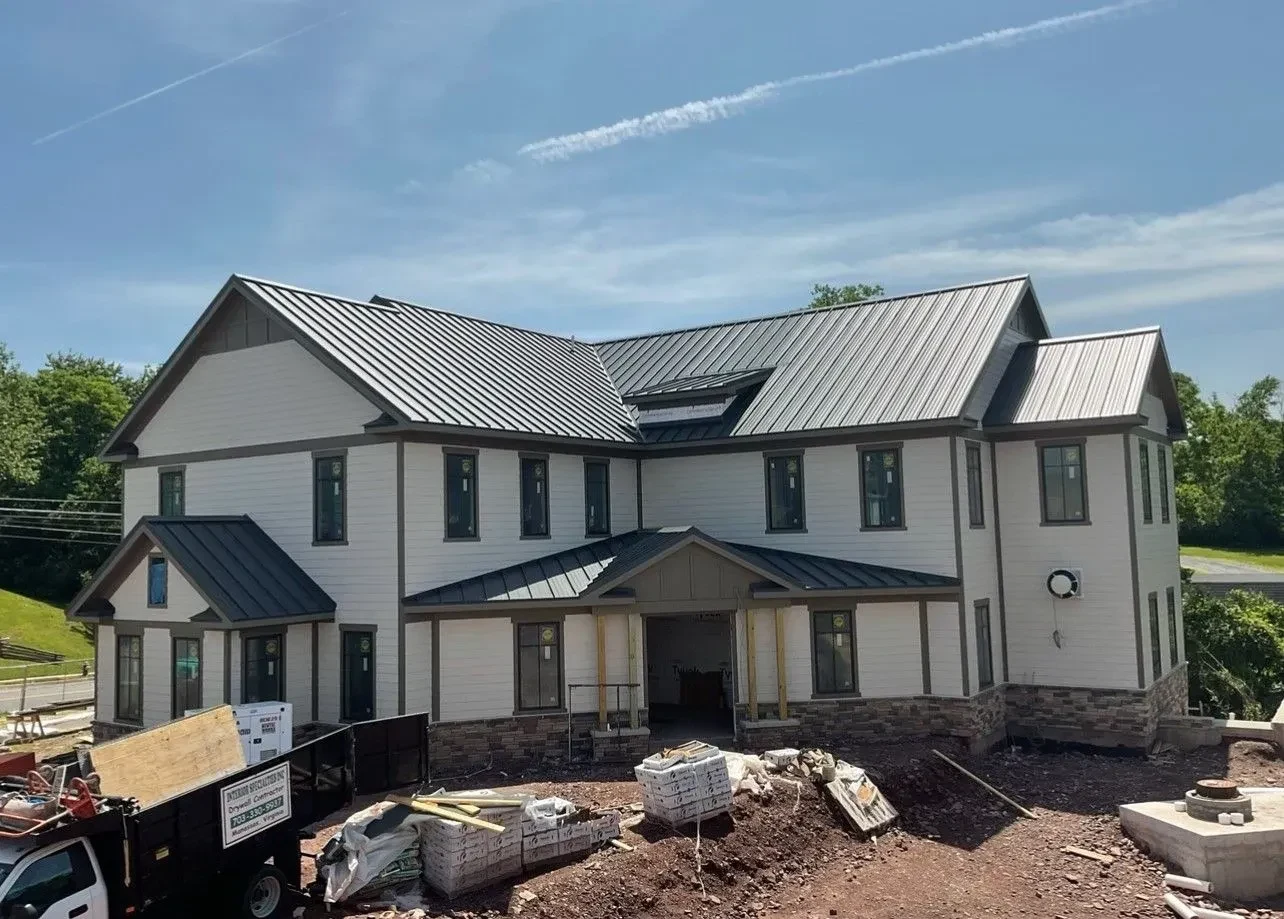
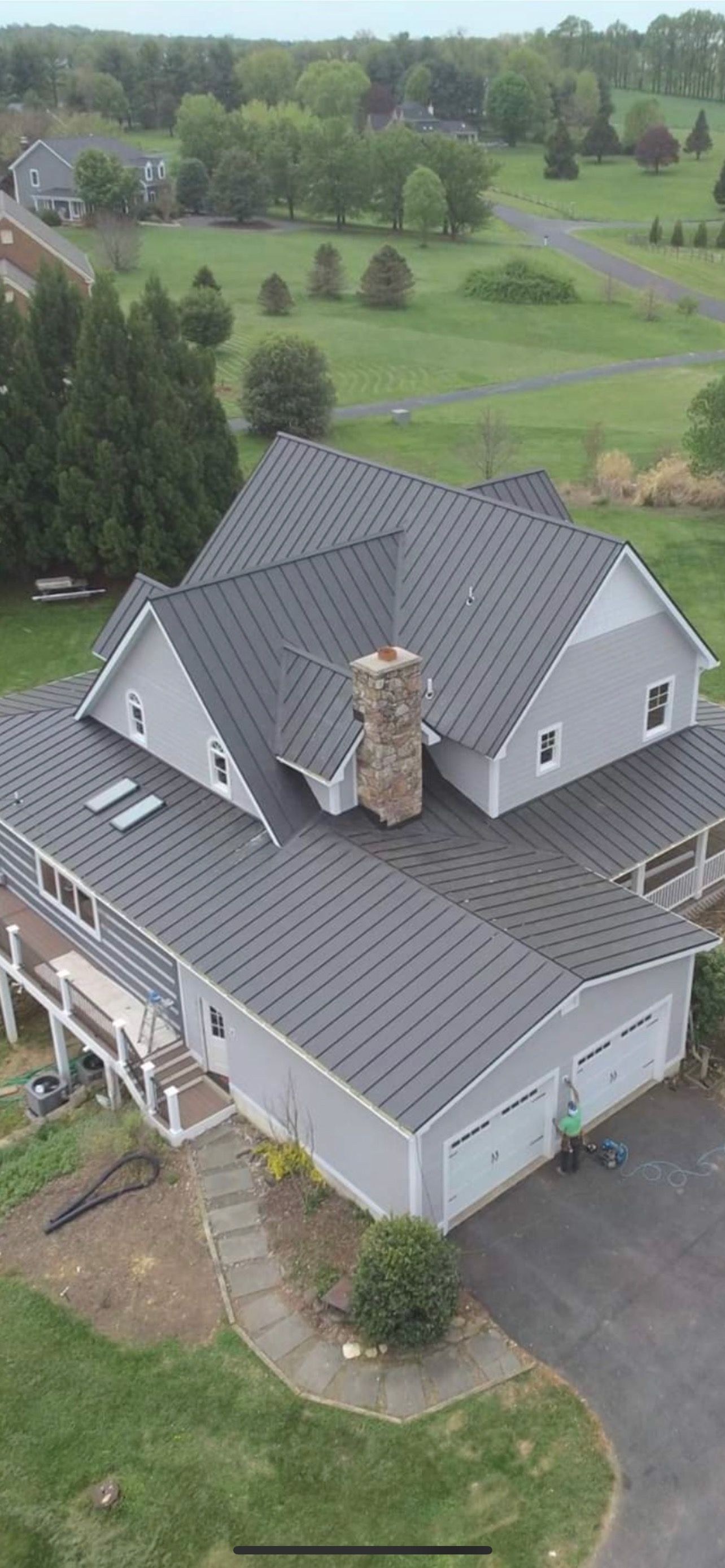
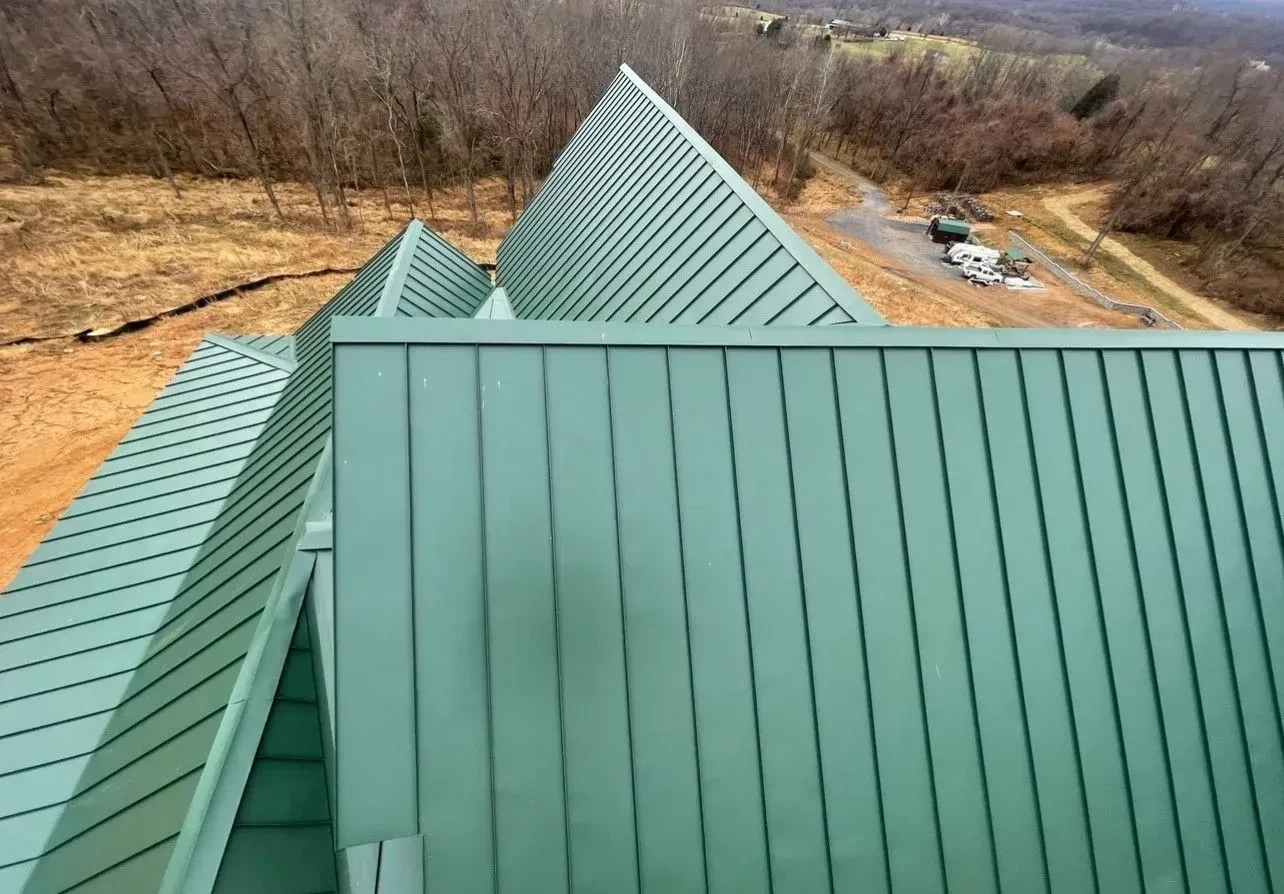
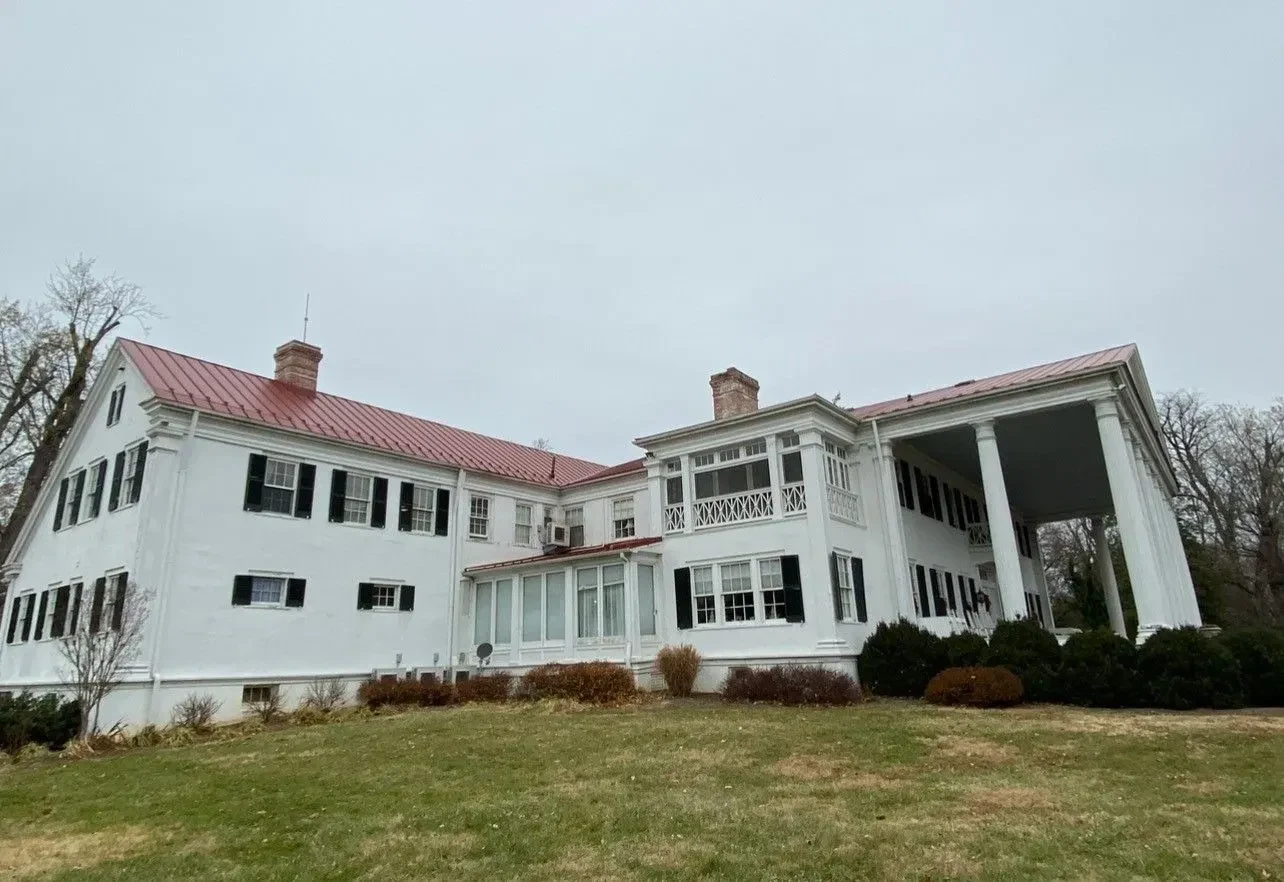
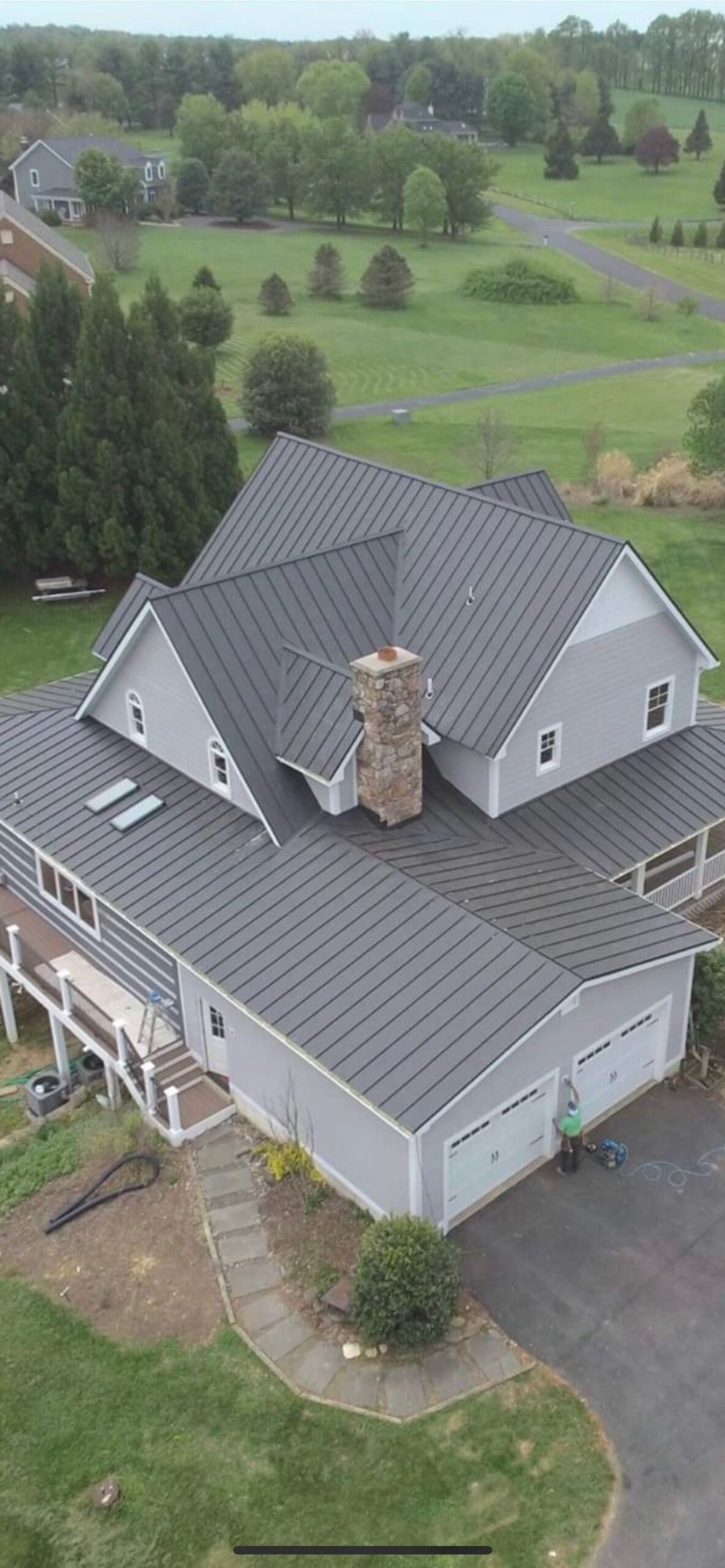
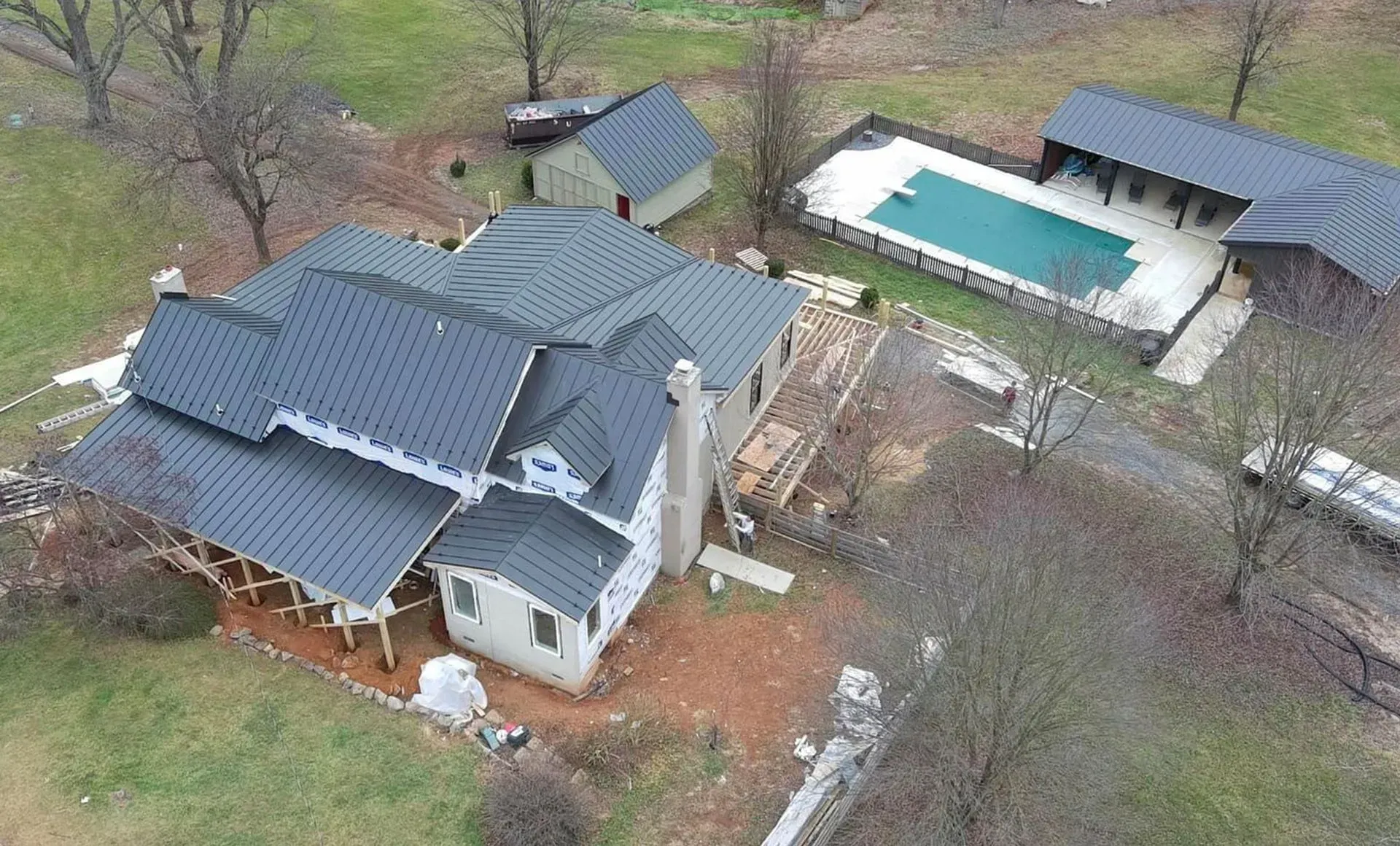
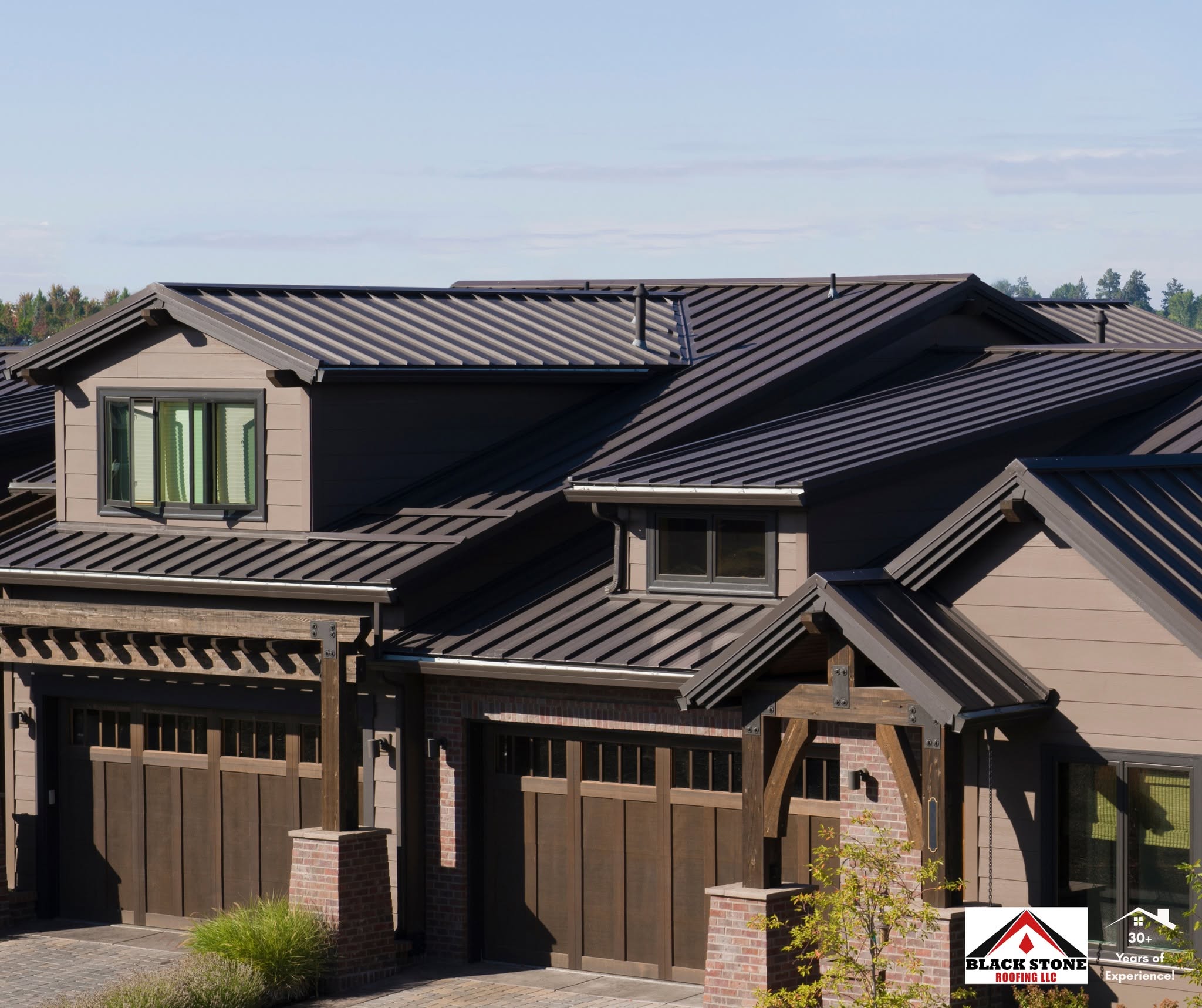
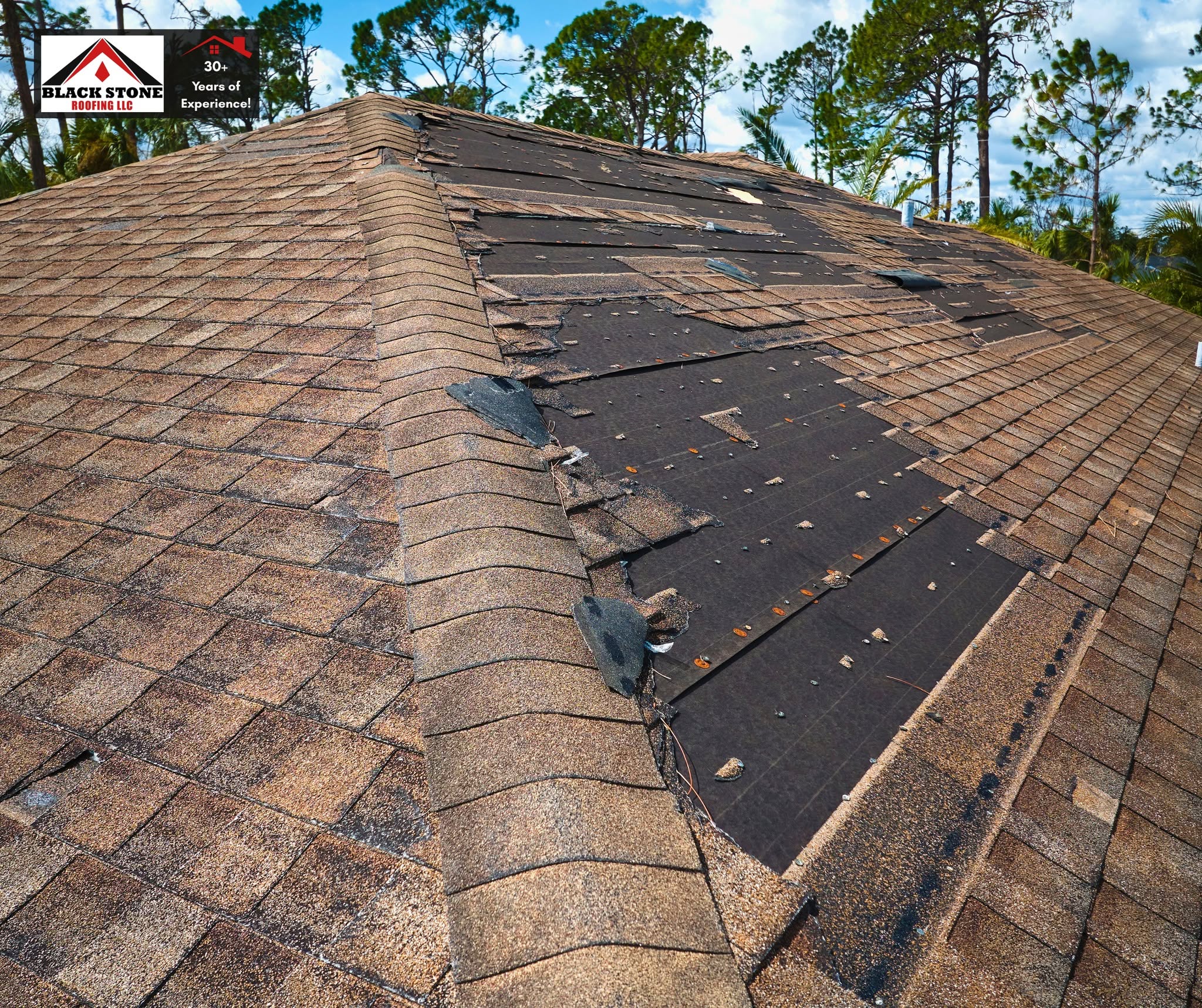
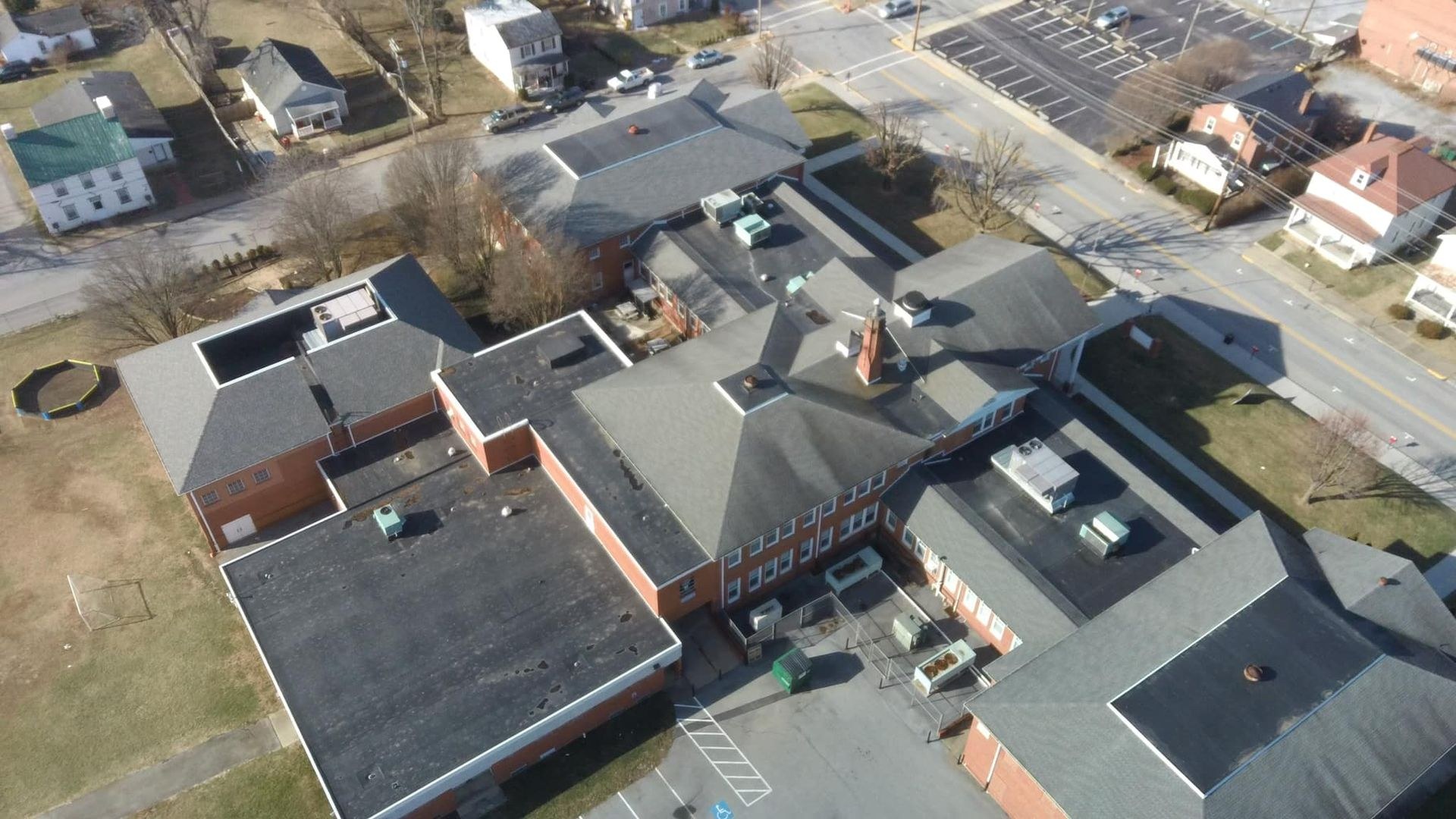
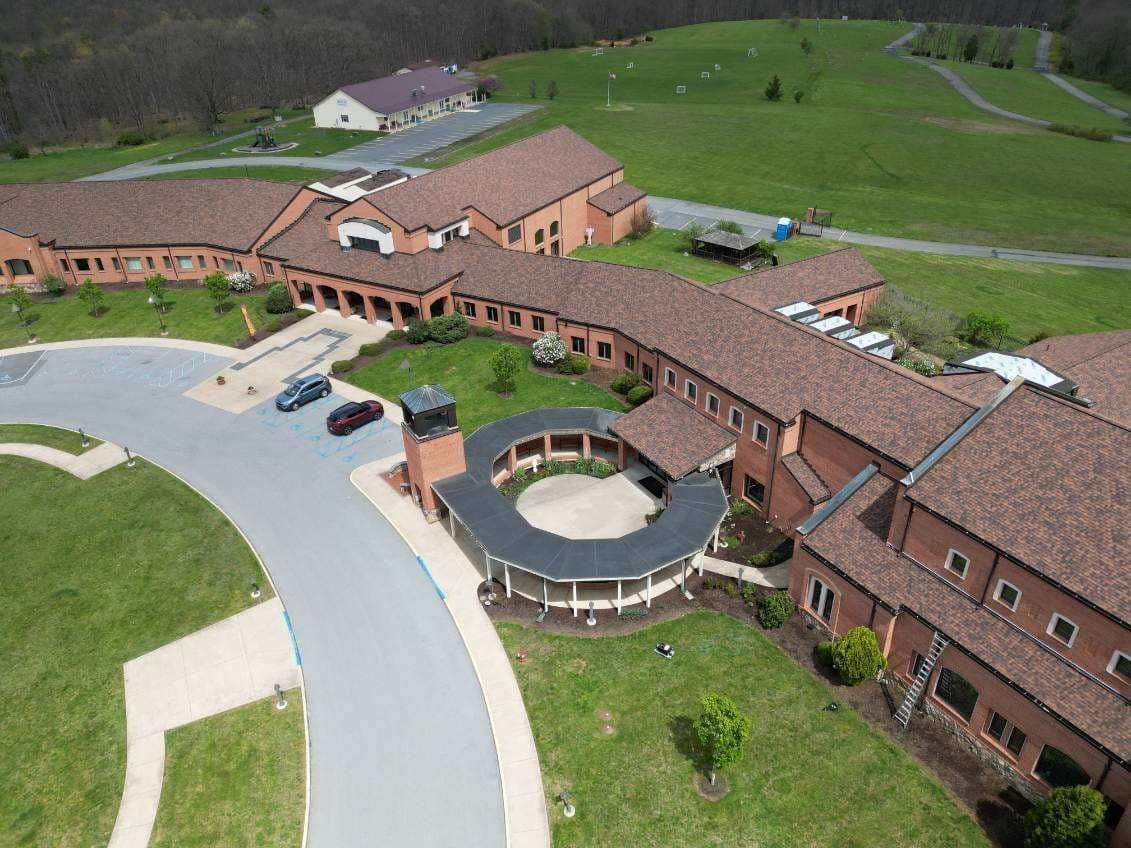
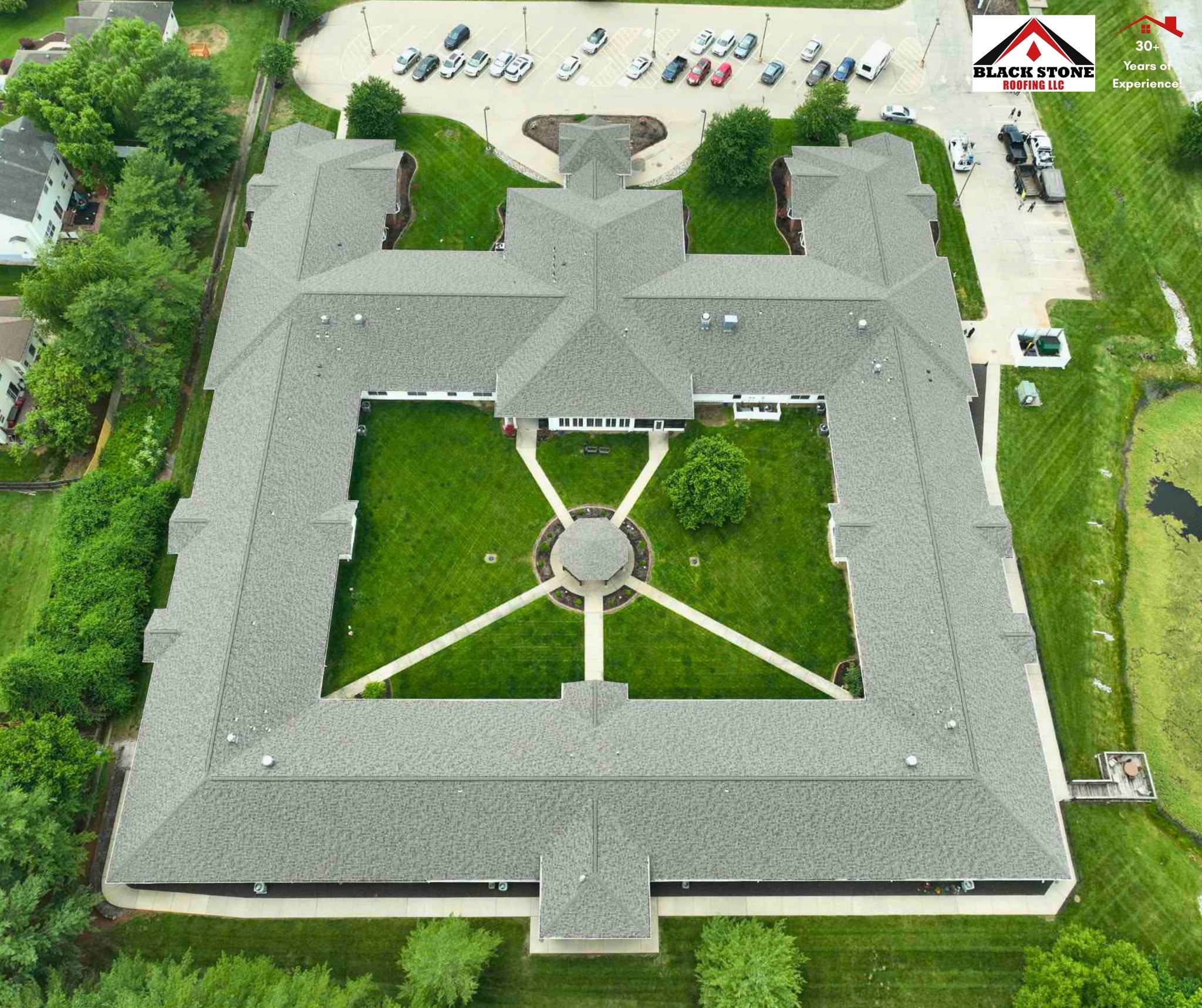
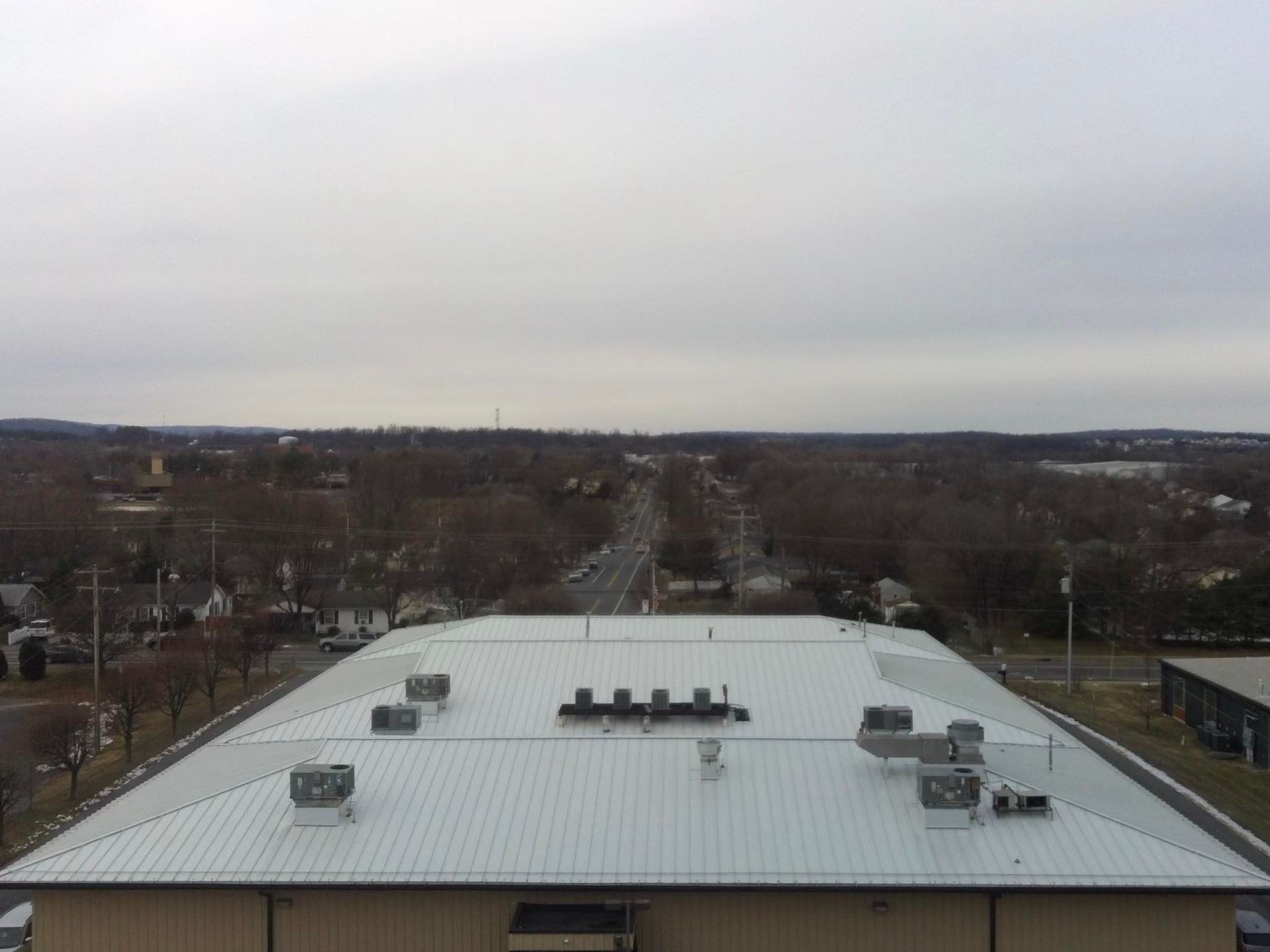
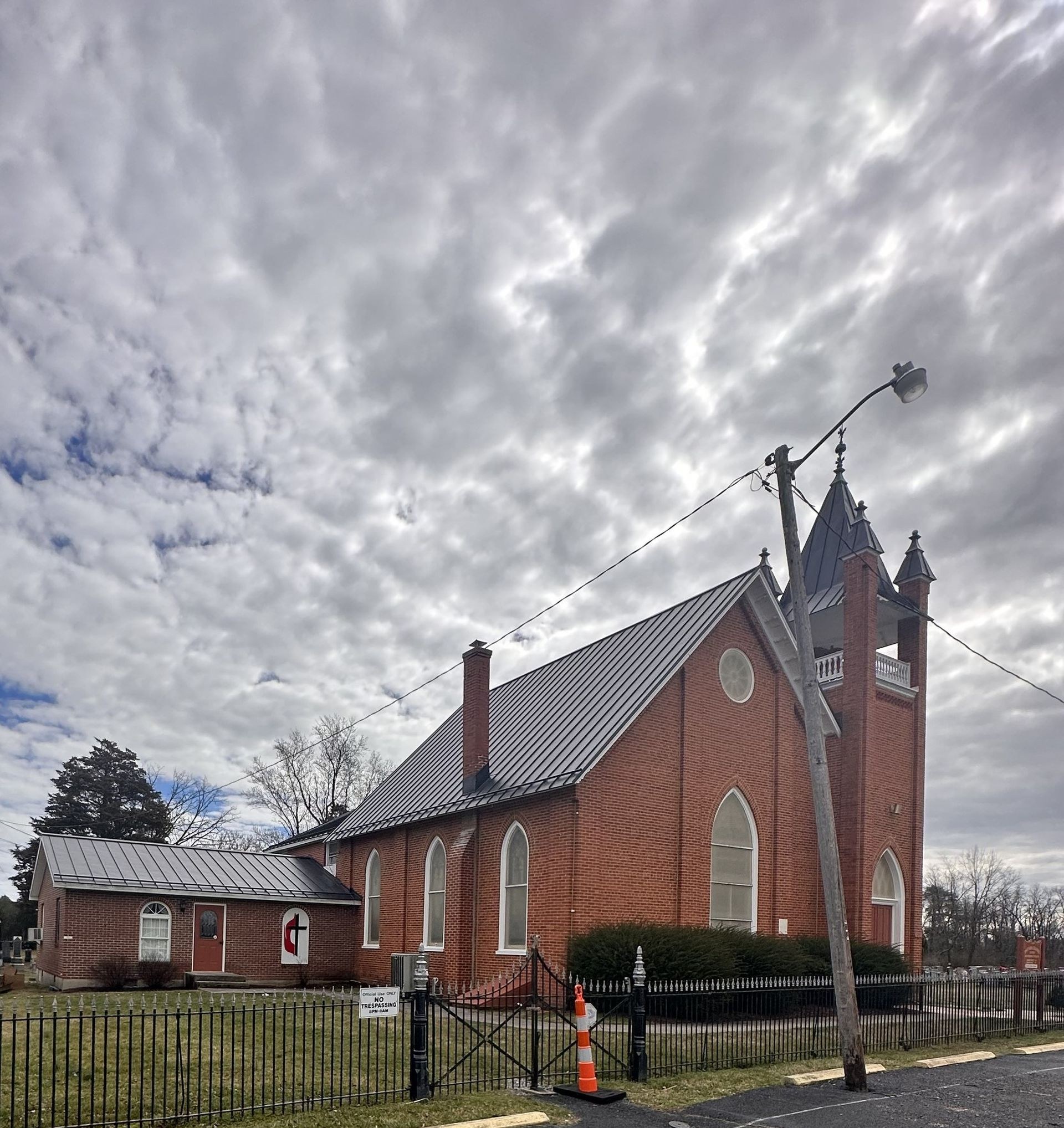
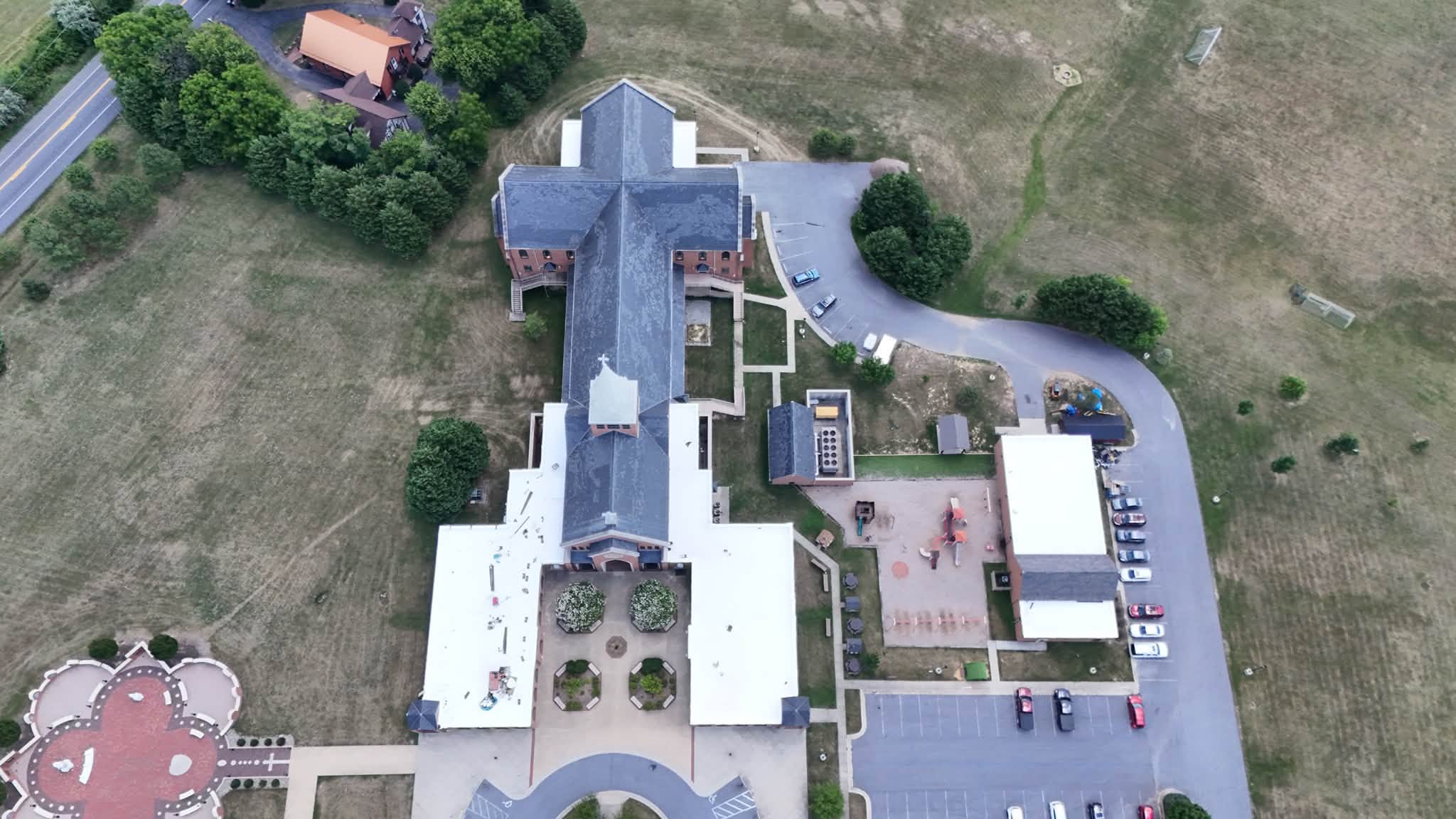
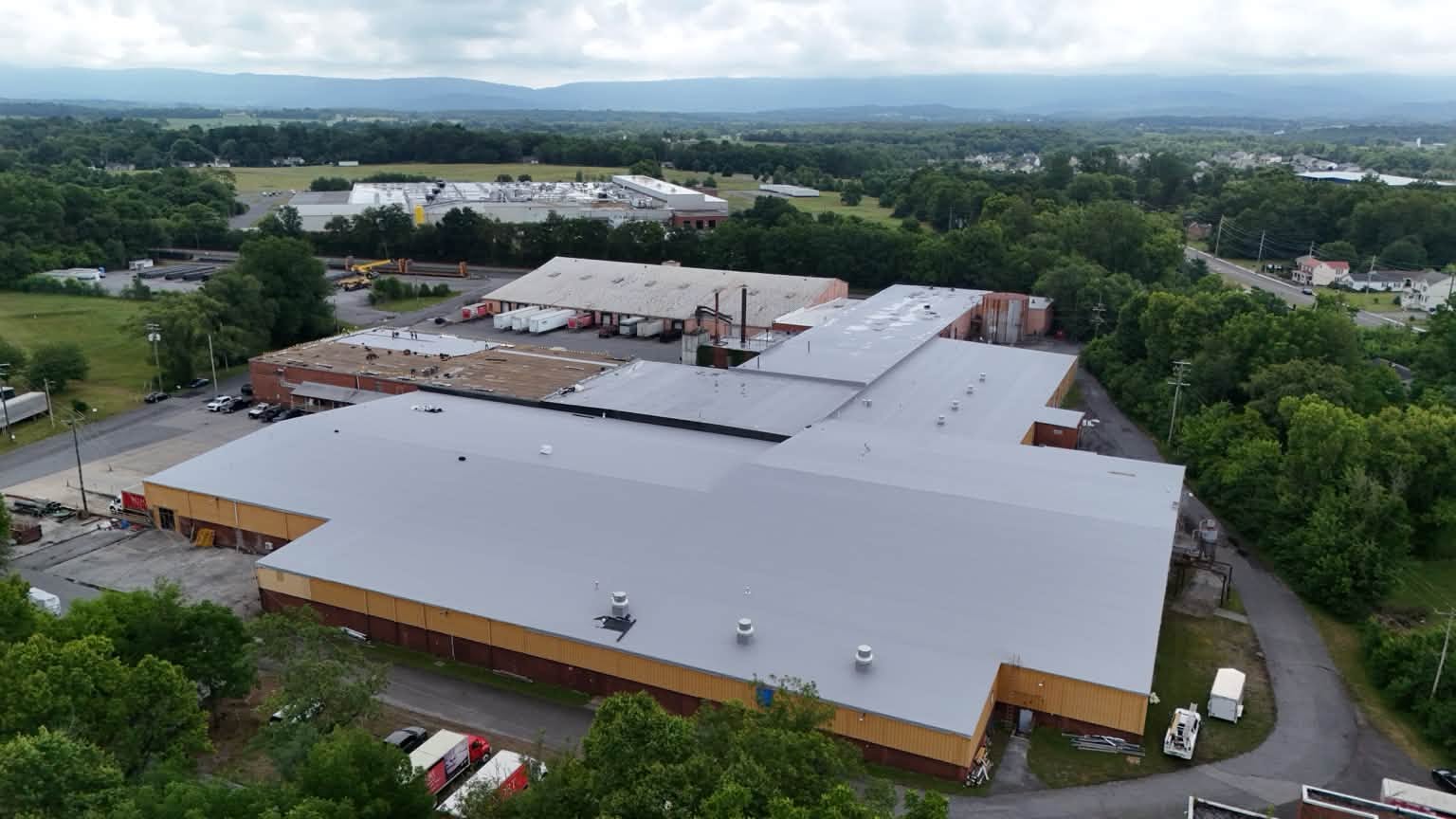
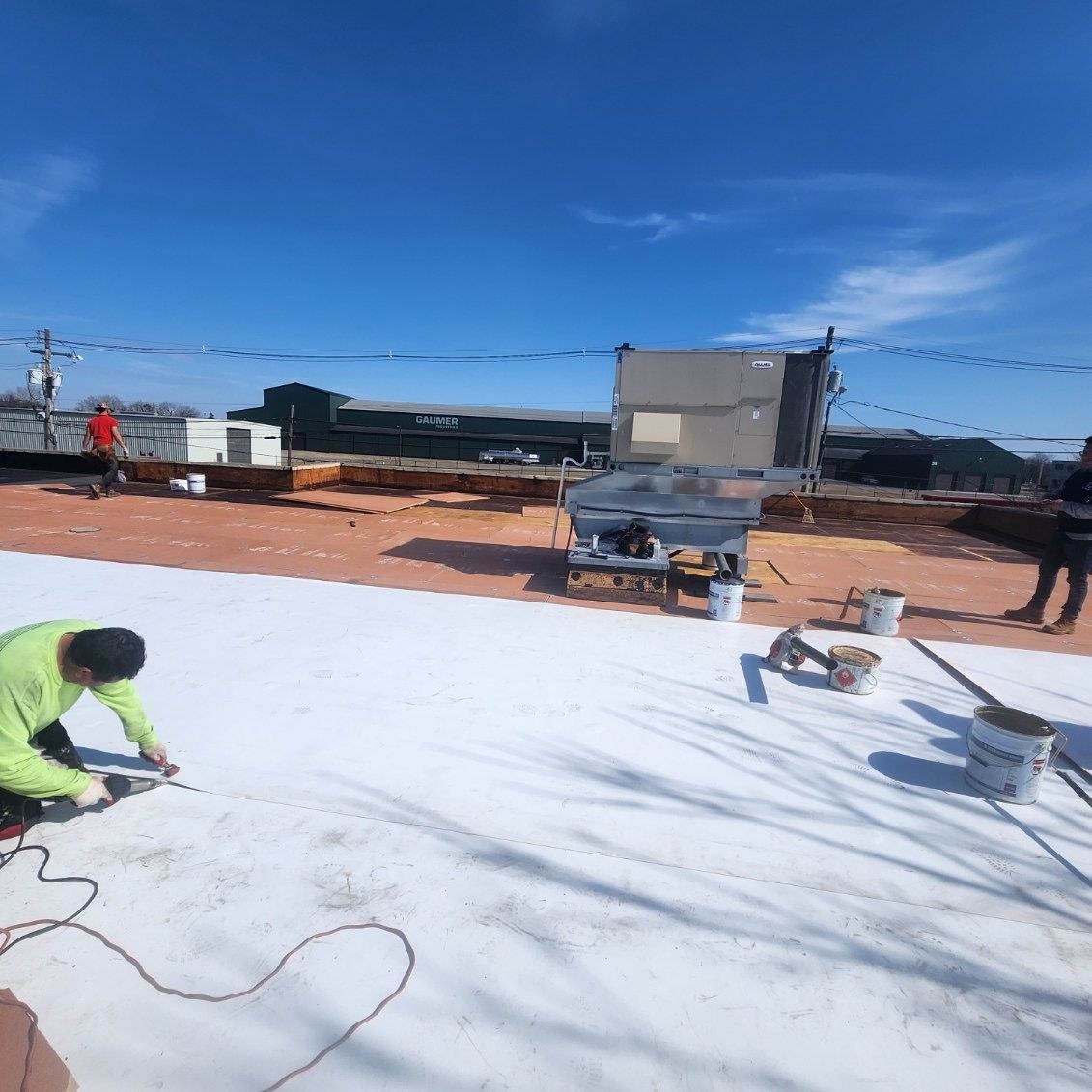
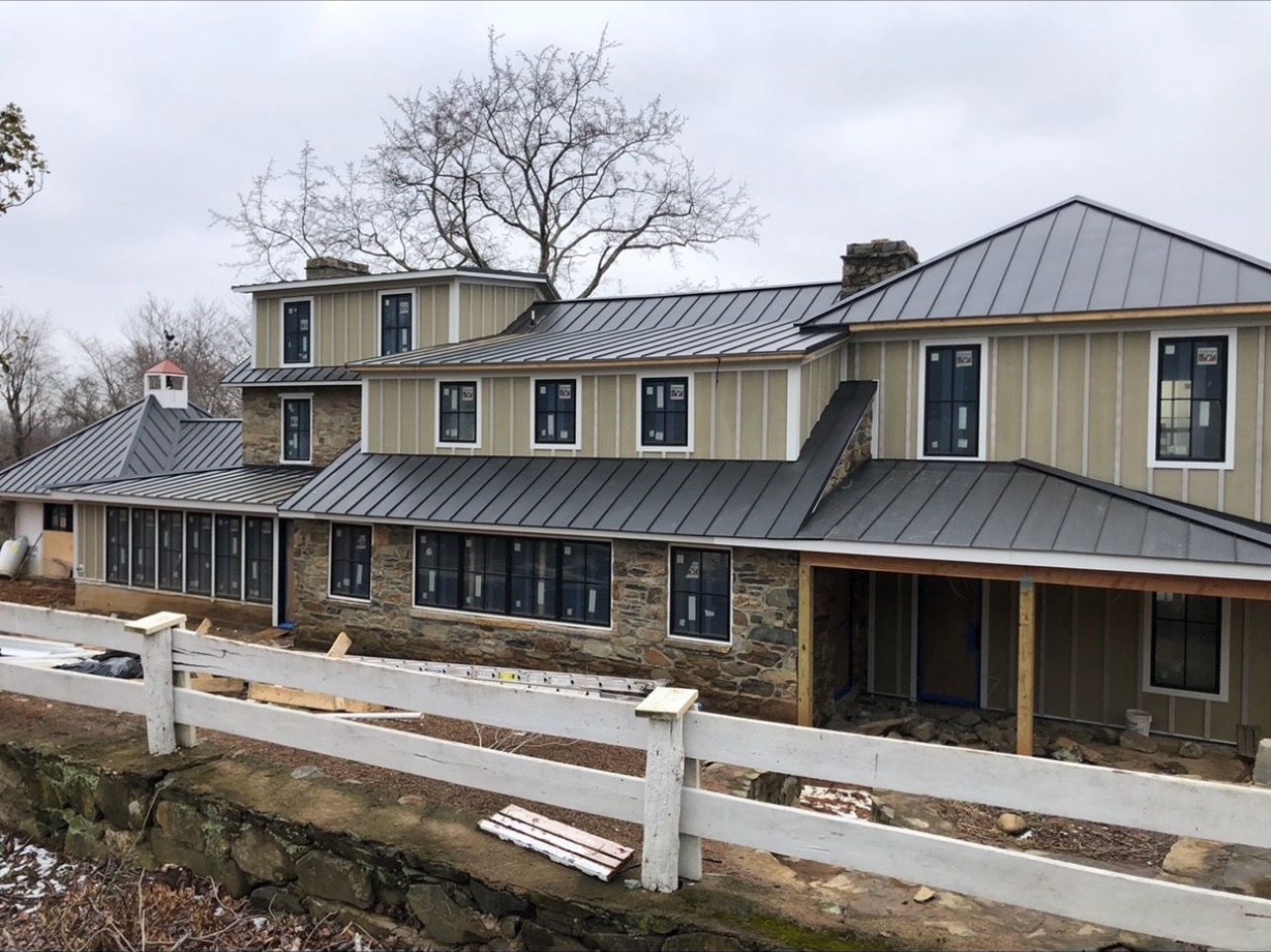
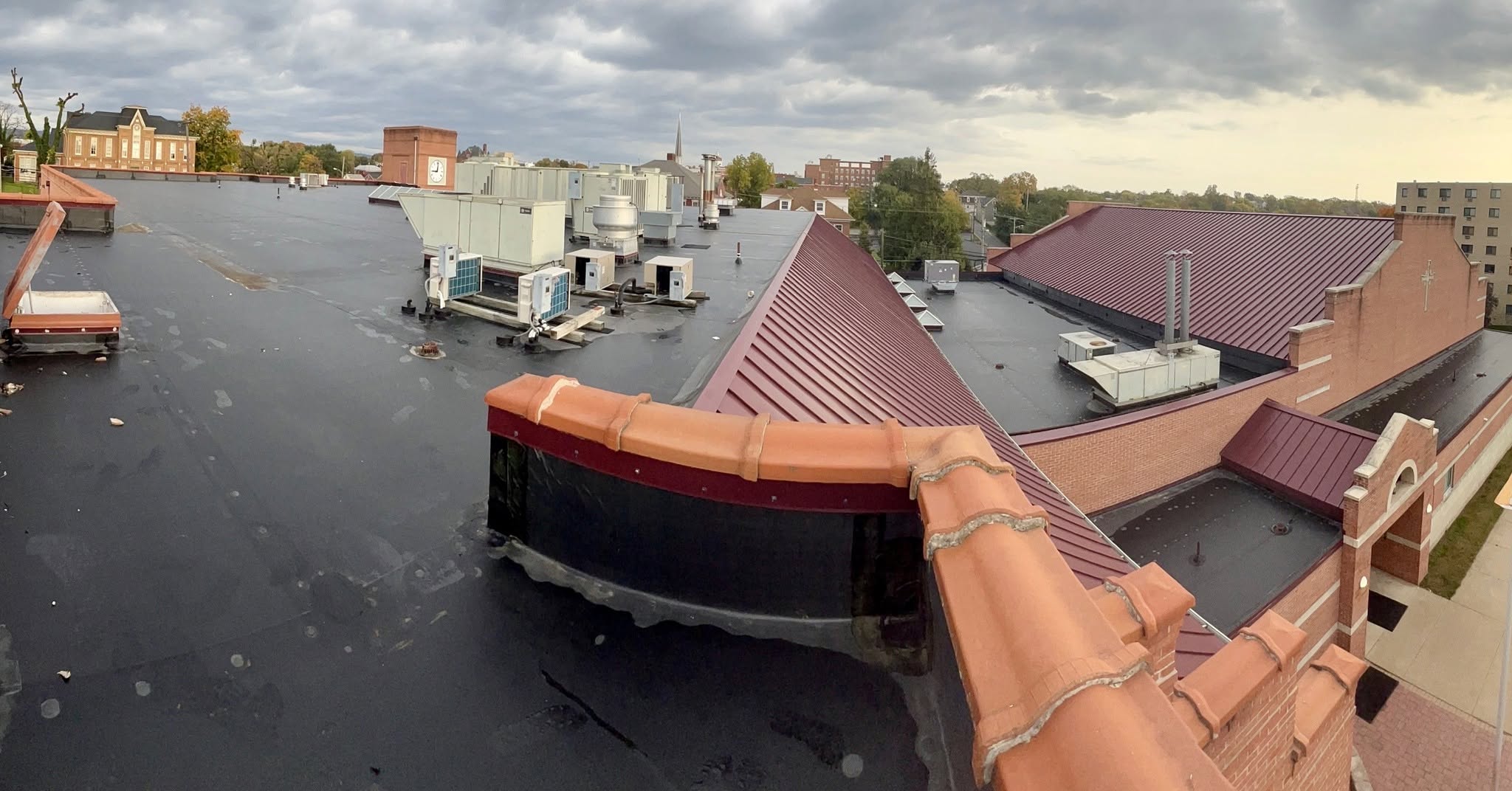
Recent exterior work around Berkeley County

What is actually happening behind your siding
Every siding product made leaks. Wind driven rain gets behind vinyl through the butt seams, behind fiber cement at the joints, and behind anything at the corners and the trim. That is expected and it is designed for. What keeps the wall dry is the water resistive barrier underneath, lapped in the right order, and the flashings that walk that water back out to daylight. Martinsburg takes roughly 41 inches of rain a year, so a wall here has to drain and dry or it has a shelf life. Here is how to read yours.
A stain on the ceiling and two roofers found nothing
Almost always a missing kickout flashing where a roof edge dies into a wall. The water never touches the roof deck. It runs down inside the wall cavity and surfaces a full story below, sometimes years later, which is why roof only inspections keep coming back empty.
Wavy or buckled panels on a hot afternoon
Vinyl grows and shrinks measurably between a January morning and a July afternoon. Buckling means it was nailed tight instead of hung loose. The same error is what tears a course off in a wind event.
Soft trim or a spongy spot under a window
Usually a window that was set without a sill pan, so every rain that gets past the frame lands on bare framing. Replacing the siding over that does nothing. The opening has to be flashed in sequence or it keeps feeding the wall.
Caulk sealing the bottom of a J channel
J channel is trim, not flashing. It holds water in a small aluminum trough that has to drain out the bottom. Seal that bottom and you have built a reservoir sitting on the head casing of a window or a door.
Swelling and splitting at fiber cement butt joints
A butt joint belongs over joint flashing with the joint left uncaulked so it can drain. Caulk it and water gets trapped in the end grain, which is exactly how a fiber cement wall starts opening up at every seam.
Solid plywood behind vented soffit
Pull one panel of perforated aluminum and look up. In a large share of the tract houses through Spring Mills, Falling Waters, Inwood, and Bunker Hill, the builder hung vented soffit and never cut the intake slot. It looks correct from the driveway and it moves no air at all.
What happens, in the order it happens
1. We walk the wall and the roof line together
Every roof to wall termination, every window head, every deck ledger, and every soffit bay. Most siding failures start above the siding, so looking at the wall alone tells you almost nothing.
2. You get a written scope with the repair rate stated up front
Nobody knows what is behind your siding until it is off, including whoever else is bidding. So the rate for sheathing replacement and framing repair goes on the estimate before we start, which sets the number before anyone has an incentive to find problems.
3. We confirm the permit office and any historic review
Inside the Martinsburg city limits, permitting runs through city planning, zoning and building. Outside the limits it is Berkeley County. If the property sits in the downtown overlay district, a Certificate of Appropriateness from the Historic Preservation Review Commission is a separate approval, and that commission meets the first Monday of the month. That review gets planned into the schedule rather than discovered after materials are ordered.
4. Tear off, then photographs before anything gets covered
The usual finds are predictable. Sheathing gone soft under a missing kickout, rot at the bottom of a wall where a deck ledger was flashed with caulk, wet framing under a window that was never pan flashed. Occasionally nothing at all, and that is a good day. You see all of it in photos while the wall is still open.
5. Barrier, then flashing, then cladding, in that order
Berkeley County adopted the 2018 IRC effective August 1, 2022, and IRC R703 governs this work: a water resistive barrier behind the siding, and flashing at wall openings and at roof to wall intersections. Simple to write. Constantly done wrong. Every upper piece laps over the lower piece, vertical seams lap six inches and get taped, and no wall goes back together with a reversed lap in it.
6. We close every wall we open the same day
Siding crews travel worse than roofing crews do, because an open wall has to be closed before the weather turns. Our radius is set by what we can actually staff and button up without leaving a house open overnight, and being based in Martinsburg is most of why that radius covers Berkeley County properly.
The layers you are actually buying
The structure the whole wall hangs on
If it is wet or soft it gets replaced, not covered. This is the layer that decides whether a siding job lasts, and it is the only layer you cannot inspect once the panels are back on.
The surface that actually sheds the water
Housewrap works exactly like shingles. Every upper course laps over the lower one so water running down the face of the wrap stays on the face of the wrap. Reverse one lap at a band joist and you have built a funnel into the framing, and nothing about it is visible once the siding is on.
Sill pan first, then jambs, then head
The head flashing laps under the wrap above and over the flange. Tape alone in the wrong order is not flashing, it is a hope. That sequence is the reason most leaking replacement windows leak, and we cover it on the window replacement page.
The cheapest piece of metal on the house
Where a roof edge dies into a wall, water arrives at the bottom of that run with momentum. A kickout throws it sideways into the gutter instead of behind the siding. We find them missing on twenty year old houses and on houses built last decade in the Route 11 corridor subdivisions. The fix has to be woven behind the barrier and under the step flashing, never caulked to the face.
Drainable, not sealed
The bottom of a run around a window or a door never gets caulked shut, and weep slots in the bottom of a vinyl course stay open. Both exist so the water that gets in has somewhere to go.
Vinyl, fiber cement, or metal, each installed to its own rules
Vinyl hangs rather than pins: nails centered in the slot roughly every sixteen inches, driven so the head sits about the thickness of a dime off the nailing hem, with a quarter inch left where it meets trim and closer to three eighths in cold weather. Fiber cement is heavier and tougher, holds paint, shrugs off a string trimmer, and is unforgiving about clearance at roof lines and grade. Metal moves like a metal roof and has to be isolated from dissimilar metals or it corrodes at the contact.
The one hour that is cheapest while the wall is open
If the intake slot behind your soffit was never cut, more ridge vent will not fix a hot attic, and your shingle manufacturer will read the ventilation clause carefully the day you file a claim. The slot gets cut while the soffit is already off. New fascia gets the gutter apron handled at the same time, which is covered on the gutter installation page.
Why hire us instead of a siding only crew
A Martinsburg address, not a service area we drive to
1886 Winchester Ave, Martinsburg, WV 25405. Berkeley County is the county we live in, so the crew is close enough to close a wall the same day it opens.
Licensed in five states
VA, WV, MD, PA, FL. Licensed, bonded, and insured, and family owned since 2016.
The failures happen where the trades meet
Kickout flashing, step flashing, gutter apron, head flashing, and the wrap laps are all shared between the roofer and the siding installer. We do both, so there is nobody to point at when a wall gets wet.
We tell you the unflattering part first
If your siding is sound and the real problem is one flashing detail and a section of trim, we quote the repair. 4.9 stars across 50 Google reviews came from that, not from selling whole elevations.
Work that belongs in the same conversation
Gutter Installation
Sizing to real drainage area, downspout count, hidden hangers, and the gutter apron that keeps water off the fascia you just paid for.
Window Replacement
Full frame against insert replacement, sill pan flashing, and the head flashing sequence that decides whether a new window leaks in year two.
Roof Repair
Roof and flashing diagnosis when there is a stain on the ceiling and no explanation for it.
Residential Roofing
The intake and exhaust math, including the worked example, plus full roof replacement.
Roof Replacement
The cheapest time to buy a roof is while the siding, fascia, and staging are already open.
Specialty and Historic Roofing
What the Historic Preservation Review Commission looks at inside the downtown overlay district.
Gutter Repair
Sagging runs, back pitched sections, and seams that dump water against the wall you are about to reside.
Exterior Services
Water management from the ridge to the ground, and why the roof, the gutter, the flashing, and the wall are one system rather than four purchases.
Where we install siding
Do not see your town? We work the whole corridor, so ask or call (540) 550-9703.
Siding questions homeowners here actually ask
- Can you put new siding over my old siding?
Sometimes, and it is a decision rather than a shortcut. Going over the existing wall with foam board and a new barrier is a real assembly when the wall underneath is sound. What you are giving up is the chance to see the sheathing. If there is staining anywhere, a soft spot, a history of leaks, or a roof to wall intersection with no kickout on it, we are going to recommend tearing off so we can look. Covering a wet wall with a new finish does not dry it out, it just moves the discovery date.
- Vinyl or fiber cement for a house in Berkeley County?
Both work here. Vinyl is lighter, cheaper to install, never needs paint, and lives or dies on installation quality, because it moves a lot with temperature and it has to hang loose to do that. Fiber cement is heavier, tougher against impact and string trimmers, holds paint for a long time, and costs more to install because it is slower to handle and cut. Fiber cement is also stricter about clearance at roof lines and grade and about leaving butt joints uncaulked over flashing. If the house is in the historic overlay district downtown, the material choice may not be entirely yours, so that conversation happens before anything is ordered.
- There is a water stain on my ceiling and two roofers found nothing wrong with the roof. What is it?
Check the walls, specifically anywhere a roof edge runs into a wall above that room. A missing kickout flashing sends water behind the siding instead of into the gutter, and it travels down inside the cavity before it surfaces, often a full story below where it entered and often years after the house was built. The roof genuinely is fine, which is why roof only inspections keep coming back empty. The fix means opening the wall in that bay, integrating the flashing behind the barrier and under the step flashing, and closing it back up.
- Does vinyl siding blow off in the wind around here?
Correctly installed vinyl handles the wind we get. Berkeley County recorded 100 thunderstorm wind events from 2015 to 2025, most of them in the 58 to 64 mph range, and an EF0 tornado on the outskirts of Inwood on June 5, 2024 took down limbs, a gutter, and shingles at 75 mph. What comes off in those events is almost always siding that was nailed tight instead of hung loose, or a course that was never fully locked into the one below it. Both are install errors, not product failures, and both are invisible from the ground until the day it matters.
- What happens if you find rot behind the old siding?
You see it before it gets covered. We photograph it, we show you, and the price for sheathing replacement and framing repair is already written on your estimate before the first panel comes off, so the rate is not being invented while we are standing in your driveway. If the damage runs beyond what a siding crew should be repairing, we say that too rather than skinning over it.
- Do I need a permit to reside my house?
It depends on which jurisdiction you are in and what the work includes, and those are two different offices. If your address sits inside the Martinsburg city limits, permitting runs through the city planning, zoning and building department. Outside the city limits it is Berkeley County building permits and inspections. We confirm which office covers your property and what your specific scope needs before anything gets ordered, because the answer changes depending on whether you are only replacing cladding or also opening up sheathing. If the property sits in the historic overlay district, a Certificate of Appropriateness is a separate approval on top of any permit.
- How do I check that a siding contractor is licensed in West Virginia?
Ask for the West Virginia contractor license number, look for it in the advertising, and look for it posted on the job site, because the state requires both. Any number you are given can be verified through the West Virginia Contractor Licensing Board before you sign anything. A contractor who gets cagey about that question has told you what you needed to know.
- Will you do siding and roofing at the same time?
Yes, and it is usually the cheaper way to buy both. Step flashing, kickout flashing, drip edge, gutter apron, and the top course of siding all interlock, and doing them in one sequence means each one gets installed in the right order instead of retrofitted around work that is already finished. It also means the fascia, the soffit intake, and the gutters get sorted while the staging is already up.
Get a siding estimate that includes what is behind the siding
Barrier, lap sequence, flashing details, soffit intake, and the written rate for sheathing repair if we find it. All of it before you decide anything.
Black Stone Roofing, LLC, 1886 Winchester Ave, Martinsburg, WV 25405. Email Info@BlackStoneRoofing.org. Open 24 hours, seven days a week.