Home/Asphalt Shingle Roofing
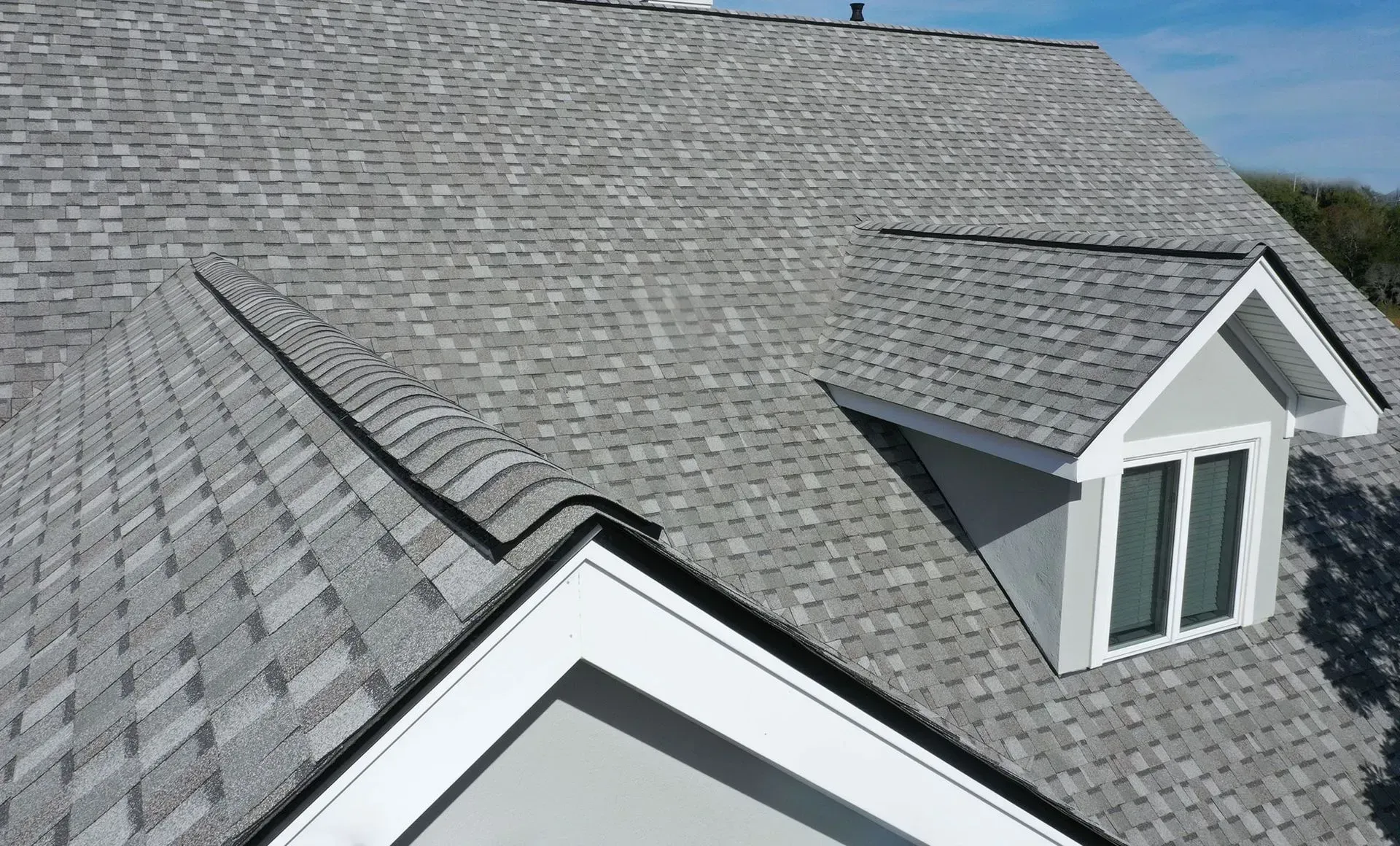
SHINGLE ROOFS DONE RIGHTAsphalt Shingle Roofingin Martinsburg, WV
Most asphalt roofs in Berkeley County do not fail because somebody bought a cheap shingle. They fail at the nail line, at the starter course, and at the eave. We are a Martinsburg company on Winchester Avenue, so the crew on your roof works in the county it lives in.
Leaking right now
Emergency response
We answer 24 hours. Tarped and stabilized before more gets inside.
Planning ahead
Free inspection
Written scope and photos so you know what the roof actually needs.
Request your free estimate
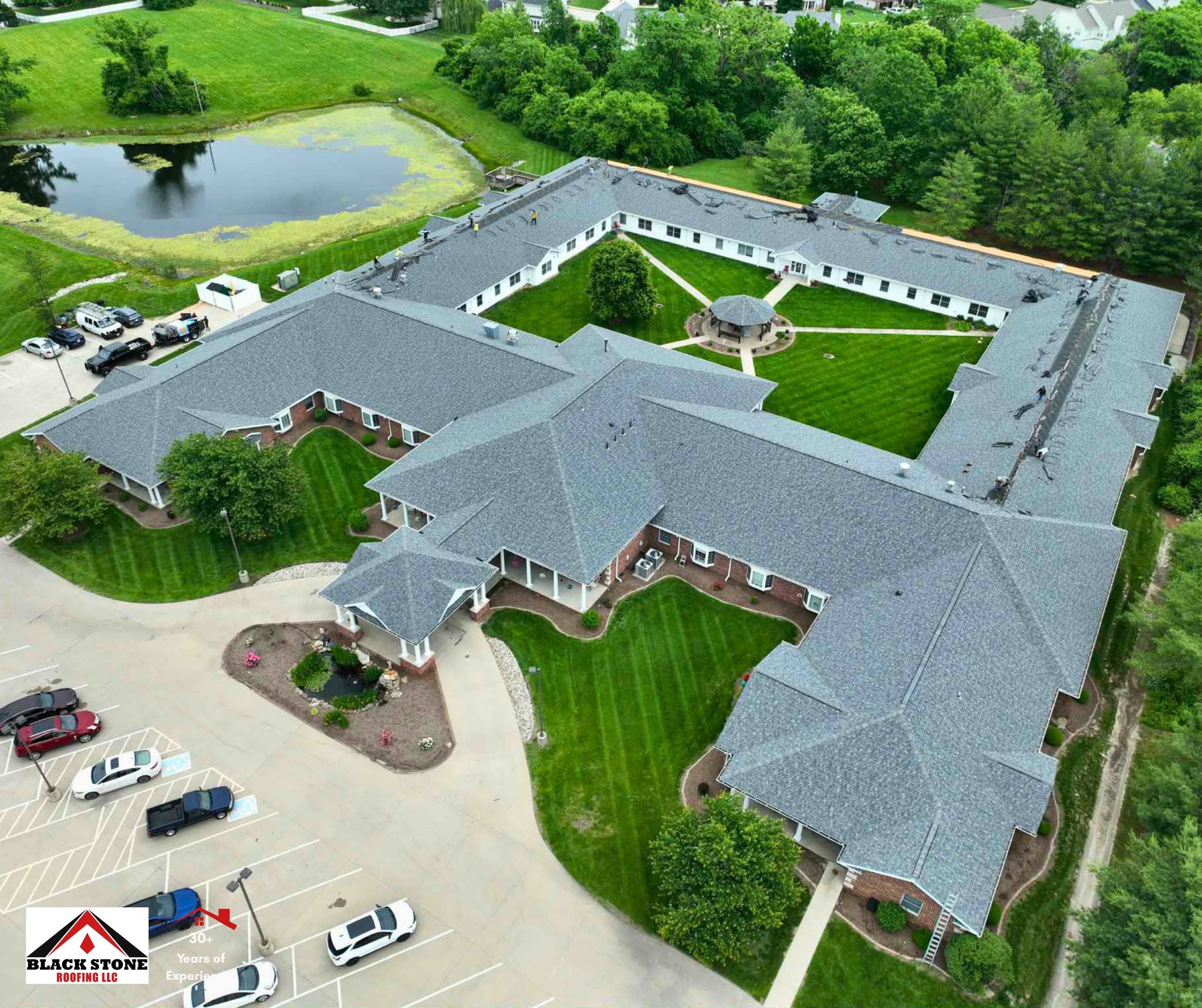
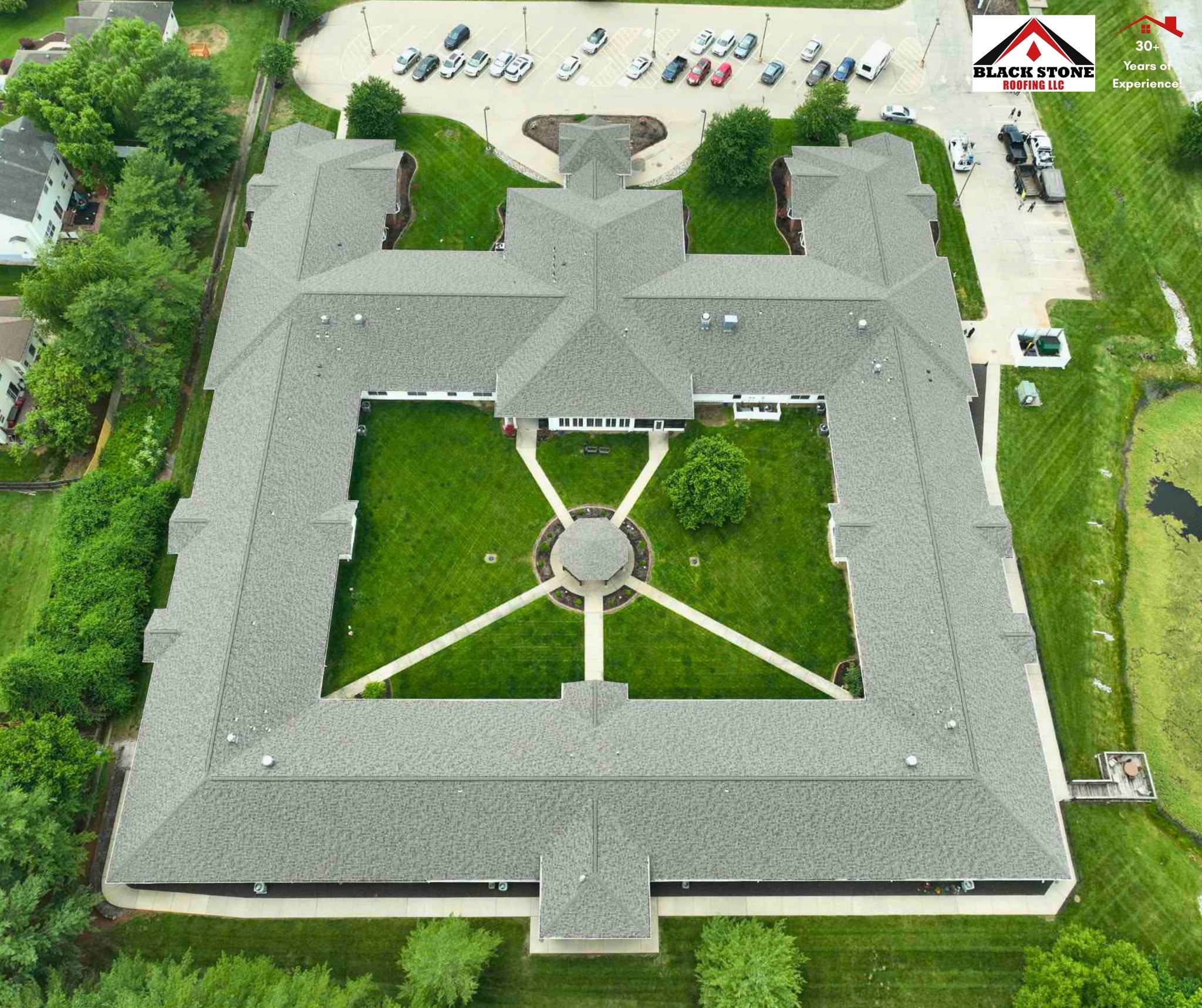
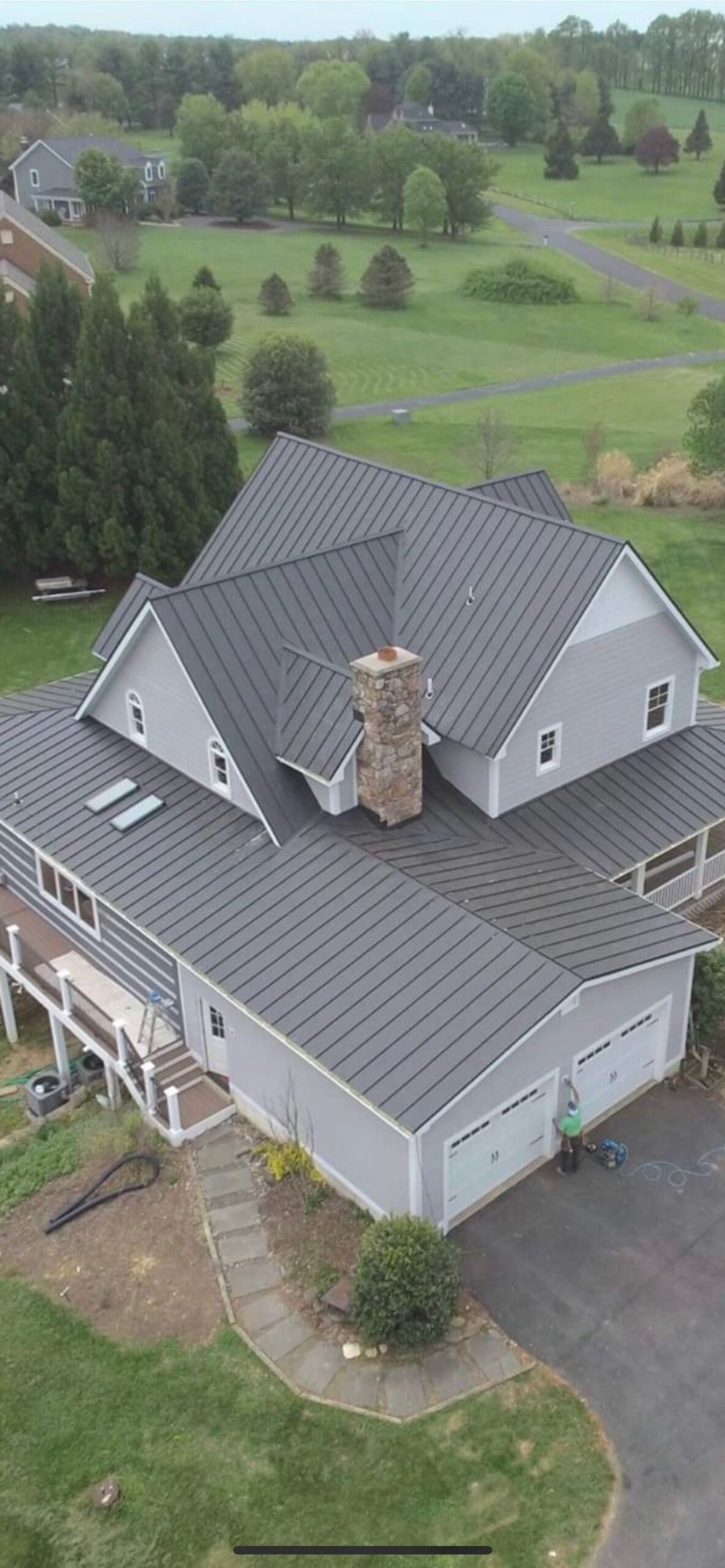
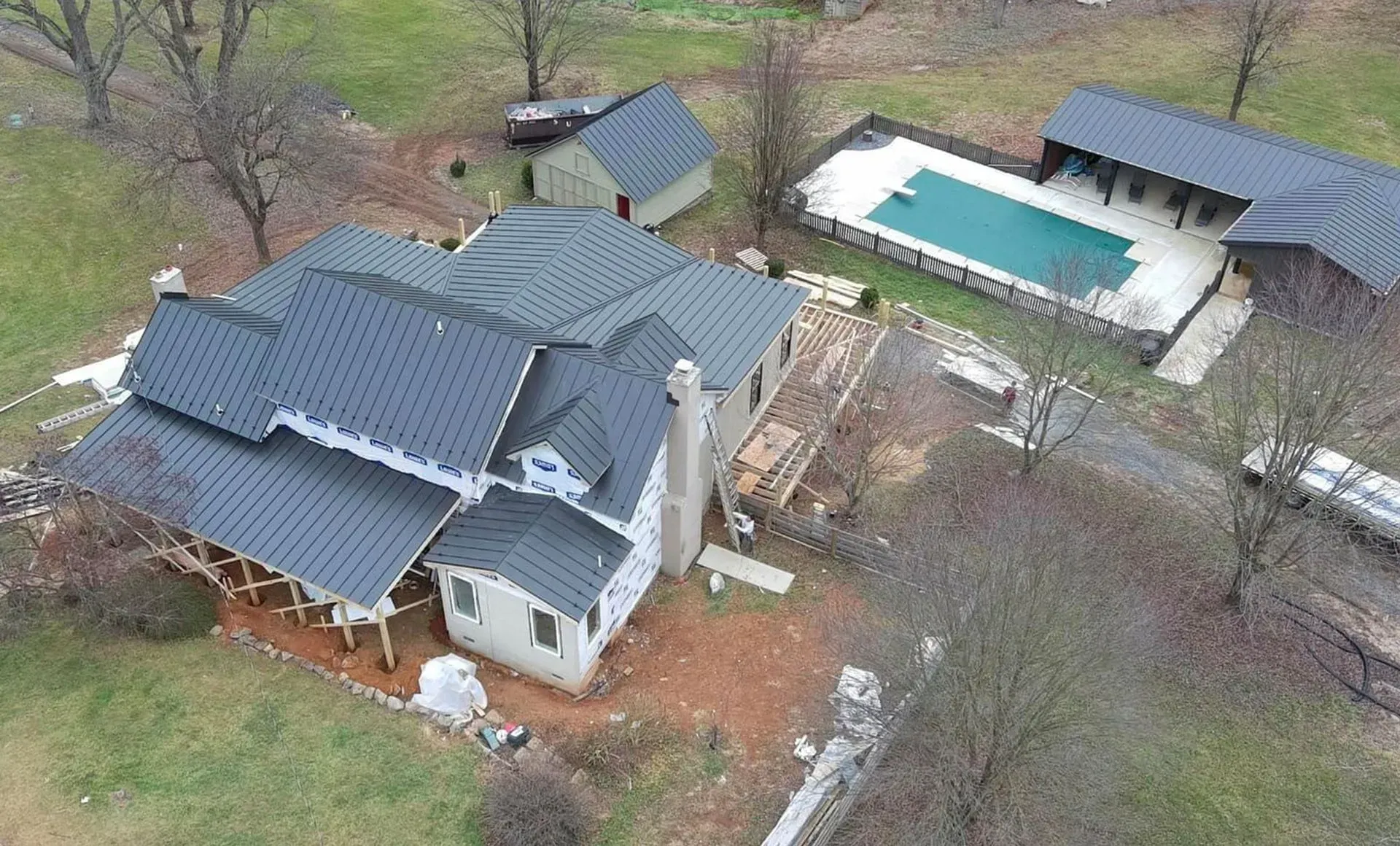
Shingle roofs and the jobs that sit next to them
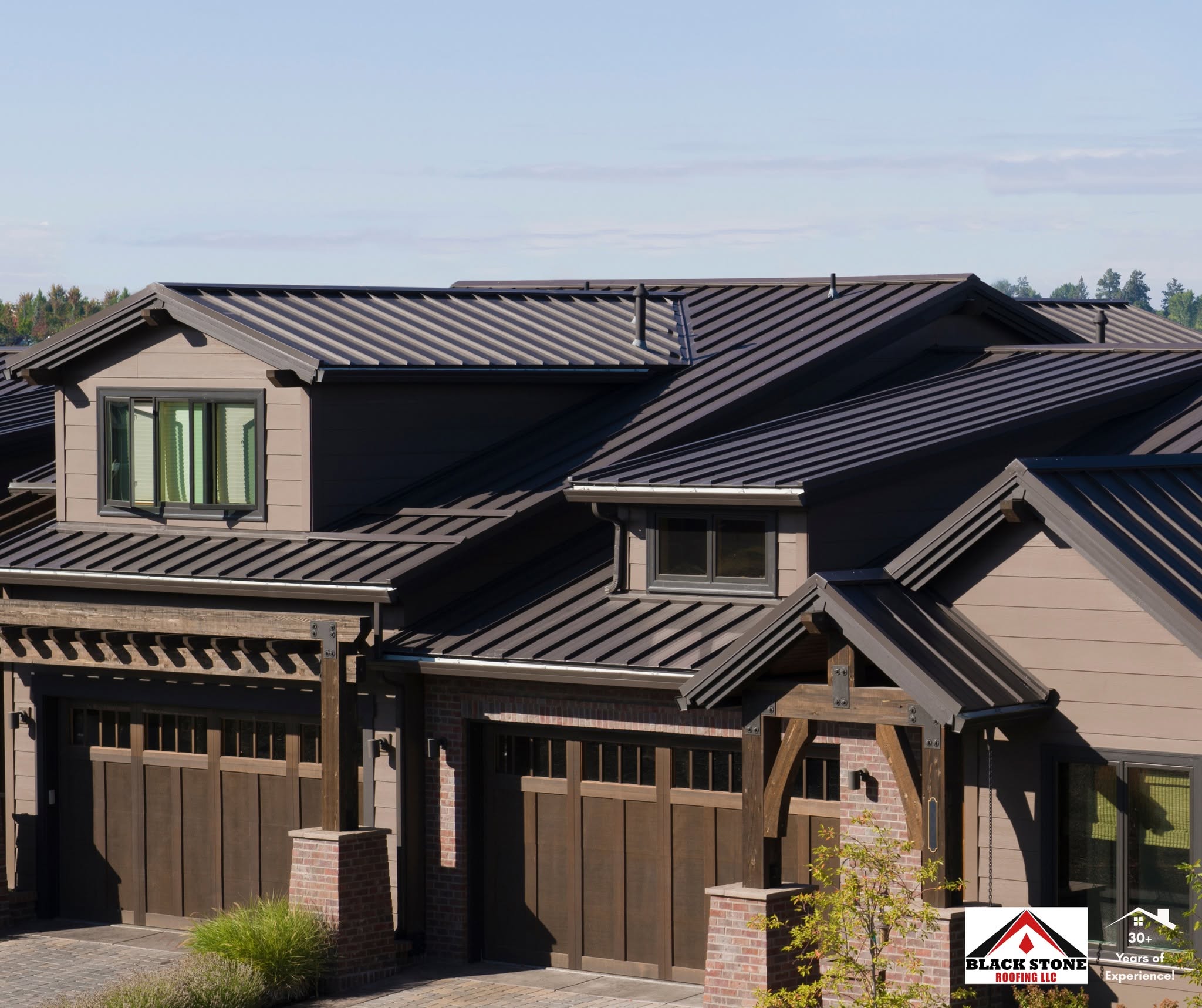
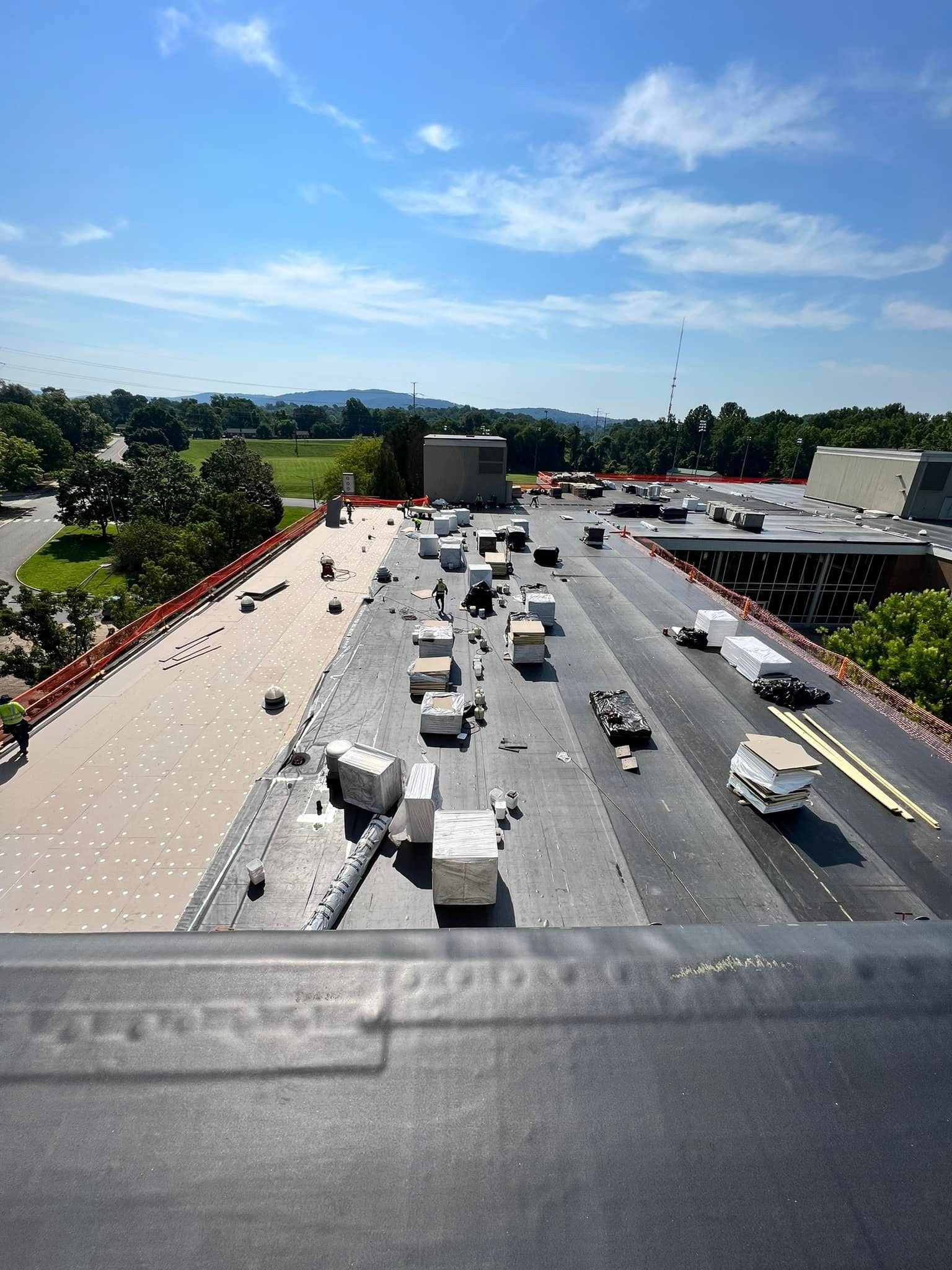
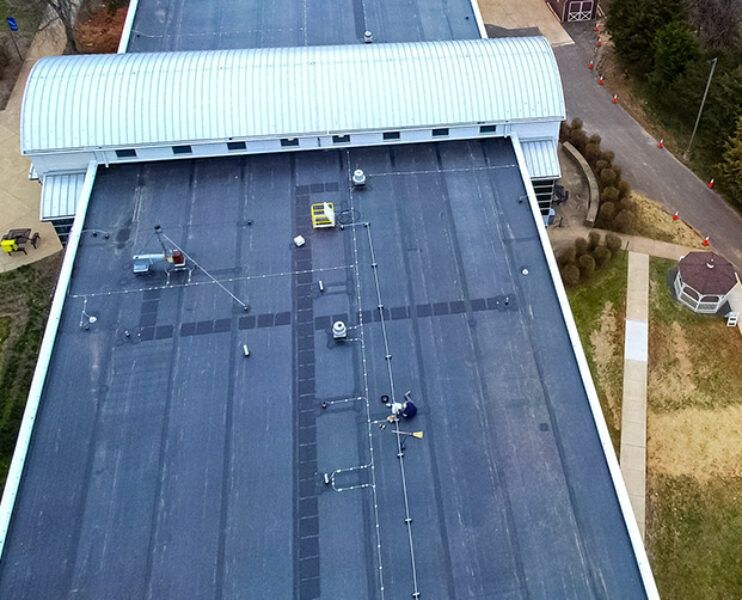
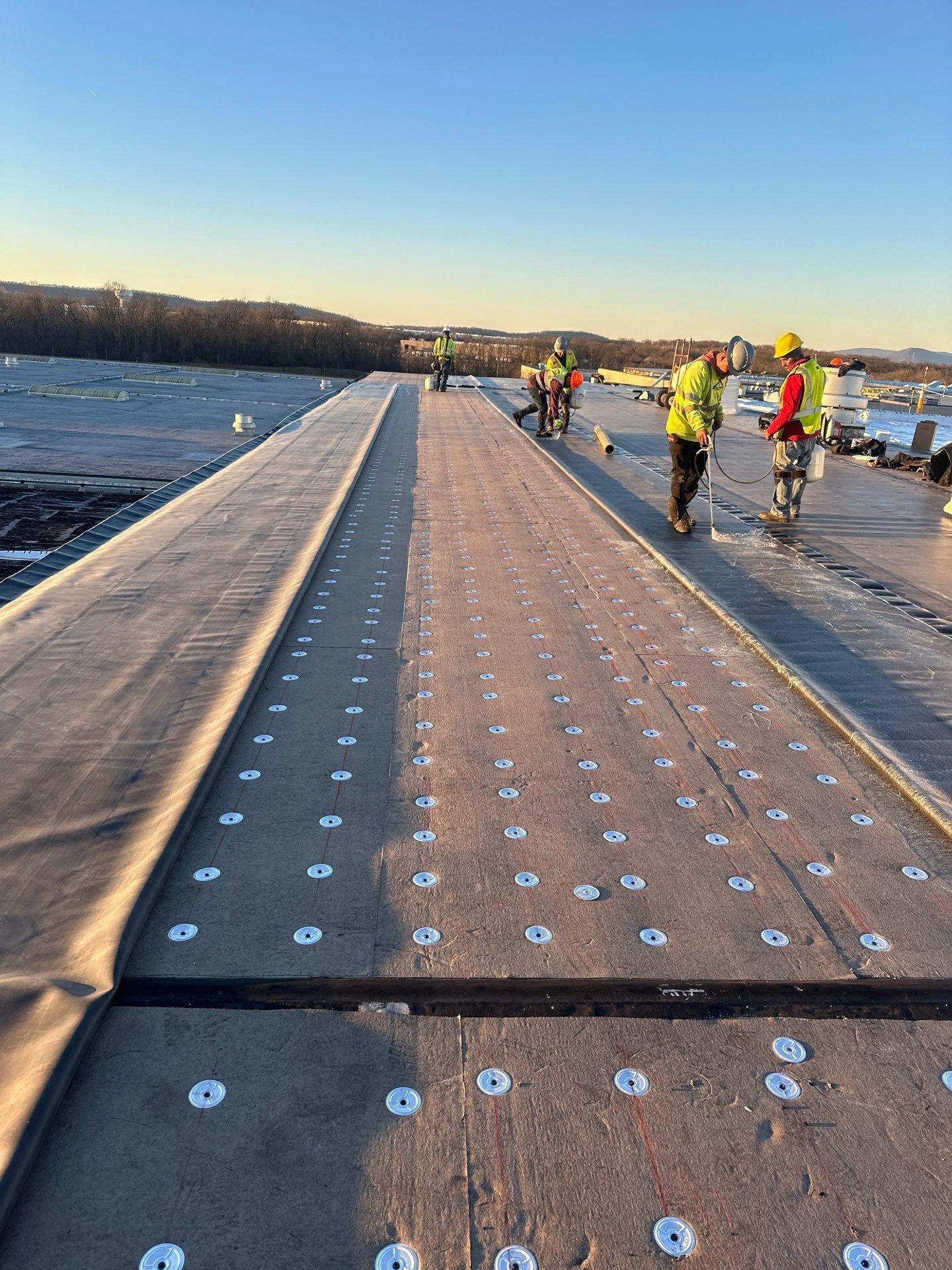
What is actually happening up there
Berkeley County’s median house was built in 1998, and almost a quarter of the county’s housing went up between 2000 and 2009. That whole cohort is somewhere between year 17 and year 26 right now, which is exactly the window where builder grade shingle quits. Here is what it looks like from the ground before it looks like a stain on your ceiling.
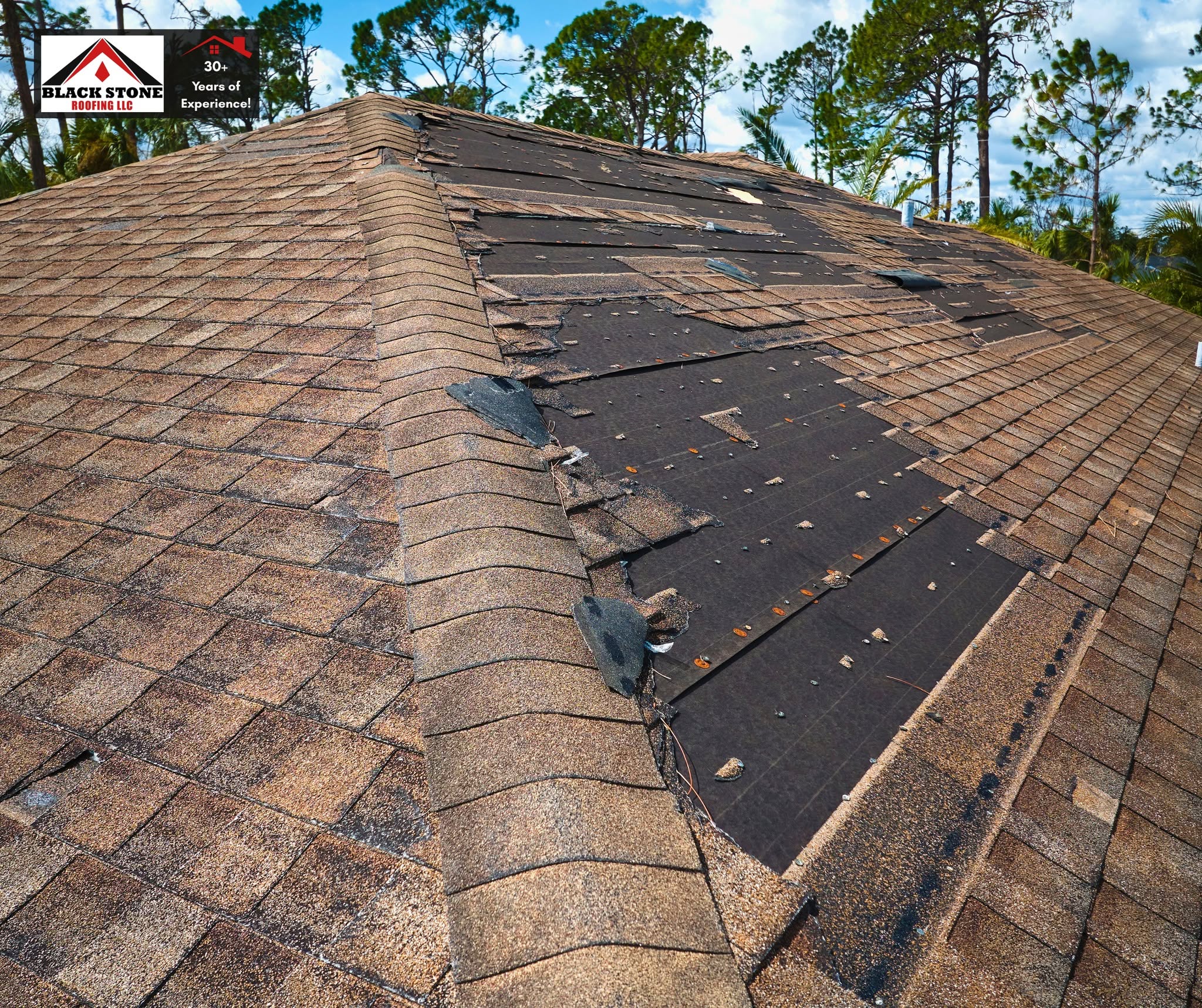
Shingles gone in a stripe, not a patch
That is the signature of a 3 tab roof losing wind. The cutouts are built in fracture lines. Wind gets under one tab, the course above loses the thing holding its leading edge, and the failure runs up the slope. Left alone, the next thunderstorm outflow takes the rest of that run and the underlayment is all that is between weather and your deck.
Granules piling in the gutter
Granules are the shingle’s sunscreen. Once the mat is bare, ultraviolet cooks the asphalt, the shingle goes brittle, and it stops sealing back down after every wind event. This is the roof telling you it is near the end of its service life, not that it needs a repair.
Bumps telegraphing through the courses
Usually an underdriven nail standing proud under the shingle above it. That head wears a hole through the shingle from the underside over a few winters. It is invisible until it is a leak, and it means the fastener work on the whole roof deserves a look.
A stain where the roof meets a wall
Step flashing, or the kickout that was never installed where the roof line dies into a wall. Water runs behind the siding instead of into the gutter, and it rots sheathing quietly for years. This is almost always a repair rather than a replacement, and we will say so on site.
An ice dam at the same eave every winter
Martinsburg averages a January low of 25 and a high of 41, so your roof crosses the freezing line most days all winter. A dam means warm air is leaking into the attic and melting snow that refreezes at the cold overhang. Ice barrier buys you time. Air sealing and ventilation are the actual fix.
Half your street getting roofs the same year
Spring Mills, Falling Waters, Inwood, and Bunker Hill went up in tight bursts, mostly under the same builder with the same shingle off the same truck. They age out together and they fail in the same storm. If three neighbors have replaced this season, get yours looked at before the next one.
Six steps, and you see the photos from every one
1. Free inspection with a photo report
We get on the roof and in the attic. You get pictures of nail placement where it is visible, the starter course, the drip edge, the boots and flashing, and whether your attic has any intake at all. If the answer is a repair, we tell you that.
2. A written scope that names the product
The scope names the shingle line specifically enough that you can look up its ASTM D3462, D7158, and D3161 classifications yourself. It lists underlayment, ice barrier coverage, starter, drip edge, and ventilation as line items. If a quote does not name the shingle line, it is not a quote yet.
3. Permits and protection
We pull what Berkeley County requires before anyone opens the roof. On the day, landscaping gets covered, the ground gets tarped, and magnets run the perimeter at the end of every shift, not just at the end of the job.
4. Tear off and an honest deck report
Everything comes off to the deck so we can see it. Soft sheathing, delaminated plywood, and the wide board gaps common on older Martinsburg houses all get photographed and priced before we cover them. You approve deck work before it happens.
5. The layers go on in order
Ice barrier, synthetic underlayment, purpose made starter at the eave and the rake, drip edge sequenced correctly at both. Each layer gets photographed before the next one hides it. That documentation is what protects you the day you file a warranty claim.
6. Field, ridge, and the walk
Six nails per laminate in the common bond area, gun pressure reset as the deck heats through the day, random shingles pulled to verify placement. Ridge and ventilation last. Then we walk the roof and the yard with you before the trailer leaves.
Every layer between weather and your ceiling
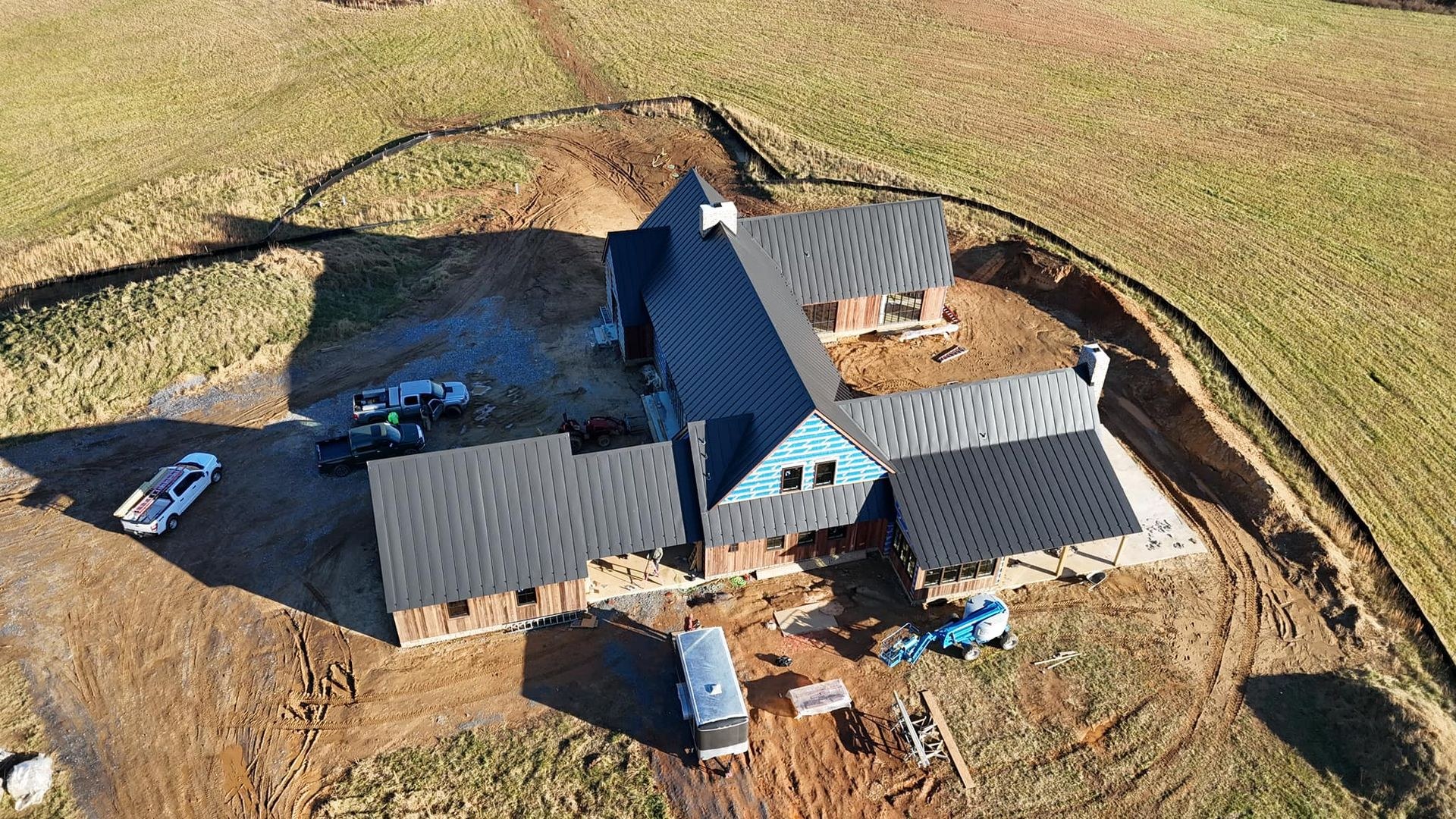
The sheathing your whole roof hangs on
Plywood or oriented strand board on most houses built since the 1970s, and plank decking on the older stock in town. Board gaps wider than half an inch will not hold a fastener, which is why we report the deck with photos instead of covering it and hoping.
Self adhering membrane at the cold edges
IRC R905.1.2 puts it from the lowest roof edge to at least 24 inches inside the exterior wall line, measured horizontally, not 24 inches up the slope. On a shallow pitch with a two foot overhang that is two or three courses of 36 inch membrane, not one strip at the gutter. It also belongs in valleys, at roof to wall junctions, behind chimneys, and at every penetration and skylight curb.
Synthetic, not felt
Felt wrinkles when it gets damp, telegraphs those wrinkles through the finished roof, and tears out in wind before the shingles ever go on. Slope decides the layer count. At 4:12 and above, one layer. Between 2:12 and under 4:12, two layers with a 19 inch head lap. Below 2:12, nothing asphalt goes there at all.
The cheapest material, the highest consequence
Purpose made starter puts an adhesive band right at the leading edge of the first course. Flipping a field shingle upside down instead moves that sealant to the top of the course, so your first row has zero adhesion in the highest uplift zone on the roof. Drip edge follows IRC R905.2.8.5, a 2 inch flange fastened 12 inches on center, under the underlayment at the eave and over it at the rake. Reverse it at the eave and every drop dumps behind the fascia instead of into the gutter.
Three products, three honest service lives
3 tab realistically gives 15 to 20 years here and belongs on a detached garage. Architectural laminate is two bonded layers with no cutouts, heavier per square, higher wind classification, and a realistic 25 to 30 years. Impact rated Class 4 under UL 2218 is usually SBS modified so the mat deforms instead of shattering. It is not hail proof and we will not sell it that way.
Where roofs are actually won and lost
The difference between twenty eight years and twelve is decided inside a two inch band on the back of every shingle. A nail in the common bond area holds the whole shingle. A nail an inch high holds the top lamination only, and it looks perfect from your driveway until a 50 mph gust rotates the shingle off a fastener that never moved. Four nails is code minimum. Six is what manufacturers require for enhanced wind coverage on essentially every laminate on the market. We run six.
The clause your warranty actually turns on
Every manufacturer limited warranty on the market conditions coverage on attic ventilation, and the manufacturer reads that clause carefully the day you file. Exhaust at the ridge is only half of it. Without matching intake at the soffit, the ridge vent pulls conditioned air out of the house instead of moisture out of the attic. The intake math is covered in depth on our residential roofing page.
Why homeowners here call us
A Martinsburg address, not a map pin
1886 Winchester Ave, Martinsburg, WV 25405. We are in Berkeley County because we work Berkeley County. Some of the companies bidding your roof are running a location page from another state.
Licensed in five states
VA, WV, MD, PA, FL. Licensed, bonded, and insured. West Virginia requires the license number in advertising and posted at the job site, so ask us for ours, then check it against the sign in the yard and the state licensing lookup.
Family owned since 2016
Same family, same phone number, fifty ratings on Google averaging 4.9. You can read them on our reviews page.
Open 24 hours, seven days a week
Call (540) 550-9703 at any hour. Water coming through a ceiling right now is emergency roof repair and it moves to the front of the line.
The rest of what we do on a Berkeley County roof
Roof Replacement
The whole job, day by day. Decking inspection, the honest answer on rot, the code items triggered at tear off, and permits.
Residential Roofing
The whole residential system, including attic air sealing, ventilation, and the intake math an ice dam actually turns on.
Residential Metal Roofing
Standing seam versus exposed fastener, the screw cycle nobody discloses, and snow retention as a safety item.
Specialty Roofing
Slate, synthetic slate, cedar, tile, and the low slope porch and addition sections where shingles were never rated to go.
Roof Repair
Pipe boots, step flashing, the missing kickout, and the chimney cricket that was never there. Most leaks are a repair.
Roof Inspection
A free photo report on nail placement, starter course, drip edge, boots, flashing, and whether your attic has any intake.
Storm Damage Roof Repair
Wind and hail damage documented the way an adjuster needs to see it, with photos taken before anything gets covered up.
Roof Insurance Claims
What your carrier actually needs, what a supplement is, and the cancellation window West Virginia gives you on a denied claim.
Emergency Roof Repair
Water coming through a ceiling right now moves to the front of the line, any hour, seven days a week.
Gutter Installation
The gutter apron is the same detail as the drip edge, which is why gutters and roofs should be one crew.
Where we shingle
Do not see your town? We work the whole corridor, so ask or call (540) 550-9703.
What people ask us on the driveway

- Where is Black Stone Roofing located?
Our office is at 1886 Winchester Ave, Martinsburg, WV 25405. We are a Berkeley County business, so the trucks start the day here rather than driving in from another state. We are licensed in West Virginia, Virginia, Maryland, Pennsylvania, and Florida, and we also run the Route 11 corridor south into Virginia and east toward Washington County, Maryland. Someone answers the phone at any hour.
- How long will an asphalt shingle roof last in Martinsburg?
A 3 tab realistically gives you 15 to 20 years here and an architectural laminate 25 to 30. The number on the wrapper is longer than both. What actually decides it is attic ventilation, the fastener pattern, and how many 60 mph gusts the roof takes. Berkeley County housing built in the 2000s is hitting the end of that first window right now, which is why so many roofs on your street are going at once.
- Is an architectural shingle worth it over 3 tab?
On a house you plan to keep, yes. A 3 tab has cutouts, and cutouts are built in fracture lines. Wind lifts one tab, the course above loses what was holding its leading edge, and the failure runs up the slope in a stripe. A laminate has no cutouts, it is heavier, and it carries a higher wind classification. The one case where 3 tab still makes sense is a detached garage.
- Are impact resistant shingles worth it in Berkeley County?
Sometimes. A Class 4 shingle under UL 2218 is usually SBS modified, so the mat deforms under a hail strike instead of fracturing. It is not hail proof. It raises the stone size and speed it takes to break the mat. Twenty seven hail events have been recorded in this county in ten years and most of them were right at an inch. Ask your agent whether your carrier discounts the premium for a Class 4 roof, because many do and that answer moves the math more than the shingle does.
- Can you install shingles in the winter?
Yes, with one honest caveat. Shingles seal with heat, and below roughly 40 to 50 degrees they will not thermally seal on their own. Martinsburg averages a January low of 25 and a high of 41, so a roof laid in February may not fully seal until spring. We hand seal it with quarter sized dabs of cement under the leading edge, four per shingle, and we tell you that before you sign rather than after the first windy night.
- What voids a shingle warranty?
The two that catch most people are ventilation and fastener placement. Every manufacturer limited warranty on the market conditions coverage on attic ventilation, and the manufacturer reads that clause carefully the day you file. Nails driven above the common bond area, overdriven nails, and fewer fasteners than the wind rating requires are the others. All of it is install work, which is why who puts the roof on matters more than which shingle you pick.
- Can you shingle over my existing roof instead of tearing it off?
Sometimes it is allowed and it is almost never the right call. You cannot inspect a deck you cannot see, the second layer runs hotter and ages faster, and every nail now has to reach through an extra layer to get its bite in the sheathing. We will tell you on site whether your roof even qualifies. The layer limits and the code items triggered at tear off are covered on our roof replacement page.
Find out what your shingles are actually doing
A free roof inspection gets you a photo report: nail placement where we can see it, the condition of the starter course and drip edge, boot and flashing condition, and whether your attic has any intake at all. No cost, and no pressure to buy a roof you do not need.