Home/Exterior Services/Gutter Installation
BERKELEY COUNTY, WEST VIRGINIAGutter Installation in Martinsburg, WV
Seamless gutter formed on site, sized to the roof area that actually drains into it, hung on screwed hidden hangers, and finished with a gutter apron so the water lands in the trough instead of behind it. We are a Martinsburg company on Winchester Avenue, and Berkeley County eaves are what our crews work on every day.
Leaking right now
Emergency response
We answer 24 hours. Tarped and stabilized before more gets inside.
Planning ahead
Free inspection
Written scope and photos so you know what the roof and the eave actually need.
Request your free estimate
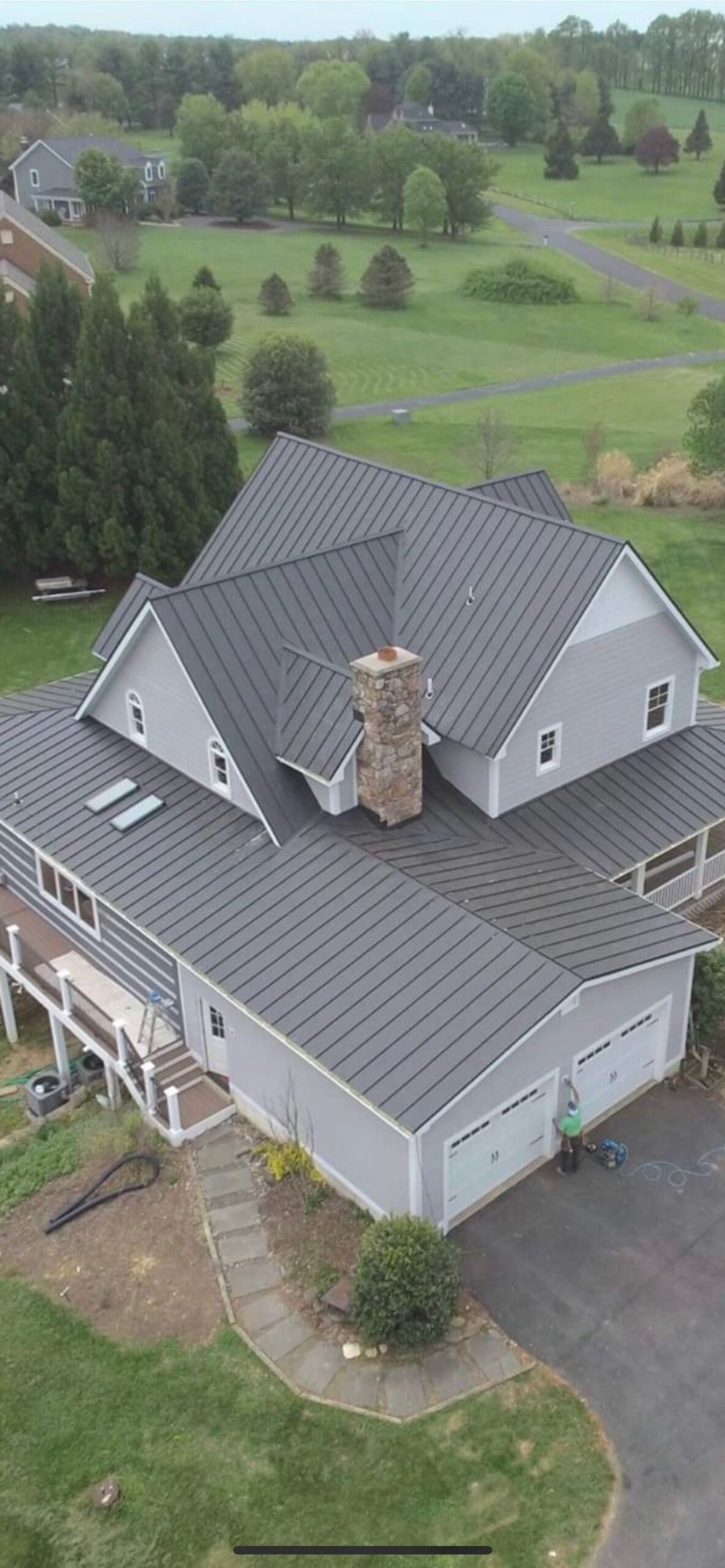
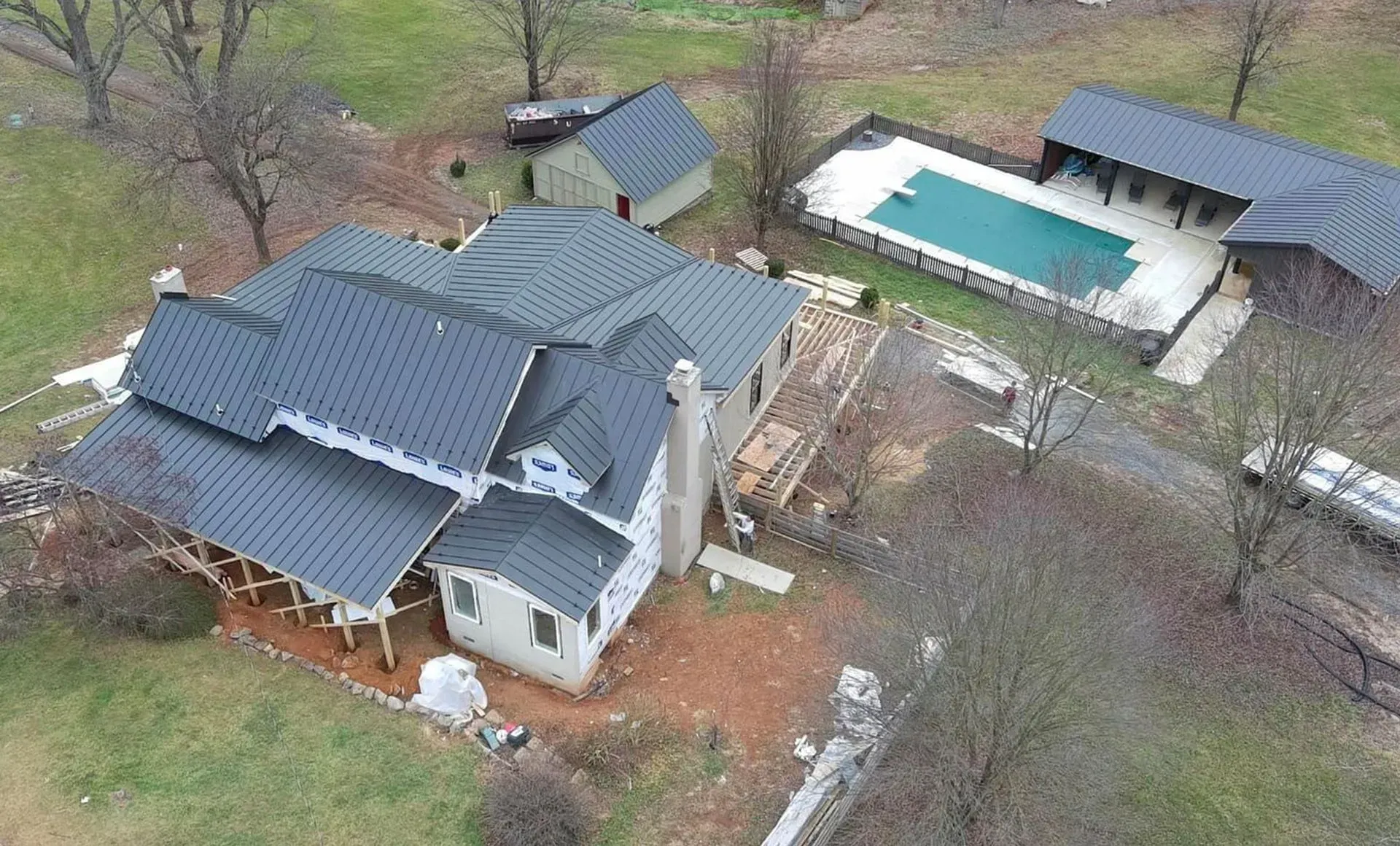
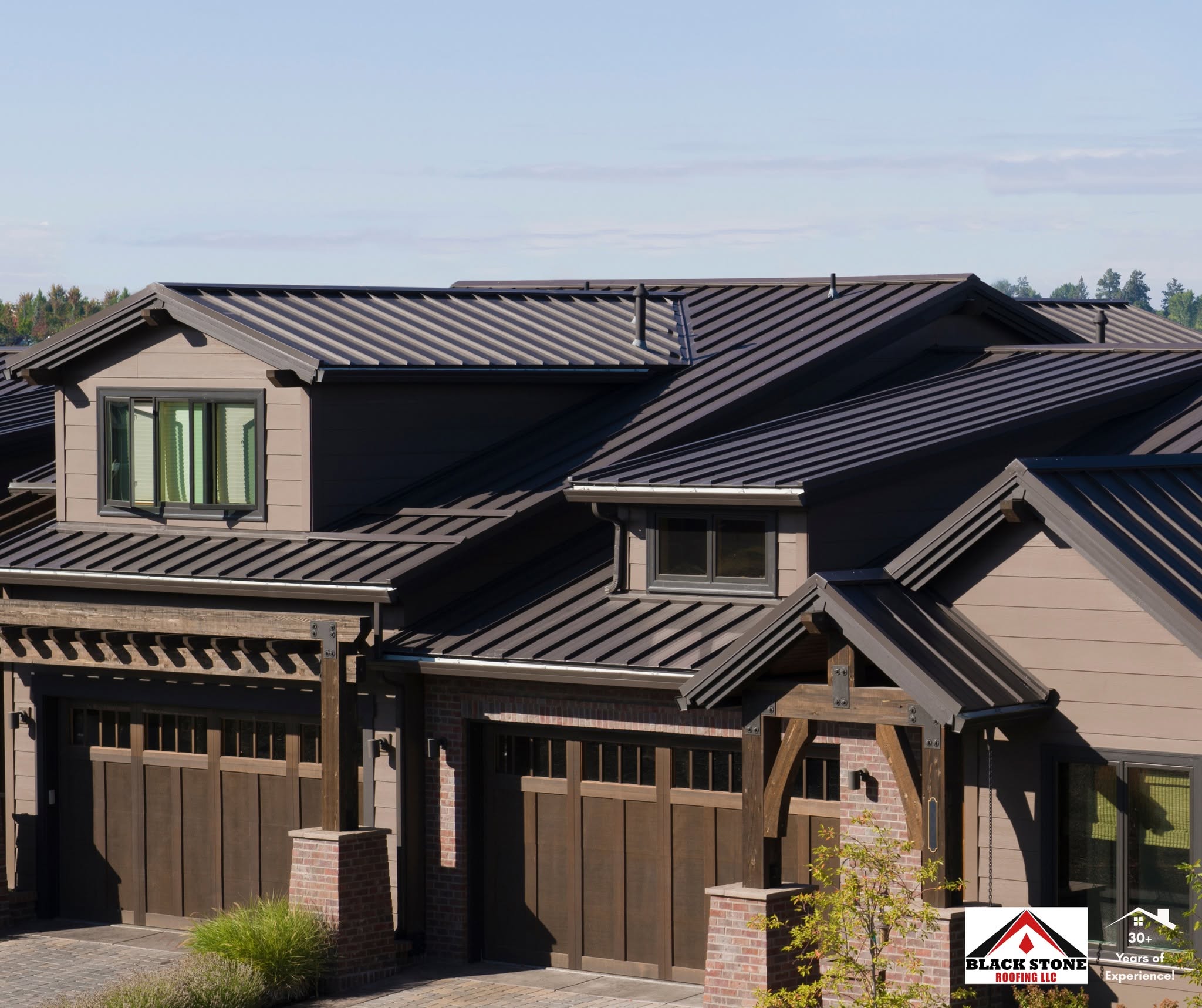
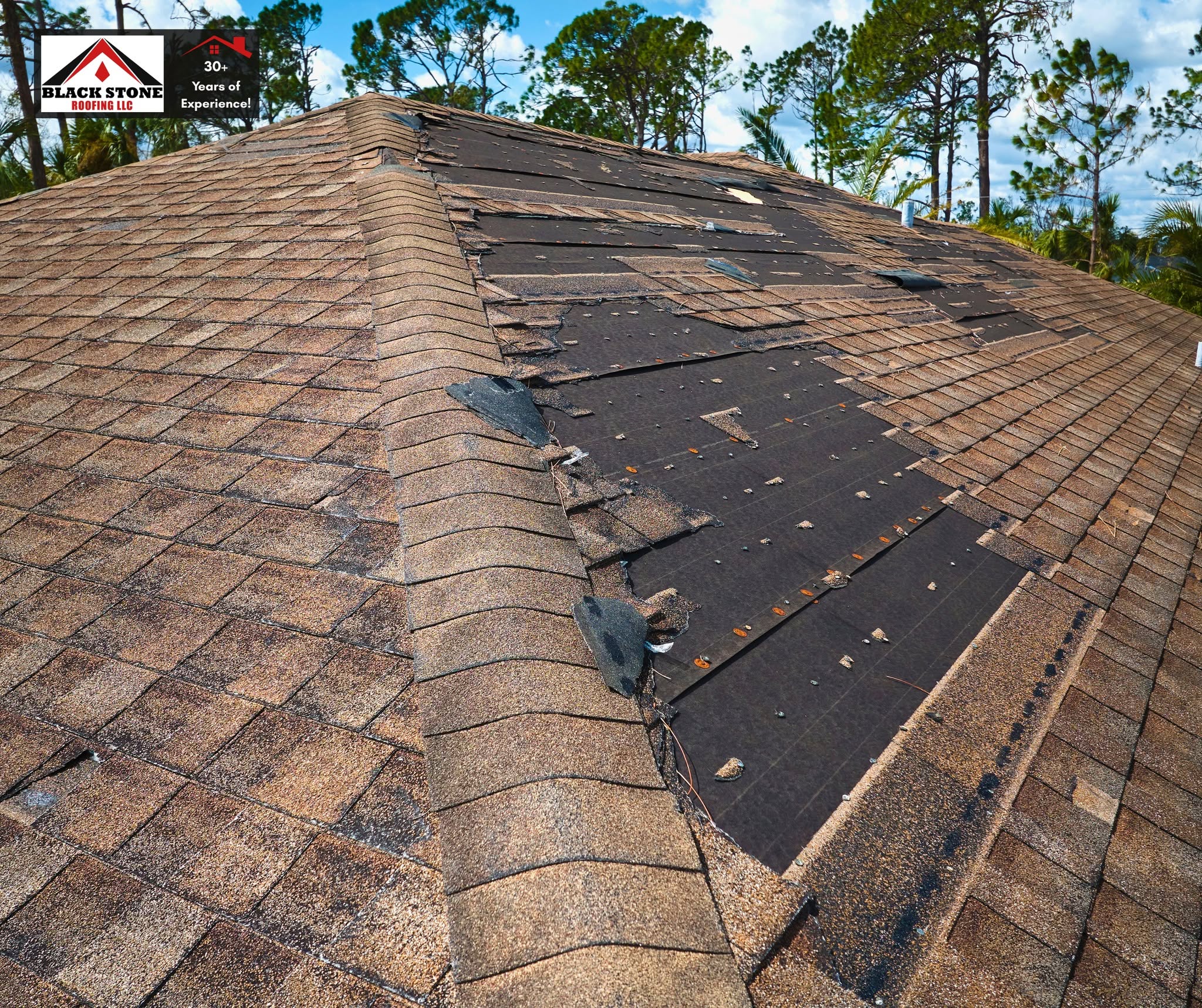
Roof edge and gutter work around Martinsburg

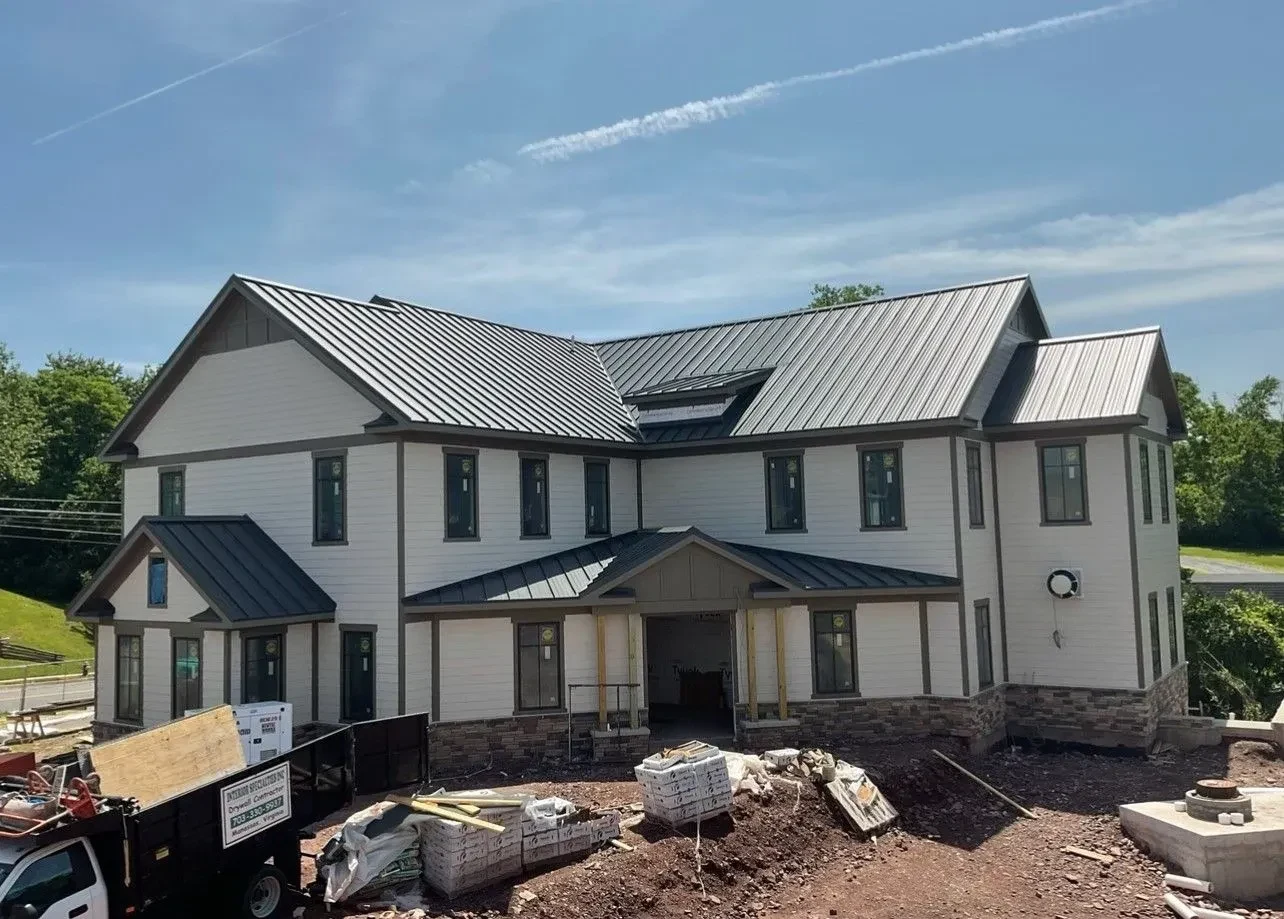
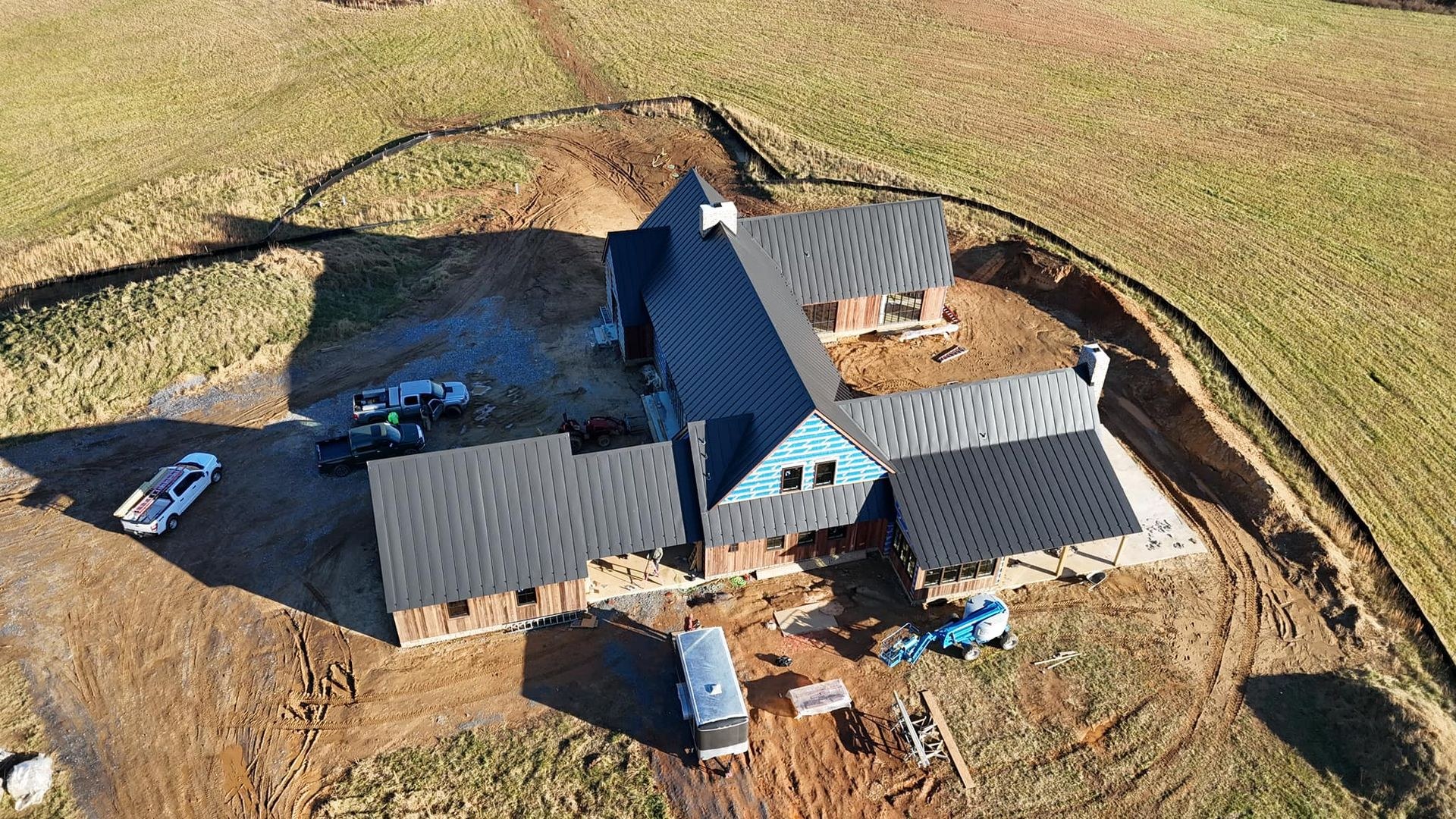
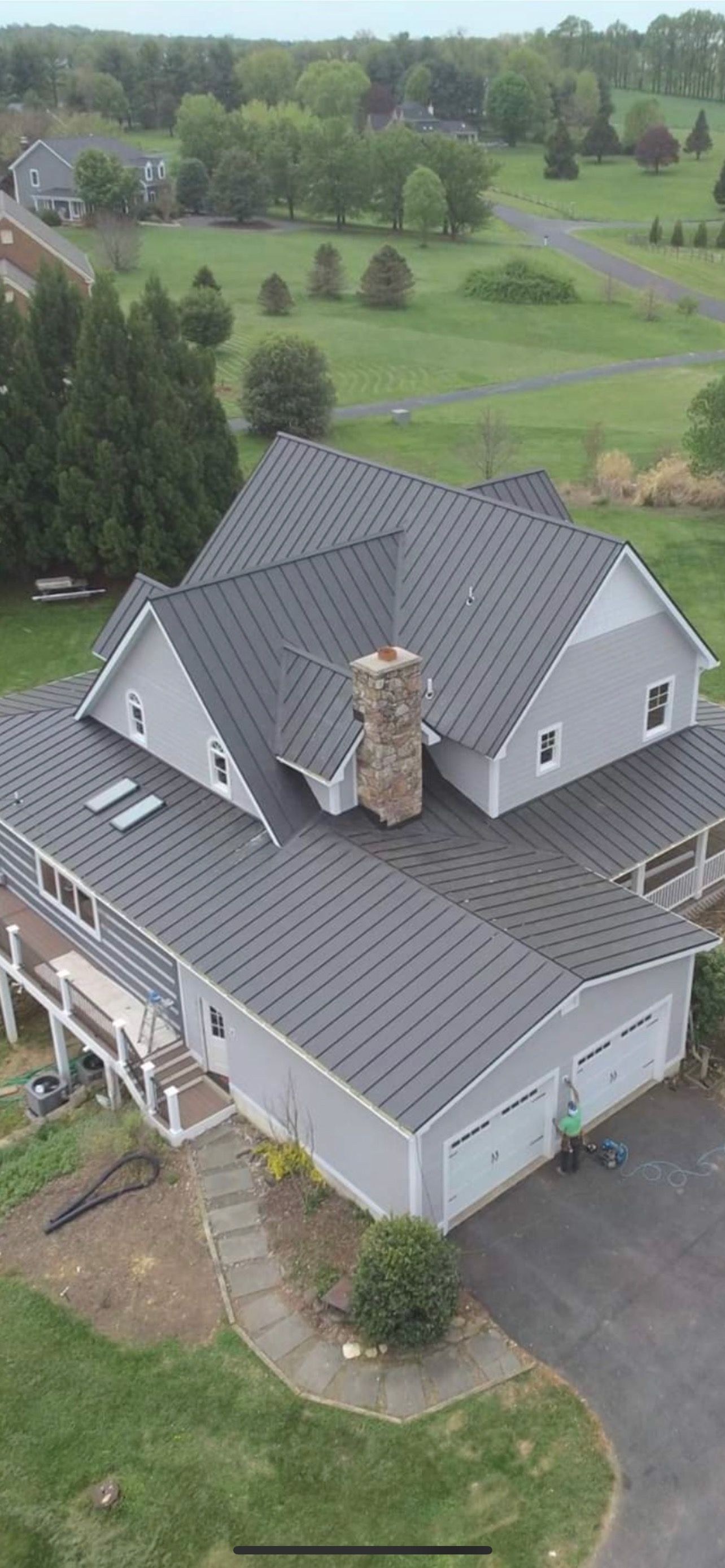

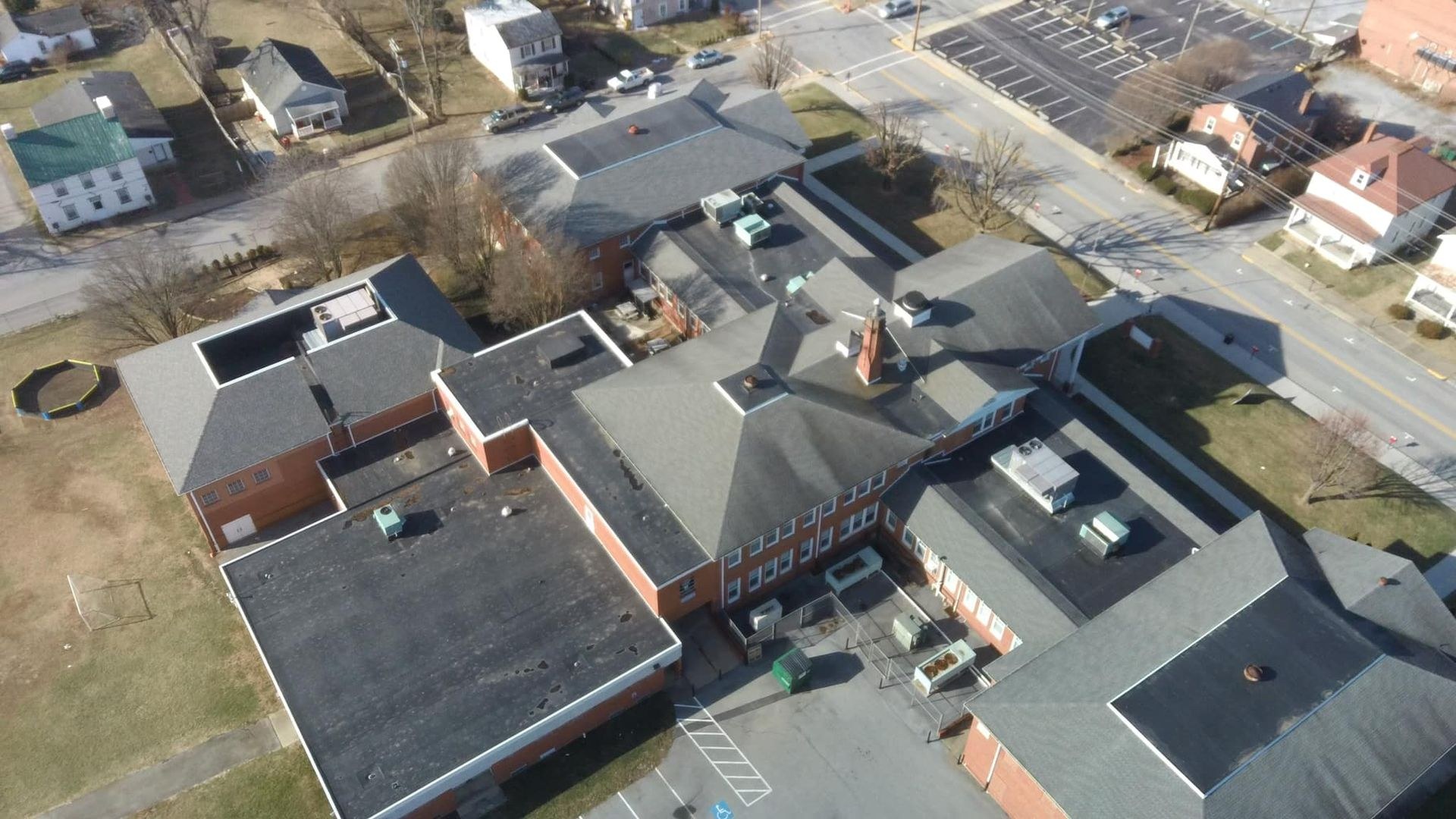
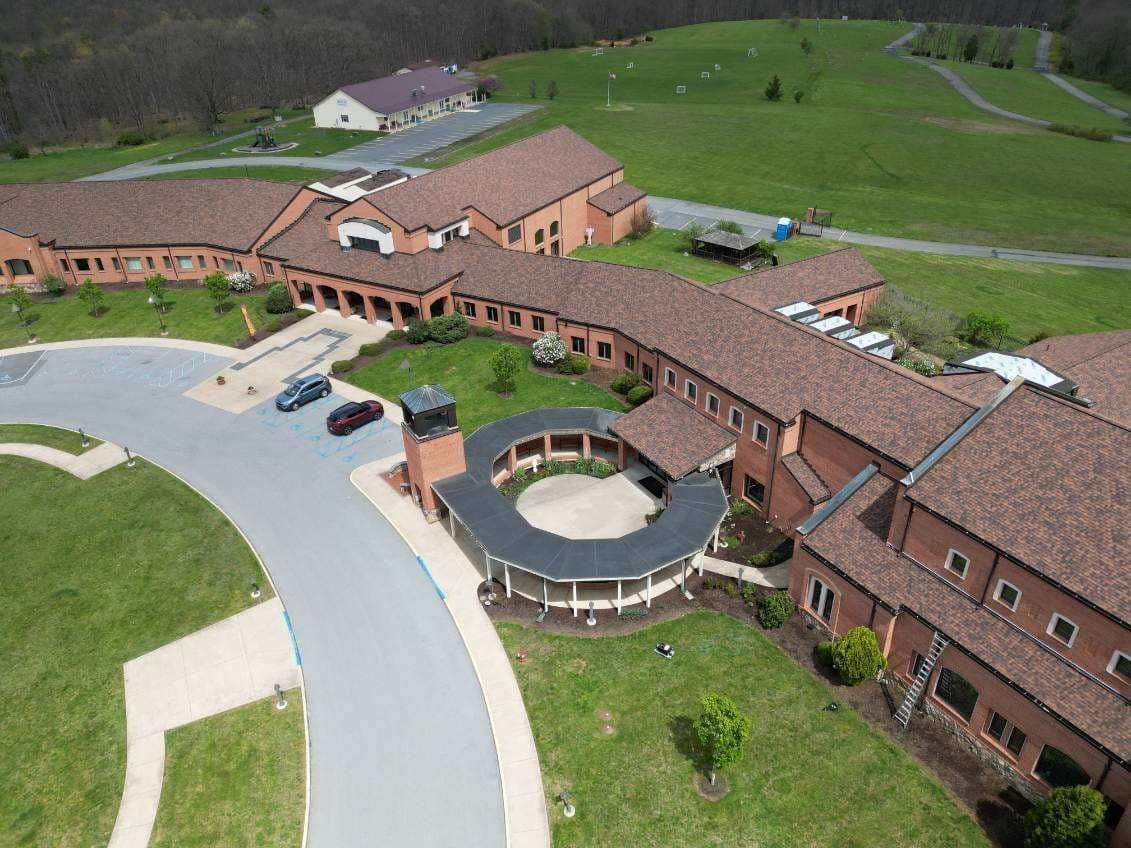
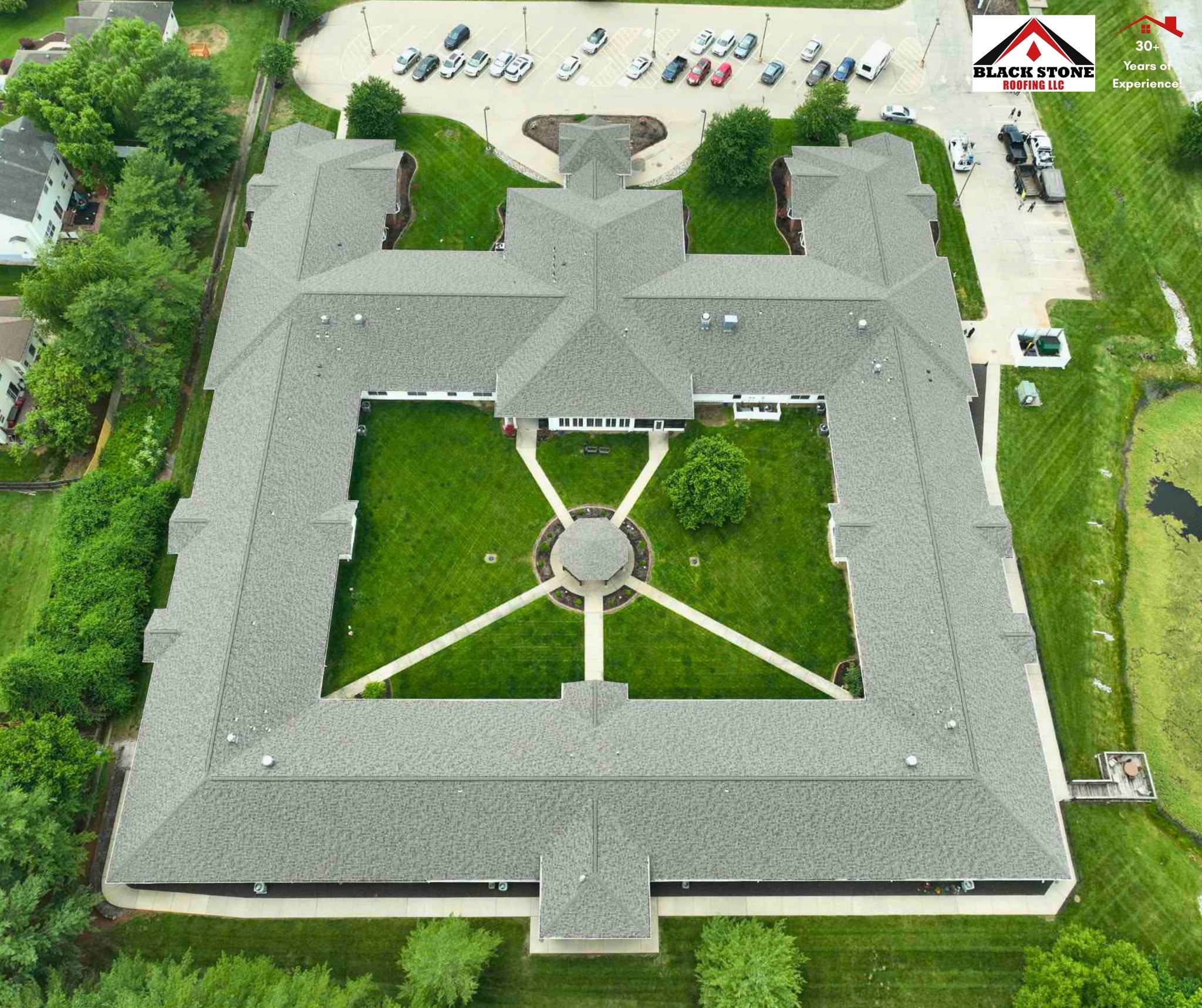
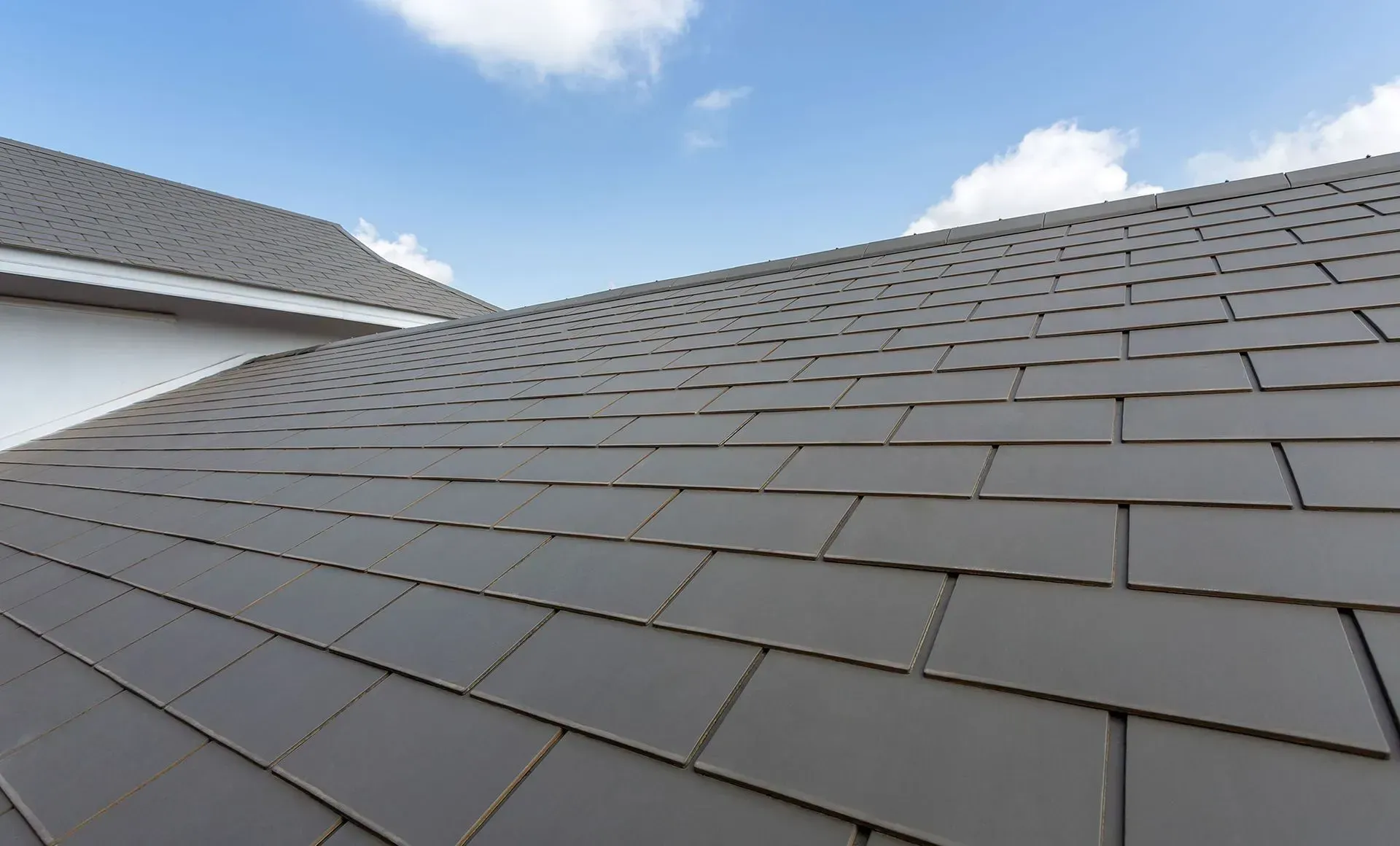
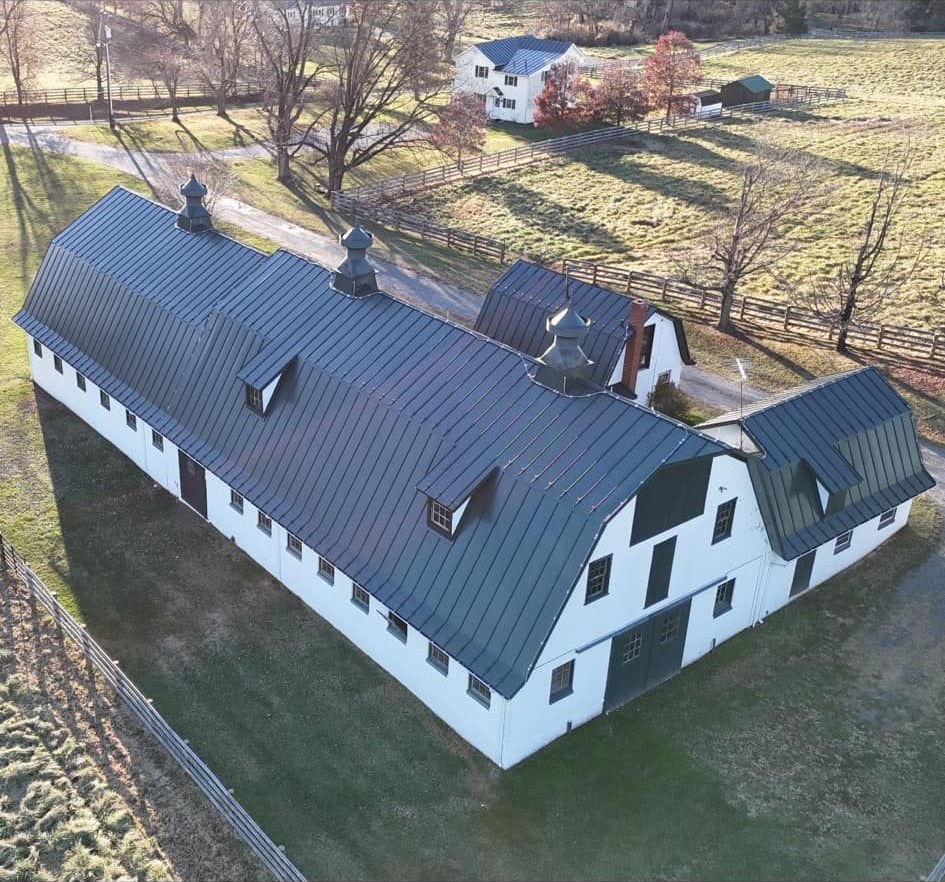
A roof sheds water. It does not manage it.
Everything that falls on two thousand square feet of slope arrives at the eave in a line as long as your house. What happens in the next four feet decides whether that water ends up in the yard or in your fascia, your sheathing edge, your sill plate, and eventually your basement. Martinsburg makes that interesting, because the city is two housing markets sharing a ZIP code. Nearly 29 percent of the stock predates 1939, with deep cornices, steep Victorian pitches, and fascia made of real dimensional lumber worth saving. The county median build year is 1998, and the subdivision belt through Spring Mills, Falling Waters, Inwood, and Bunker Hill wears the same undersized system street after street. Here is what the symptoms mean.
It pours over the front lip at one end
That is almost never a gutter that is too small. It is an outlet that is too small or too far away, so the far end of the run backs up in any real storm. The water lands at the foundation instead of ten feet out, which is how a dry basement stops being dry.
The fascia is soft but the gutter is dry
Water clings to the shingle edge, wraps around the drip edge, and runs down the back of the gutter onto the fascia and the exposed sheathing edge. There is no gutter apron interrupting it. Nobody sees anything for years, and by the time the board gives, the repair is carpentry rather than gutter work.
The run sags in the middle
Spike and ferrule hangers are seven inch nails through the front lip. January here averages a low of 25 and a high of 41, so the fascia crosses the freezing line most days all winter and every cycle walks the nail out a little further. Once the lip rolls forward, the trough stops carrying and starts spilling.
Water stands in the trough all summer
The pitch is wrong or the run has a low spot from settling. Standing water means grit, mosquitoes, and steady weight sitting on hangers that were spaced for a dry gutter. It also tells you the outlet is not at the low point of the layout.
Sludge collects at the low end
Granules wash off an aging shingle roof, pass through most guards, and settle into a paste that chokes the outlet. That is a signal about the age of the roof as much as the condition of the gutter, and it is worth a look at both before you spend money on either.
Ice packs the trough every winter
A forty foot run of six inch gutter packed solid holds a few hundred pounds, hanging off nothing but fasteners and the board behind them. In the 2016 storm, Glengary recorded 42 inches and the Martinsburg area took more than three feet. Undersized fasteners are why gutters come off houses here.
Designed on paper before anything gets formed
We measure drainage area, not frontage
The number that matters is how much roof feeds each particular run, measured as horizontal projection and then adjusted for pitch, because a steep slope delivers water faster. A long ranch and a compact two story with four valleys can carry identical gutter footage and need completely different systems.
We lay out outlets and high points
Outlet count and placement, and where the high point sits on a long run, are decided before a coil goes on the roll former. Downspouts go where the water is concentrating rather than where they are easiest to hide.
You get a written estimate first
Footage, gutter size, thickness, outlet count, miter count, fascia repair if any, and guards if you want them, listed line by line. You can ask why a downspout is where it is before anything is ordered. We do not quote gutters over the phone.
The gutter is formed on site
We run it off a coil at the house, so the only joints in the whole system are inside miters, outside miters, and end caps. Sectional gutter out of a box store has a lap every ten feet and every lap is a future leak with sealant as the only thing holding it.
We hang it and finish the eave detail
Hidden hangers clip inside the trough and take a screw into the fascia, standard spacing twenty four inches on center and tighter on eaves that carry ice. Gutter apron goes in at the same time, because the apron has to lap over the back of the gutter to do anything.
We run water through it and walk it with you
Downspouts get tied to their discharge, the run gets tested, and you see where every outlet landed and why. If the roof and the gutters were done together, you see the drip edge and apron detail too.
The layers, and what each one is doing
L shaped metal onto the deck under the shingles
It extends out over the back edge of the gutter so water is physically handed into the trough with nowhere else to go. A missing apron is the most common cause of gutter related roof damage we find in Berkeley County, and on a low pitch eave it is not optional in any real sense.
Five inch or six inch K style, or half round
Five inch handles most homes here. Six inch carries more water and, more importantly, accepts a bigger outlet. On the pre 1939 stock downtown, half round on brackets suits the cornice and the historic district, which we cover on our specialty roofing page.
.032 rather than builder standard .027
The thinner coil dents if somebody leans a ladder on it. The heavier gauge holds its shape against ladders, ice load, and whoever cleans your gutters. On a house that sees a real Panhandle winter, that difference shows up within a few seasons.
Screwed hidden hangers inside the trough
A screw does not back out of a fascia board that freezes and thaws all winter the way a spike does. Spacing tightens on eaves that carry ice, because the entire loaded weight of a packed gutter hangs from these and the wood behind them.
Three by four where the flow justifies it
A two by three downspout has six square inches of cross section. A three by four has twelve, which is exactly double. We work to an outlet every thirty to forty feet at the outside. May is the wettest month in this county at roughly three and a half inches, and none of it falls evenly.
About a quarter inch of fall per ten feet
Enough to move water and grit, not so much that the gutter runs visibly downhill against a level fascia. A forty foot run pitched to one end sits an inch low at the far end and you see it from the street, so a long run gets a high point in the middle and falls both ways to an outlet at each end.
Worth it under trees, oversold everywhere else
Micro mesh over a correctly sized and pitched gutter turns an annual cleanout into a brush off, and there is plenty of tree cover in this county. It will not keep shingle granules out, reverse curve designs can shed water over the nose in a hard downpour, and no guard prevents an ice dam.
Why homeowners here have us do the gutters
Licensed in five states
VA, WV, MD, PA, FL. Licensed, bonded, and insured, with our West Virginia contractor license number in our advertising and posted at the job site. Ask every contractor who knocks on your door for theirs.
Based in Martinsburg
1886 Winchester Ave, Martinsburg, WV 25405. Berkeley County is where we are, not a market we drive into, and the crew that hangs your gutter knows what the eaves look like on your street.
The roofer and the gutter crew are the same people
Drip edge, gutter apron, kickout, and fascia are one detail set. When two companies split them, each one blames the other and the water keeps coming in. We do not have that seam.
Family owned since 2016, answered 24 hours
Open 24 hours, seven days a week, and rated 4.9 stars across 50 Google reviews. A gutter problem shows itself while the water is still running, which is the useful moment to reach a contractor.
The rest of the water management system
Gutter Repair
Sagging runs, leaking miters, pulled spikes, and fascia rot behind the gutter on a system worth keeping.
Roof Replacement
The right time to get the drip edge, the gutter apron, and the gutters correct is while the eave is already open.
Roof Inspection
A photo report covering the eave, the fascia, and the flashings, so you know whether the gutters are the real problem.
Preventative Roof Maintenance
Troughs and downspouts cleared before the May rain and again before winter sets in.
Siding Installation
Where the roof meets a wall, the kickout flashing has to tie into the barrier behind the siding. Same crew, same detail.
Specialty Roofing
Half round profiles, cornice detail, and historic overlay district review on the older houses downtown.
Residential Roofing
The whole ice dam mechanism laid out, from attic heat down to the cold overhang.
Storm Damage Roof Repair
When wind or ice takes the gutter off the fascia and the roof edge goes with it.
Exterior Services
The larger envelope that the gutters are one piece of.
Gutter installation across the Eastern Panhandle and the Valley
Do not see your town? We work the whole corridor, so ask or call (540) 550-9703.
Gutter questions we get in Martinsburg
- Do I need 5 inch or 6 inch gutters?
It depends on how much roof drains into each run, not on the size of your house. Five inch K style handles most homes here without trouble. We move to six inch when a large area feeds one run, when valleys concentrate flow into a short stretch of eave, or when the pitch is steep enough that water arrives fast. The bigger reason to go to six inch is that it accepts a three by four downspout, and capacity is usually lost at the outlet rather than in the trough.
- My gutters are only a few years old and they still overflow. Why?
Almost always not enough downspouts, or downspouts that are too small. A two by three downspout has six square inches of cross section and a three by four has twelve, which is double. If you have a long run draining to one outlet at one end, the far end will pour over the front lip in any real storm no matter what size the gutter is. Pitch and debris are the other two causes, in that order.
- Are gutter guards worth it?
Under heavy tree cover, usually yes, and micro mesh over a correctly sized gutter turns cleaning out into brushing off. What a guard will not do is keep granules from an aging shingle roof out of the trough, and reverse curve designs rely on surface tension, so in a hard downpour some of your water can run over the nose and land at the foundation. A guard also changes maintenance rather than ending it. Nothing goes on the roof and gets forgotten.
- Will new gutters stop my ice dams?
No, and anybody selling gutters as an ice dam fix is selling you the wrong thing. Ice dams come from heat escaping into the attic, melting snow over the heated part of the house, and that water refreezing when it reaches the cold overhang. Gutters do not cause dams, they just hold the ice and give it weight and a place to grow. The fix order is air sealing, then insulation, then ventilation. What we can do is build the gutter stout enough to survive the ice instead of being torn off by it.
- Should the gutters go on before or after a new roof?
After, and ideally with the same crew on the same job. The drip edge and the gutter apron are installed as part of the roof, and the apron has to lap over the back of the gutter to work, so the sequence matters. If your roof is due within a year or two, doing both together means you are not paying to detach and reset a brand new system.
- What drives the price of a gutter job?
Total footage, gutter size, material and thickness, the number of outlets and downspouts, how many inside and outside miters the roofline has, how high off the ground the runs are, whether guards are included, whether any fascia has to be repaired before anything can be hung, and whether downspouts tie into an existing underground drain. We put all of it on a written estimate line by line before we order material, and we do not quote gutters over the phone.
- Can you match half round gutters on an older house downtown?
Yes. Half round on brackets is the correct profile on much of the pre 1939 city stock, and it suits the cornice detail on the Gothic Revival, Italianate, and Queen Anne houses in the historic district. Keep in mind that exterior alterations inside the historic overlay district go before the Historic Preservation Review Commission for a Certificate of Appropriateness, so that step gets built into the schedule from the start rather than discovered halfway through.
Get a gutter system sized to your roof
We measure the drainage area run by run, lay out the outlets and the high points, and hand you a written estimate with the sizes and the counts on it. Call (540) 550-9703 or email Info@BlackStoneRoofing.org. Black Stone Roofing, LLC, 1886 Winchester Ave, Martinsburg, WV 25405.