Home/Preventative Roof Maintenance
ROOF MAINTENANCE PROGRAMSPreventative Roof Maintenancein Martinsburg, WV
Most of the roofs we tear off did not fail. They were left alone until failure was the only option. A maintenance program puts scheduled spring and fall visits on your commercial or residential roof and leaves you with a dated photo record you can hand to a manufacturer, an adjuster, or a board.
Leaking right now
Emergency response
We answer 24 hours. Tarped and stabilized before more gets inside.
Planning ahead
Free inspection
Written scope and photos so you know what the roof actually needs.
Request your free estimate
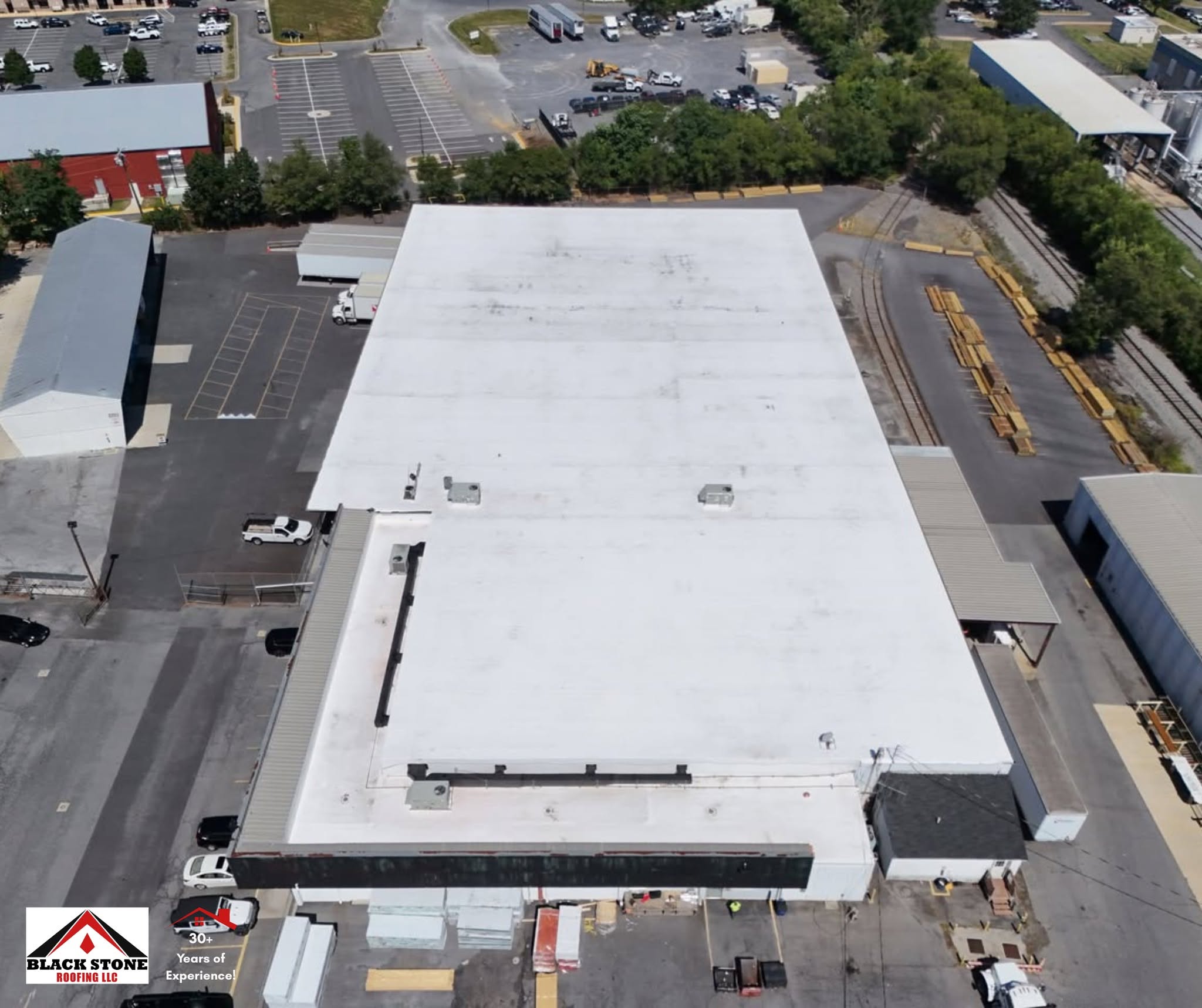
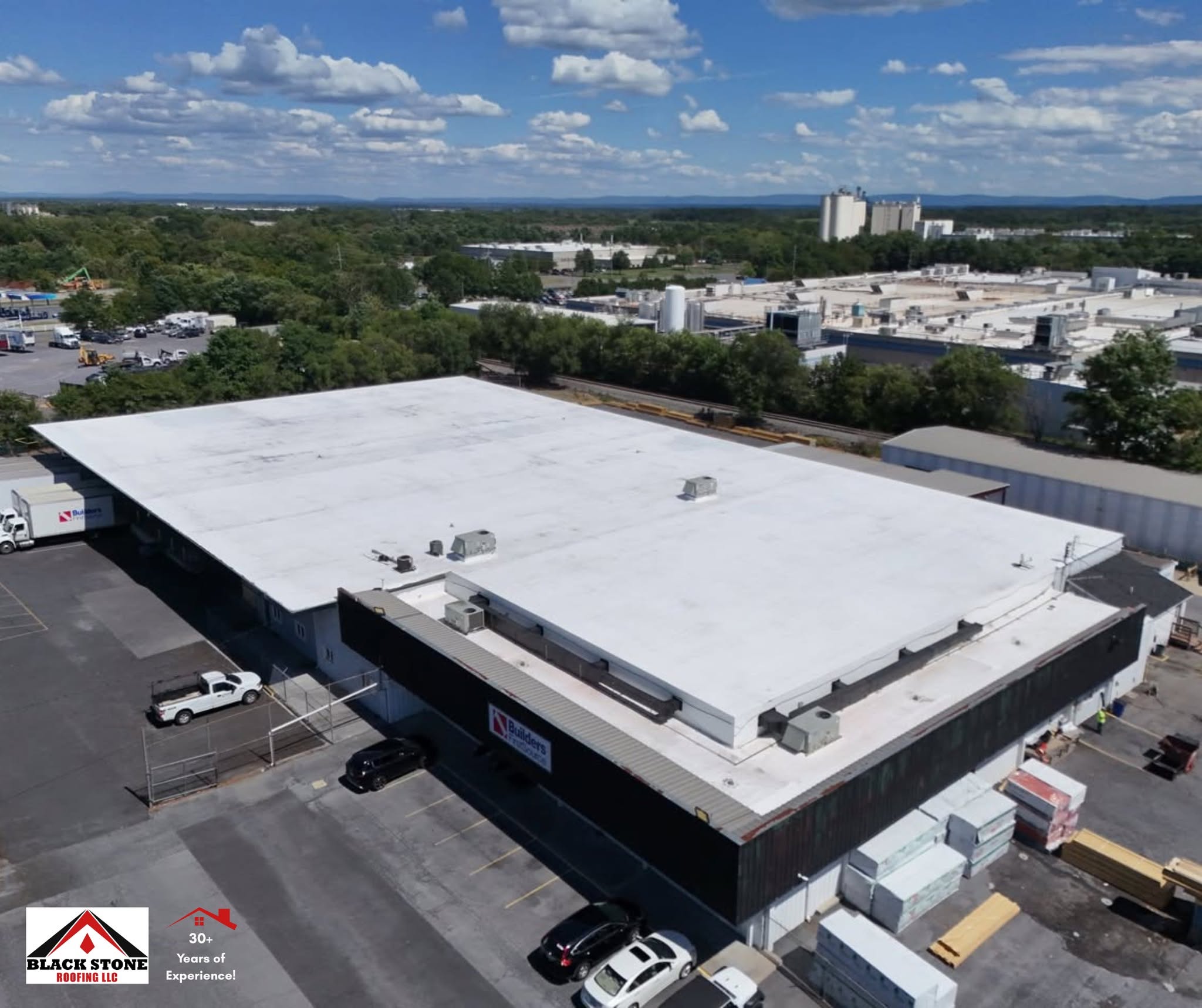
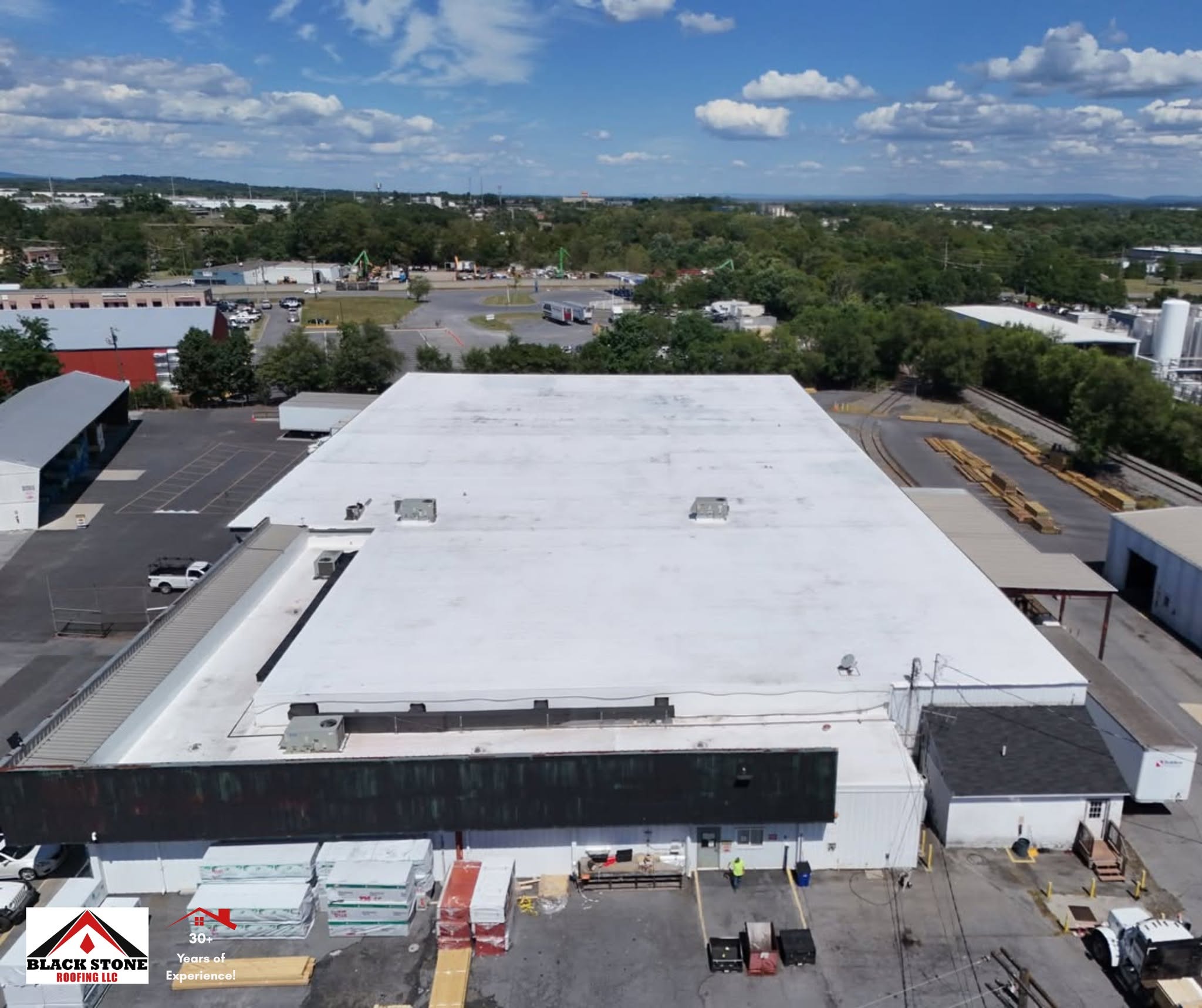
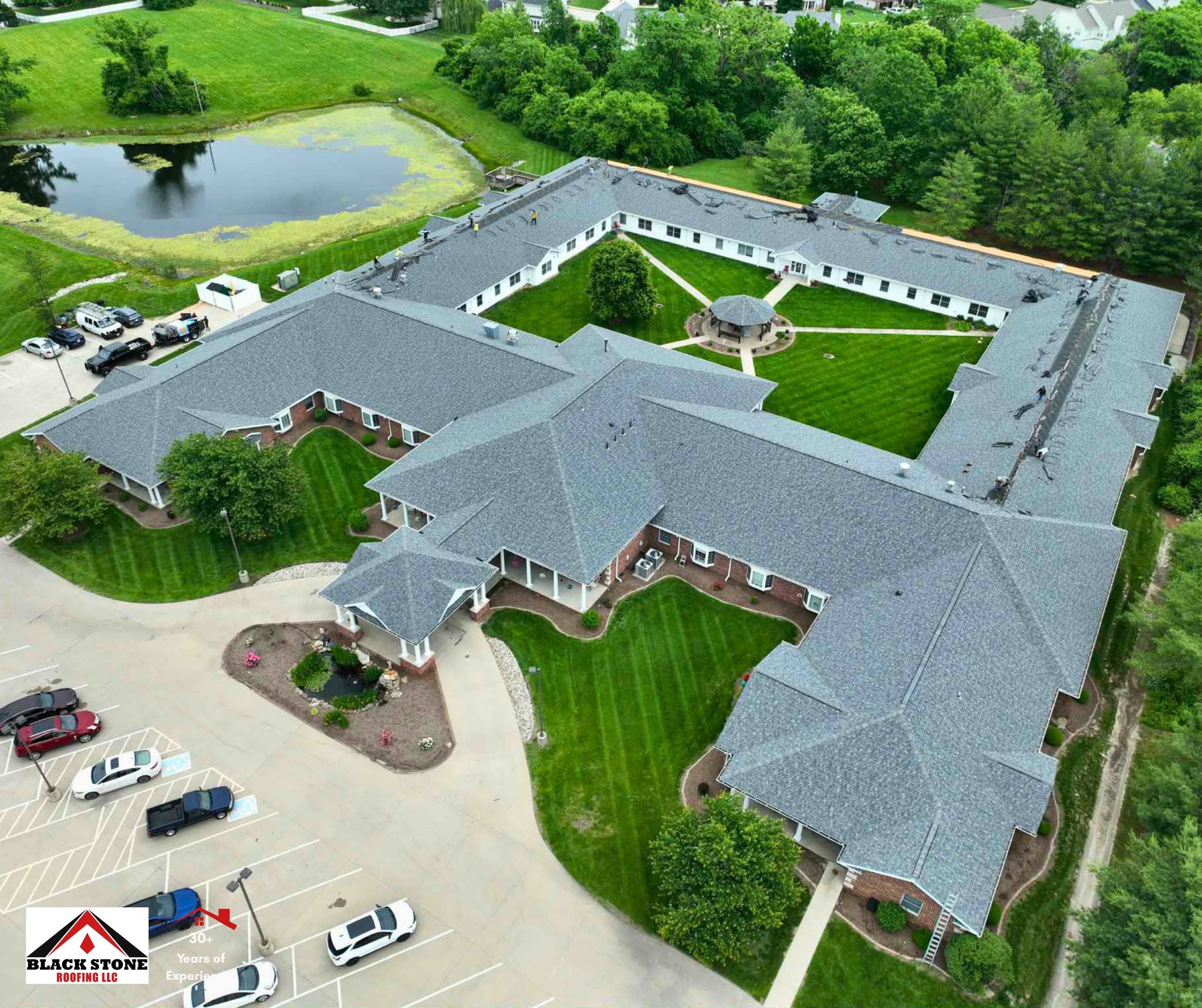
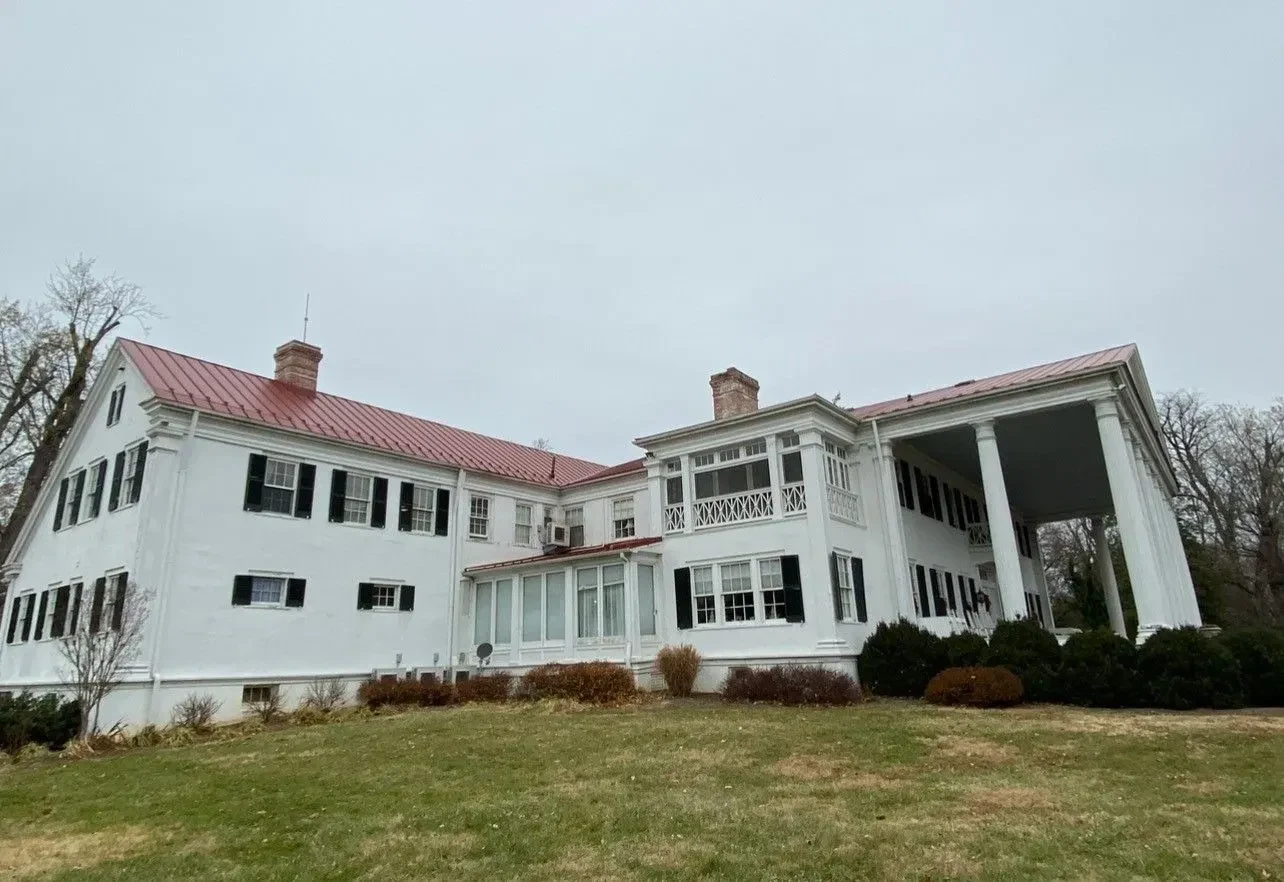
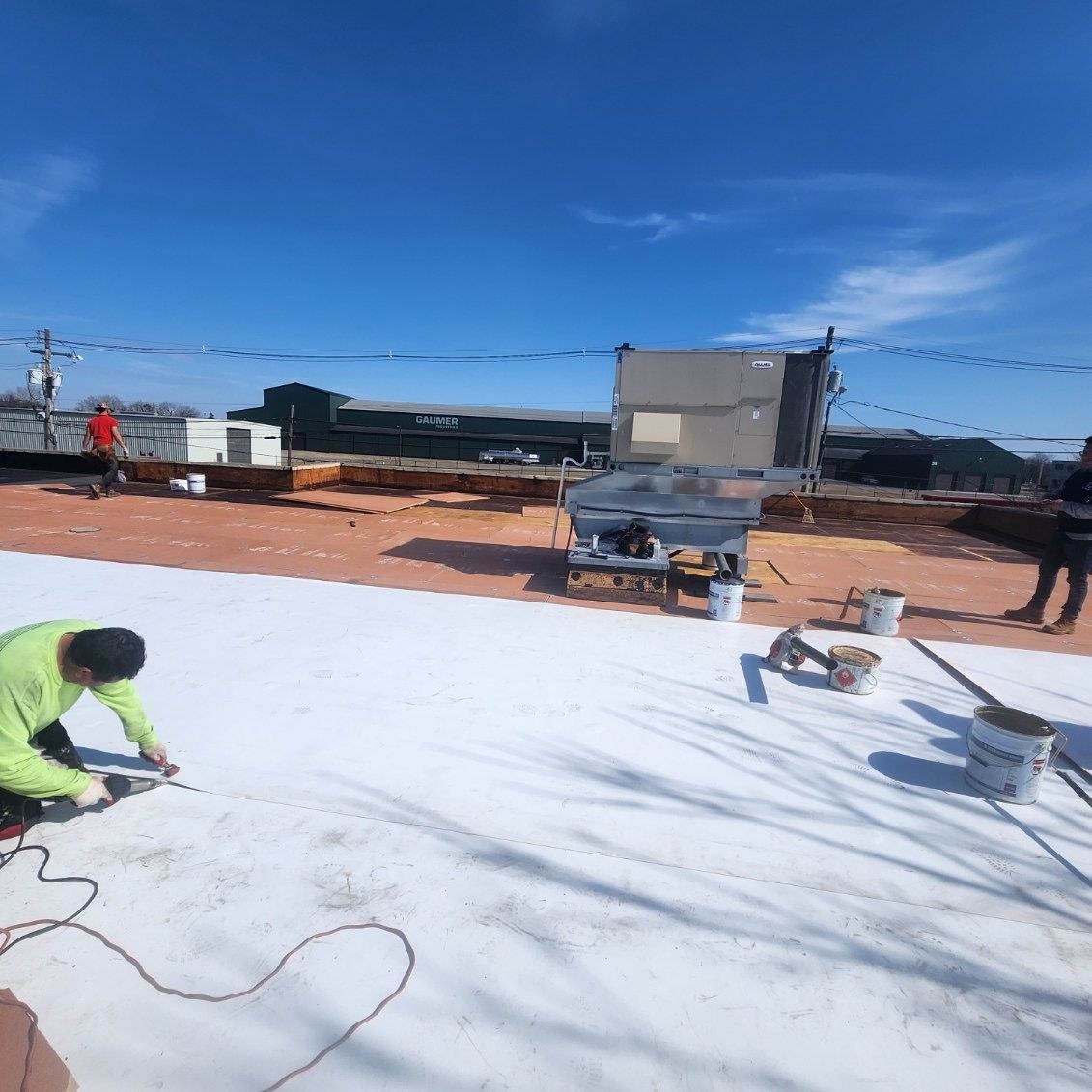
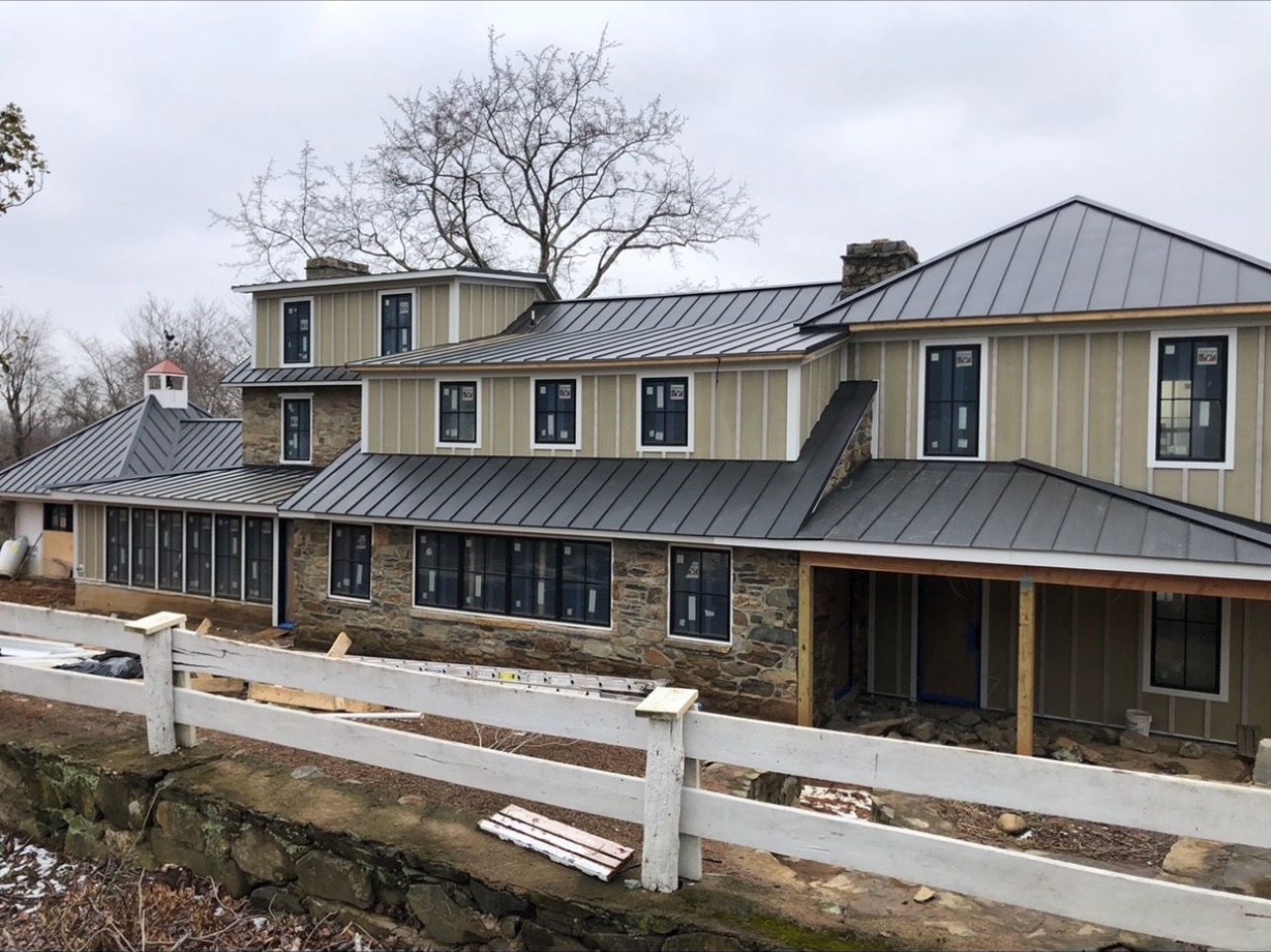
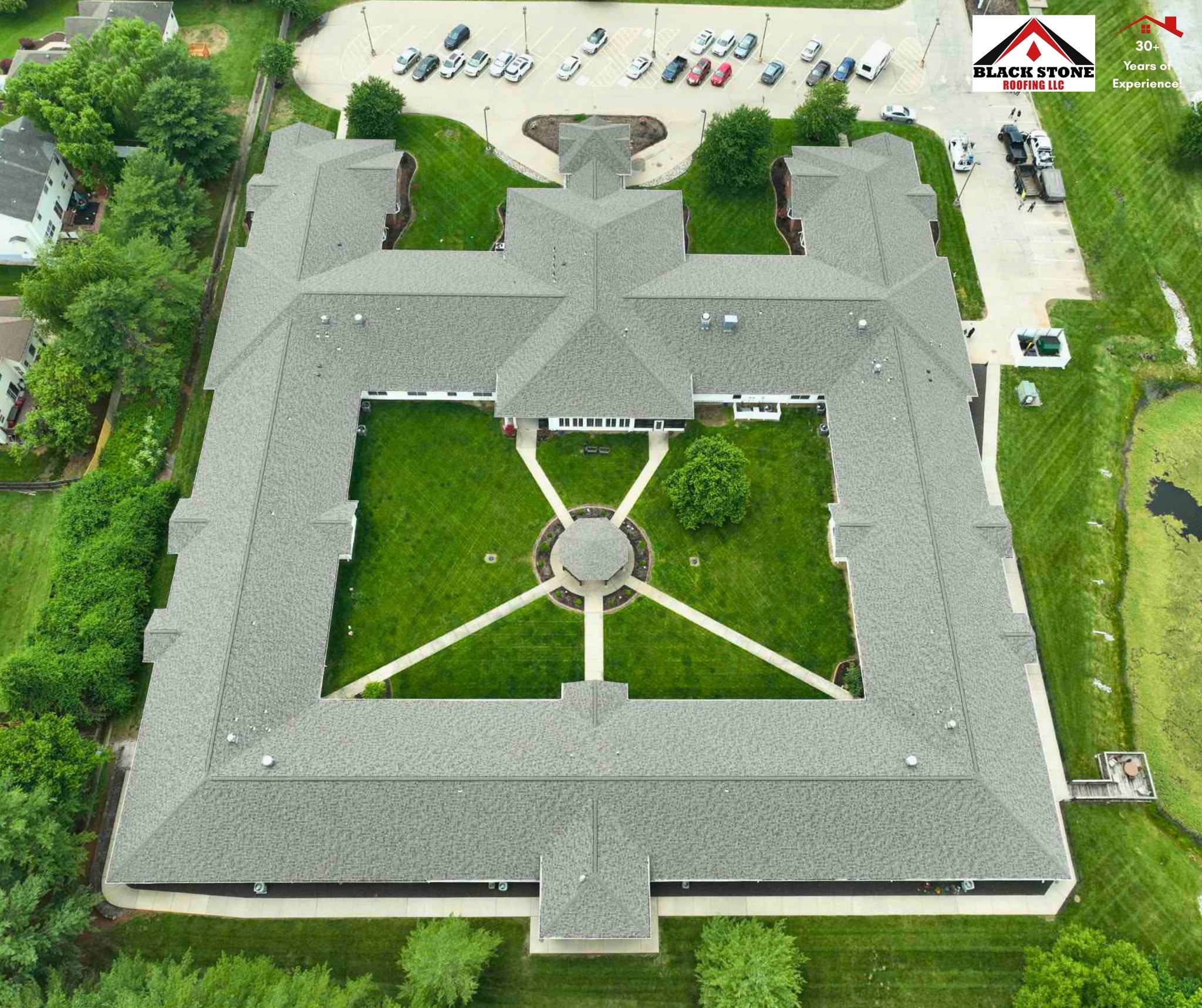
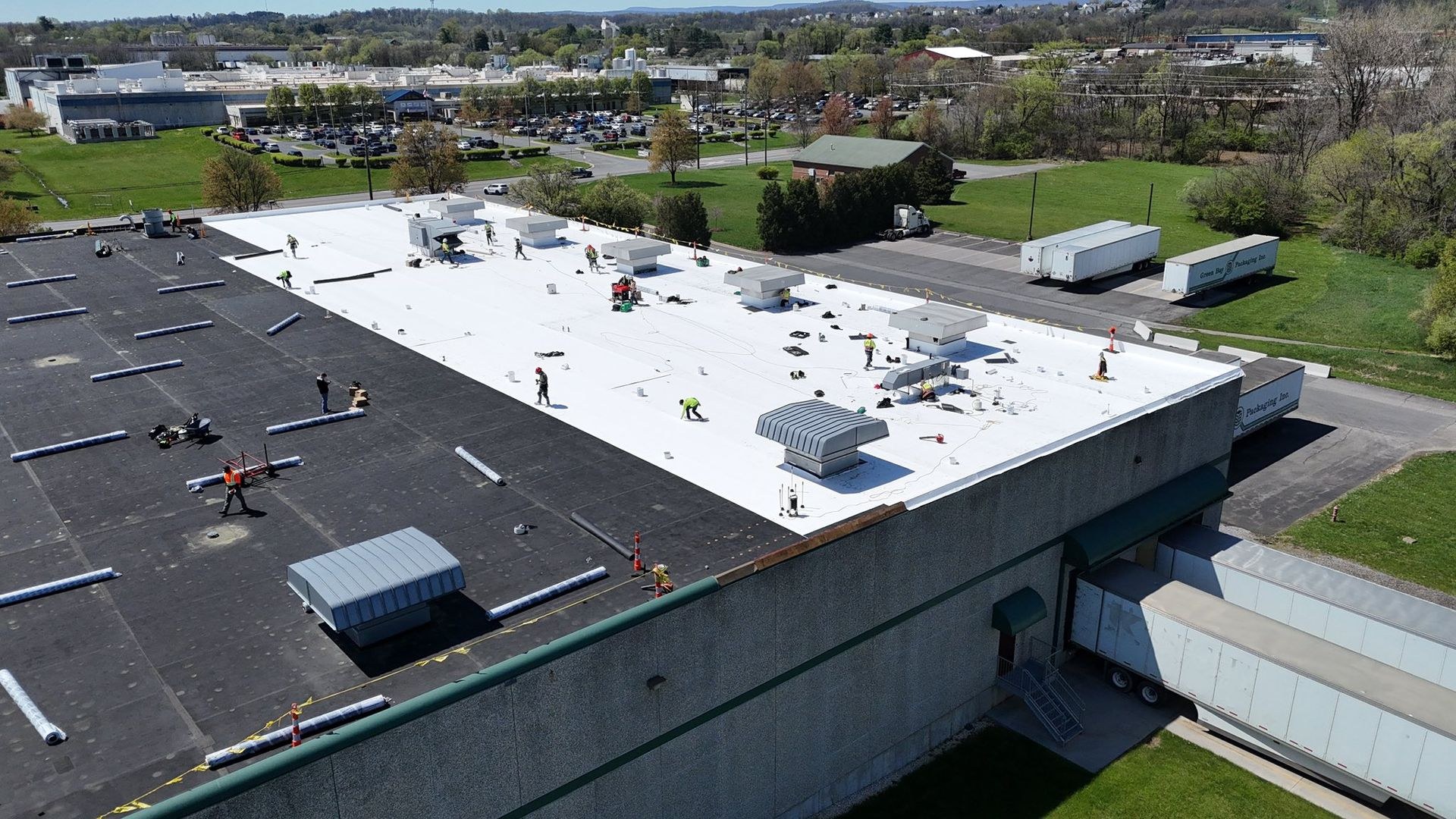
Roof systems on our Martinsburg maintenance routes

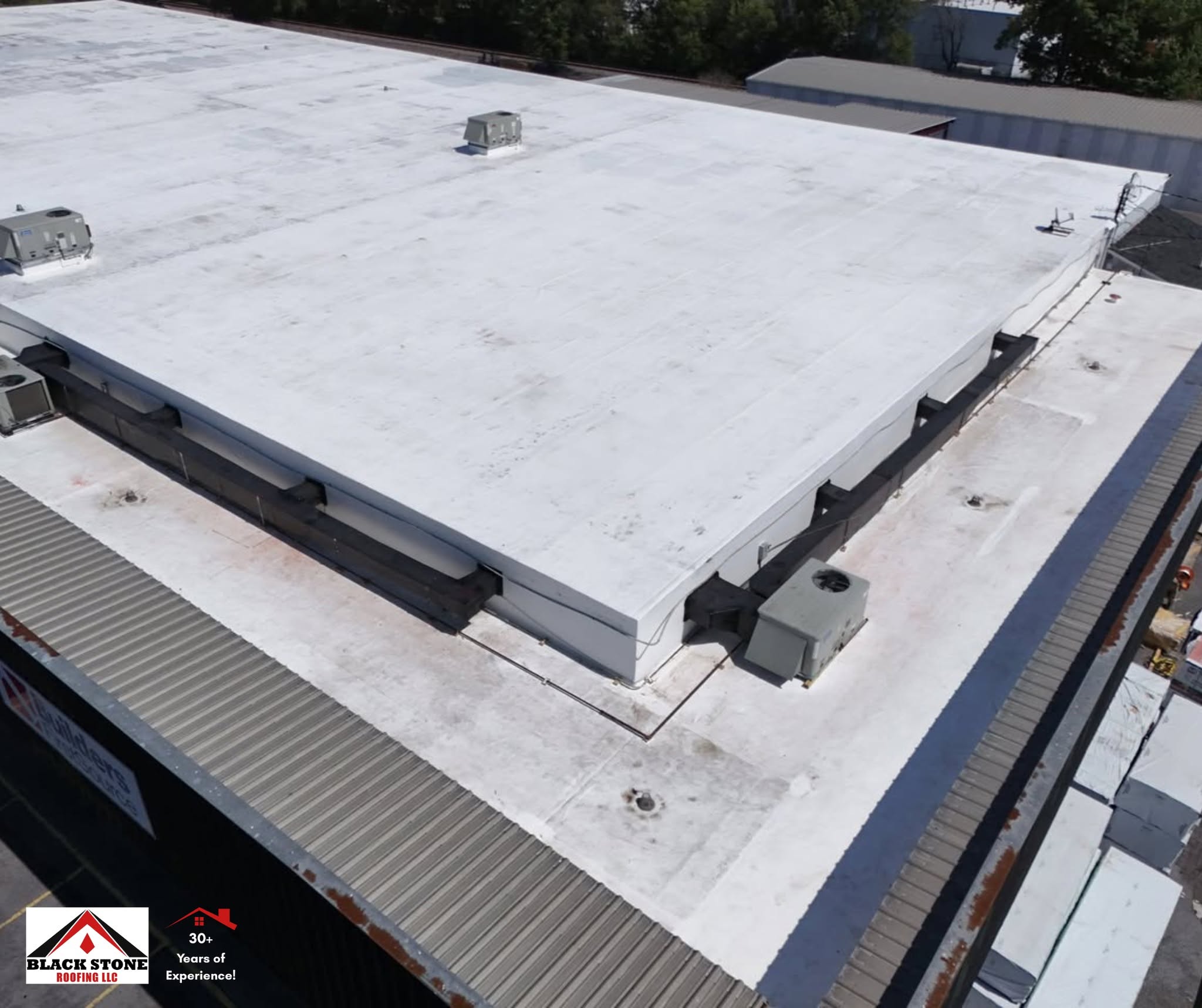
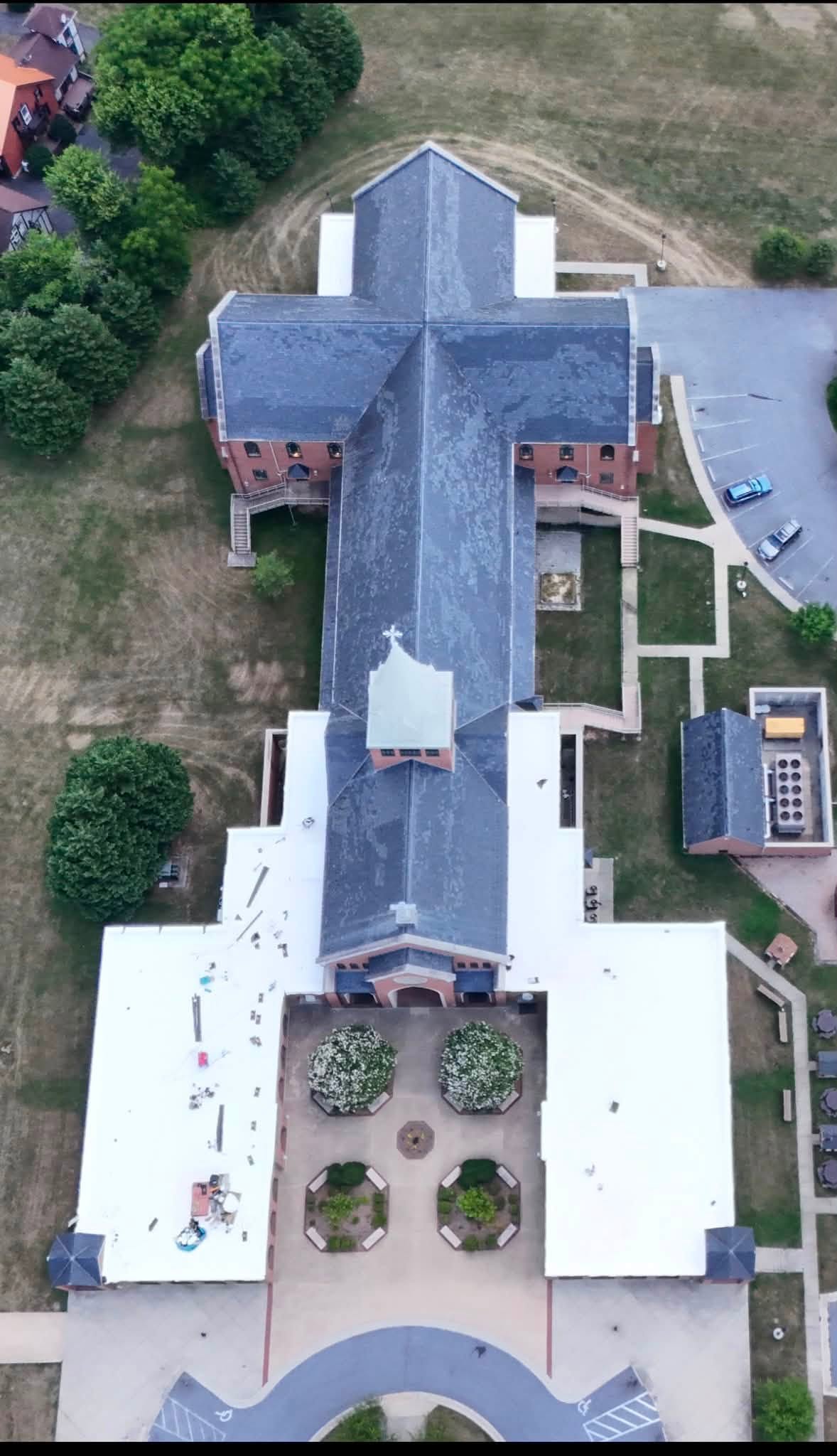
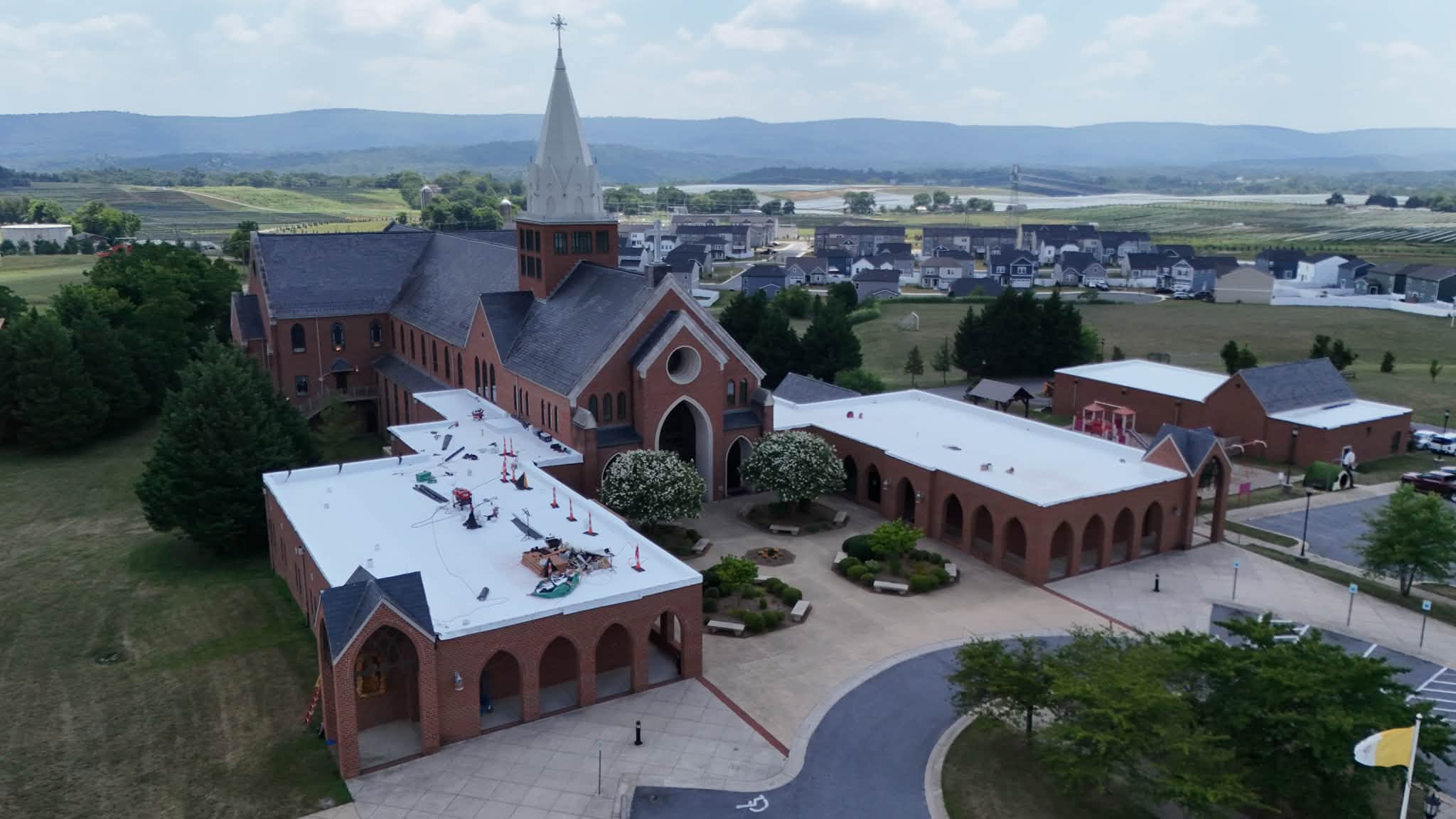
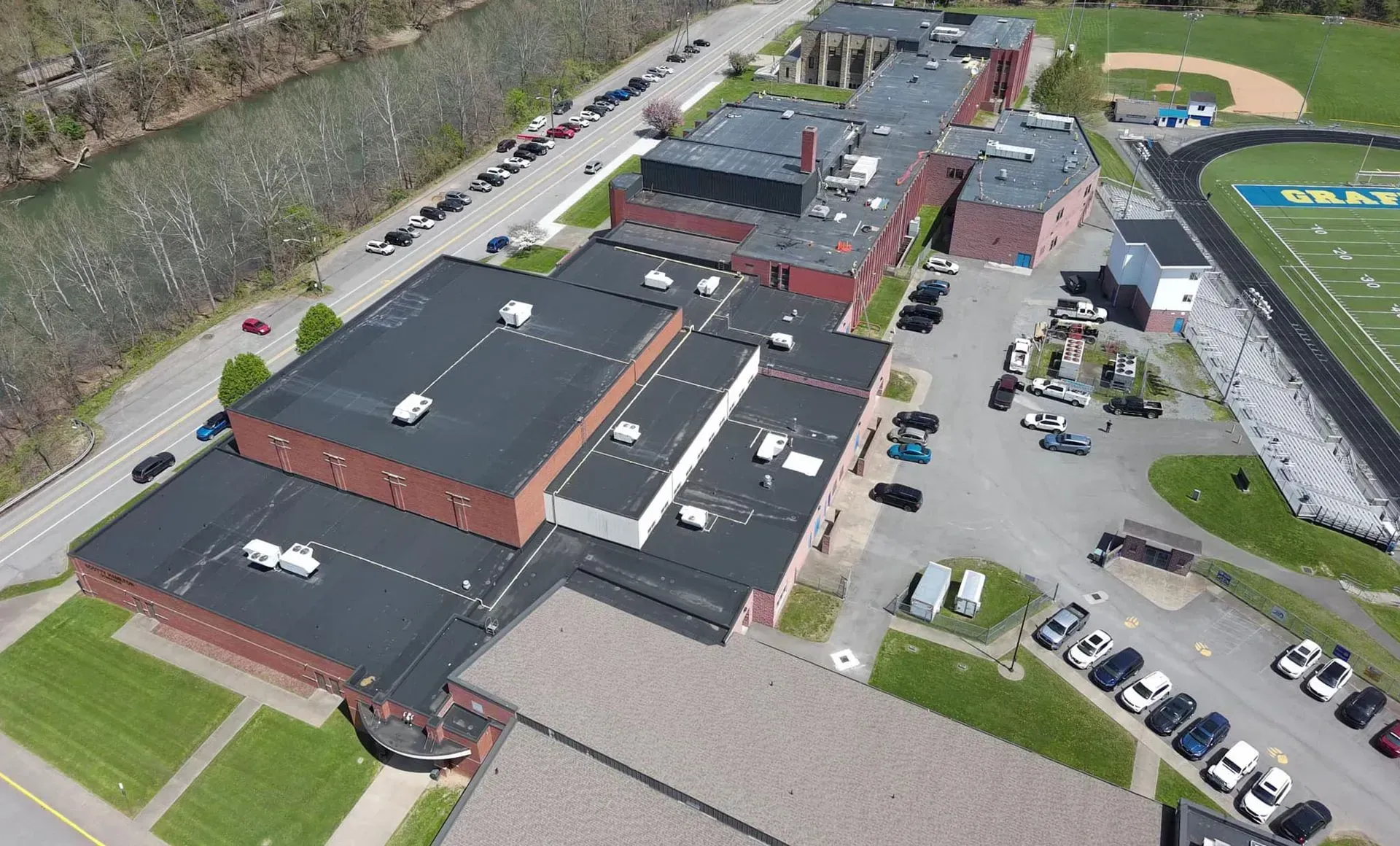
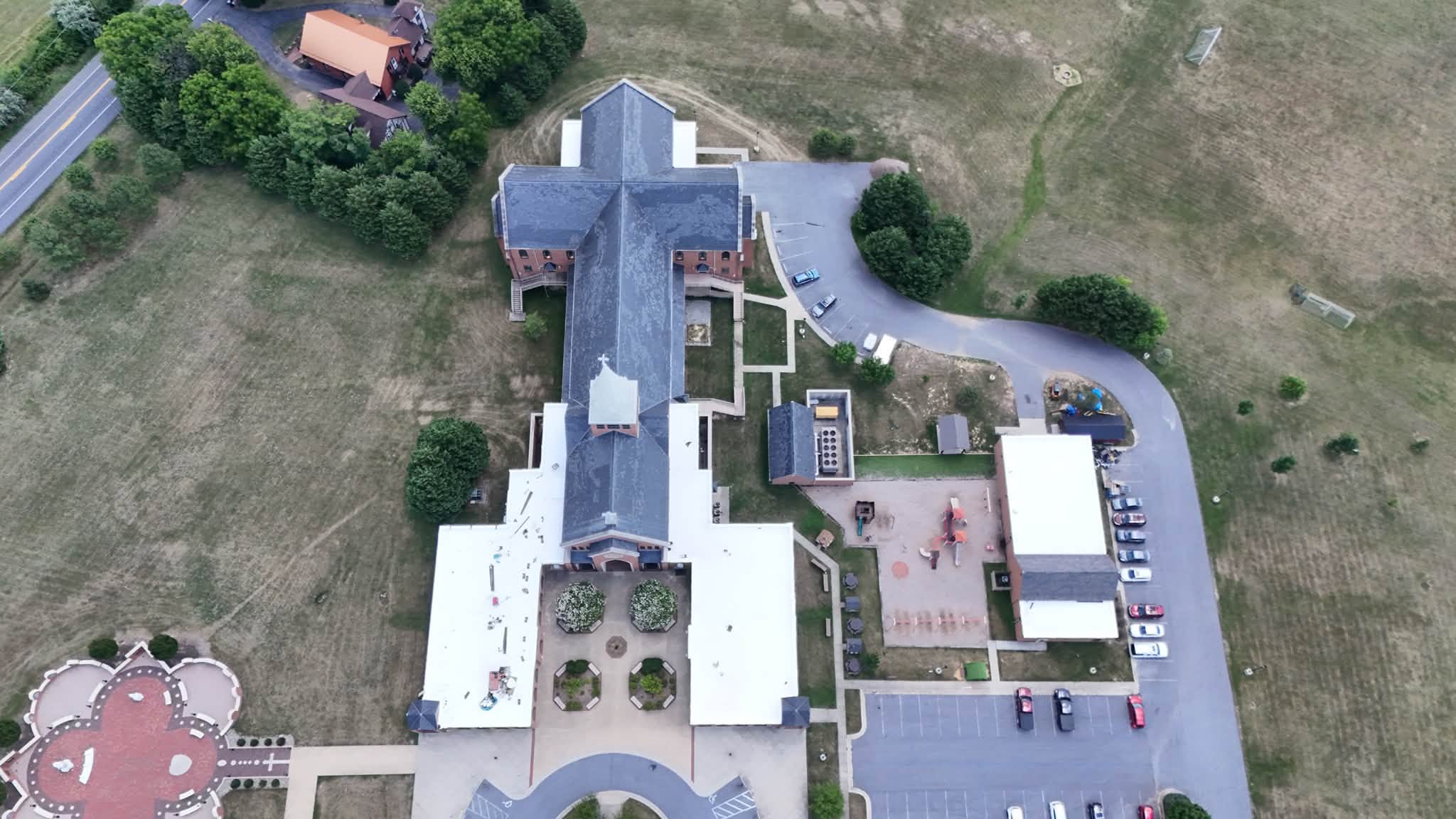
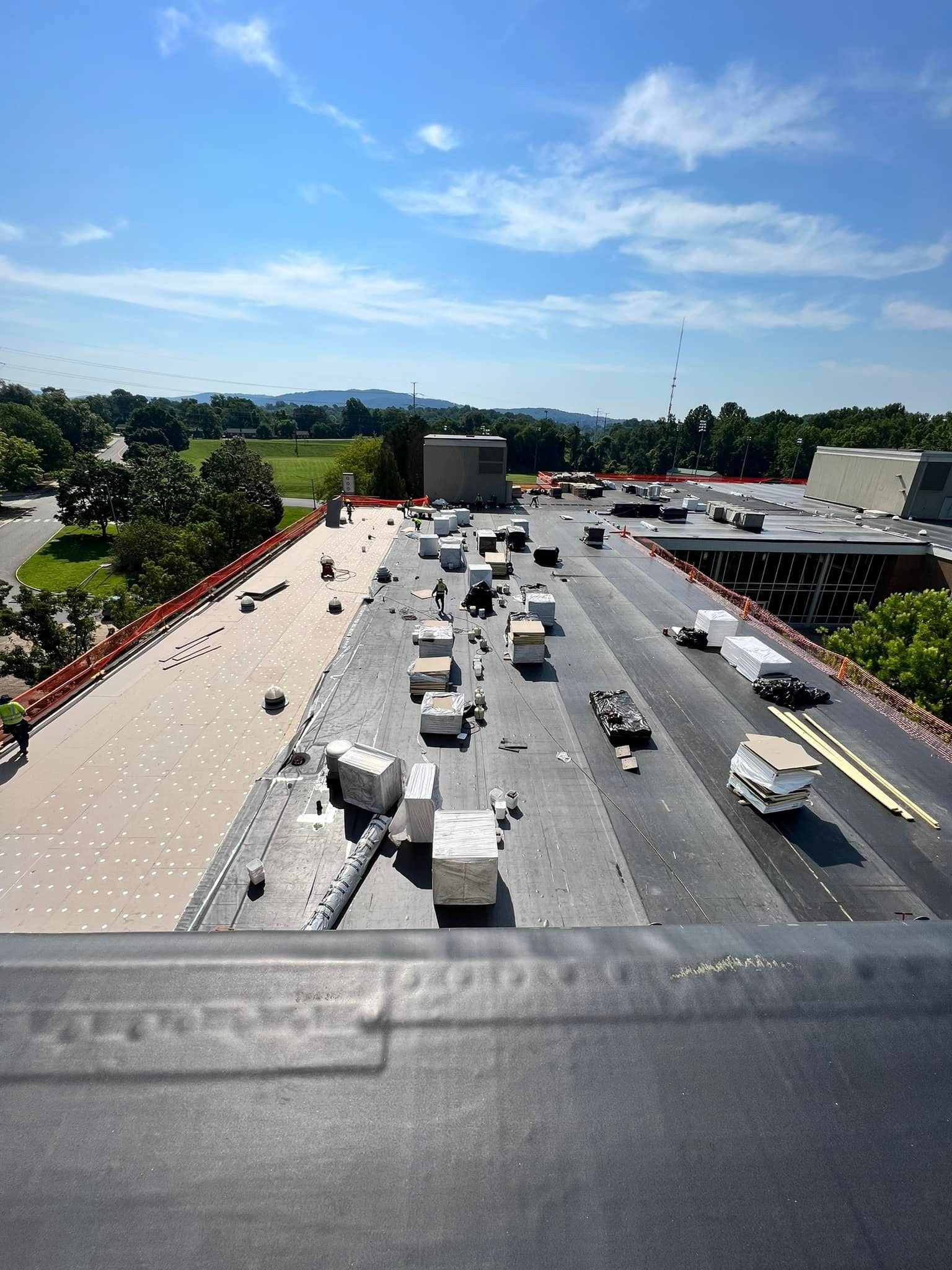
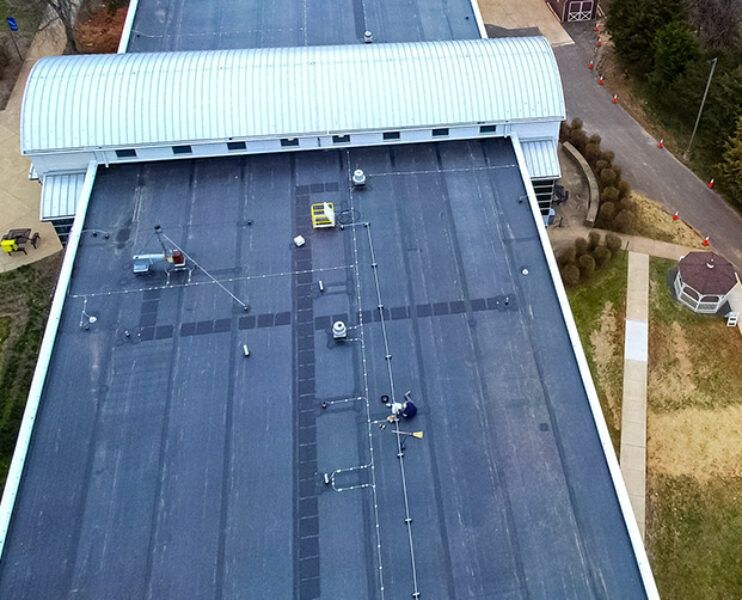
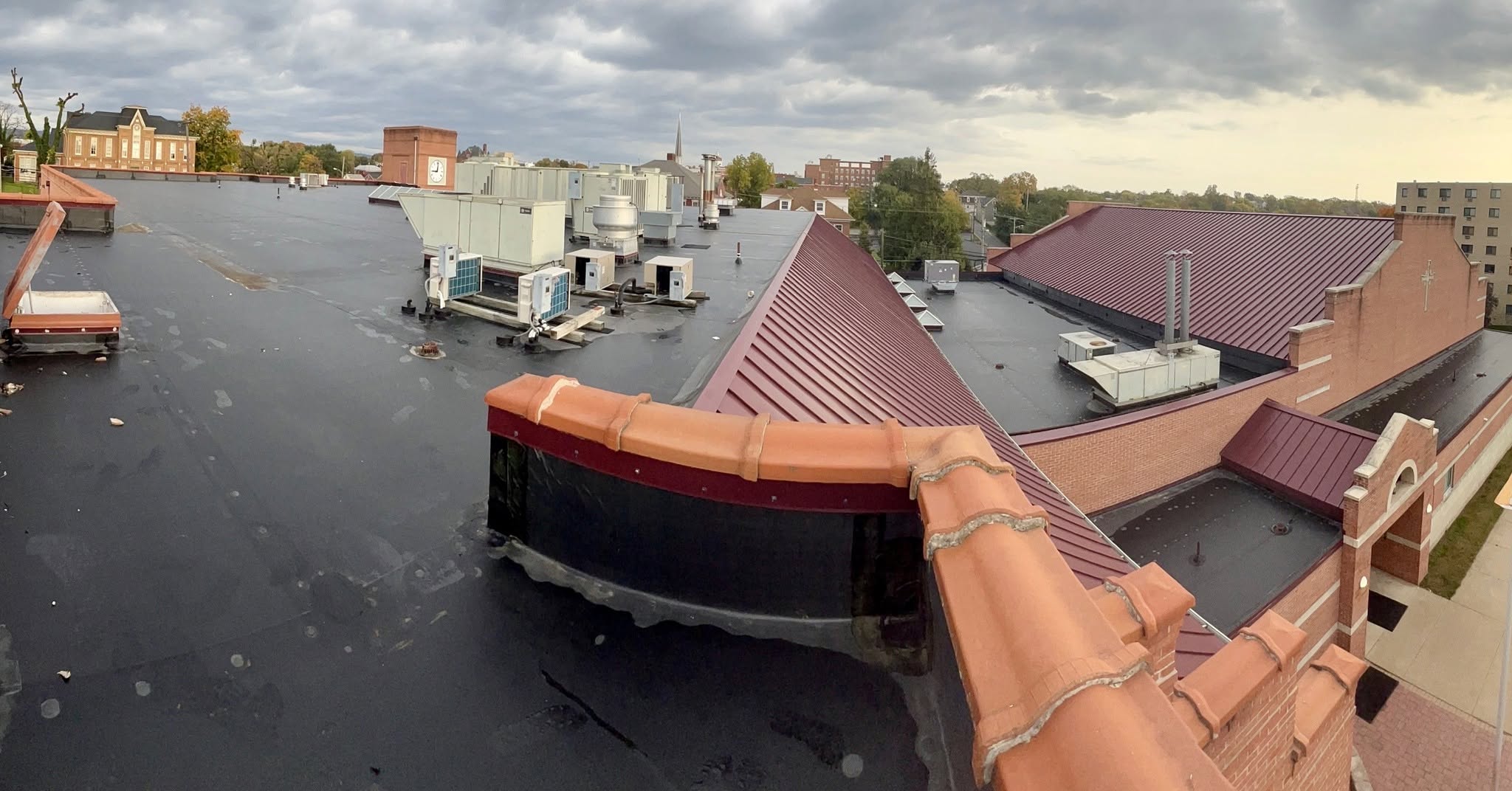
What is actually happening up there
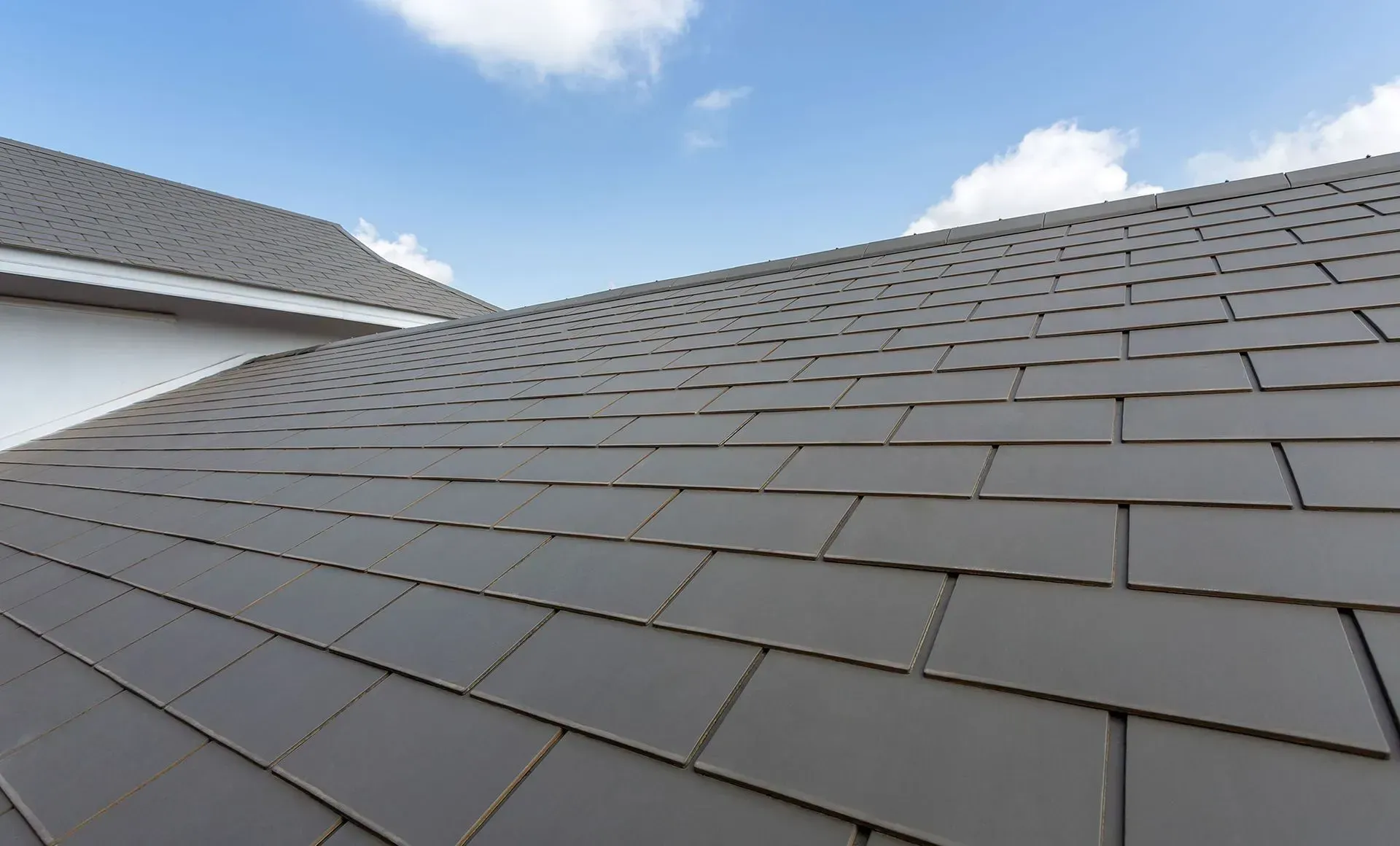
A pipe boot collar that has started to split is a short fix in year nine. The same boot in year fourteen is a stained ceiling, a wet run of insulation, and an owner who now believes he needs a whole roof. A blocked drain on a low slope roof is a broom and a wet vac in October. Left through a Berkeley County winter, it is standing water, a deflected deck, and a warranty claim the manufacturer is going to deny. Everything below is small, cheap, and invisible from the ground until it is not.
A split pipe boot collar
The rubber collar around a plumbing vent cracks around year eight to twelve on south and west exposures while the shingle field still has a decade in it. Caught early it is reflashed and done. Left alone it becomes the leak that gets somebody sold a full roof they did not need.
Water still sitting there two days after the rain
That is ponding. Water weighs 5.2 pounds per square foot per inch of depth, so a forty by forty low spot averaging two inches is over sixteen thousand pounds of live load. It deflects the deck, which deepens the pond, which adds load. Ponding is also excluded from most no dollar limit warranties.
A gutter line running behind itself
Without a gutter apron, water surface tensions around the drip edge and runs behind the gutter instead of into it. You never see it from the ground. You find it when the fascia is soft and the sheathing edge is gone.
Backed out fasteners on exposed fastener metal
Screw gaskets age out on their own clock and fasteners walk back under thermal cycling. Each one is an open hole in the panel. We count them by elevation so you can see whether the roof is aging evenly or one slope is failing first.
Frost on the nail points in February
Warm humid air is reaching the attic and condensing on cold sheathing. That is not a roof leak. It drips only in cold weather, only when it is not raining, and the water is clean. Replacing the roof does not fix it. Air sealing and intake do.
Penetrations nobody told you about
An HVAC tech setting a curb, a sign installer through the field, a low voltage crew running conduit, all patched with whatever was on the truck. This is the most common way a warranty gets voided without the owner ever hearing about it.
What a year on a maintenance program looks like
We walk the roof and rate it
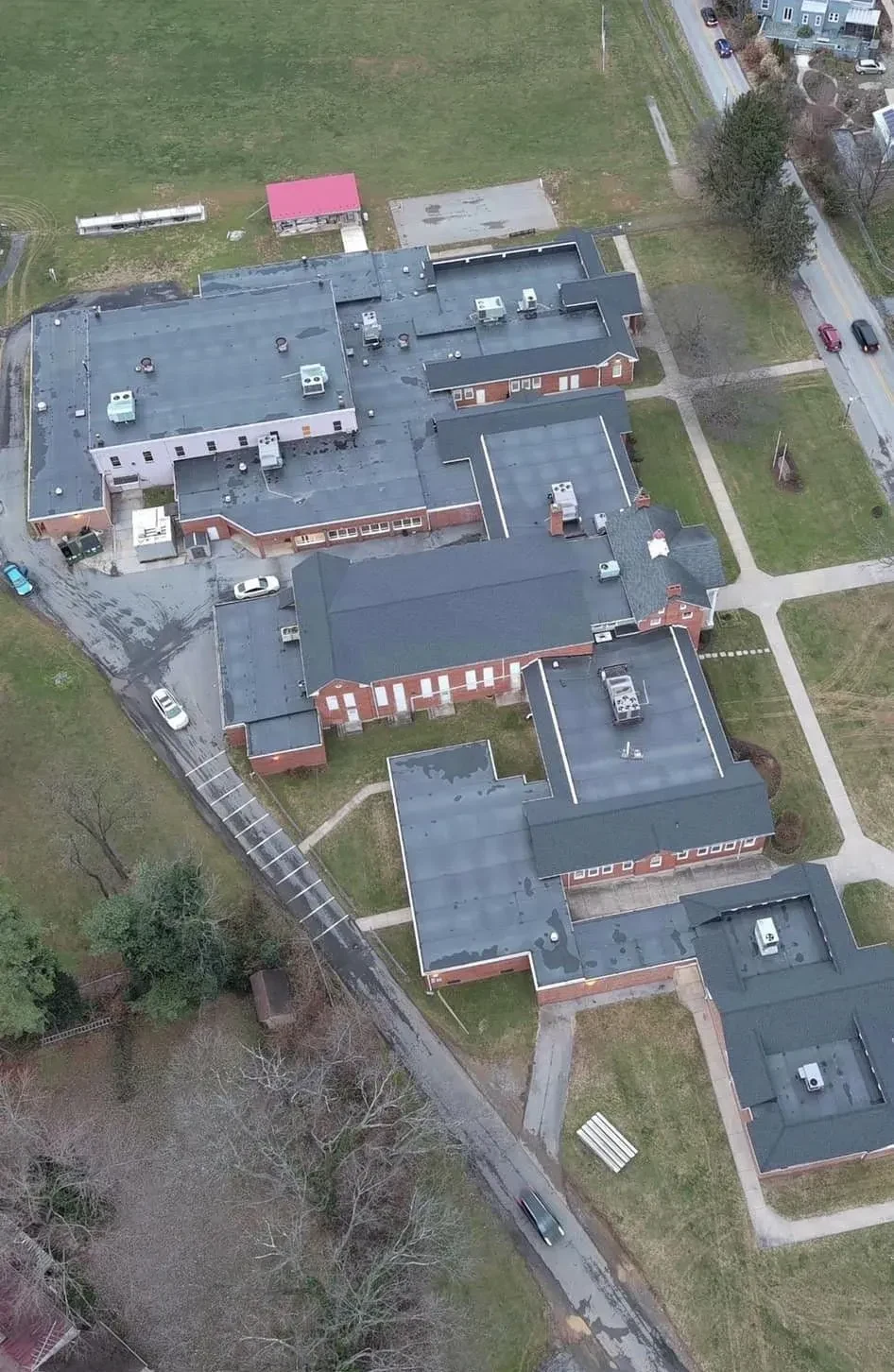
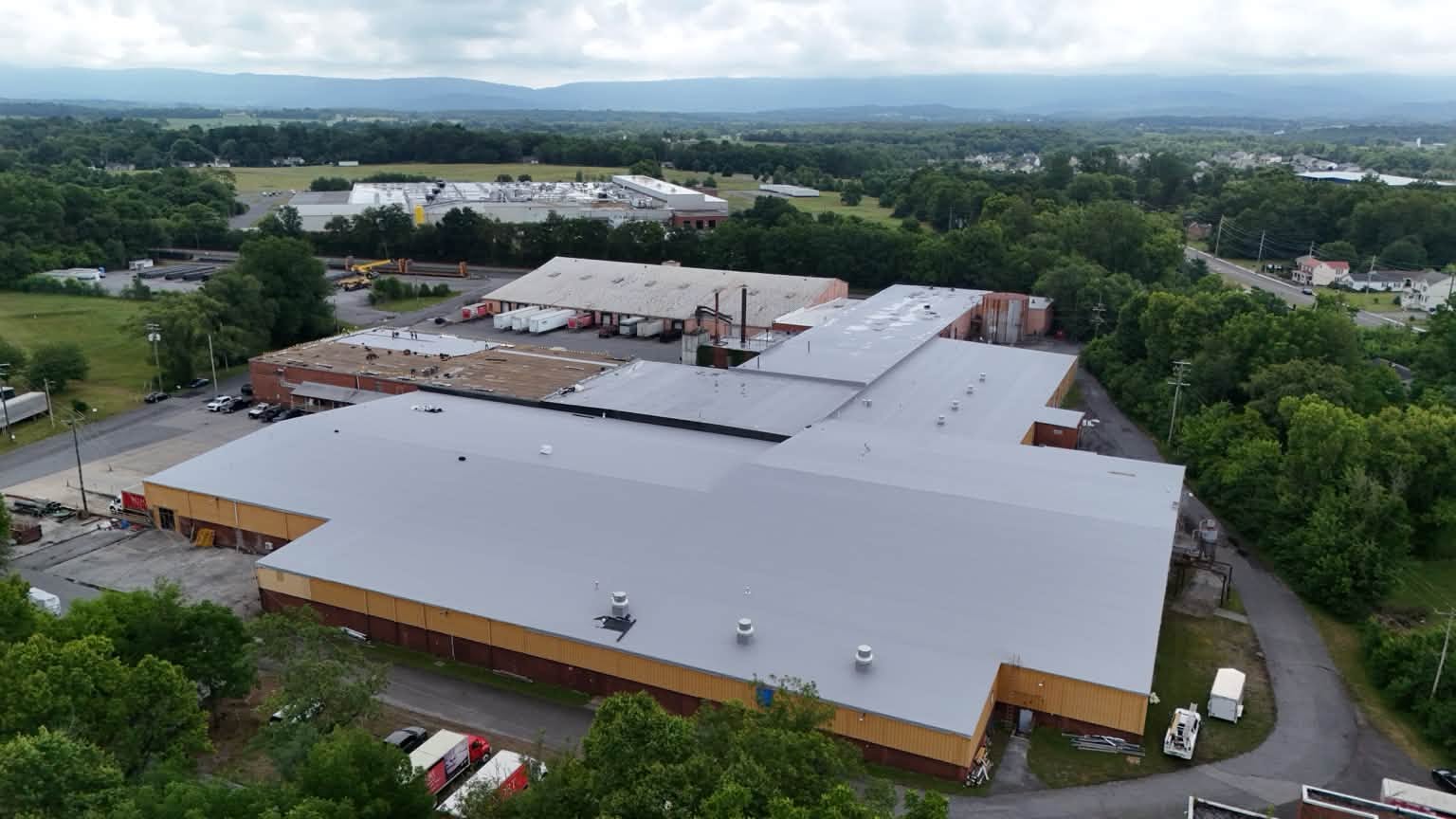
The first visit is a full condition assessment. Every roof gets a condition rating, an estimated remaining service life, and a budget year, in writing. For owners carrying several buildings, that becomes a capital forecast telling you which roofs can still be restored with a coating and which need a tear off planned.
Spring visit, March through May
This visit exists because of what winter does here. January averages 32.4 degrees, with a normal low of 25 and a high of 41, so the roof crosses the freezing line most days for three straight months. Freeze thaw opens sealant joints and backs out fasteners. We get up there after the last hard freeze and before May, the wettest month at roughly three and a half inches.
Fall visit, September through November
The fall visit closes the roof up before the first freeze. Berkeley County carries heavy tree cover and a long leaf drop, so we clear drains and flush gutters after leaf drop rather than before it. A drain that plugs in November is a drain that holds ice in January.
Small items get handled while we are up there
Resealing a counterflashing joint or topping off a pitch pocket is part of the visit. Anything larger gets scoped, photographed, and quoted separately, and you decide. We do not perform work you did not approve and then invoice you for it.
You get a dated photo report either way
Every visit produces a written report with dated photos that goes in your file whether we found anything or not. That is the record most manufacturer maintenance clauses ask you to keep, and the day you file a claim is the day somebody asks to see it.
We come back after a county storm event
When hail or thunderstorm wind hits a ZIP where we maintain roofs, those roofs get a return visit. You do not have to notice a problem first. Wind loss starts at corners, rakes, and eaves, so a roof can be functionally damaged and not leaking at all.
The layers we service on every visit
Primary drains, sumps, and overflow scuppers cleared
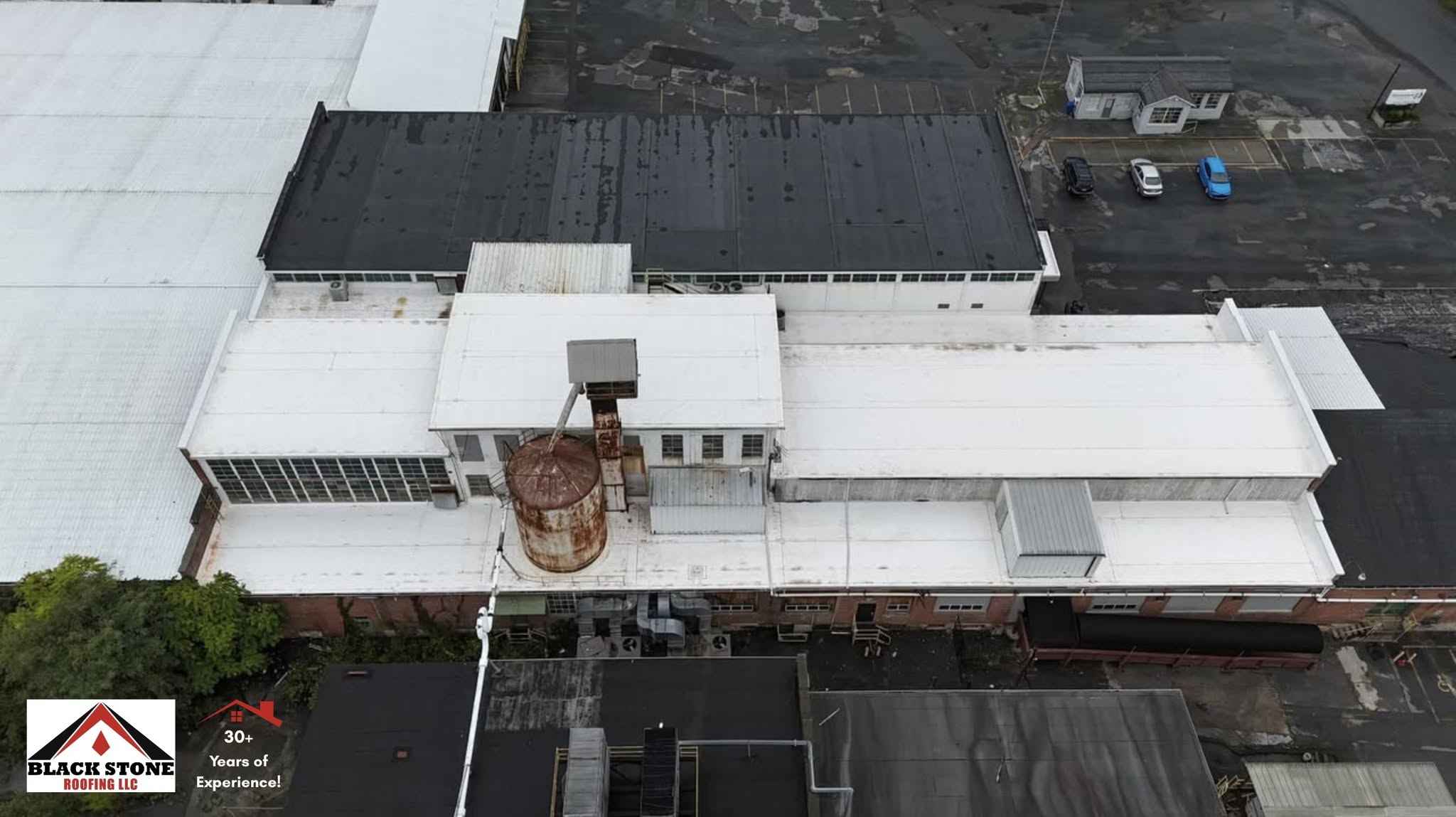
Drainage is the single item that costs Martinsburg owners the most money. Heavy tree cover and a long leaf drop mean a drain that plugs in autumn holds ice through a Berkeley County winter, and standing water is what turns a maintainable roof into a deck problem.
Filler topped off on a schedule
Pitch pocket filler shrinks. It is a consumable, not a failure. Topping it off on a schedule costs almost nothing. Topping it off after it leaks means the water already found the deck and the insulation under it.
Joints refreshed before winter, not after
Sealant at edge metal and counterflashing has a service life far shorter than the membrane it protects. With the roof here crossing the freezing line most days from December into March, a joint that is already open in November spends the whole winter cycling.
Exposed fastener metal checked by elevation
Backed out screws and failed gaskets are counted and recorded slope by slope. That record is what tells you whether a metal roof needs a fastener replacement pass or is genuinely at the end of its life.
Every roof to wall detail, curb, and chimney
Terminations are where mystery leaks come from, and they are also where original masonry in older Martinsburg buildings has flashing set into soft mortar. Nearly 29 percent of the city’s housing predates 1939, so this is not a rare condition here.
Moss treated, algae noted, nothing pressure washed
Summers here are humid and a north slope under mature trees never fully dries between rains. Algae streaking is cosmetic. Moss is not, because it holds water against the shingle edge and lifts the course. It gets treated on a schedule, never blasted off.
The ice dam slopes and the air moving under them
Gutters and downspouts are flushed, the gutter apron is verified, and we check whether attic intake actually exists on the slopes that ice dam. A gutter line and an intake problem are the two things most often blamed on the roof itself.
Who is keeping the record
Based in Martinsburg
Our office is at 1886 Winchester Ave, Martinsburg, WV 25405. Berkeley County is where we are, not a market we drive to when the weather turns.
Licensed in five states
VA, WV, MD, PA, FL. West Virginia requires a contractor to carry a license and post it at the job site. Ask us for our number, and ask every roofer who knocks on your door for theirs.
Family owned since 2016
Same family, same name, licensed, bonded, and insured the whole way.
4.9 stars from 50 Google reviews
You can read them yourself on our reviews page.
Open 24 hours, seven days a week
If something opens up between scheduled visits, somebody picks up the phone at (540) 550-9703.
One crew from the ridge to the ground
Roof, gutter, kickout flashing, siding, and window head flashing get detailed by the same people, because that is where mystery leaks come from.
Related roofing services
Roof Inspection
A one time condition assessment with a photo report. The right starting point if you do not yet know what shape the roof is in.
Commercial Roof Repair
Leak isolation and repair on membrane and metal roofs, scheduled around occupied buildings and tenant hours.
Roof Coatings
Restoration for a membrane with life left in it, including the honest list of conditions where a coating is the wrong answer.
Roof Repair
A split pipe boot collar reflashed, not a full roof sold. Repair when repair is the right call.
Single-Ply Membrane Roofing
Low slope membrane systems and the maintenance clause the warranty carries with them.
Storm Damage Roof Repair
What hail and thunderstorm wind actually do to a roof, documented with dated photos.
Residential Roofing
Shingle roofs, attic intake, and the air sealing work behind cold weather condensation.
Commercial Roofing
Low slope and metal roof systems for buildings along the I-81 and Tabler Station corridor.
Gutter Repair
Correct a failing gutter line before water runs behind it and takes the fascia with it.
Gutter Installation
Rebuild the system, gutter apron included, without bringing in a second contractor.
Where we run maintenance routes
Do not see your town? We work the whole corridor, so ask or call (540) 550-9703.
Roof maintenance questions we get in Martinsburg
-
How often does a roof actually need maintenance?
Twice a year on a low slope commercial roof, spring and fall, plus a return visit after a significant storm. Residential shingle roofs do fine on one visit a year until about year ten, then twice a year starts making sense, because that is when boots, sealant, and flashing begin aging out faster than the shingle field does. If your building carries a manufacturer warranty on the membrane, read it. Most of them specify an inspection frequency and require you to keep records.
-
My roof is nearly new. Do I need this yet?
For corrective work, no. A roof in its first few years rarely needs anything but the drains cleared and the debris pulled. For documentation, yes. Manufacturer warranties almost always contain a maintenance clause, and the day you file a claim is the day somebody asks for the log. Starting that record in year one costs you almost nothing. Starting it in year twelve is not possible.
-
Will maintenance protect my manufacturer warranty or void it?
Done right it protects it. Done by the wrong person it voids it. The fastest way to lose coverage on a low slope roof is an HVAC tech, a sign installer, or a solar crew putting a penetration through the membrane and patching it with whatever was in the truck. Part of every visit is walking the roof looking for work nobody told you about, photographing it, and putting it in the report while it is still fixable.
-
What happens if you find something wrong during a visit?
You hear about it with photos and in writing, and you get a price before anything happens. Small items like resealing a counterflashing joint or topping off a pitch pocket are handled on the spot as part of the visit. Anything larger gets scoped and quoted separately, and you decide. We do not perform work you did not approve and then invoice you for it.
-
Do you come out after a storm automatically?
On a program, yes. Berkeley County takes hail and thunderstorm wind often enough that we track events by date and schedule return visits on the roofs we maintain. Wind loss starts at corners, rakes, and eaves, and a roof can be functionally damaged without leaking, so the visit matters even when your ceiling is dry. If we find storm damage, the report is dated and photographed so it is usable when you contact your insurer.
-
Is this only worth it on commercial buildings?
No, but the math is strongest on low slope commercial roofs, where drains, seams, and pitch pockets are consumables and one small failure floods a tenant space. On the residential side it earns its keep once a roof passes about eight years, especially in the 2000s subdivisions around Spring Mills, Falling Waters, Inwood, and Bunker Hill, where the same details were built the same way on every house on the street.
-
Are you actually based in Martinsburg?
Yes. Our office is at 1886 Winchester Ave, Martinsburg, WV 25405, and Berkeley County is the core of our maintenance schedule. That matters on a maintenance program more than on a one time job, because the value of the program is somebody being close enough to come back after a storm without it becoming a scheduling event.
-
What does a maintenance program cost?
It depends on square footage, roof system, the number of penetrations and drains, how the crew gets on the roof, and how many visits a year you want. We do not publish a figure, because a 4,000 square foot shingle roof and a 200,000 square foot single ply roof with fifty rooftop unit curbs are not remotely the same job. Call us, we will walk the roof, and you will get a scope and a price in writing.
Ask about a maintenance program
Tell us what the building is and where it sits. We will walk the roof, rate its condition, and put a schedule and a price in writing. Somebody answers the phone 24 hours a day, seven days a week.