Home/About Us
SWaM CERTIFIED, WOMAN OWNED SINCE 2016About Black Stone Roofing, LLC
We are a woman owned, family run roofing company at 1886 Winchester Ave, Martinsburg, WV 25405. That is a real address in Berkeley County, not a mailbox rented so a template page can claim your city. Where a roofer sits and what license he holds are the two things worth settling before anybody gets on a ladder.
Leaking right now
Emergency response
We answer 24 hours. Tarped and stabilized before more gets inside.
Planning ahead
Free inspection
Written scope and photos so you know what the roof actually needs.
Request your free estimate
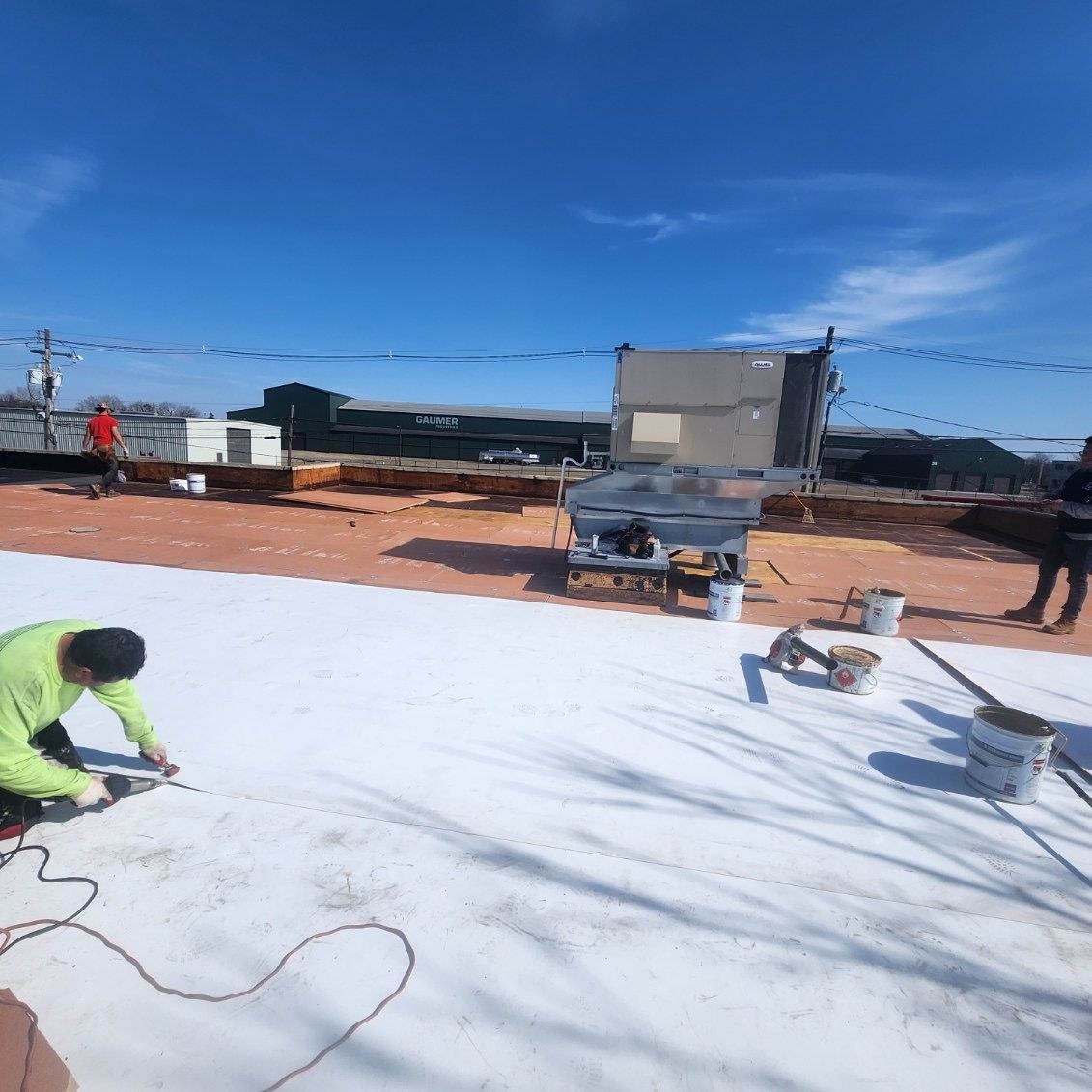
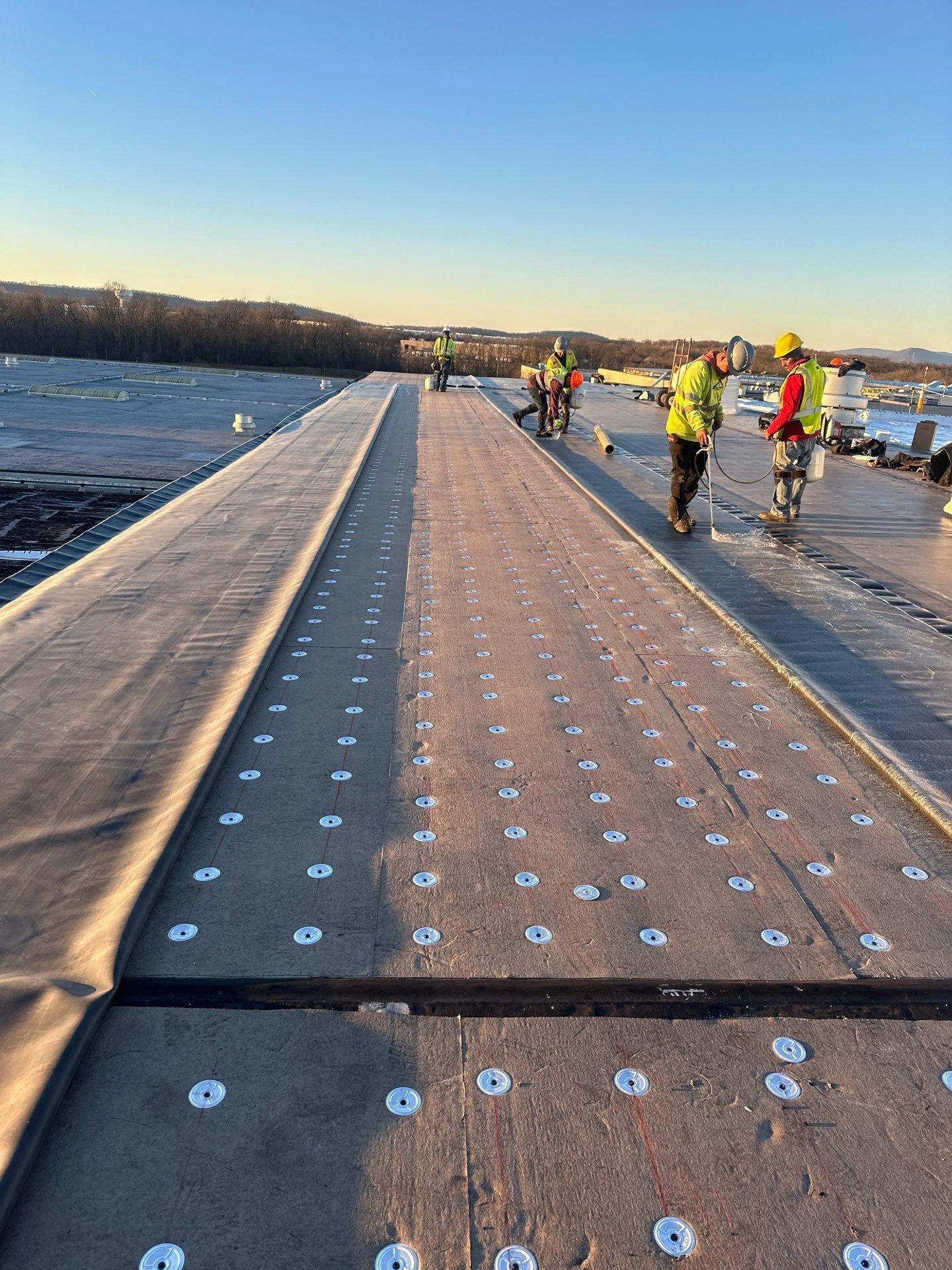
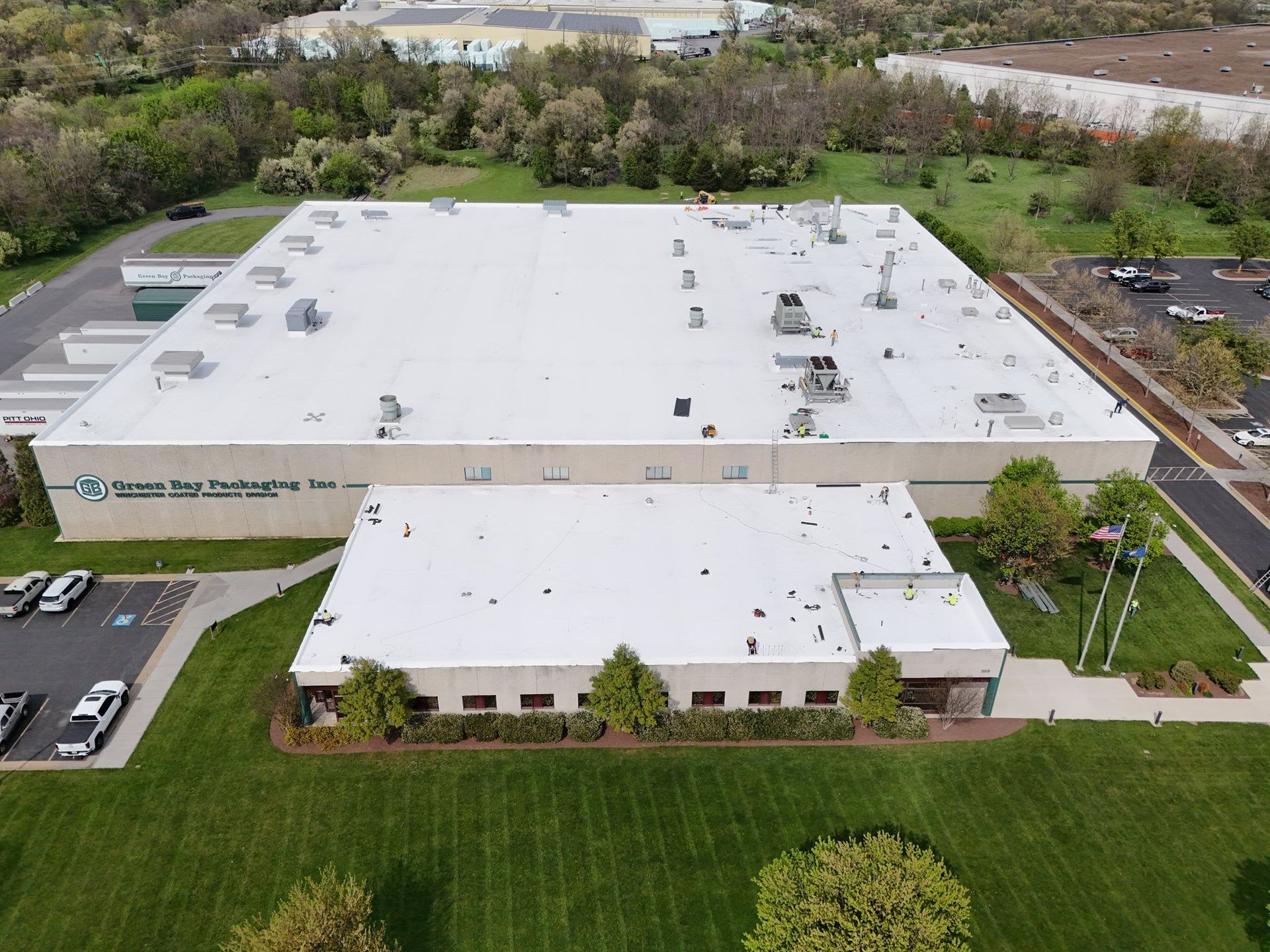
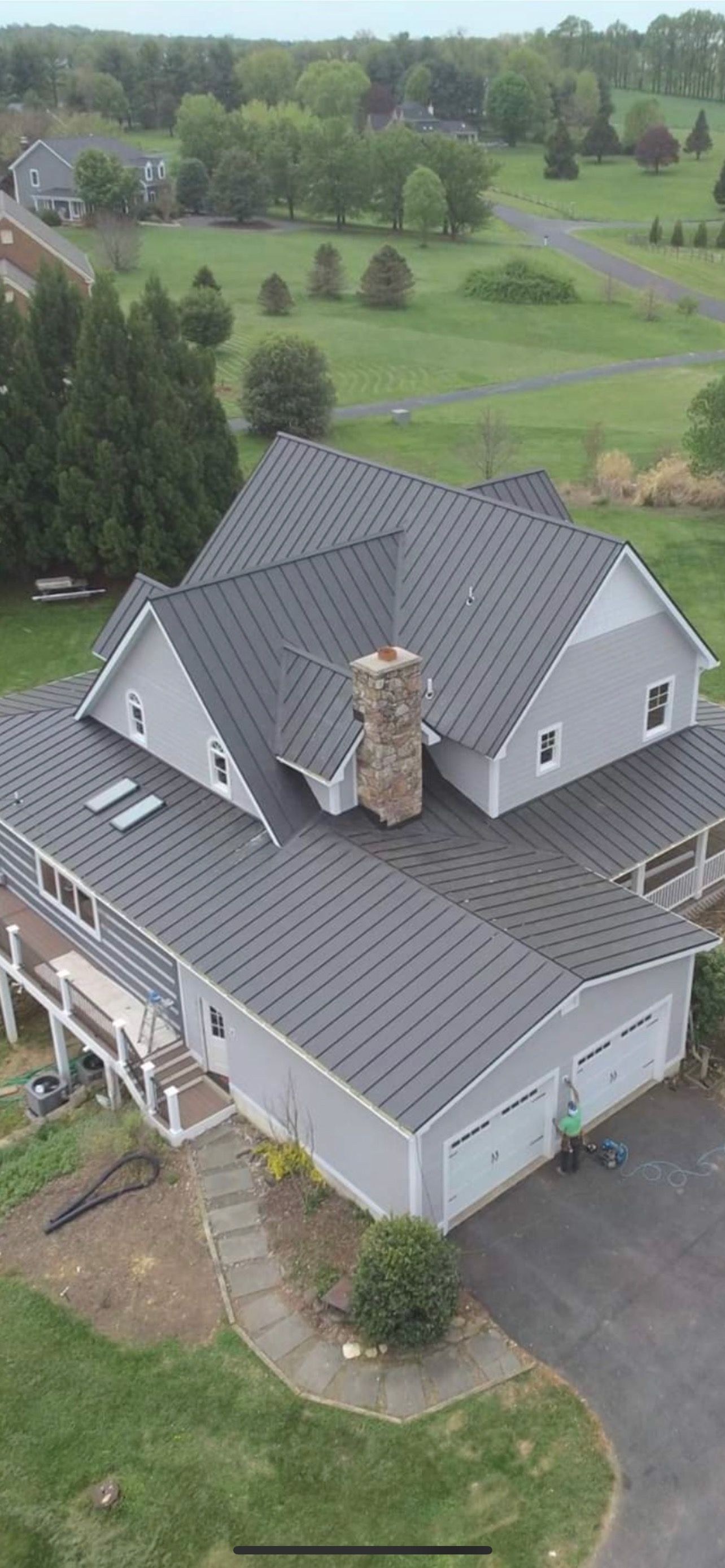
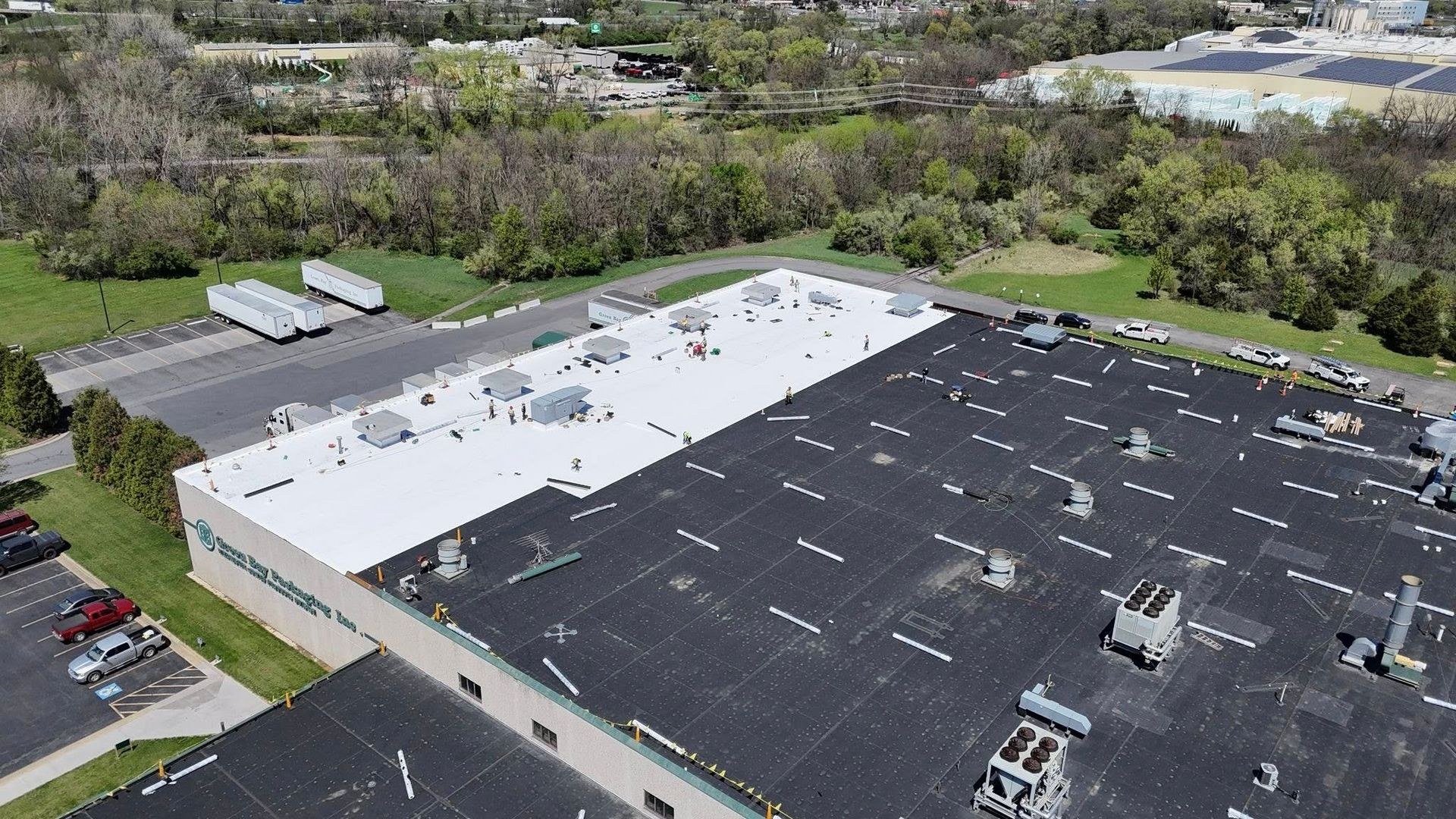
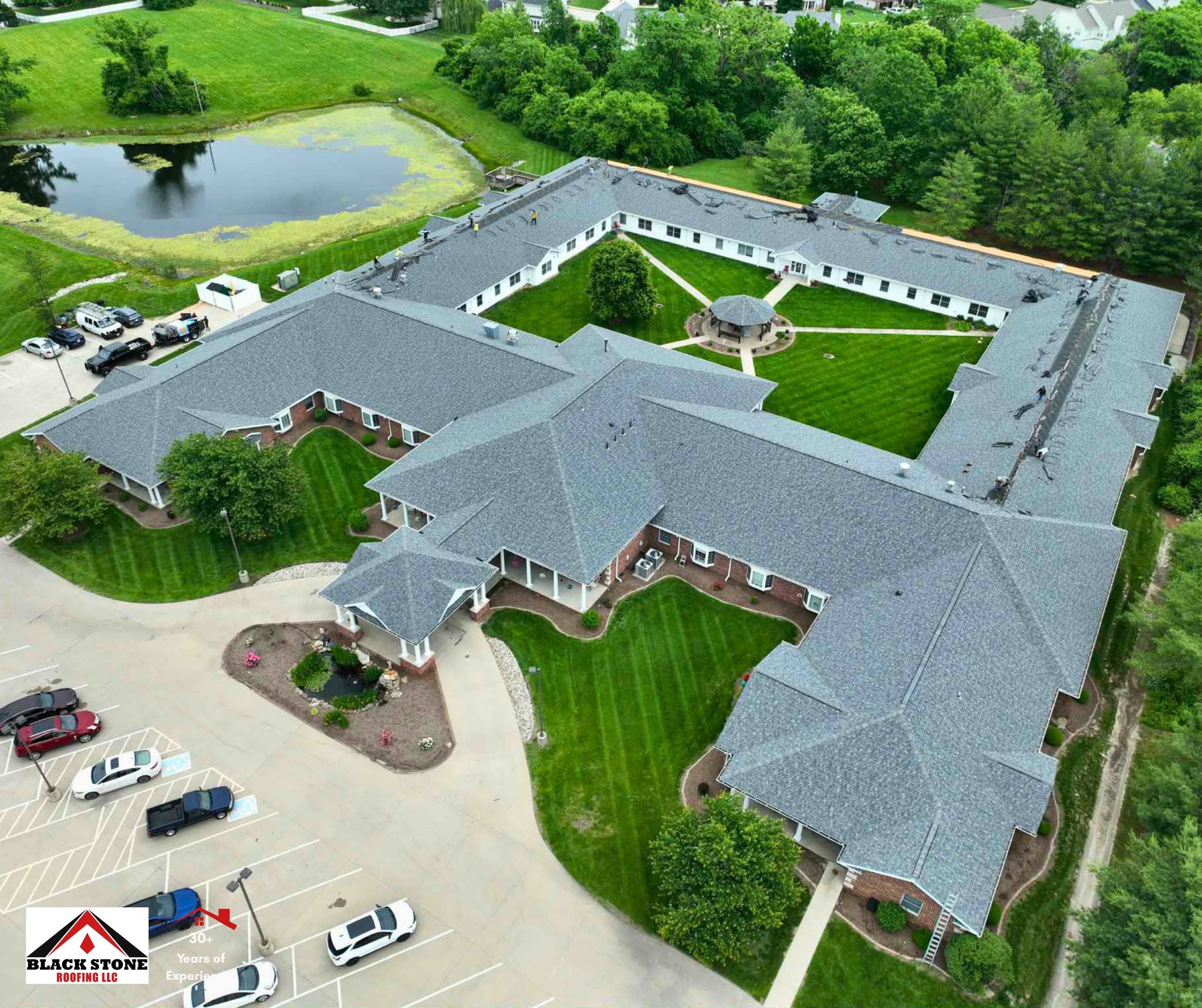
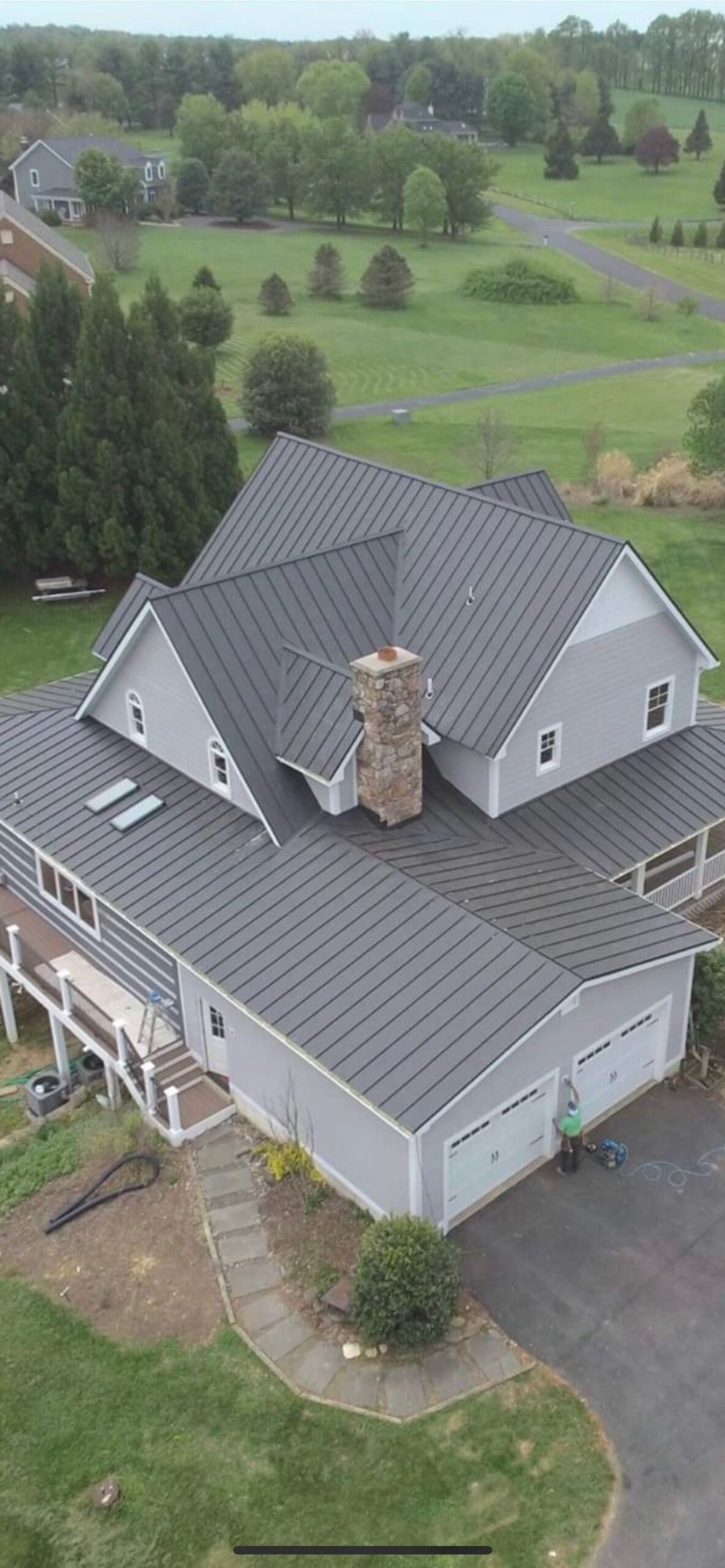
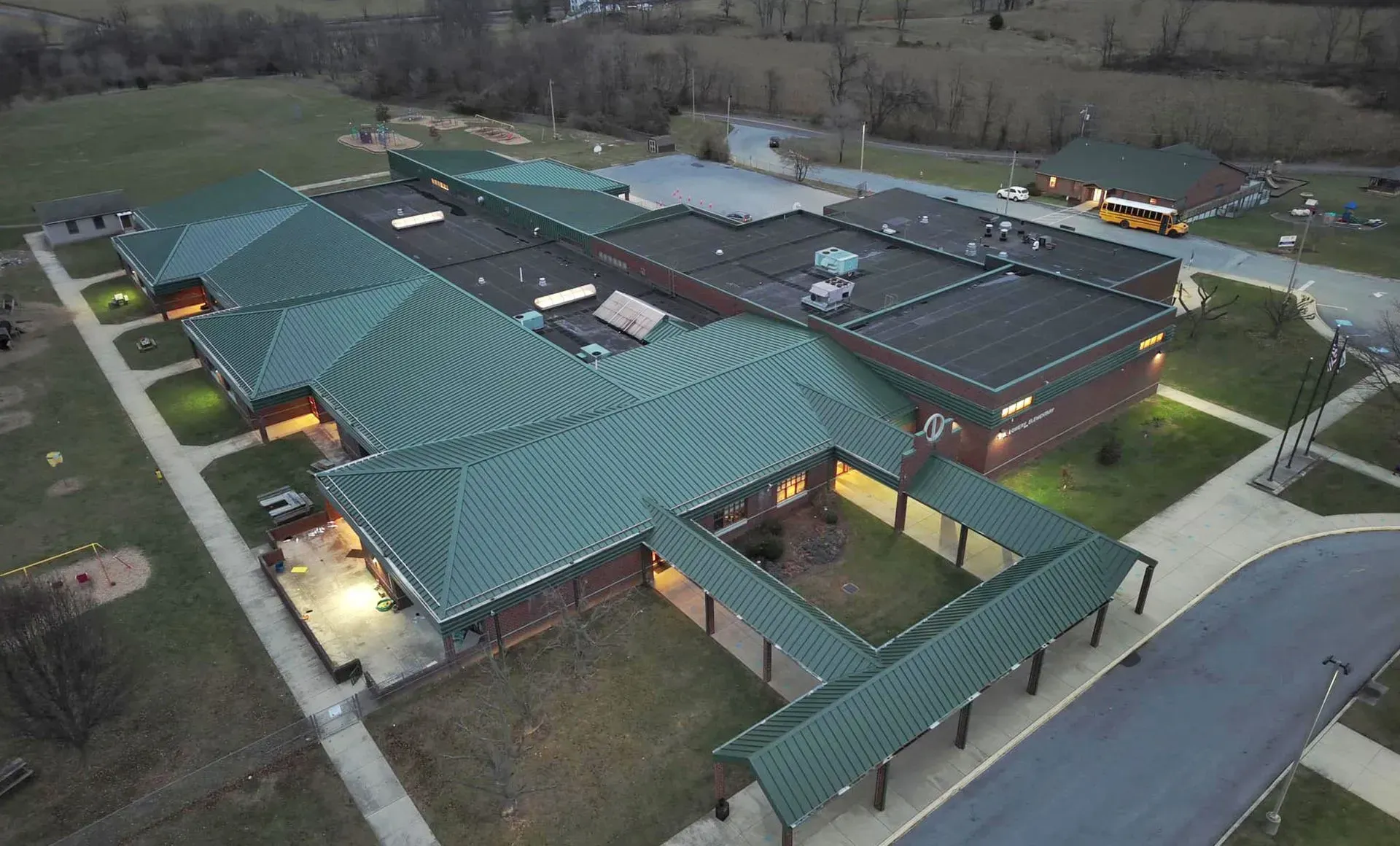
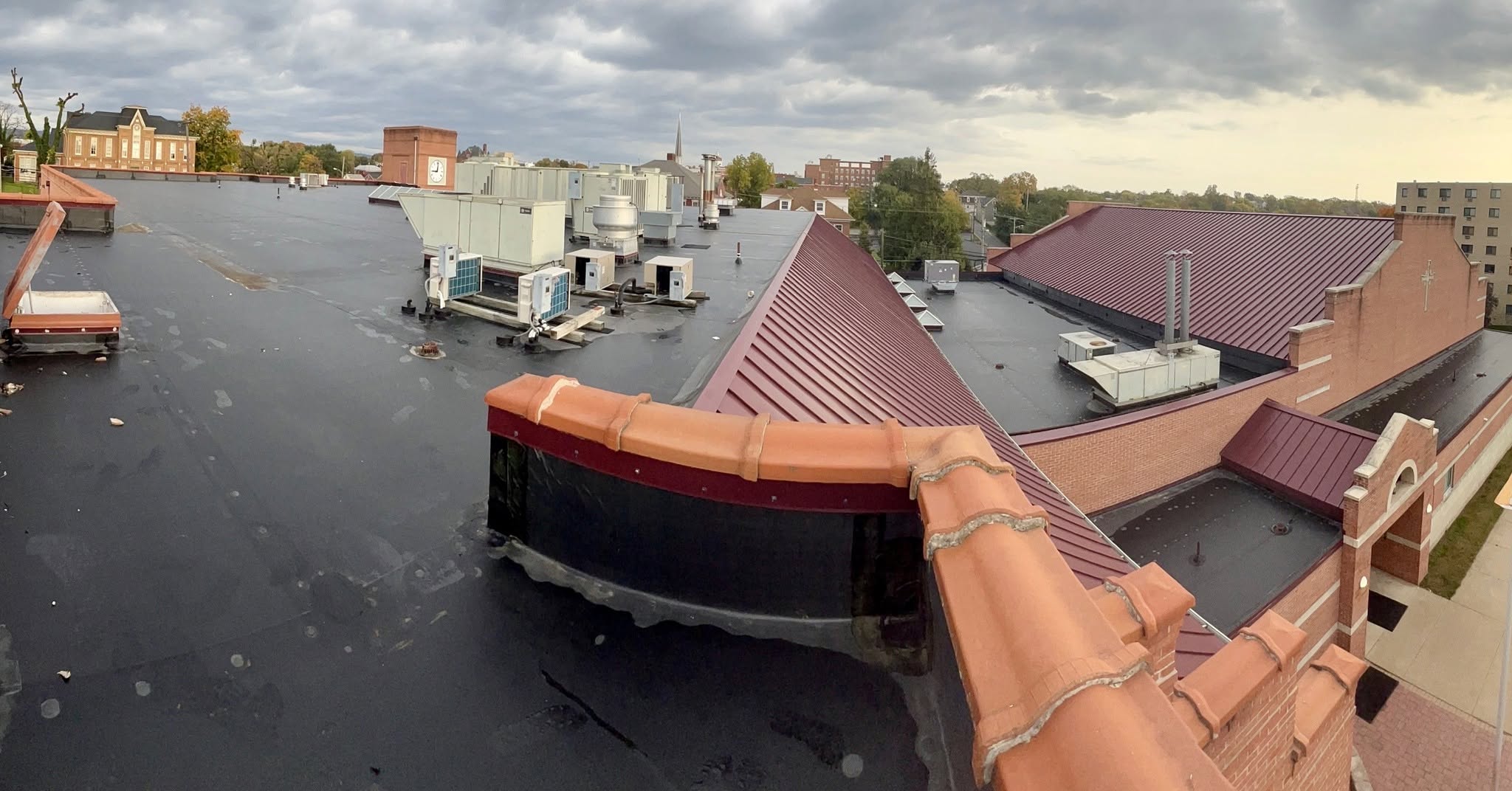
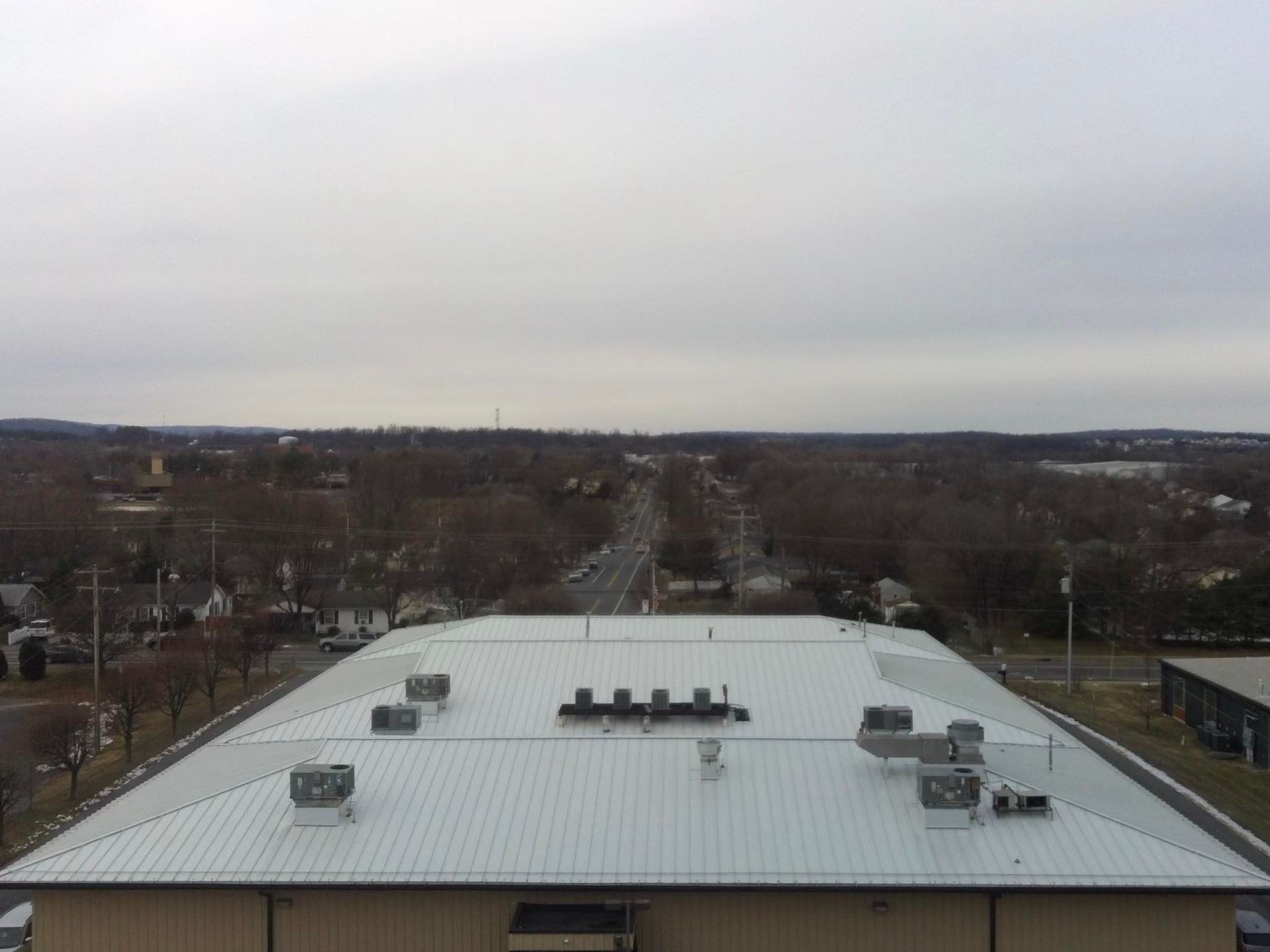
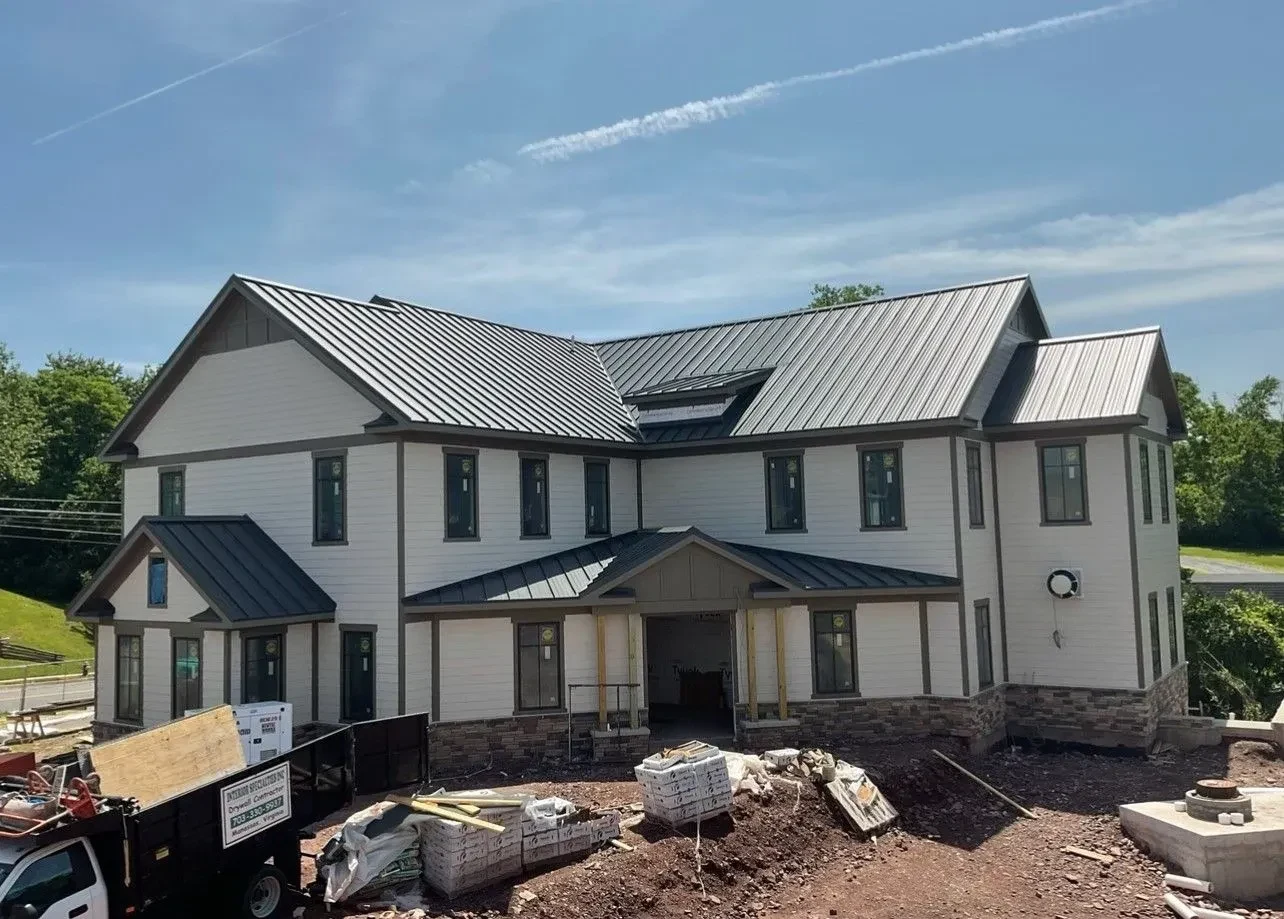
Roofs we have put on around Martinsburg
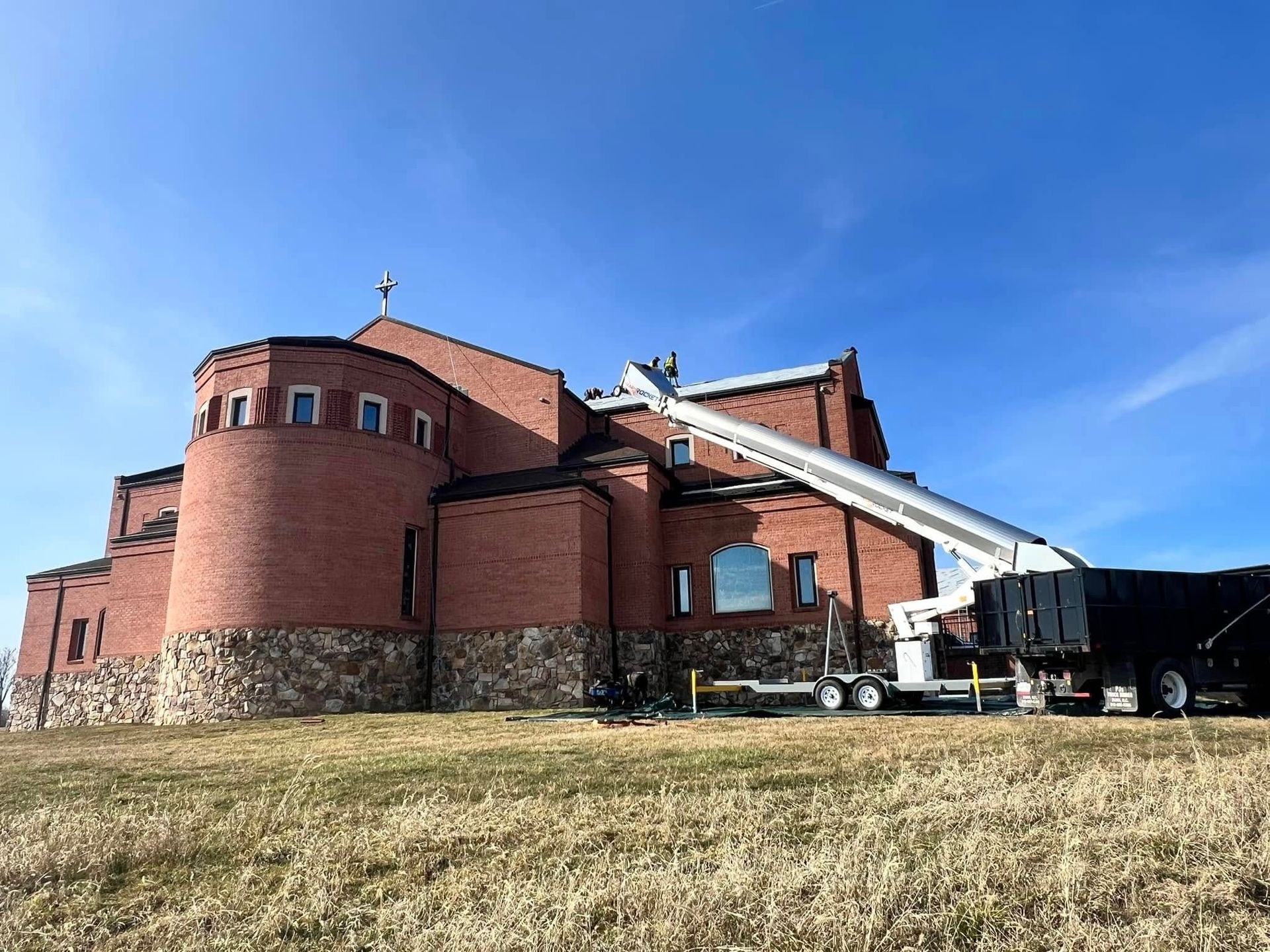
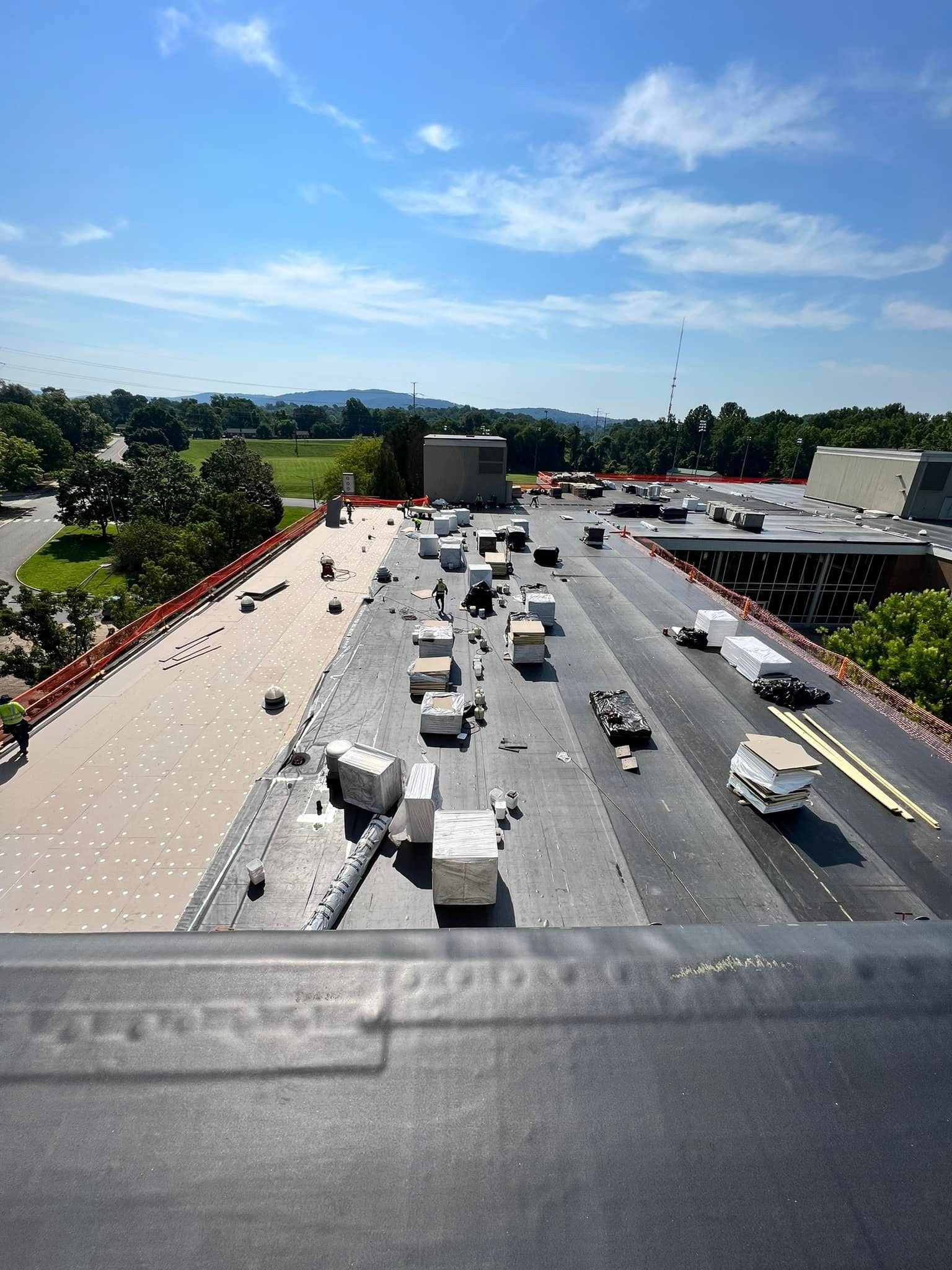
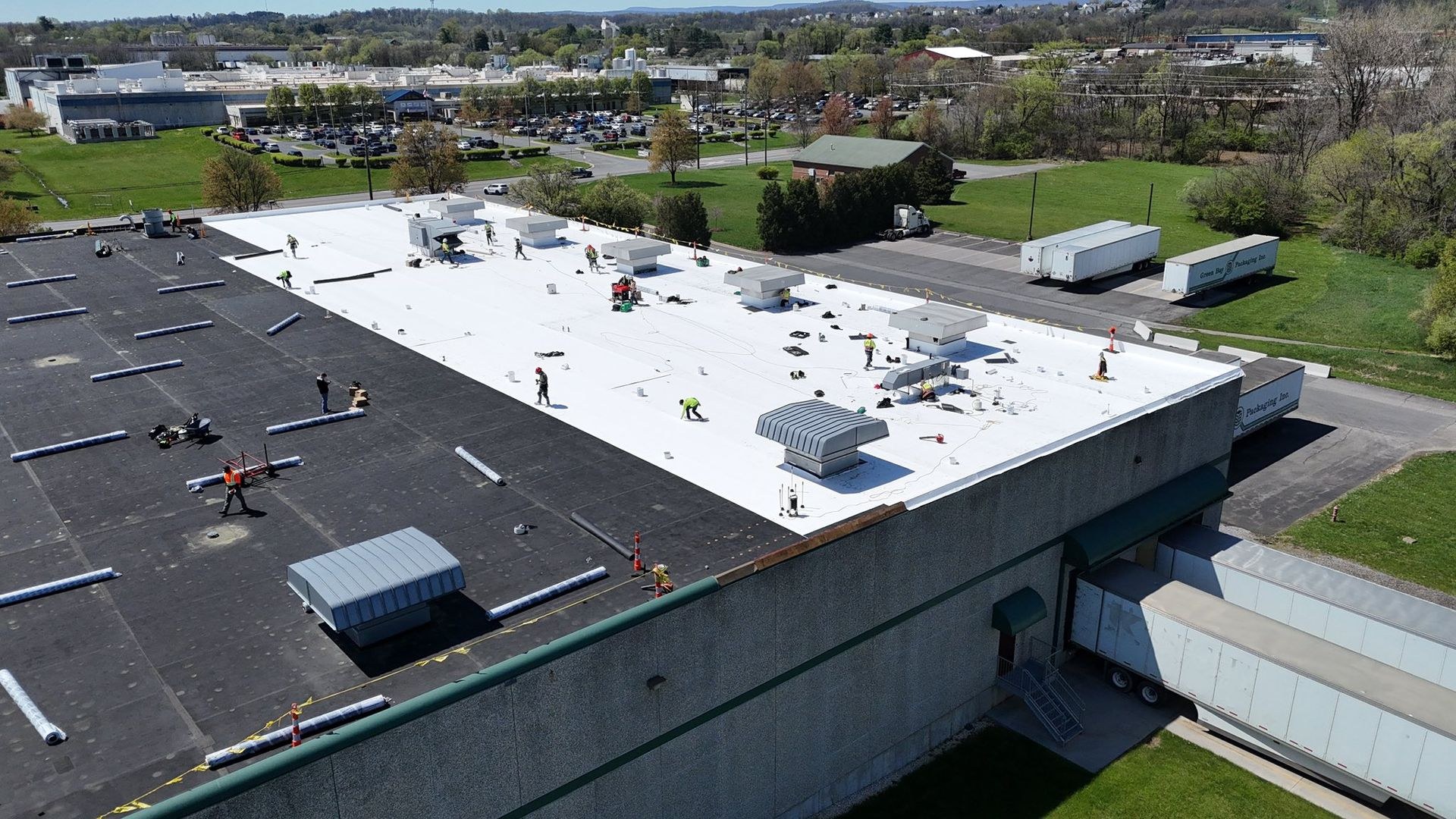
How to read the roofer standing in your driveway
West Virginia requires a state contractor license for work above the dollar threshold set by statute, and the threshold is low enough that any roof replacement clears it. Roofing is a specialty classification, and the license still requires passing the state Business and Law exam. The West Virginia Contractor Licensing Board publishes a lookup you can search by company name, so you never have to take a contractor’s word for it. Ask us for our number and it goes on the estimate. Here is what to do with it, and with everybody else’s.
No license number in the advertising
West Virginia law requires a contractor license number to appear in contracting advertisements, and a website is an advertisement. A company selling roofs in this state with no license number anywhere on its site has already told you how carefully it reads its own paperwork.
Nothing posted at the job
The license also has to be posted where the work is happening. The Berkeley County permit application carries a dedicated Roofing row with fields for the contractor’s name, address, and license number, and Permits and Inspections keeps that record. If nobody pulled a permit, nobody inspected the work.
He offers to cover your deductible
You pay it. Under the Storm Scammer Consumer Protection Act at WV Code section 46A-6M, no contractor in this state may pay, waive, rebate, or absorb your insurance deductible, and none may hand you a gift card or a free upgrade for signing. The offer is not generosity. It is a signal about everything else he intends to do on your roof.
He says he will handle your claim
He cannot. West Virginia does not permit a roofing contractor to negotiate a claim on your behalf, so any version of “we will deal with your insurance company for you” is a warning rather than a service. What a roofer may do is document the damage, hand you a photo report for your adjuster, meet him on the roof, and put missed scope in writing for you to submit. Our roof insurance claims page covers the rest.
He wants money before your claim settles
Once your insurer notifies you that all or part of a claim is not covered, section 46A-6M gives you five business days to cancel, and the contractor may not take payment before that window closes. The only carve out is emergency work already performed at reasonable and customary rates, which is why a tarp is chargeable and the roof behind it is not.
The address on the truck is nowhere near you
A good share of the roofing companies advertising into Berkeley County are headquartered in another state, running a template page with your city name dropped into it. Ask for the street address, then look it up. Ours is 1886 Winchester Ave in Martinsburg, and you are welcome to drive by it.
From the first call to the final walk
You call and a person answers
The phone is answered 24 hours a day, seven days a week, and the after hours line is not a voicemail box somebody checks at eight the next morning. If the ceiling is coming down right now, say so first and we route you to emergency response instead of a scheduling queue.
We inspect the roof and document it
A free documented inspection means somebody gets on the roof, into the attic where there is access, and comes back with photographs. You keep the photos whether you hire us or not. If what you have is a mason’s problem or a gutter problem, you hear that on the first visit instead of getting a quote for a roof.
You get a written scope, not a number on a card
The estimate lists what is being torn off, what is going back on, which layers are included, and what happens if we open the deck and find rot. Our license number goes on it. Read that document against every other bid you collect, because the cheap one is usually cheap in the layers nobody photographs.
Permits, materials, and a real date
We pull the Berkeley County permit, order the material, and give you a date. Weather in the Panhandle moves roofing dates and anybody who tells you otherwise is selling. If your date moves you get a phone call rather than an empty driveway.
Tear off and install
You get names before the crew arrives: who is running your job, how to reach that person directly, and who owns the work from the estimate through the final walk. On a tear off you will hear them by seven. Property gets protected, the deck gets inspected once it is open, and any rot gets shown to you before it is covered up.
Cleanup, final walk, and paperwork
Magnet sweep for nails, debris hauled, and a walk with you at the end. You get the manufacturer documentation for the products that went on your roof, and the workmanship coverage is written into your contract in plain terms before you sign rather than described at the kitchen table.
The layers that go on, and what each one is for
Almost nobody publishes this, which is why bids are so hard to compare. A roof is a stack of parts and the differences between a good one and a cheap one live in the layers you never see again once the shingles are down. Here is the stack we work from.

The wood the whole roof sits on
Plywood or OSB on newer county subdivisions, plank or board decking on the older stock inside the city. It gets inspected once the old roof is off, and soft or rotted sheets get replaced. On an older Martinsburg house this is the line item that changes most often between the estimate and the finished job, which is why we show it to you before it gets covered.
Self adhering membrane at the vulnerable edges
It seals around the fasteners driven through it and goes at the eaves, in the valleys, and around penetrations. The Eastern Panhandle gets the freeze and thaw cycles that build ice dams at the eave, and this is the layer that keeps the backed up melt out of your ceiling.
The secondary water barrier over the field
Synthetic underlayment across the rest of the deck. It is what stands between your house and the weather during the install, and it is the backup once the roof is finished. Cheap felt is where a low bid quietly gets low.
Metal at every place the roof meets something else
Valleys, chimneys, sidewalls, skylights, pipe boots. This is where most leaks in Berkeley County actually start, not out in the open field of shingles. Reusing old flashing to save a few dollars is the single most common shortcut in this trade.
The surface everybody actually looks at
Starter course at the eaves and rakes, then the field material: asphalt shingles, standing seam metal, or slate and specialty on the historic homes. Wind uplift on an exposed ridge line is a real consideration here, and the starter course is what holds the first row down.
Intake at the soffit, exhaust at the ridge
A roof that cannot breathe cooks its own shingles from underneath and shortens the life you paid for. Balanced intake and exhaust also drops the attic moisture that rots decking through a humid valley summer.
Drip edge, gutters, and where the water goes
Water leaving the roof has to land somewhere that is not your foundation or your siding. Gutters and drip edge go on the same trucks with the same crew, because the leaks nobody can find live in the handoff between the roof and the wall.
What you are actually hiring
Licensed in five states
VA, WV, MD, PA, FL. Five licenses means five sets of renewals, five insurance filings, and five regulators who can take away your ability to work. A company carrying that load keeps its paperwork in order or does not last.
Family owned since 2016
Same family, same phone number, still answering it the following spring when the callbacks start. We are not the truck that pulls into your driveway the morning after a hailstorm with an out of state plate.
Licensed, bonded, and insured
Ask for the certificate of insurance to come to you from the insurance agency rather than as a PDF forwarded by us. A call to the agent confirms the policy is in force today. We have no problem with you checking.
4.9 stars from 50 Google reviews
Left by people in Berkeley County and the northern Shenandoah Valley who had us on their roof. Read them, then read the ones for whoever is bidding against us.
Start where your building is
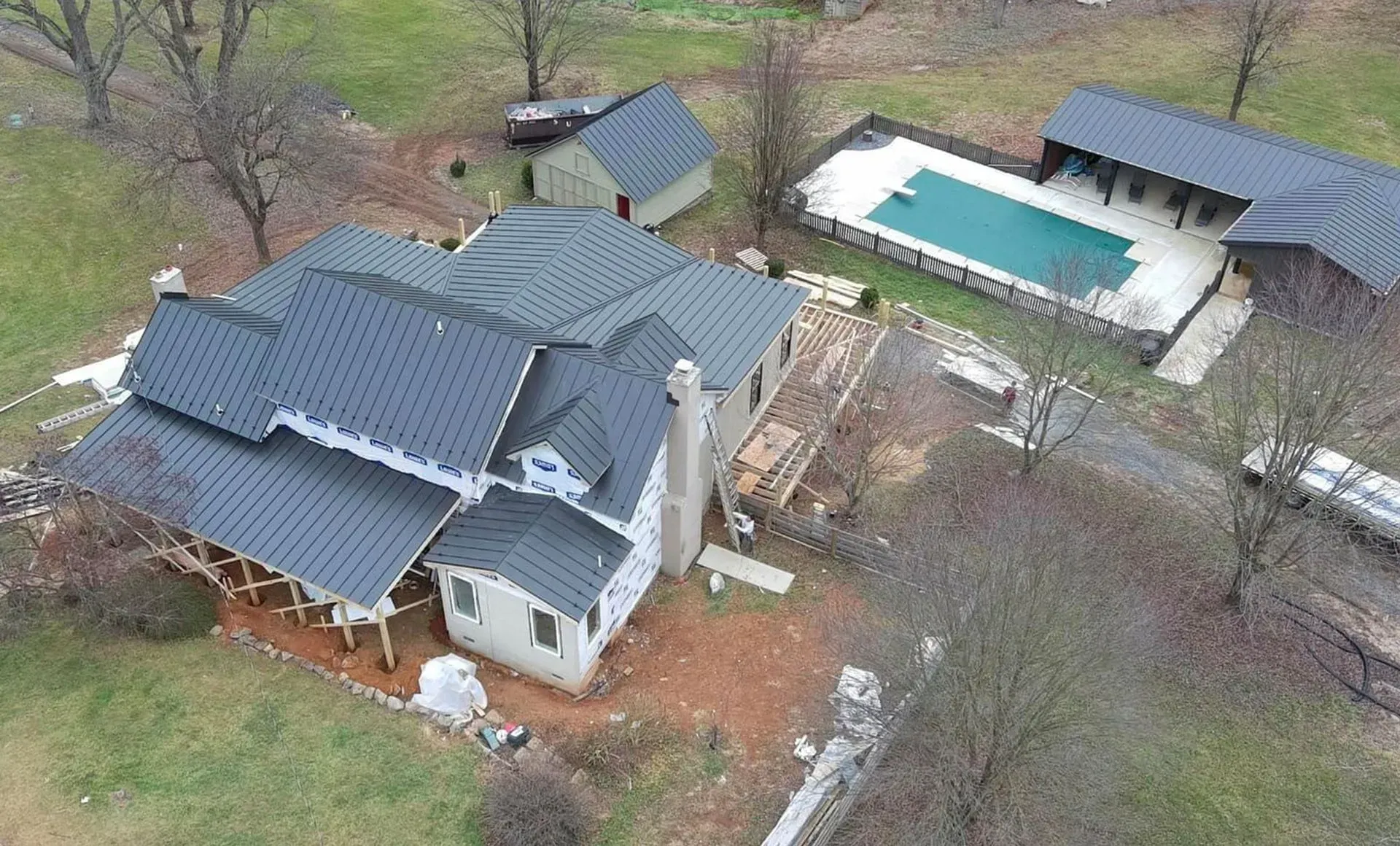
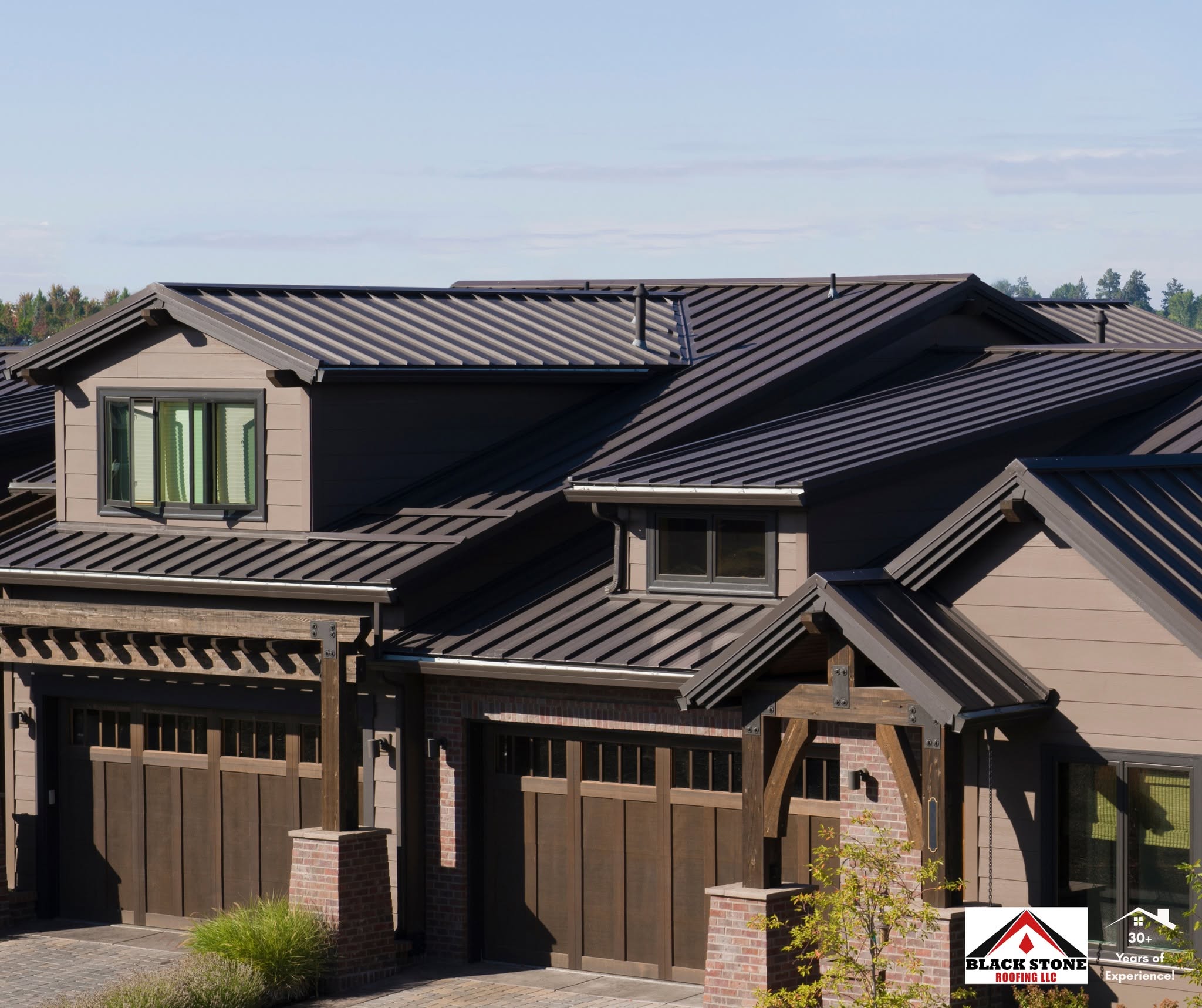
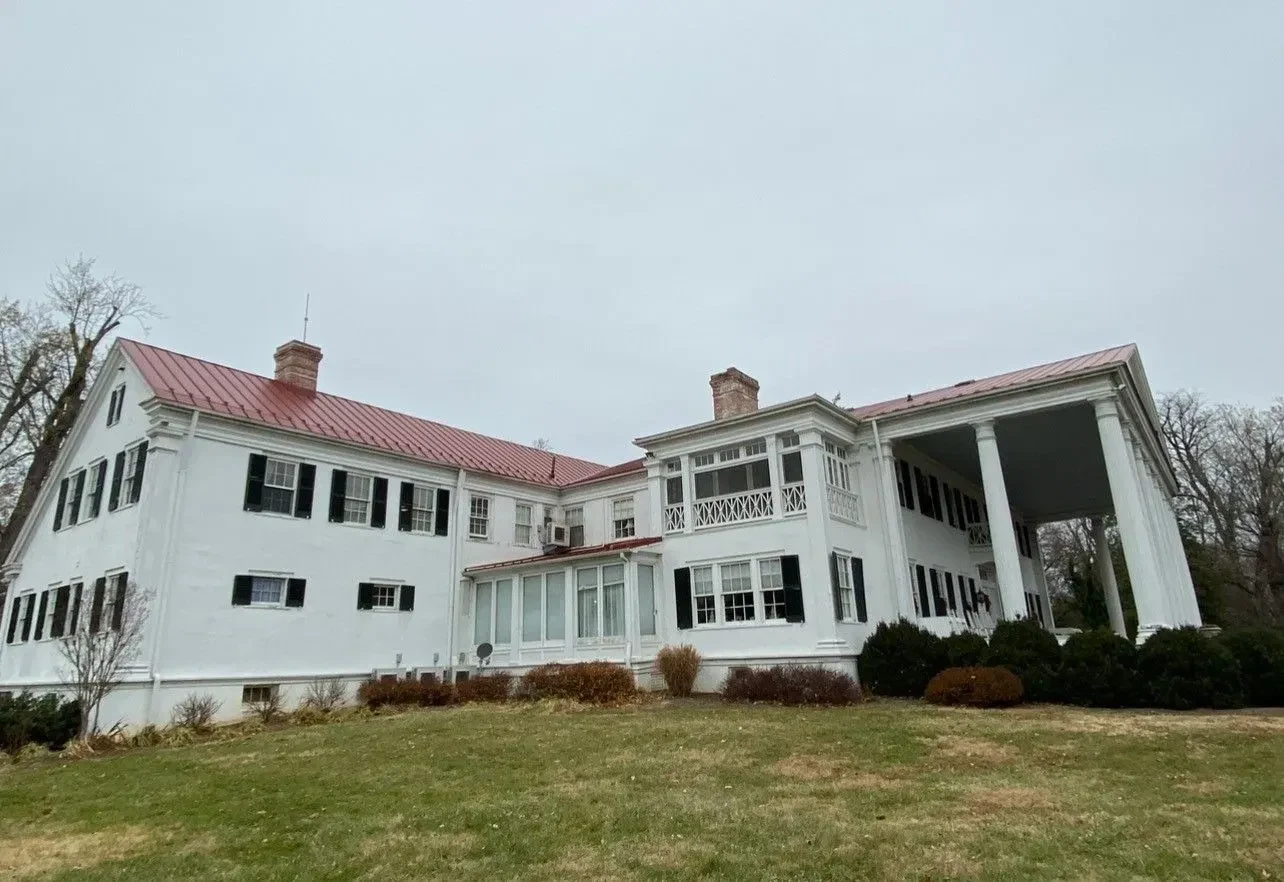
Residential Roofing
Shingle, metal, slate, and specialty work for the historic city stock and the county subdivisions alike.
Roof Replacement
Full tear off and rebuild when the shingles are past repair and patching is throwing money at it.
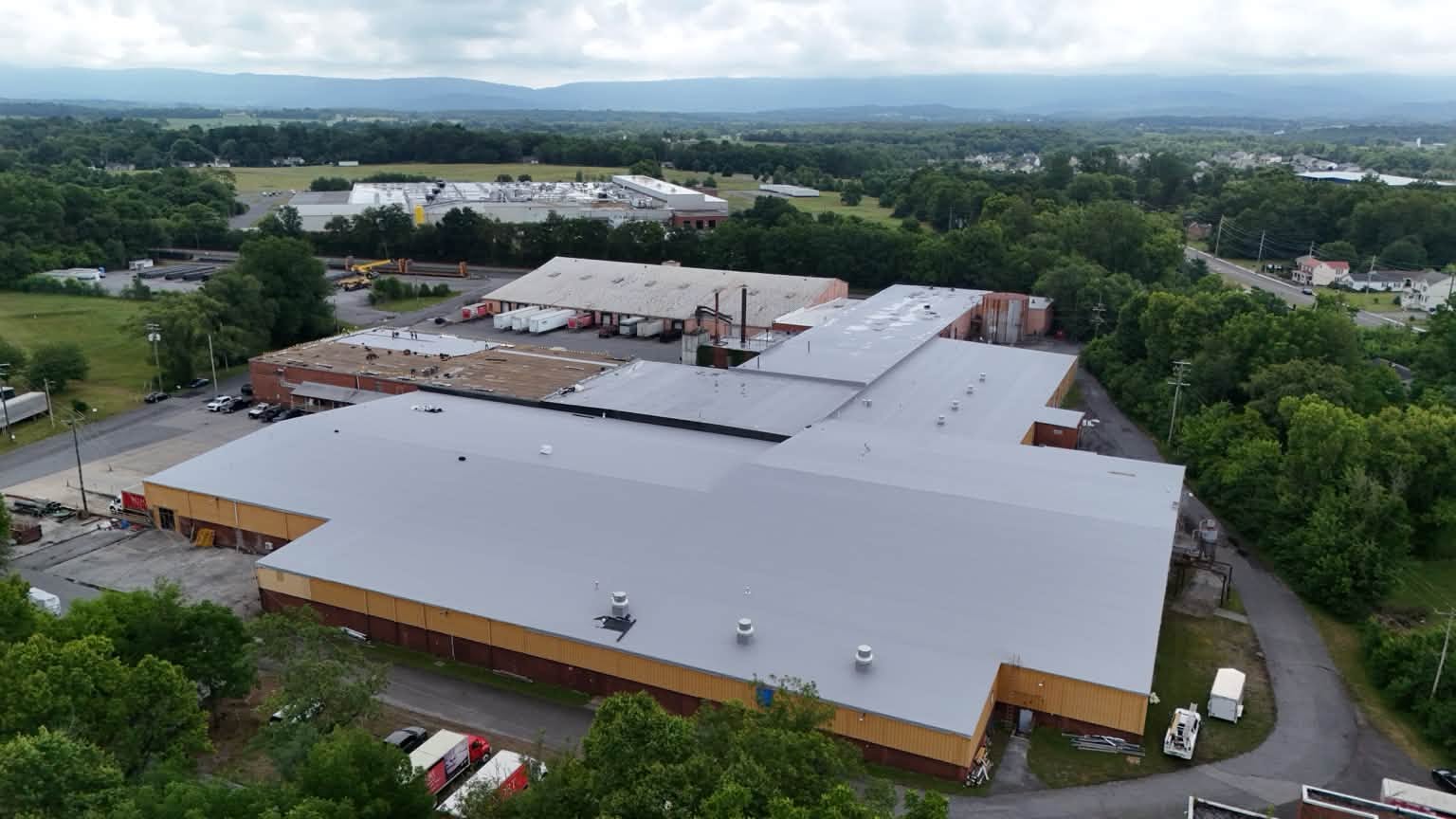
Commercial Roofing
Membrane, coatings, and structural metal for warehouse, retail, church, and institutional buildings.
Single Ply Membrane Roofing
Low slope membrane systems for the flat roofs along the I-81 and Tabler Station corridor.
Roof Inspection
A free documented inspection, photos you keep, and an honest answer on repair versus replacement.
Roof Repair
Flashing, leaks, and storm damage handled before a repair turns into a replacement.
Emergency Roof Repair
Response runs 24 hours when the ceiling is coming down right now.
Storm Damage Roof Repair
Wind and hail damage documented, tarped, and repaired across Berkeley County.
Roof Insurance Claims
Documented damage, a photo report for your adjuster, and missed scope put in writing.
Exterior Services
Gutters, siding, and windows on the same trucks with the same crew.
Martinsburg first, then the rest of the Panhandle and the valley
Do not see your town? We work the whole corridor, so ask or call (540) 550-9703.
Questions people ask before they hire us
-
Where is Black Stone Roofing based?
1886 Winchester Ave, Martinsburg, WV 25405. We are physically in Berkeley County, which means our crews are not driving in from another state to bid your roof and driving back out when the season ends. Martinsburg and Berkeley County are our primary market, and we cover the rest of the Eastern Panhandle and the northern Shenandoah Valley from the same place.
-
Who is actually going to be on my roof?
You get names before the job starts: who is running your crew, how to reach that person without going through an office, and who owns your job from the estimate to the final walk. That is not a normal disclosure in this trade, which is why we make it. If a company bidding against us will not tell you who is doing the work, ask why.
-
You are licensed in five states. Does that make you a storm chaser?
It makes us the opposite of one. A storm chaser works without a local license, takes a deposit, and leaves. We have been in business since 2016, we hold a West Virginia contractor license that goes on your estimate and gets posted at the job, and we are family owned with an address in Martinsburg you can drive to. The licenses let us send crews toward damage legally, and we are still answering the phone the following spring when the callbacks start.
-
Can I see proof of insurance?
Yes, and take one extra step. Ask for the certificate of insurance to come to you from the insurance agency rather than as a PDF forwarded by the contractor, because a certificate is easy to alter and a call to the agent confirms the policy is in force today. We have no problem with you checking. Anyone who does have a problem has answered your question.
-
Do you really do commercial work, or is that a sideline?
It is a real part of the business. Single ply membrane, restoration coatings, structural standing seam, and new pre engineered steel buildings, on top of the residential side. Berkeley County has a genuine low slope market that most roofing companies here ignore, and the warehouse and manufacturing corridor along I-81 is most of it.
-
What happens if something goes wrong after the job is finished?
You call the same number you called the first time and we come back out. You get the manufacturer documentation for the products that went on your roof, and the workmanship coverage is written into your contract in plain terms before you sign rather than described at the kitchen table. Read that section on every bid you collect. If a contractor cannot show you where his workmanship coverage is written down, there is nothing to enforce later.
Talk to a roofer, not a call center
Free inspection anywhere in Martinsburg and Berkeley County, with photos you keep whether you hire us or not. Call (540) 550-9703 or email Info@BlackStoneRoofing.org. Open 24 hours, seven days a week, and somebody picks up at 2 a.m.