Home/Roofing FAQs
EVERY ANSWER IN ONE PLACERoofing FAQs
The questions people actually ask us, pulled off every page on this site and answered in one place. Licensing, permits, insurance rules, materials, what a tear off looks like from your driveway, and the things a roofer is not allowed to do in West Virginia no matter what he tells you at the kitchen table. If your question is not here, call (540) 550-9703 and ask it out loud.
Water coming in tonight
Emergency response
Stop reading and call. Tarped and stabilized before more gets inside.
Nothing is leaking yet
Free inspection
Photos you keep and a straight answer on repair versus replacement.
Request your free estimate
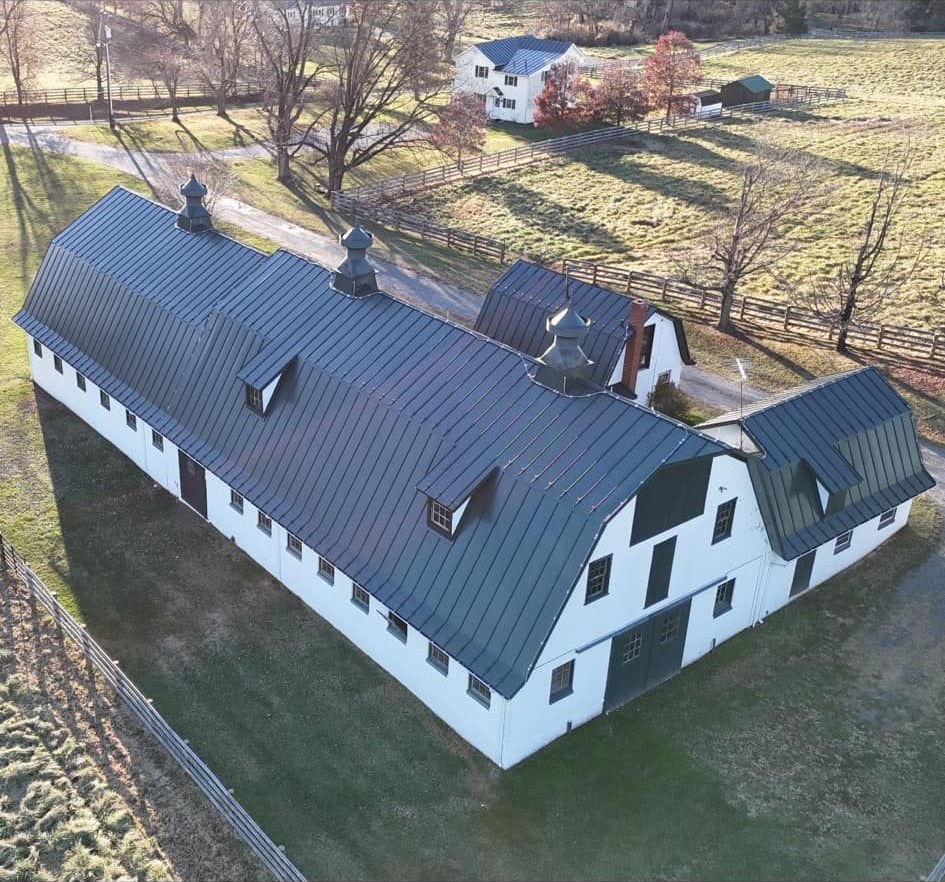
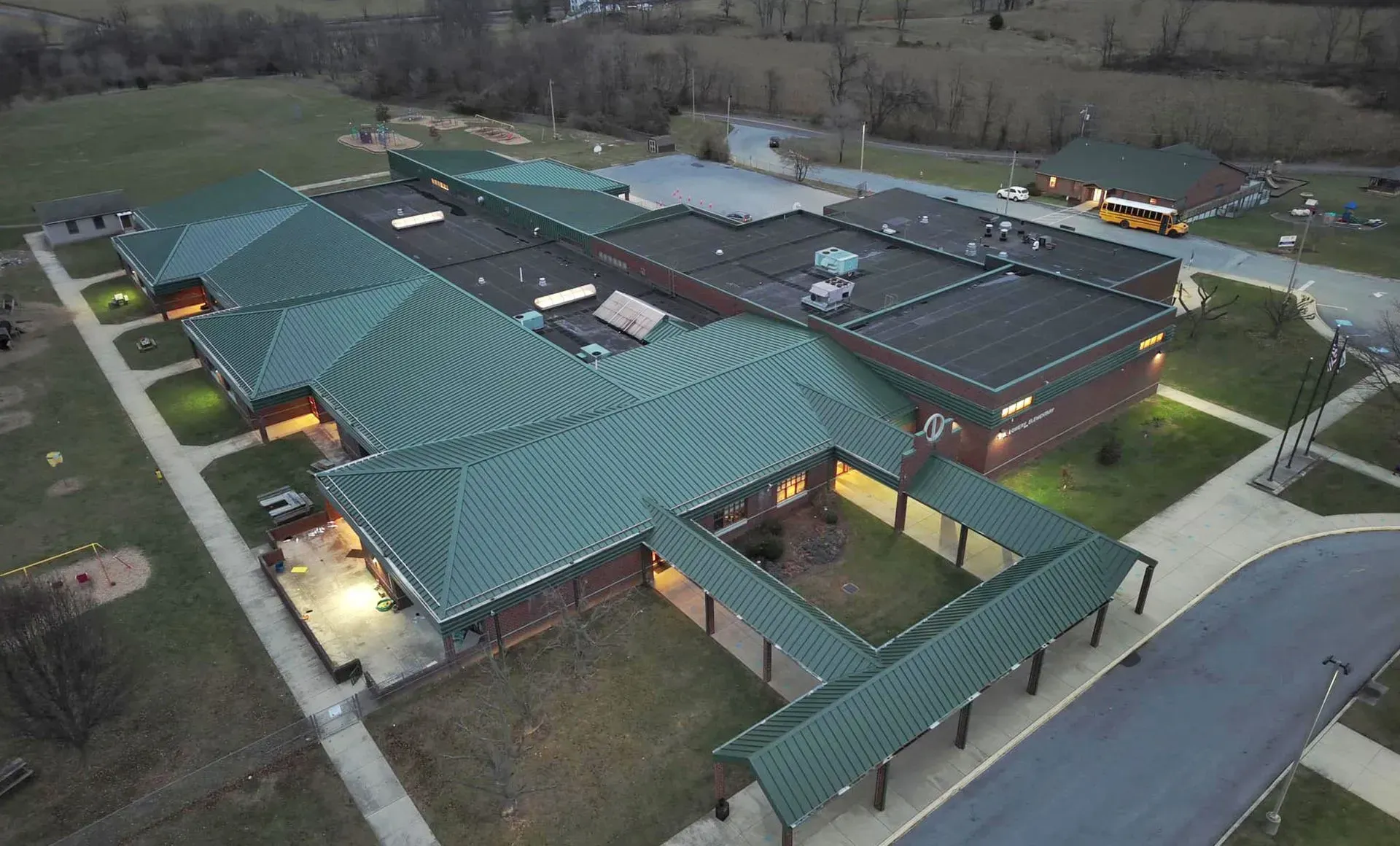
The roofs behind the answers
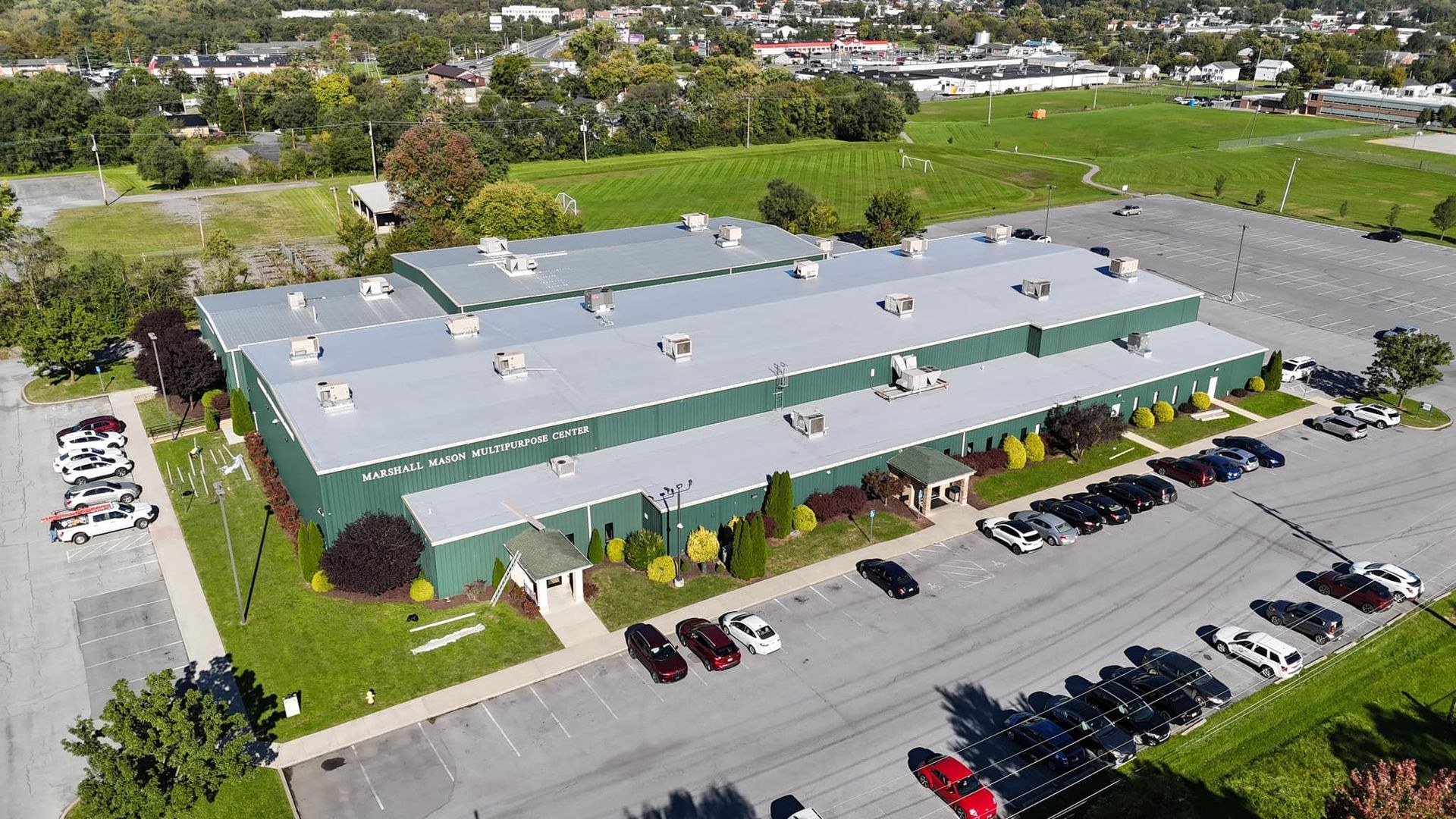
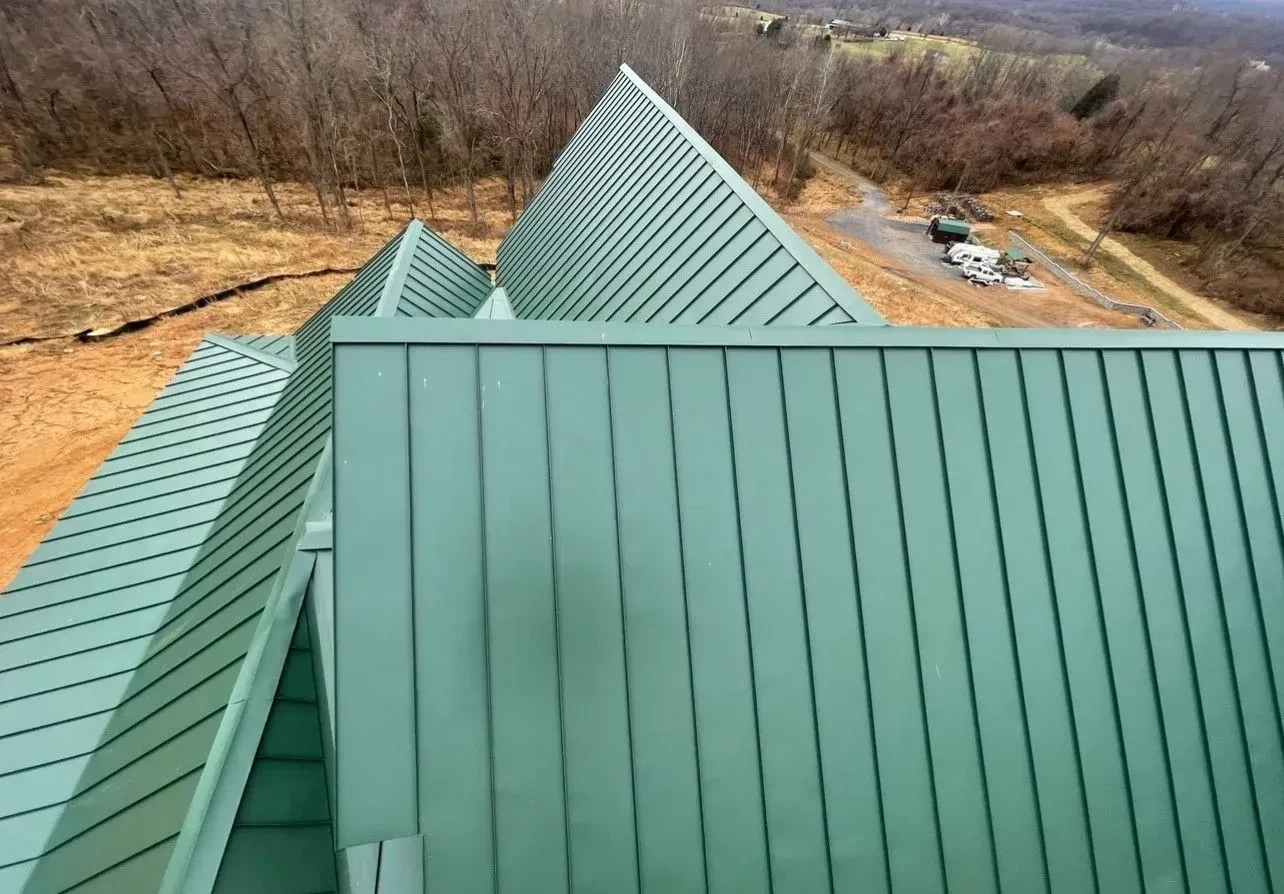
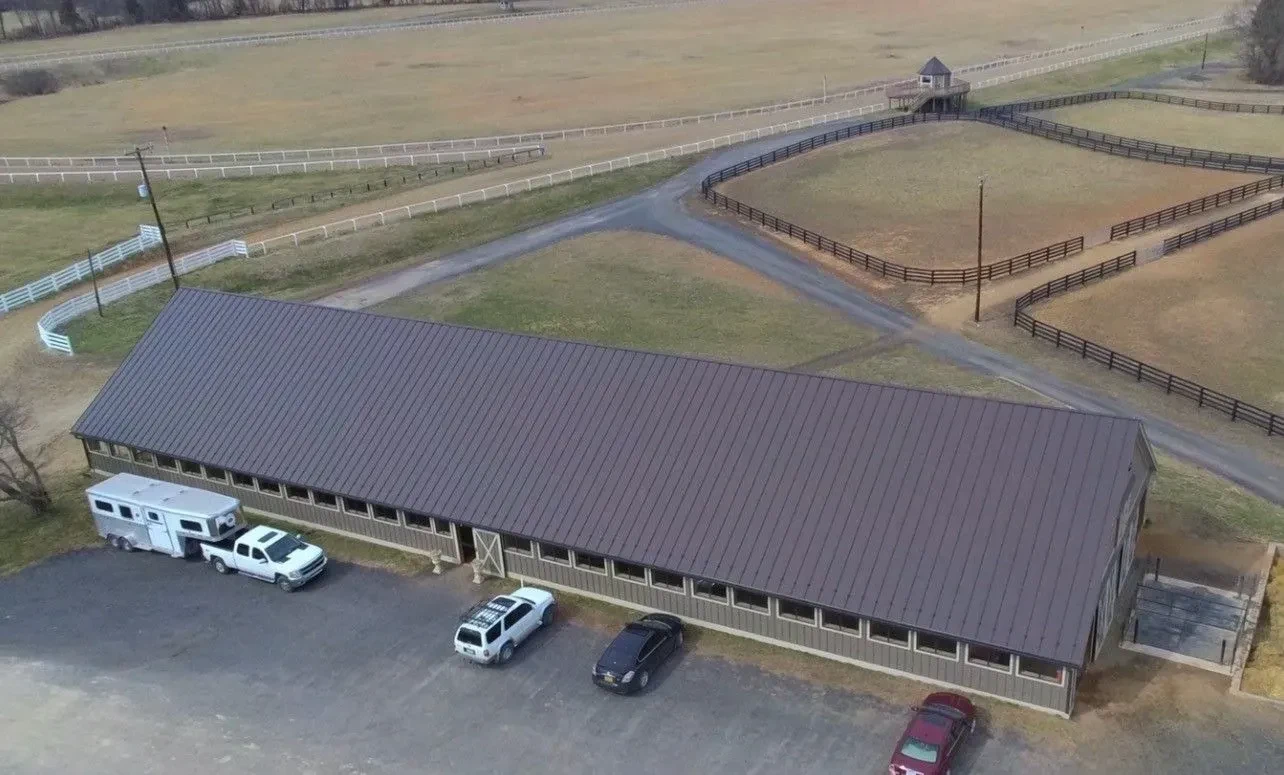
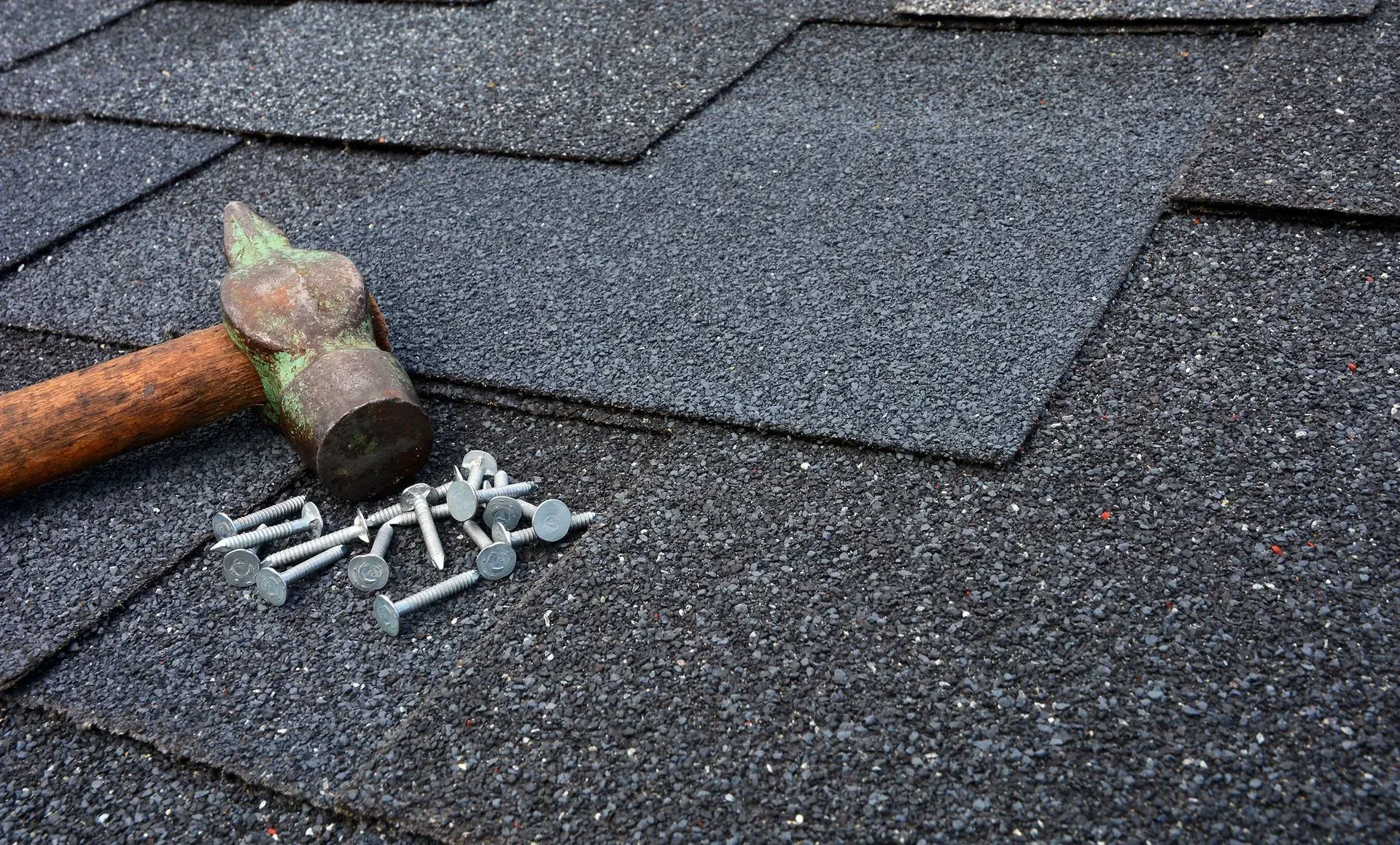
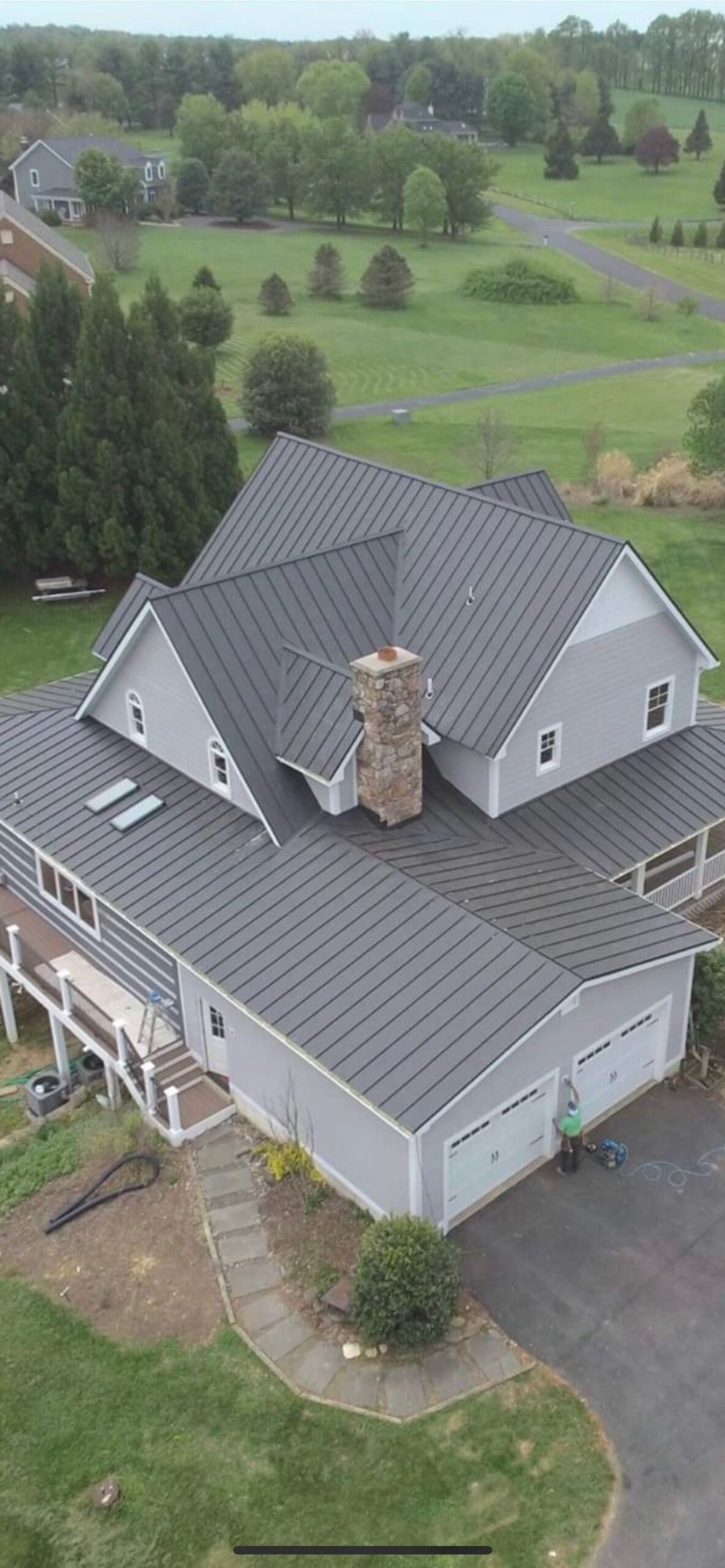
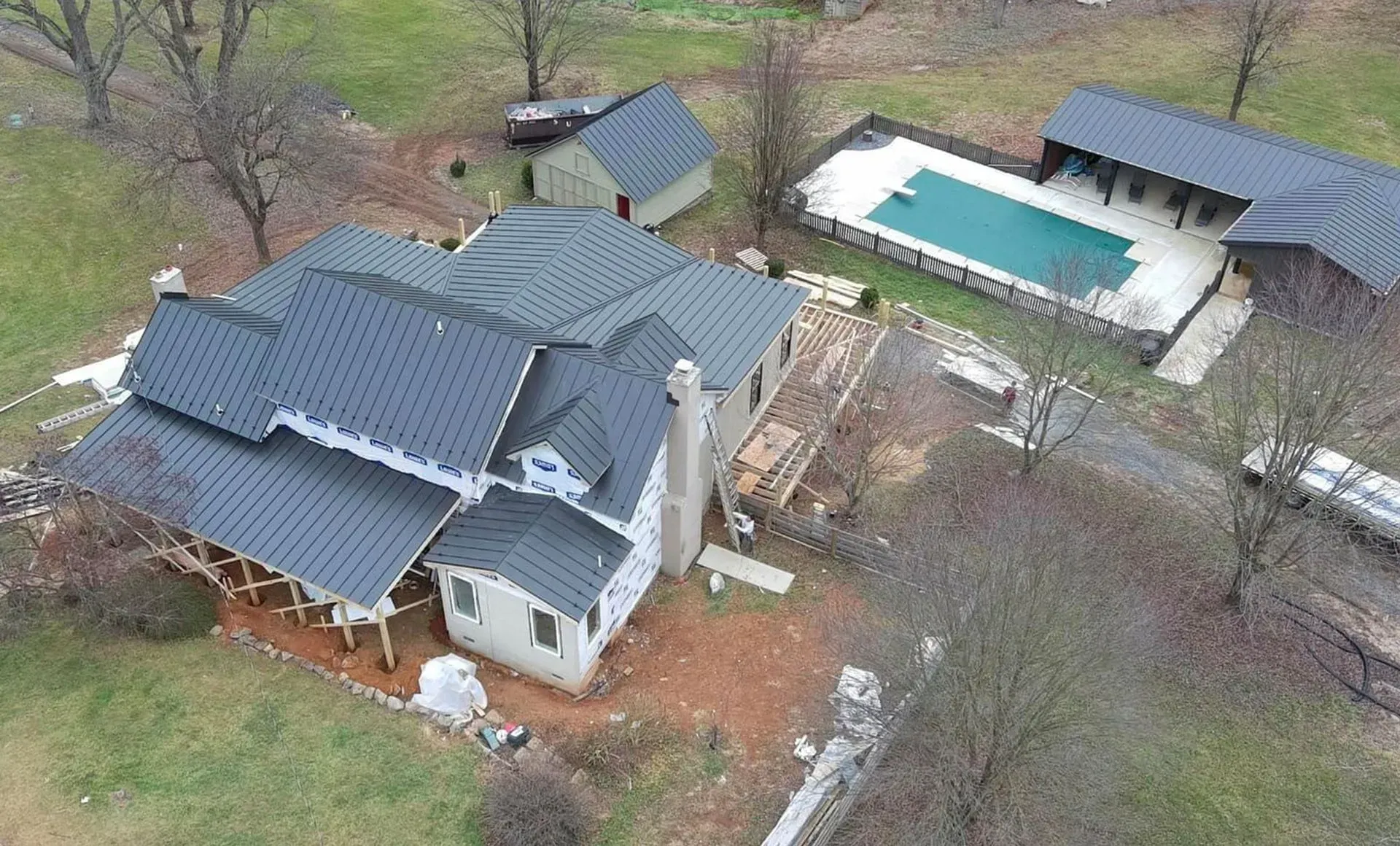
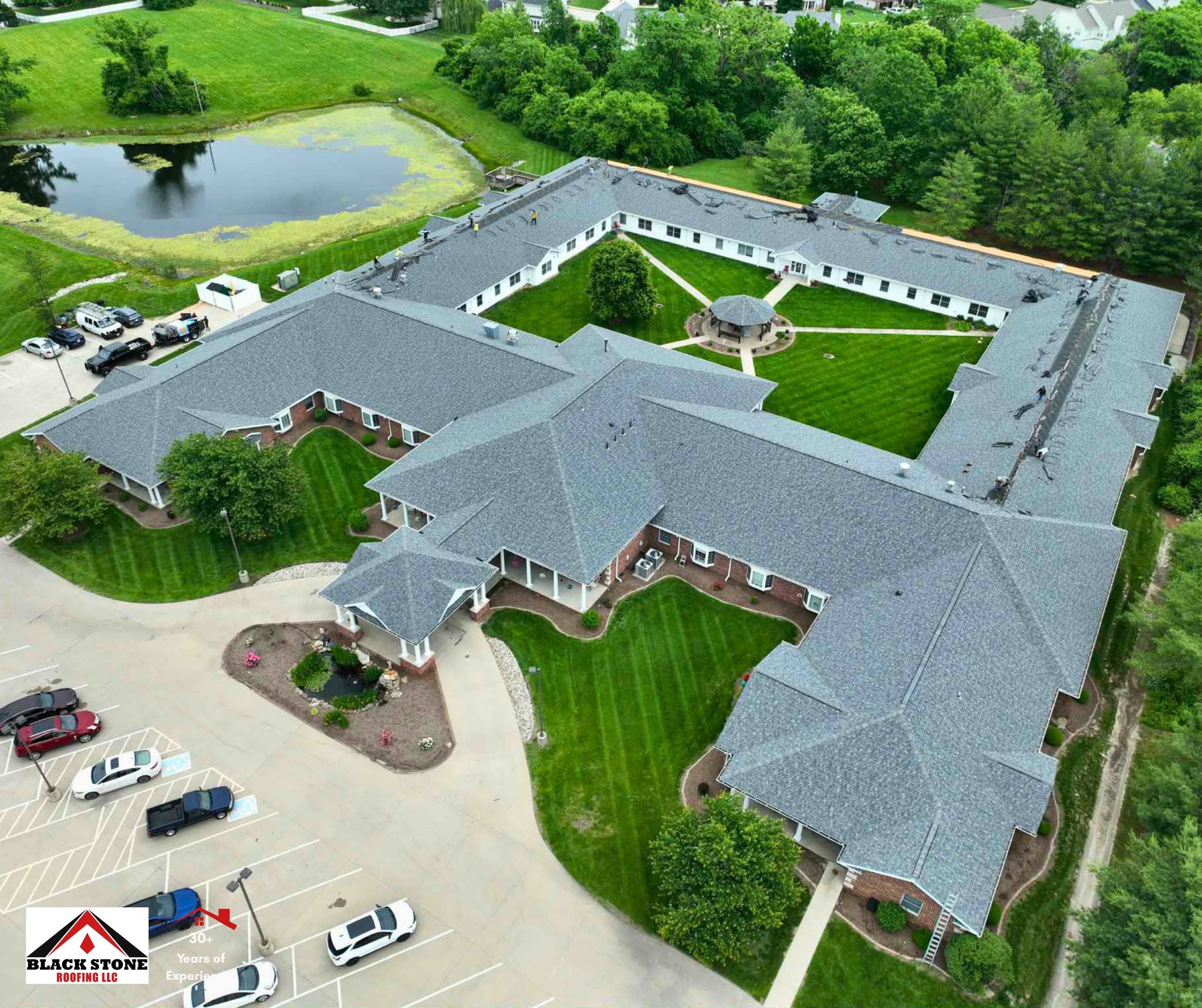
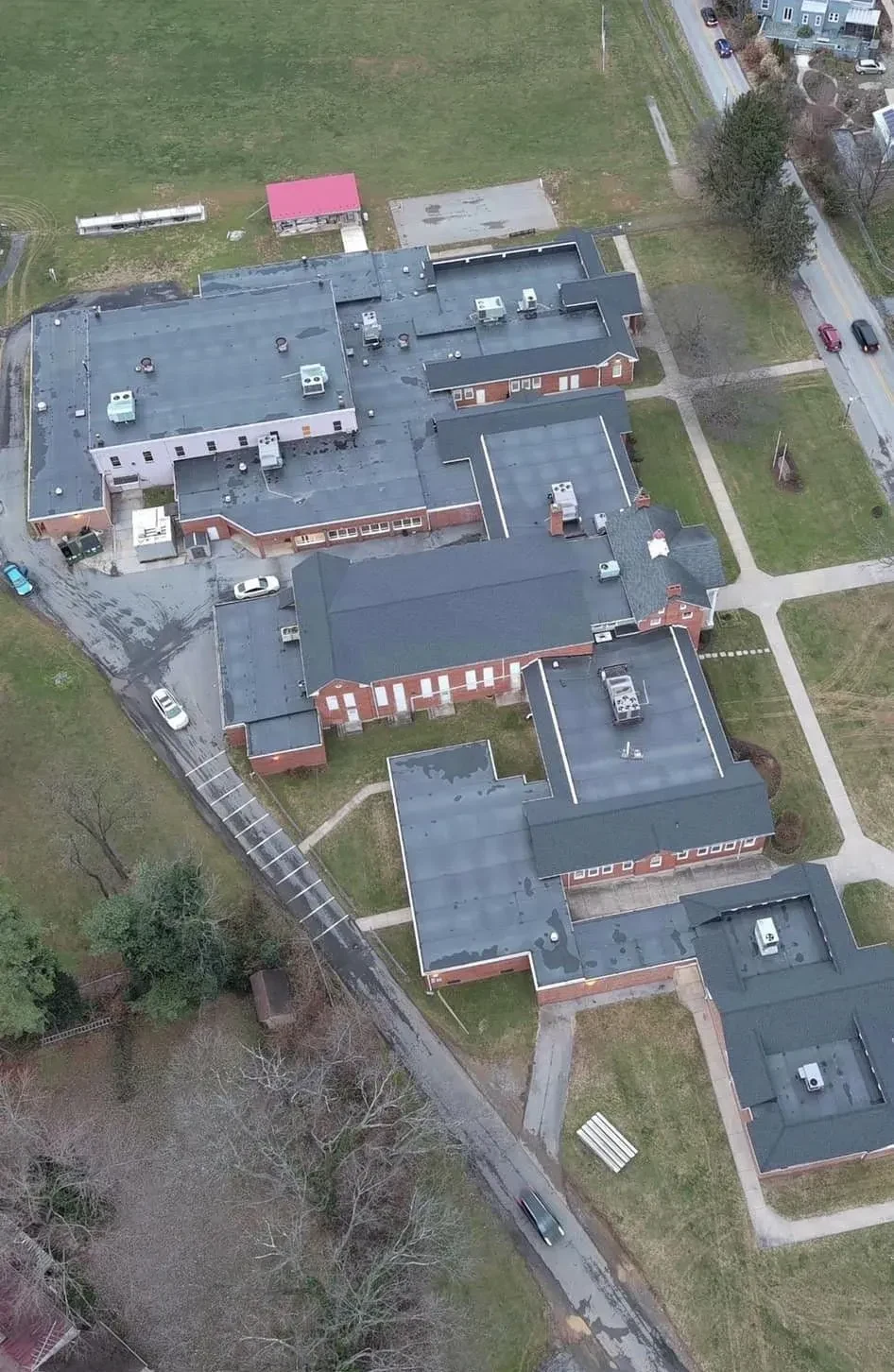
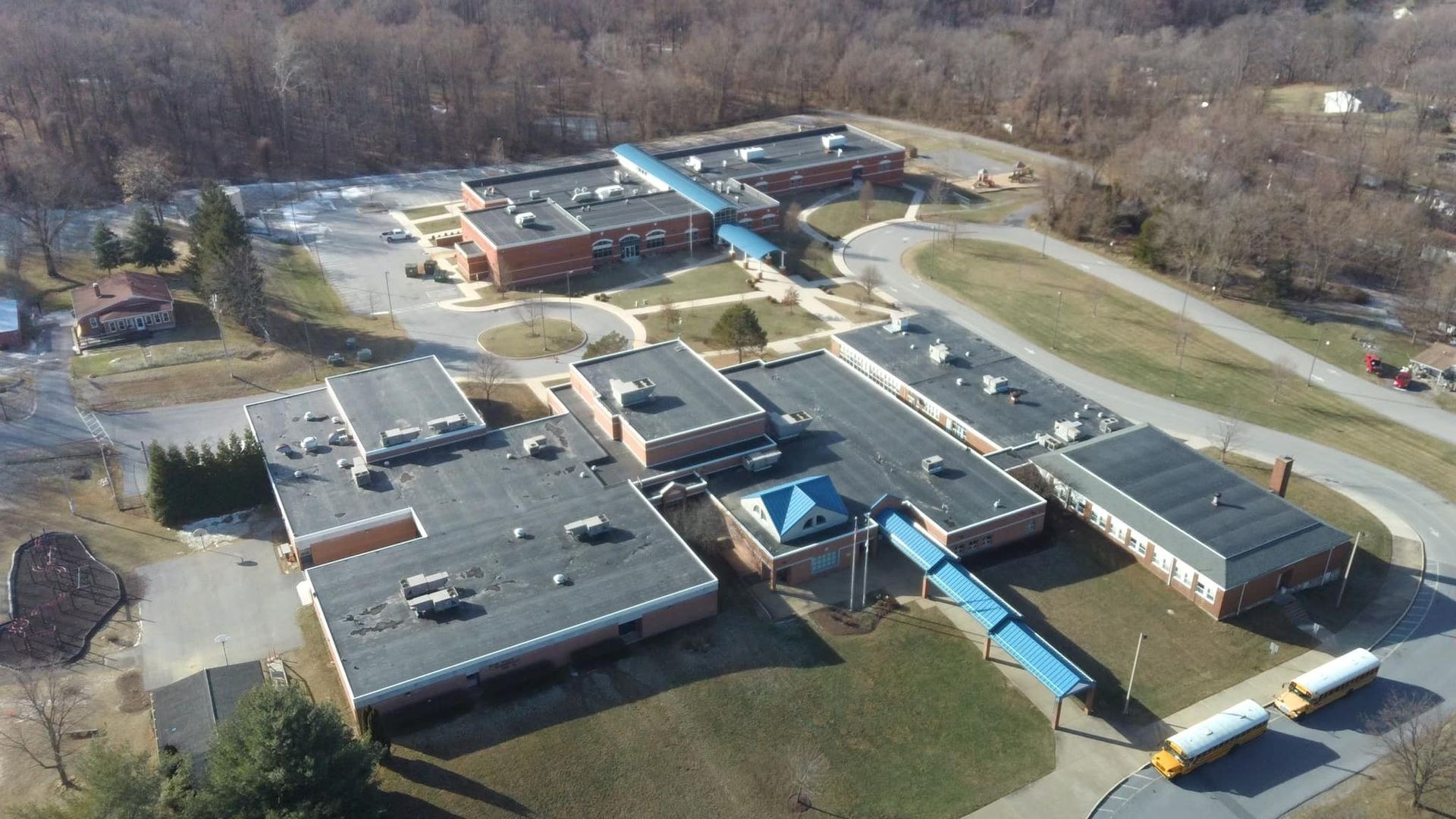
Which question are you actually asking
Most people land on a page like this with one of six problems. Sorting yourself into the right one first saves you an hour of reading, because the answer to “how much does a roof cost” is completely different depending on whether your ceiling is wet right now, your insurer just sent a check you do not understand, or you are simply trying to figure out how many years you have left.
There is water in the house right now
Nothing else on this page matters yet. Get it stopped, then sort out cause, coverage, and scope in daylight. Call the number rather than filling out a form, say the address first, and say whether the water is still running or whether it quit when the rain did.
A storm went through and you do not know what it did
Wind and hail damage is mostly invisible from the driveway, and the clock on a claim starts at the date of loss, not the date you noticed. What you want is documentation by slope and elevation before anything is repaired or covered up.
Somebody already told you that you need a new roof
Maybe you do. What you are missing is a second read from somebody with no reason to reach that conclusion. That is the whole point of a free documented inspection: you get the photos whether or not you hire the person who took them.
You are trying to compare three bids
They are not comparable until they list the same layers. Decking, ice and water barrier, underlayment, flashing, starter, field, and ventilation. The cheap bid is almost never cheaper labor. It is a shorter list of layers written in language you were not meant to notice.
An insurance claim is in play
Read the money and contract questions further down before you sign anything. West Virginia has statutory rules about deductibles, advance payments, and cancellation windows, and a contractor who breaks them on day one is telling you exactly how the rest of the job will go.
You are just trying to plan ahead
Good. Roofs replaced on your calendar cost less and go better than roofs replaced on the weather’s calendar. An inspection now gives you a rough runway and a list of the small things that buy years, which is what preventative maintenance is for.
Who you are hiring, and how to check
-
Where is Black Stone Roofing based, and why does that matter?
1886 Winchester Ave, Martinsburg, WV 25405. Winchester Avenue is a street in Martinsburg, so despite the name that address sits in Berkeley County, West Virginia, not in Virginia. It is a physical location you can drive past, and it is the address printed on every estimate we write. Winchester, Virginia is one of the cities we serve, roughly half an hour down the road, and it is a very different thing from where a company is based. When you are checking any roofer, ask for the street address and then look it up, because a rented mailbox and a template page with your city dropped into it is the oldest trick in this trade.
-
Do you use your own crews, and will I know who they are?
Ours, and you will have the name of the person running your job before a truck shows up, along with a way to reach that person without routing through an office first. One name owns your job start to finish. Most roofing companies never volunteer this, so make every bidder answer it, and notice how long the pause is before they do. In a trade where the same sales pitch can be followed by an unfamiliar crew and nobody accountable in between, knowing who is on your roof is not a small detail.
-
Licensed in five states sounds like a storm chaser. Is it?
It is the opposite. A storm chaser shows up without a local license, collects a deposit, and is gone before the callbacks start. We are family owned, in business since 2016, working out of a fixed address in Martinsburg, and the license we hold in West Virginia goes on your estimate and gets posted at the job site. Licenses in VA, WV, MD, PA, and FL mean five sets of renewals, five insurance filings, and five regulators who can end our ability to work. Companies that treat paperwork casually do not carry that load for long.
-
How do I verify that a roofing contractor is licensed?
Ask for the number, then check it against the state where your property is. West Virginia requires a contractor license for work above a statutory dollar threshold that any roof replacement clears, treats roofing as its own classification, and requires the number to appear in advertising and be posted at the job site. The West Virginia Contractor Licensing Board publishes a lookup. Virginia licenses contractors through its professional regulation board, with classes tied to project size, so confirm the class covers the size of your job. Maryland licenses home improvement contractors through its own commission. In every case, confirm the license covers roofing specifically rather than being a general number, and confirm it is current rather than merely issued at some point. The whole exercise takes about two minutes on a phone.
-
How do I confirm a roofer’s insurance is real and current?
Yes, and do one extra thing with it. Ask that the certificate be sent to you by the insurance agency directly rather than forwarded to you as a file by the contractor. A certificate is trivial to alter and a policy that existed last year is not the same as a policy in force today, and one call to the agent settles both. We have no issue with you doing that. A contractor who does have an issue with it has already given you your answer.
-
Do you do commercial work, or only houses?
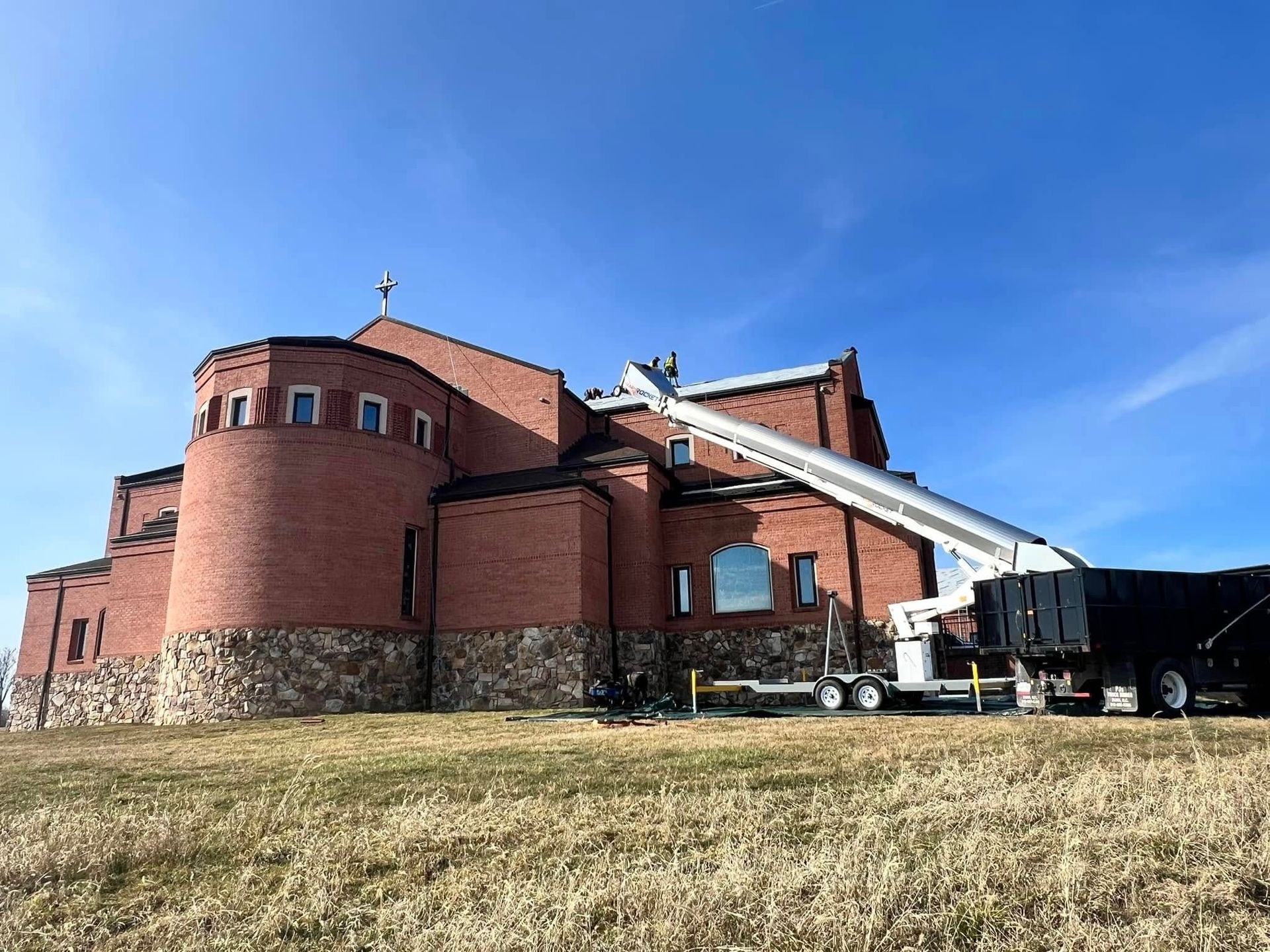
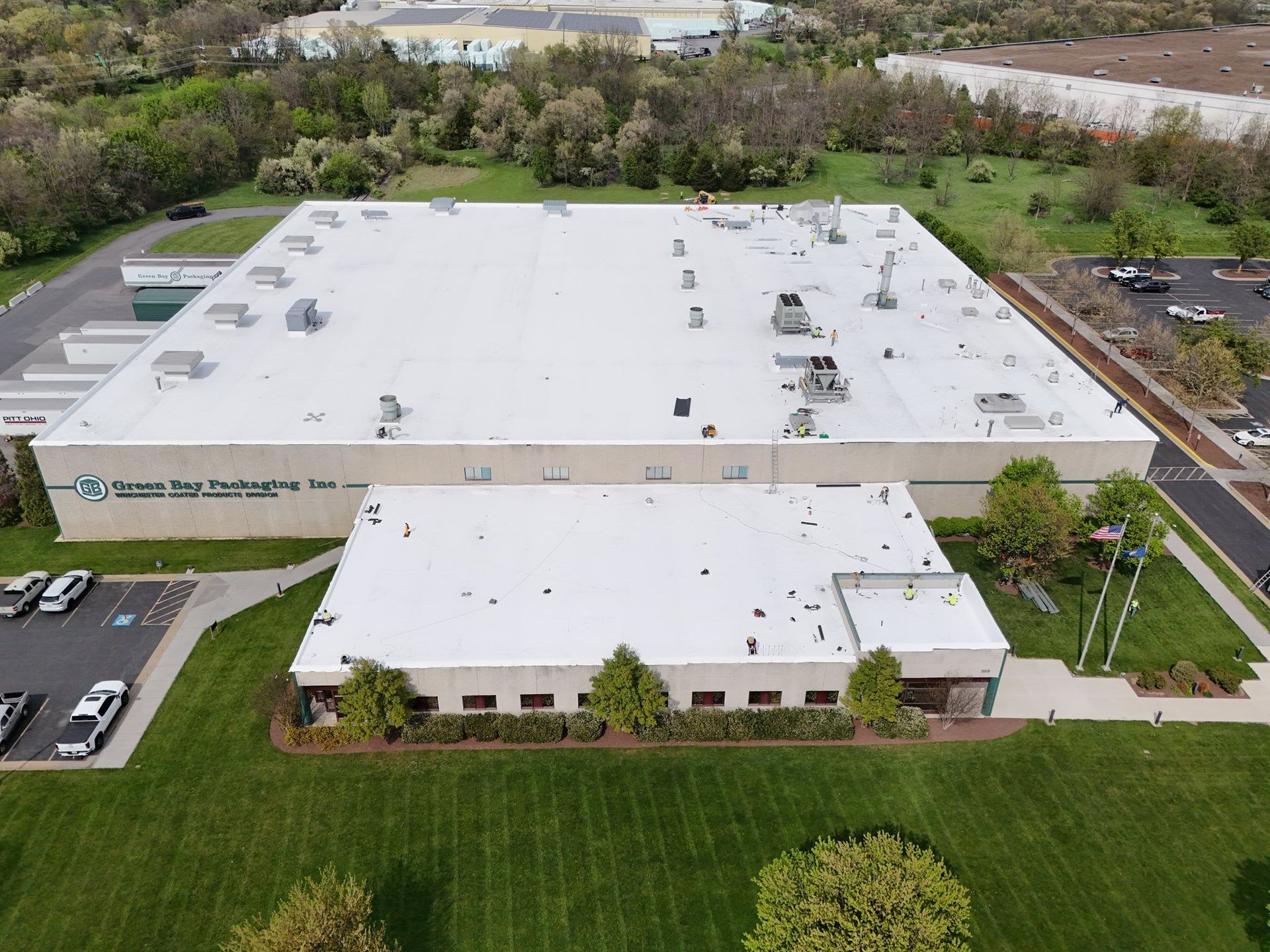
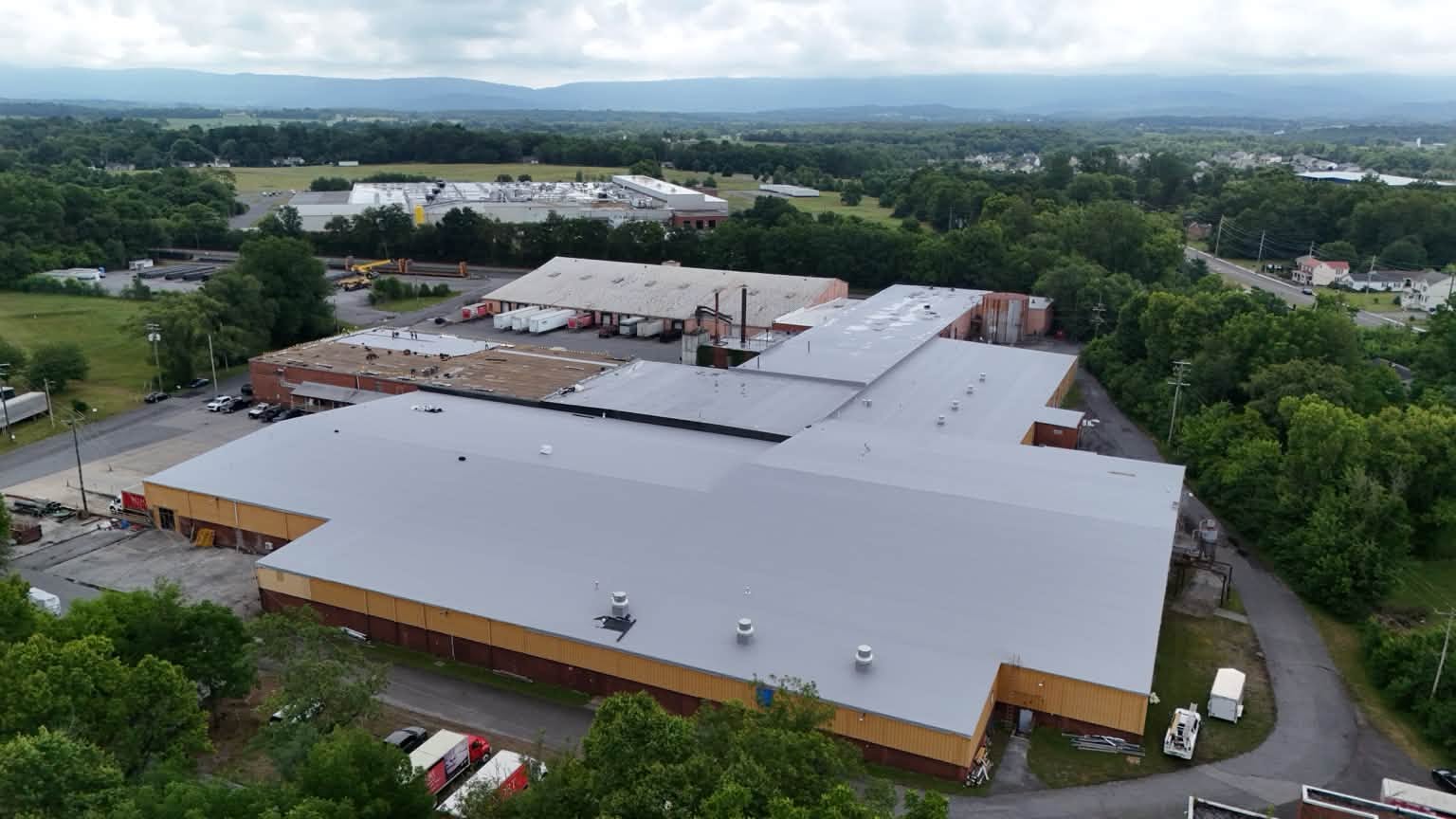
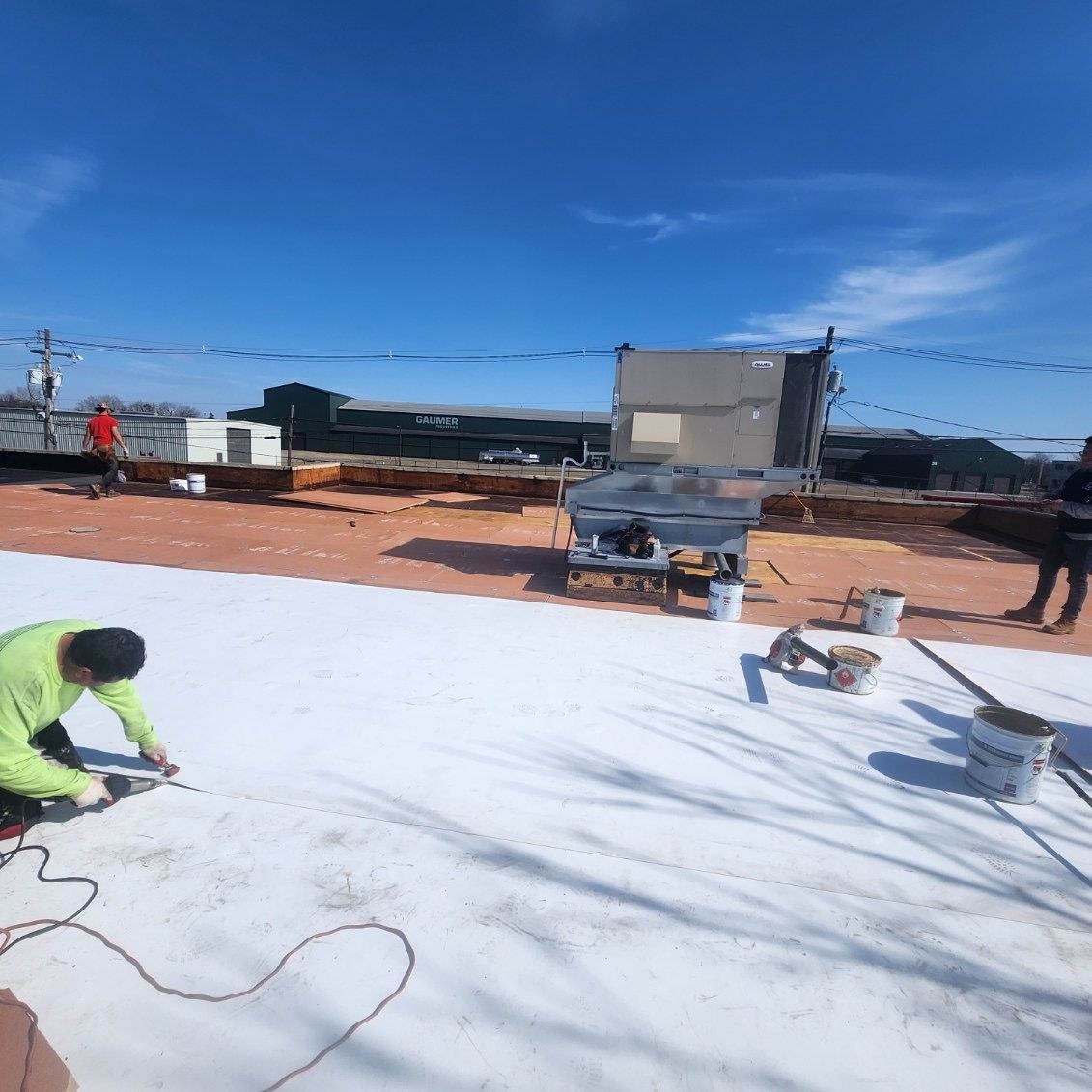
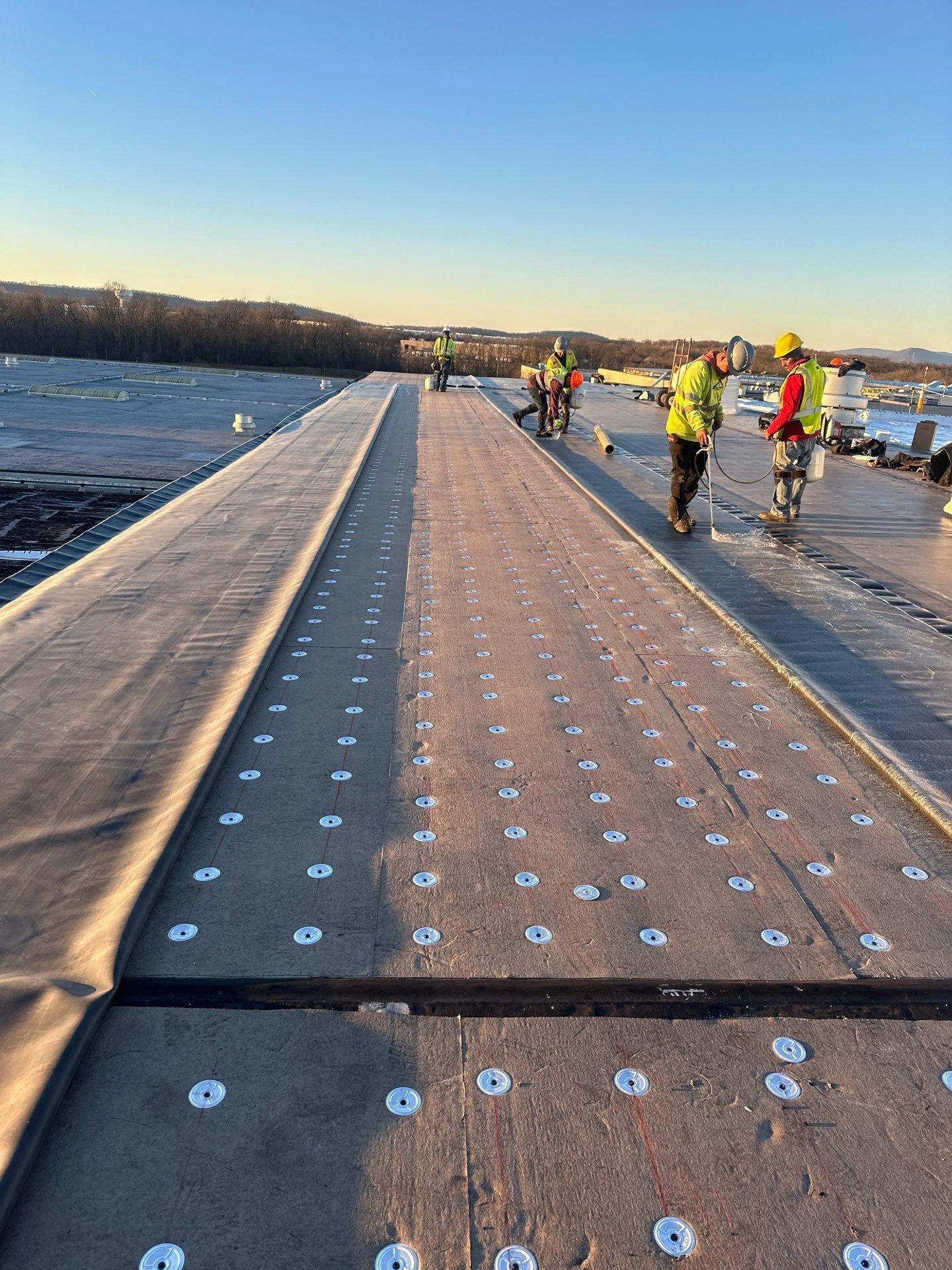
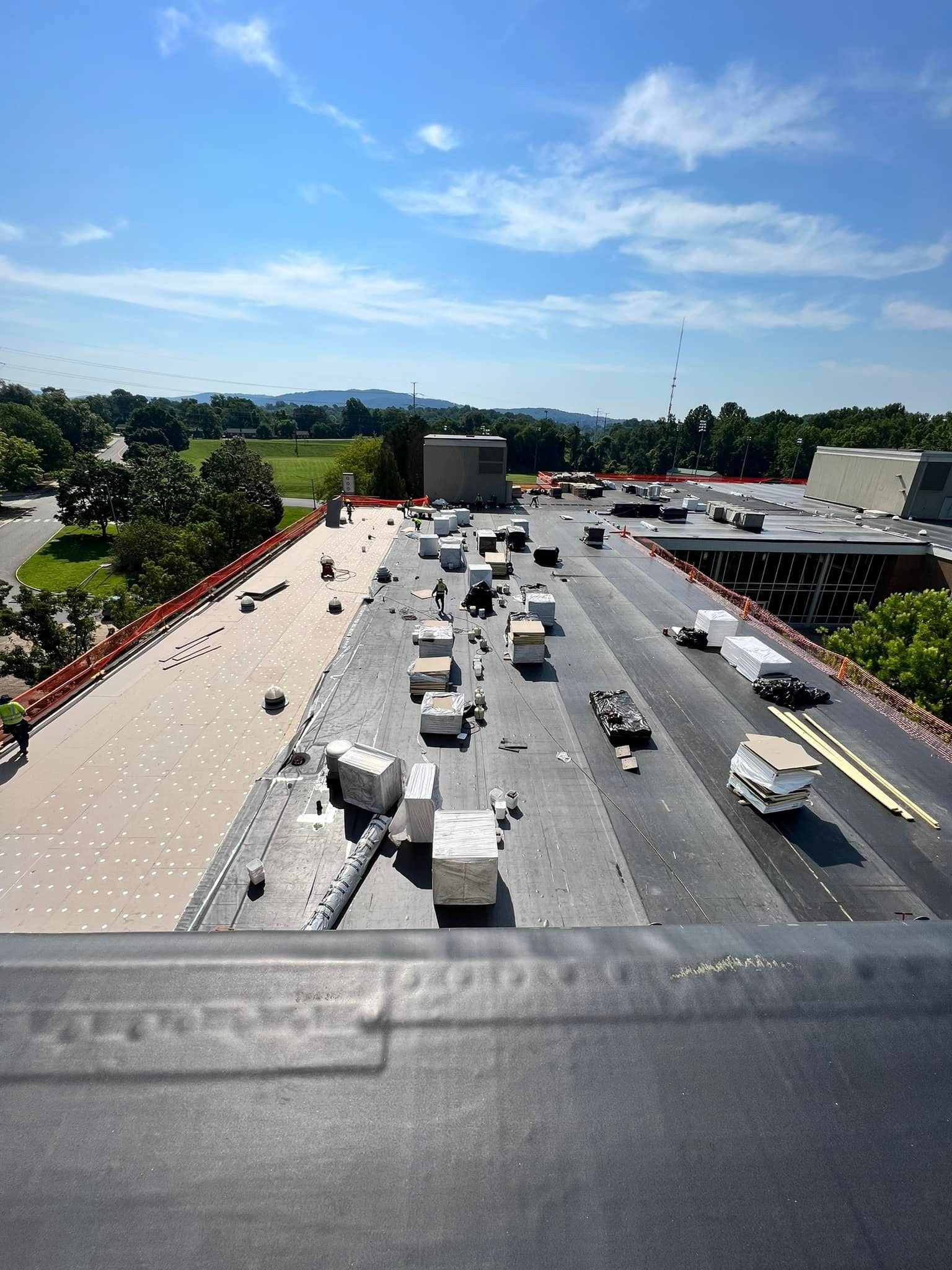
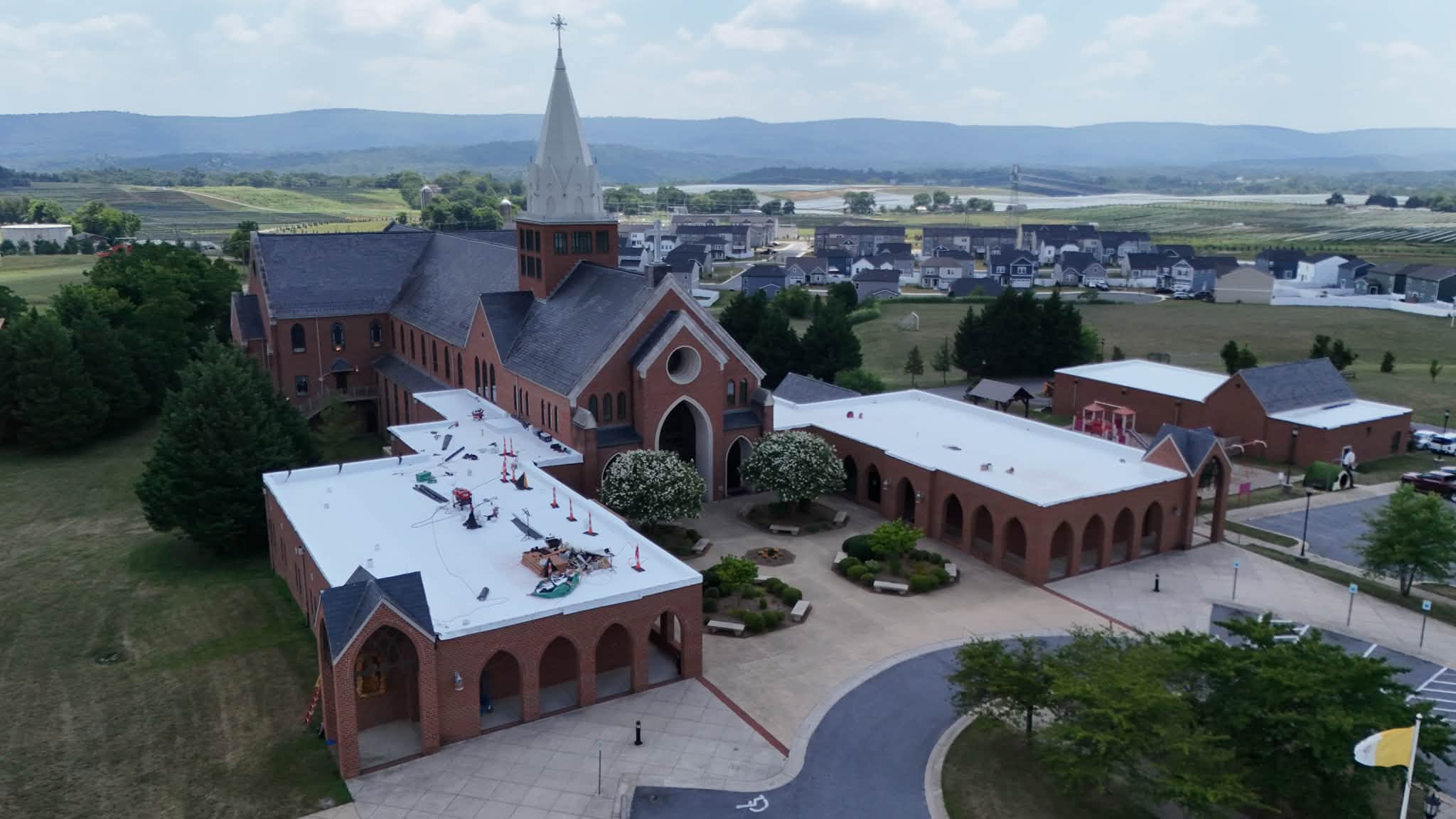
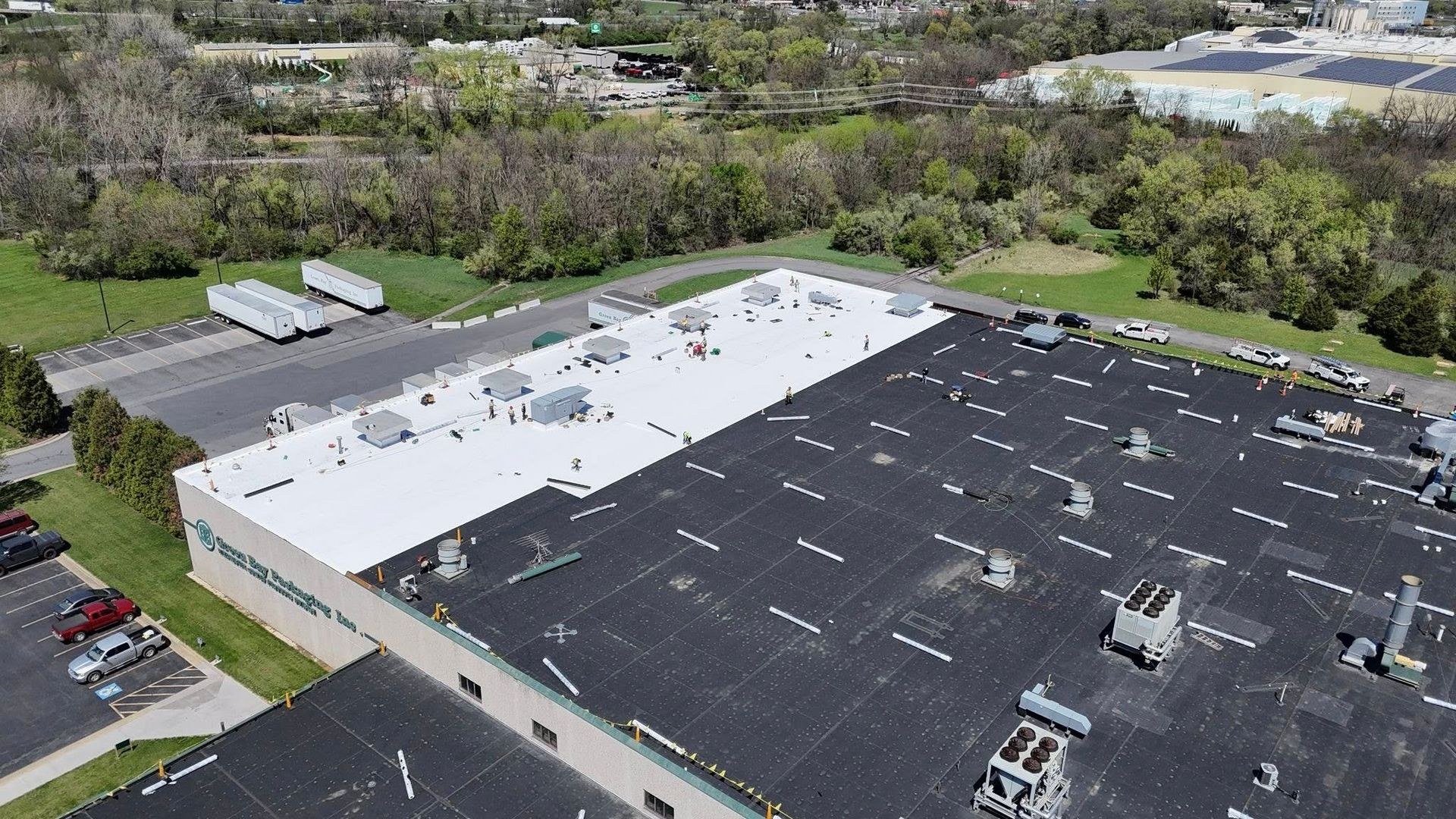
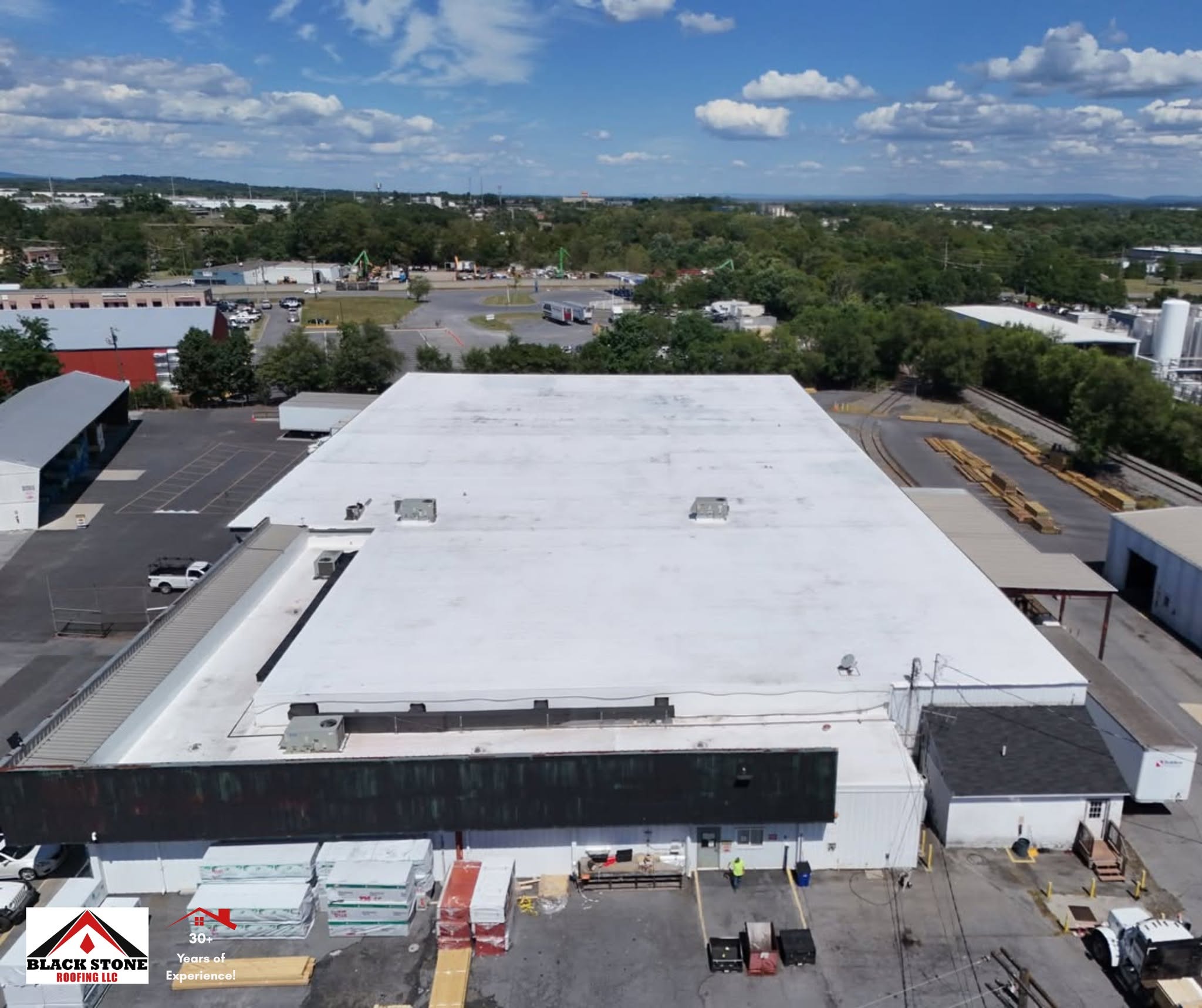
Both, and the commercial side is a real part of the business rather than a line on a website. Single ply membrane, restoration coatings, structural standing seam, commercial repairs, and new pre engineered steel buildings, alongside the residential work. The warehouse and manufacturing corridor along I-81 gives this county a genuine low slope market that most roofing companies here simply do not staff for.
-
What if a problem shows up a year after the job is done?
You call the same number and we come back out. You keep the manufacturer documentation for the products that went on your roof, and the workmanship coverage lives in your contract, in plain language, before you sign rather than as something described verbally at a kitchen table. Make a habit of turning to that clause in every proposal you are handed. If a contractor cannot point to where his workmanship coverage is written down, then there is nothing to enforce when you need it.
Five questions to ask every bidder, in this order
One. What is your license number and where is your office?
Both answers should come immediately and without qualification, and both should be verifiable in the two minutes it takes to look them up. Hesitation on either one is the most useful signal you will get all week, and it costs you nothing to collect.
Two. What is going back on, layer by layer?
Make them say decking, ice and water barrier, underlayment, flashing, starter, field, and ventilation out loud. Ask specifically whether the flashing is new or being reused. Reused flashing is the single most common quiet shortcut in roofing, and it fails at the transitions where most leaks start anyway.
Three. What happens when you open the deck and find rot?
There should be a stated unit price for replacement sheets and a stated rule about showing it to you before it gets covered. A bid that is silent here is a bid that plans to have that conversation after your old roof is already in the dumpster and you have no leverage left.
Four. Who pulls the permit, and who meets the inspector?
The answer is the contractor, in both cases. If a roofer suggests the permit is optional, or offers to skip it to save you money, understand what he is proposing: work that no third party will ever look at, on a document trail that will not exist when you sell the house.
Five. Show me where the workmanship coverage is written.
Not described. Written, in the contract you are being asked to sign, with a term and a scope. Anything promised only in conversation is worth exactly what it costs to say, and you will not discover the difference until the year you actually need it.
What is wrong up there and what it takes to fix
-
Is the free inspection really free, or is it a sales appointment?
It is free and you keep the report either way. A documented inspection means somebody gets on the roof and into the attic where there is access, and comes back with photographs organized by slope and elevation plus a written finding. If the answer is that your roof has years left, that is what the report says. We would rather be the company you call in six years with an accurate memory of what we told you than the one that got a signature today.
-
Is a drone inspection as good as somebody walking the roof?
Walk it when it is safe to walk. A drone is genuinely useful for steep slopes, slate and tile that should not be loaded, and for wide shots that show a whole elevation at once, so it earns its place in the report. What it cannot do is press on a soft deck, lift a shingle tab to see whether the seal strip has let go, check whether a pipe boot has gone brittle, or tell you what the underside of the sheathing looks like from inside your attic. An inspection that is only aerial is an inspection that skipped the part where problems are found.
-
How do you decide between a repair and a full replacement?
Three things decide it. Whether the failure is local or general, meaning one flashing detail versus shingles giving up across every slope at once. How much service life the field material has left, since a sound repair on a roof with two years in it is money you will spend again shortly. And whether the deck underneath is still sound. A localized failure on a roof with real life left is a repair and we will say so. Granule loss across every elevation, curled and cracked tabs, and seal strips that have let go generally is a replacement. You get the photos behind whichever answer you get.
-
How long does a replacement take, and do I need to be home?
Most single family roofs are a one day or two day job once the crew is on site, driven by square footage, how many slopes and penetrations are involved, how steep it is, and what the deck looks like once it is open. You do not need to be home, though it helps if you are reachable, because the decking conversation is the one that sometimes has to happen mid job. What you do want is cars out of the driveway and anything fragile off the walls, since a tear off puts real vibration through a house.
-
What happens if you find rotten decking under the old roof?
We stop, photograph it, and show you before anything covers it. Bad sheets get replaced, because no roof system performs when the wood under it is soft and no fastener holds in punky decking. This is the line item that most often moves between the estimate and the final invoice, especially on older housing stock with plank decking rather than sheet goods. That is why a stated unit price for replacement sheets belongs in the contract before work starts, and why you should be suspicious of any bid that leaves it out.
-
My ceiling is stained but two roofers said the roof is fine. What is going on?
Usually one of three things, and none of them is the open field of shingles. It can be condensation, where warm moist indoor air reaches a cold deck, freezes on the nails, and then drips when it thaws, which is why people find water in the attic days after the last rain. It can be a wall or window problem, where water enters above and travels down inside the assembly to appear on a ceiling that looks like a roof leak. Or it can be a transition detail, meaning chimney, sidewall, valley, skylight, or pipe boot, since that is where most leaks actually begin. All three look identical from the ground, which is why the attic gets inspected and not just the roof.
-
How fast can you get here if water is coming in right now?
The phone is answered 24 hours a day, seven days a week, and after hours it reaches a person rather than a voicemail box that gets checked at eight the next morning. Martinsburg and the rest of Berkeley County are the fastest, and the surrounding counties in West Virginia, Virginia, and Maryland run from the same place. When a storm crosses the whole region at once the line gets busy and active water gets worked first, so if you land in a queue, leave the address and say plainly whether water is running right now. Emergency work means stabilizing the building that night. The permanent repair happens in daylight.
The six things people call to confirm
(540) 550-9703
Answered by a person 24 hours a day, seven days a week, holidays included. The fastest thing on this page by a wide margin. If there is active water in the building, use this and skip everything else.
Info@BlackStoneRoofing.org
Right for photos, adjuster paperwork, prior estimates, and anything that is not urgent. A picture of the ceiling stain or the granules in your gutter tells us what to load on the truck before we leave.
1886 Winchester Ave, Martinsburg, WV 25405
Berkeley County, West Virginia. One location, no branch offices, and the same address on every estimate. Winchester Avenue is a Martinsburg street, which trips people up more often than you would think.
Open 24 hours, seven days a week
Overnight, weekends, and holidays. Not an answering service reading from a script and promising a callback. Storm nights are the busiest and calls are ordered by whether water is actively entering the building.
Nothing, and you keep the report
Inspections are free and the photo report is yours whether you hire us or not. The one exception is emergency stabilization, which is real labor and material spent that night and is quoted to you before anybody starts.
Five states, one home county
Licensed in VA, WV, MD, PA, and FL, family owned since 2016, working the Eastern Panhandle, the northern Shenandoah Valley, and western Maryland out of Martinsburg. See the full service area.
What goes on the building and how long it lasts
-
How long should a roof last around here?
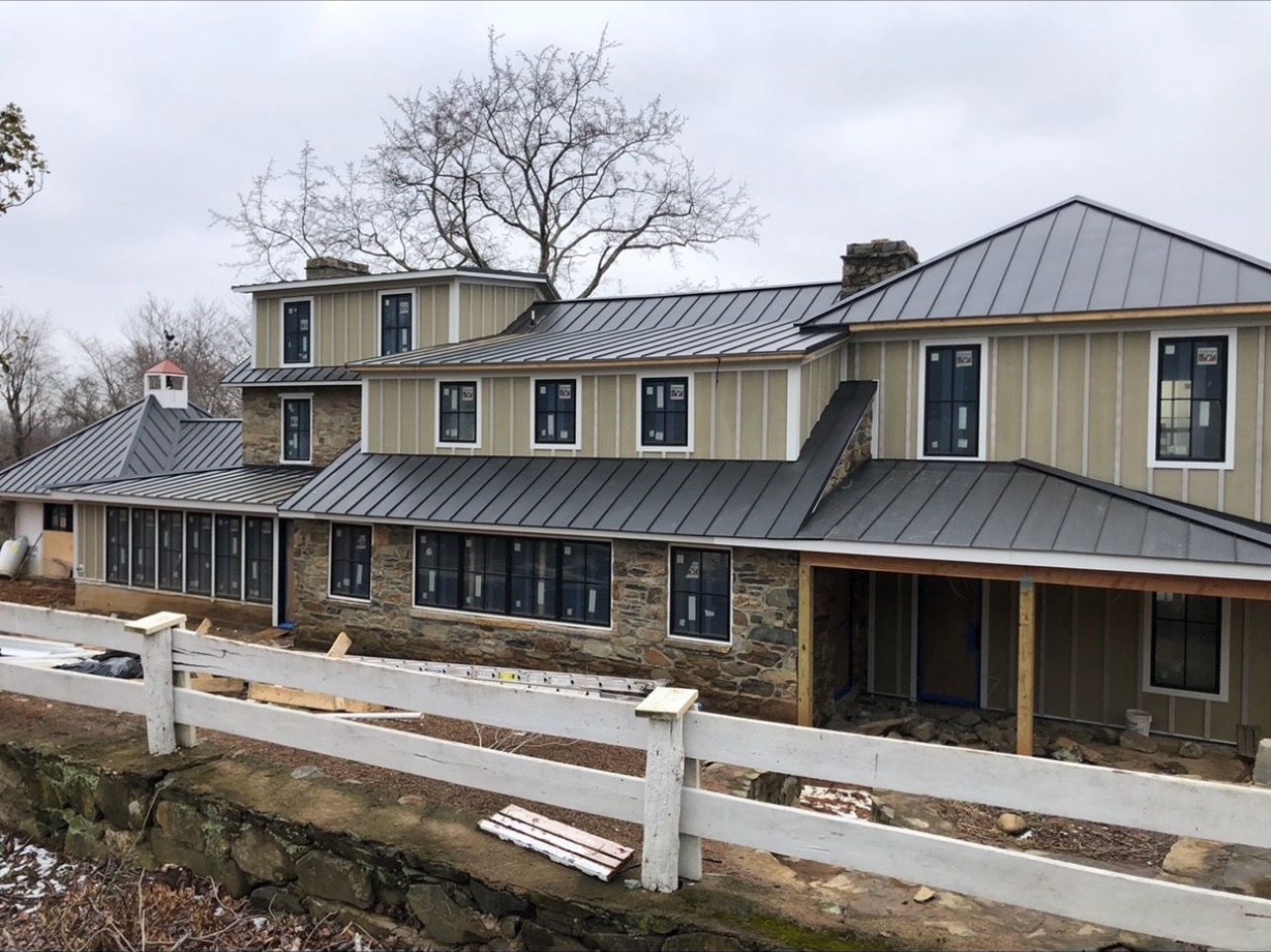
Less than the number on the wrapper, and the gap is mostly about ventilation. An architectural asphalt shingle carries a long manufacturer rating, but the service life you actually get depends on whether the attic breathes, how much direct sun the slope takes, and how well the transitions were detailed. A roof cooking over an attic with no intake at the soffit ages from underneath and gives up years early. Standing seam metal is a different category and is generally the last roof a lot of buildings need. Slate on the older stock can outlive the fasteners and the flashings holding it, which is why slate work is so often a repair rather than a replacement.
-
Can you install a new roof over the old one instead of tearing it off?
Sometimes it is permitted and it is almost never the right call. Code limits how many layers a structure may carry, and a second layer adds weight, holds heat against the new shingles, and shortens their life. The bigger problem is that it hides the deck. Nobody inspects wood they never uncover, so rot, prior repairs, and failed sheathing all stay right where they are with a new roof stapled over top. It also complicates the next replacement and can affect what a manufacturer will stand behind. When somebody proposes a layover, the honest reason is usually the dumpster and the labor, not your building.
-
Shingles or metal?
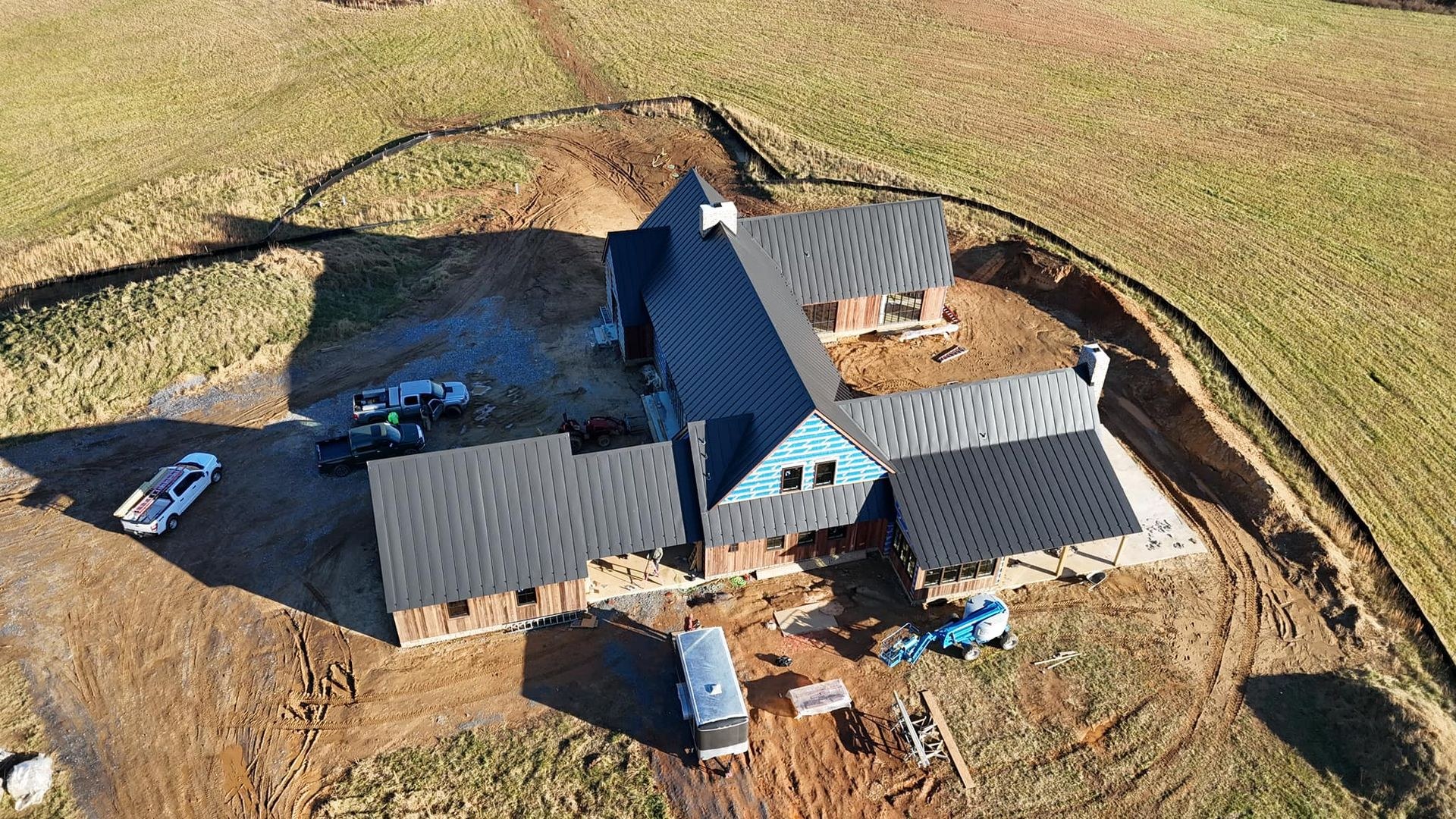
Budget, how long you intend to own the building, and what the neighborhood expects. Architectural asphalt shingles cost less up front, suit most subdivision homes, and are what the majority of houses here wear. Standing seam metal costs more, lasts substantially longer, sheds snow and ice better, has no exposed fasteners to back out, and on some of the older houses in this region it is what was originally there. If you are staying put for decades, metal usually wins on arithmetic. If you are selling in three years, it usually does not.
-
Is a metal roof loud in the rain, and will hail dent it?
The noise question comes from barns and carports, where metal is fastened to open purlins with nothing underneath. A residential standing seam roof sits on solid decking over underlayment above an insulated attic, and most homeowners report it is not meaningfully louder than what they had. Hail is a real question and the honest answer is that a hard enough stone can dimple any metal panel. Denting is cosmetic rather than a breach, which is a genuine advantage over shingles, where the same impact fractures the mat and starts a leak clock. Thicker gauge panels and textured finishes hide it better.
-
TPO, EPDM, or a coating on a flat roof?
It depends on the condition of what is under the surface, not on which product is fashionable. A restoration coating is a real option when the existing membrane is sound and the insulation below it is dry, and it is a waste of money when either of those is false, because a coating over wet insulation seals the moisture in. When the underlying assembly is compromised, the answer is a new membrane. Between TPO and EPDM, the deciding factors are usually reflectivity, how the seams are made, chemical exposure from rooftop equipment, and how the details around penetrations and curbs will be handled. Any of them fails early if the details are sloppy.
-
My attic is still hot and my ridge vent is new. What is wrong?
Almost always intake, not exhaust. Ventilation is a pair, air in low at the soffit and out high at the ridge, and a ridge vent with nothing feeding it cannot move air no matter how new it is. The usual culprits are blown insulation packed into the soffit bays, soffit panels that were installed solid rather than vented, or baffles that were never put in. Mixing exhaust types on one attic causes it too, since a powered fan or a set of box vents will happily pull air back down through the ridge instead of up from the eave. It is worth solving, because a hot attic shortens the life of the roof you just paid for.
-
Do you work on slate, cedar, tile, and other specialty roofs?
Yes, and on the older housing stock in this region it comes up regularly. Slate in particular is misunderstood. A slate roof that is losing pieces is frequently not worn out at all, since the slate can outlast the nails and the flashings, and a competent repair buys decades. Cedar, tile, and synthetic slate each have their own rules about fastening, exposure, and underlayment. What matters most is that specialty work is not shingle work with a different material on top, and that jobs on historic properties often need review approval before anybody touches them. That is covered on the specialty roofing page.
-
Can you install a roof in the winter?
Yes, with adjustments. Asphalt shingles rely on a heat activated seal strip to bond one course to the next, and in cold weather that bond can take until the first warm stretch to set, so hand sealing at the vulnerable areas becomes part of the job rather than an upgrade. Shingles are also more brittle cold and want careful handling. Metal and most low slope systems have their own temperature rules for adhesives and welds. Winter installs are routine when the crew adapts. The thing that genuinely stops work is ice on the deck, because nobody should be up there and nothing should be fastened through it.
The part of roofing where people get hurt
-
What does a roof cost?
We do not publish prices, and you should be careful with anyone who does. The number moves with square footage, pitch, how many layers come off, the condition of the deck once it is open, the number of penetrations and transitions, access, and the material you choose, and a figure quoted before somebody has been on the roof is a marketing device rather than an estimate. What you get from us is a written scope that lists what comes off, what goes back on layer by layer, and what happens if we open the deck and find rot. Take that document and hold every other bid to the same standard, because comparing two numbers without comparing two scopes is how people end up with the cheap roof they did not know they bought.
-
Can you handle my insurance claim or negotiate with my adjuster?
No, and in West Virginia a roofing contractor is not permitted to negotiate a claim on your behalf. Any version of “we will deal with your insurance company for you” is a warning about the contractor rather than a service being offered. What a roofer can legitimately do is document the damage by slope and elevation with the date of loss recorded, hand you a photo report you submit yourself, meet the adjuster on the roof, and put anything the scope missed in writing for you to file. That division of labor is the whole subject of the roof insurance claims page.
-
A roofer offered to cover my deductible. Is that allowed?
Not in West Virginia. Under the Storm Scammer Consumer Protection Act at West Virginia Code section 46A-6M, a contractor may not pay, waive, rebate, or absorb your insurance deductible, and may not hand you a gift card, a rebate, or a free upgrade as an inducement to sign. Maryland and Virginia have their own consumer protection regimes, and none of the three treats deductible absorption as an ordinary discount. Beyond the legality, think about what the offer means arithmetically. The money has to come from somewhere, and it comes out of the layers of your roof that nobody photographs.
-
My first insurance check was far less than the estimate. Was my claim lowballed?
Not necessarily, and this is the most common panic call we get. Many policies pay a claim in two parts, an initial payment reflecting depreciation held back and a second payment released once the work is actually completed and documented. So a first check that looks far too small is often the system working as written rather than a denial. Read what your carrier calls the payment, check whether your policy is replacement cost or actual cash value, and see whether a mortgage company is named on the check, because that adds an endorsement step. Separately, if the adjuster’s scope genuinely missed damage, that gets documented and submitted by you as a supplement.
-
Do you take a deposit before you start?
Terms are stated in writing before you sign, and where an insurance claim is involved West Virginia law constrains what a contractor may collect and when. Under section 46A-6M, once your insurer notifies you that all or part of a claim is not covered, a contractor may not accept payment before your cancellation window has closed, with emergency work already performed at reasonable and customary rates as the carve out. That is precisely why an overnight tarp is chargeable and the roof behind it is not. The practical rule for you: nobody should be asking for a signature and a check on the hood of a truck the same afternoon he knocked on your door.
-
How long do I have to cancel a roofing contract?
In West Virginia, when the contract is tied to an insurance claim, section 46A-6M gives you five business days to cancel after your insurer notifies you that all or part of the claim is not covered, and bars the contractor from taking advance payment before that window closes. Emergency work already performed is the exception. Other cancellation rights can also apply depending on how and where the contract was signed, and Maryland and Virginia each have their own rules. Read the cancellation clause before you sign rather than after, and be aware that pressure to sign immediately is usually pressure applied for a reason.
-
A door knocker says my roof is totaled and wants a signature today. What now?
Not that afternoon. Take the company name, ask for the license number and the street address, and look both up before anything else happens. Be especially careful with anything presented as an authorization to inspect or a contingency agreement, because those documents sometimes bind you to use that contractor for whatever the insurer approves. Get a second look from somebody with a local address, then decide. A roof that is genuinely damaged will still be damaged tomorrow, and a company unwilling to let you take a day is telling you something worth hearing. Our storm damage page covers what real documentation looks like.
The rules change with the property line
-
Do I need a permit just to replace my roof?
For a full replacement, generally yes, and the contractor should be the one pulling it. Small repairs below a jurisdiction’s threshold often do not require one, but thresholds differ from county to county and the only answer that counts is the one from the office that would issue it. The permit is not a formality being done to you. It creates a third party inspection and a record that exists years later when you sell the house and a buyer’s agent asks what was done to the roof and who did it. A contractor who suggests skipping it is offering to erase that record.
-
Who issues the permit where I live?
It depends on the exact property line, and this is the single most common thing people get wrong across our footprint. In Martinsburg it splits at the city limit, city building department inside, Berkeley County permits and inspections outside. A Kearneysville or Charles Town address sits in Jefferson County. Inwood and Bunker Hill are Berkeley County. Hagerstown is the city inside its limits and Washington County outside. In Virginia, a Winchester address may be the independent city or Frederick County depending on the line, Stephens City and Middletown are Frederick County, Front Royal is Warren County, Strasburg is Shenandoah County, and Leesburg layers a town zoning step ahead of the Loudoun County building permit. Mailing addresses do not follow jurisdiction boundaries, which is exactly why people call the wrong office first.
-
My house is in a historic district. What changes?
Add a review step before the permit step. Most of the historic districts across this region require a certificate of appropriateness from a local review board or commission before exterior work begins, and roofing counts as exterior work because the material and color are visible from the street. Boards typically meet on a monthly cycle, so the practical effect is calendar time, and that is the part people fail to plan for. Like for like replacement in the same material and profile is generally the smoothest path. Changing material, changing color substantially, or adding something visible such as a ridge vent on a prominent slope is where the conversation gets longer. Start the application before you schedule the crew, not after.
-
Does a National Register listing limit what I can put on my roof?
Usually not by itself, and this trips up a lot of owners. National Register listing is largely honorary for a private owner spending private money, and it is a separate thing from a local historic district overlay, which is the one that carries binding review authority. Many properties are both, which is where the confusion starts. Register status can matter when public funding, federal permitting, or a rehabilitation tax credit program is involved, and tax credit work comes with its own standards for what may be done to a roof. Confirm which designation actually applies to your parcel with the local planning office before assuming either restriction or freedom.
-
Is ice and water shield required by code here?
In cold climate jurisdictions the code generally requires an ice barrier at the eaves on roofs in areas subject to ice forming along the eave, and the counties across our footprint sit in that band. Local amendments differ, so the requirement and the exact extent should be confirmed against the code your jurisdiction has adopted. Regardless of the minimum, the freeze and thaw cycling in this region builds real ice dams, so eaves, valleys, and penetrations are the places where that self adhering membrane earns its cost. It is also one of the easiest line items for a low bid to quietly leave short, which is why it belongs on your written scope.
-
Will my HOA have to approve the shingle?
In many of the newer subdivisions across Berkeley County, Jefferson County, and the Virginia side, yes. HOA architectural review is entirely separate from the building permit and from any historic district process, and it usually governs color and profile rather than construction detail. Submit the manufacturer, product line, and color to your association before ordering material, because a roof installed in a color the covenants do not allow is a very expensive lesson. Approval timelines vary by association, so ask what their turnaround is at the same time you ask what they require.
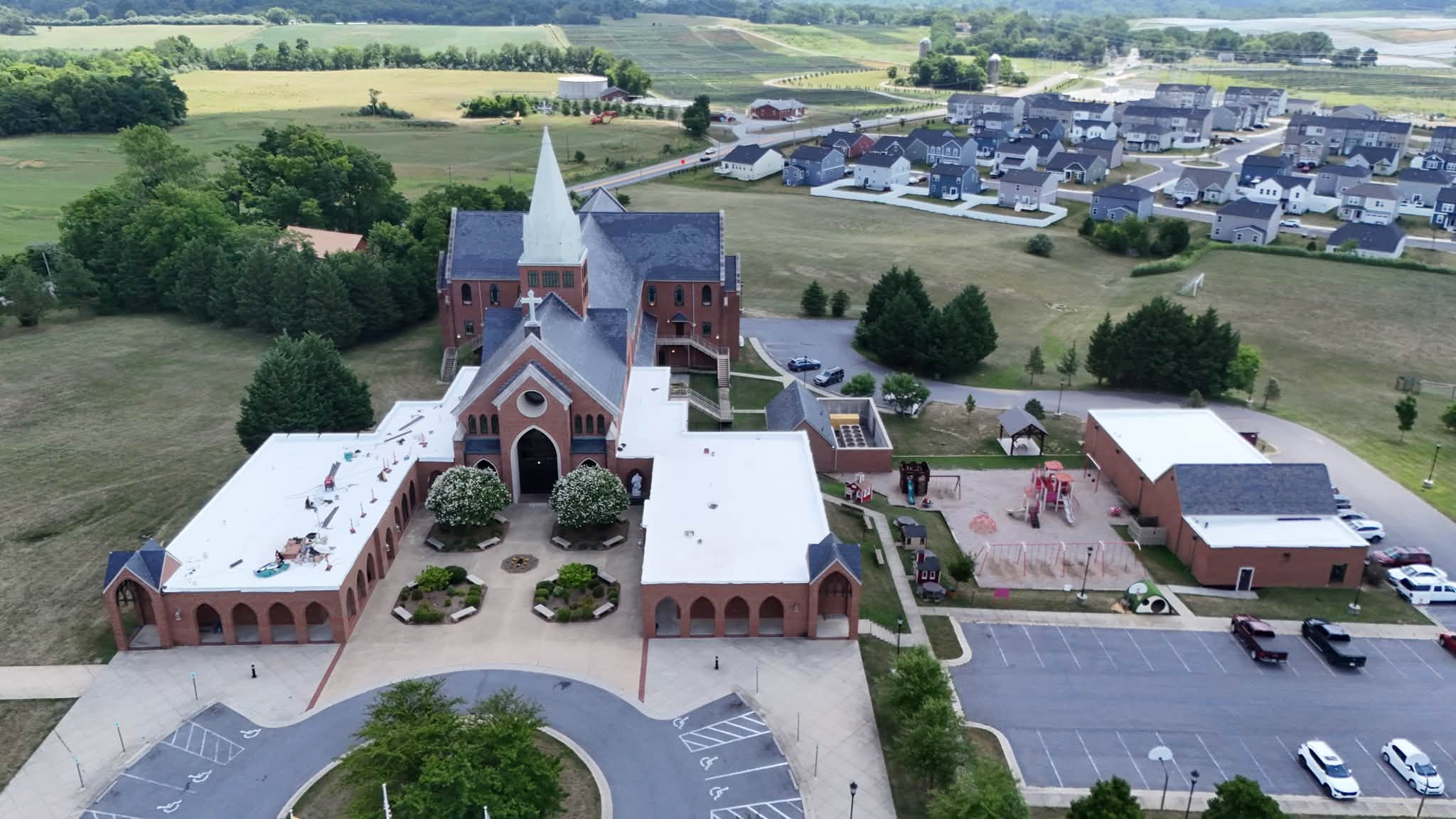
What is behind every answer on this page
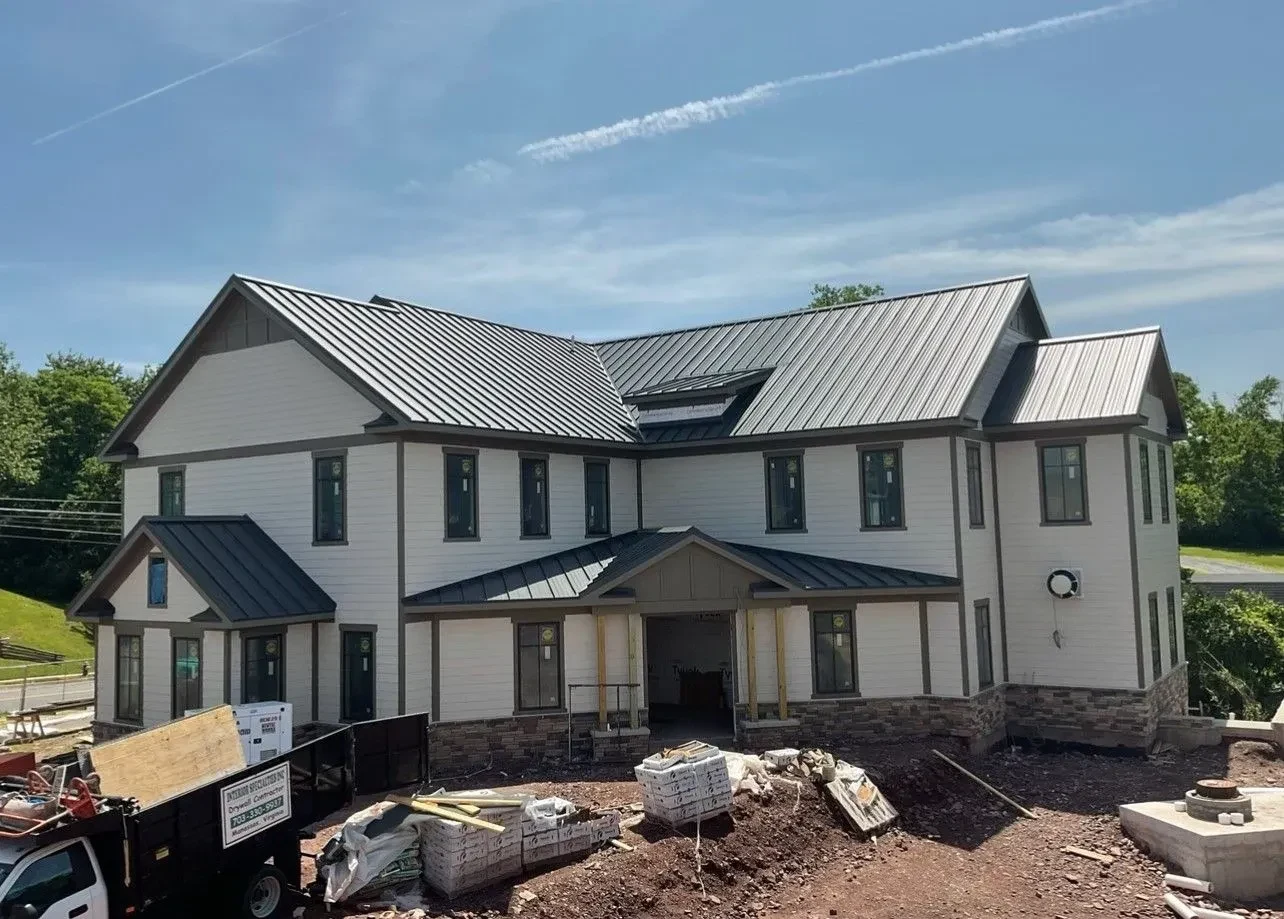
Based in Martinsburg
1886 Winchester Ave, Berkeley County, West Virginia. One address, on every estimate, that you are welcome to drive past before you call.
Licensed in five states
VA, WV, MD, PA, FL, and licensed, bonded, and insured. Five sets of renewals and five regulators is a load that filters out companies which do not keep their paperwork straight.
Family owned since 2016
Same family, same name, same phone number, still answering it the spring after your roof went on.
4.9 stars from 50 Google reviews
Left by people across the Eastern Panhandle and the northern Shenandoah Valley whose roofs we actually worked on. Read the reviews.
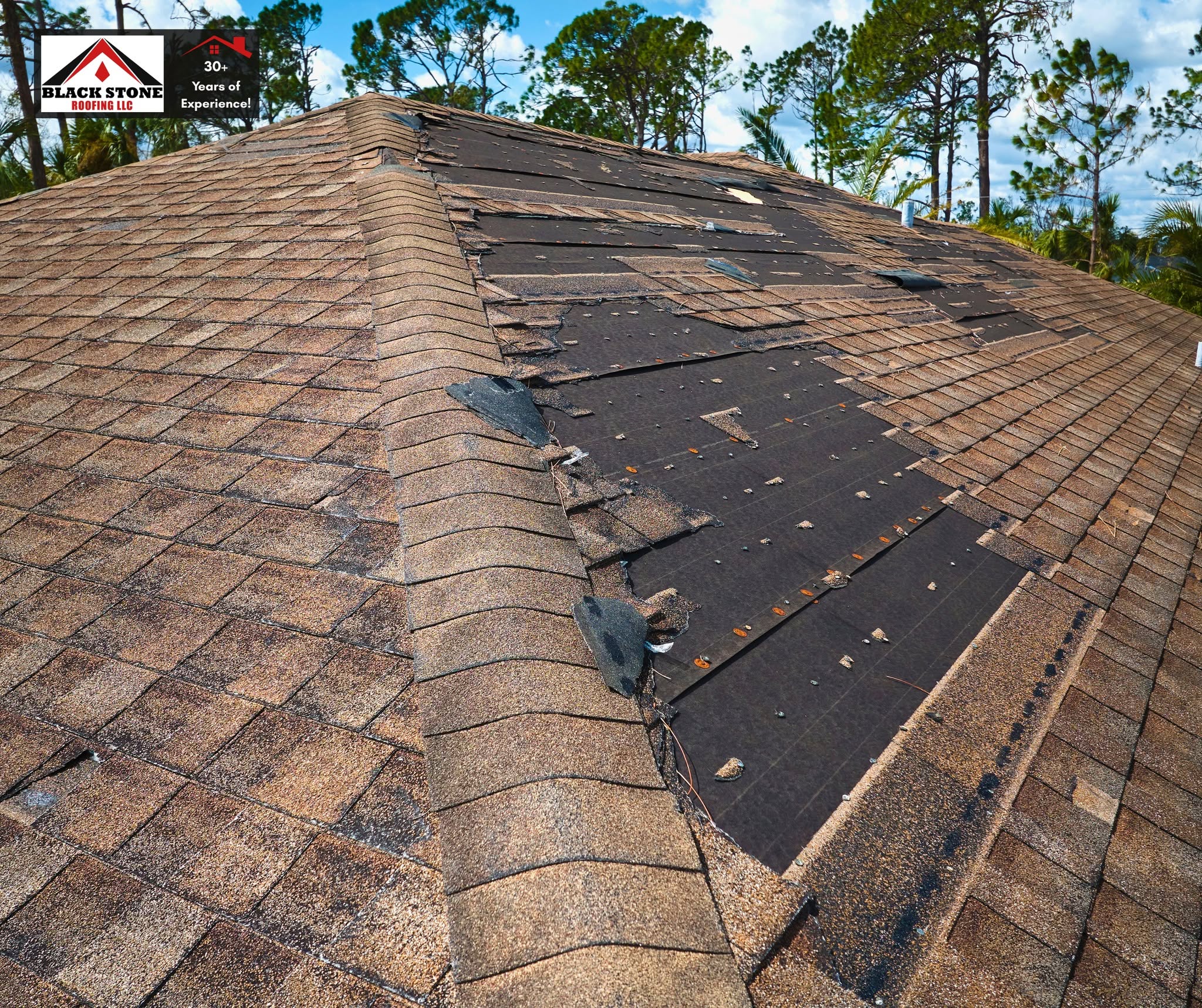
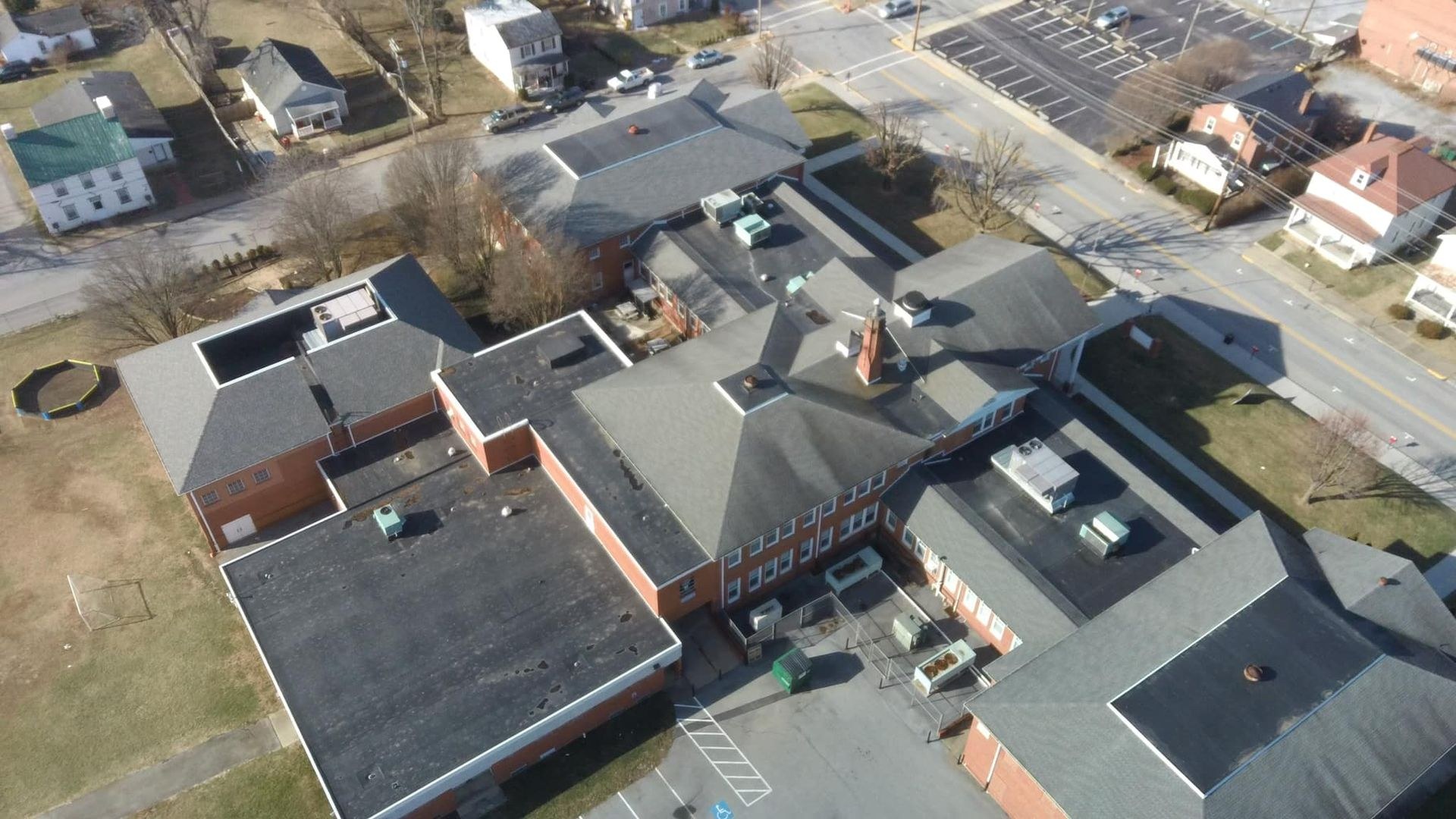
The page your question actually lives on
Roof Inspection
What gets checked, what the photo report contains, and why it costs nothing.
Roof Repair
Flashing, leaks, and the honest line between a repair and a whole roof.
Roof Replacement
Tear off, deck inspection, and a new system built from the underlayment up.
Emergency Roof Repair
What happens on a 2 a.m. call and what stabilization actually involves.
Storm Damage Roof Repair
Wind and hail documented by slope and elevation before anything is covered.
Roof Insurance Claims
What a contractor may legally do, and what you have to submit yourself.
Residential Roofing
Shingle, metal, and specialty work on homes across the region.
Commercial Roofing
Membrane, coatings, and metal for warehouse, retail, church, and school buildings.
Preventative Roof Maintenance
The small things that buy years, and what a maintenance visit covers.
Exterior Services
Gutters, siding, and windows, where the hardest leaks to find actually start.
About Black Stone Roofing
Who we are, how a job runs, and how to read the roofer in your driveway.
Contact Us
Every way to reach us and what to have ready when you call.
Answers change with the county line
Permits, review boards, and code amendments are local, so the city pages carry the version of these answers that applies where your property actually sits.
Do not see your town? We work the whole corridor, so ask or call (540) 550-9703.
Still have a question
Ask it out loud instead of reading another page. Call (540) 550-9703 or email Info@BlackStoneRoofing.org. Open 24 hours, seven days a week, from an office at 1886 Winchester Ave in Martinsburg, and the inspection that answers most of these questions for your specific roof is free.