Home/Residential Roofing/Specialty Roofing
SLATE, WOOD, TILE, COMPOSITE AND LOW SLOPESpecialty Roofingin Martinsburg, WV
Slate, cedar, tile, synthetic composite, and the low slope porch and addition roofs where shingles were never legal to begin with. Downtown was roofed in stone and formed metal long before asphalt showed up here, and it still needs somebody who works that way. We are based on Winchester Avenue in Martinsburg, so these are the roofs we drive past every day.
Leaking right now
Emergency response
We answer 24 hours. Tarped and stabilized before more gets inside.
Planning ahead
Free inspection
Written scope and photos so you know what the roof actually needs.
Request your free estimate
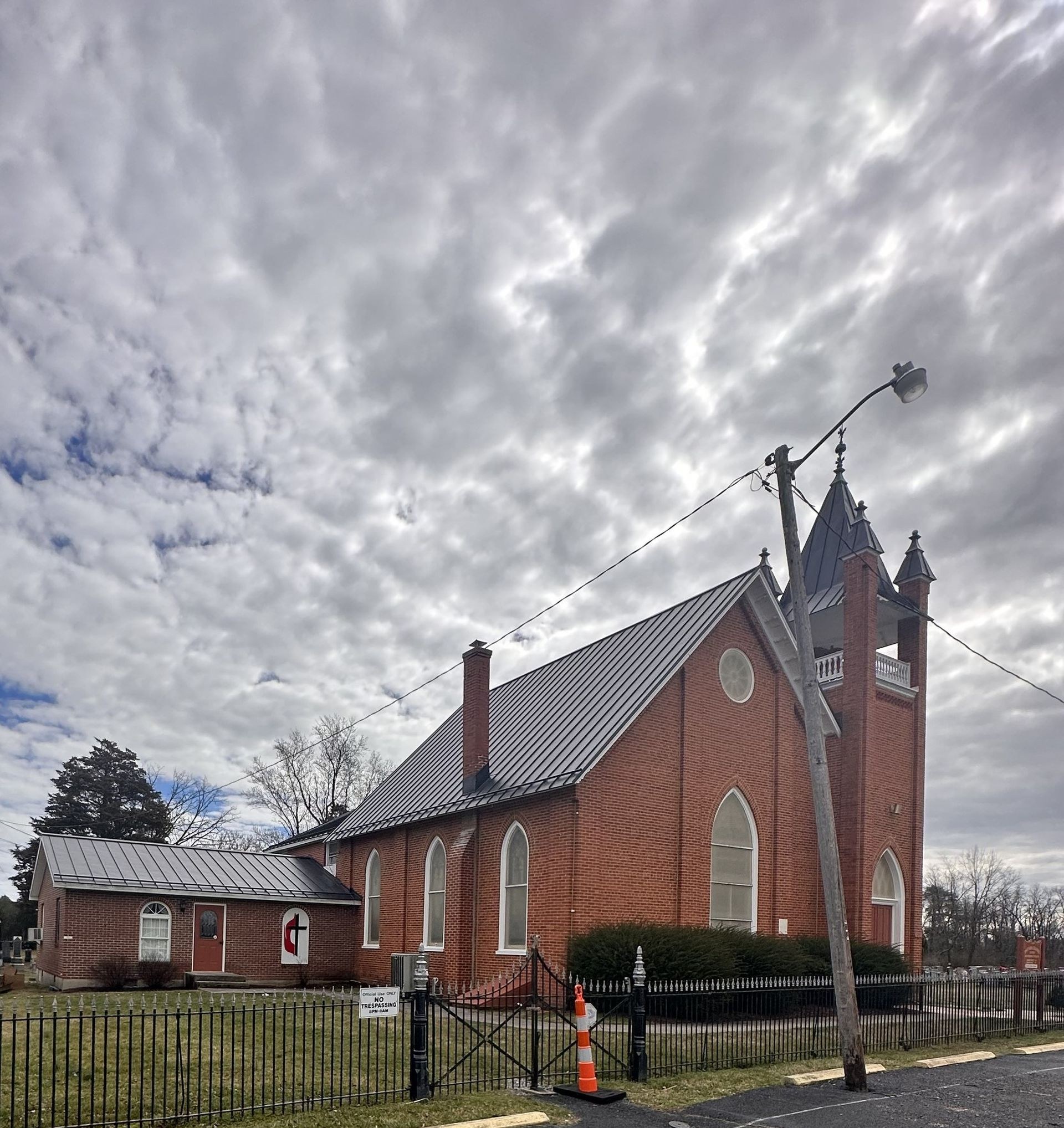
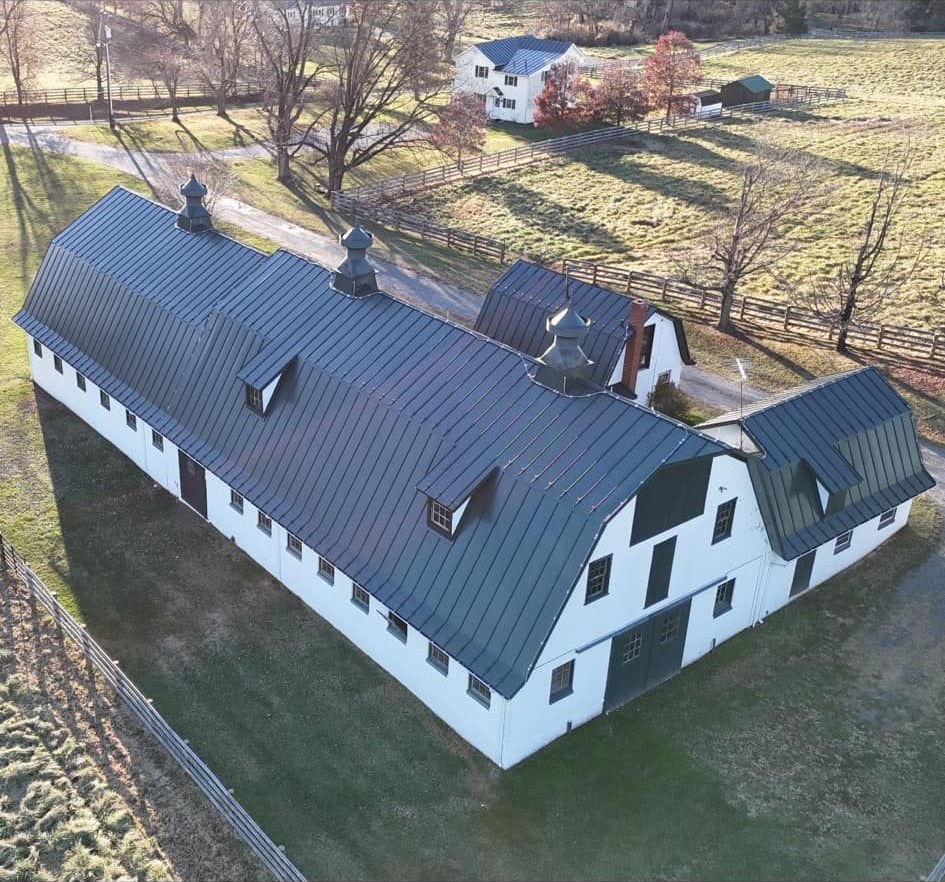
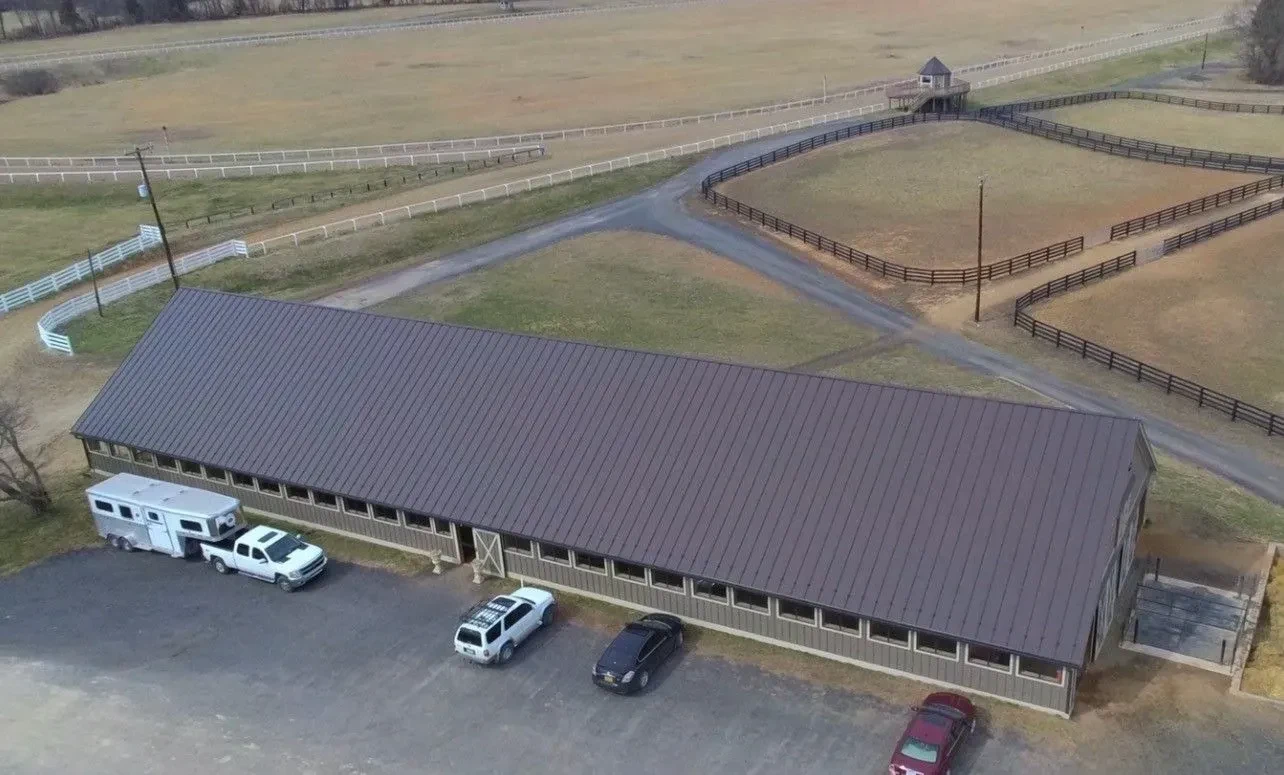
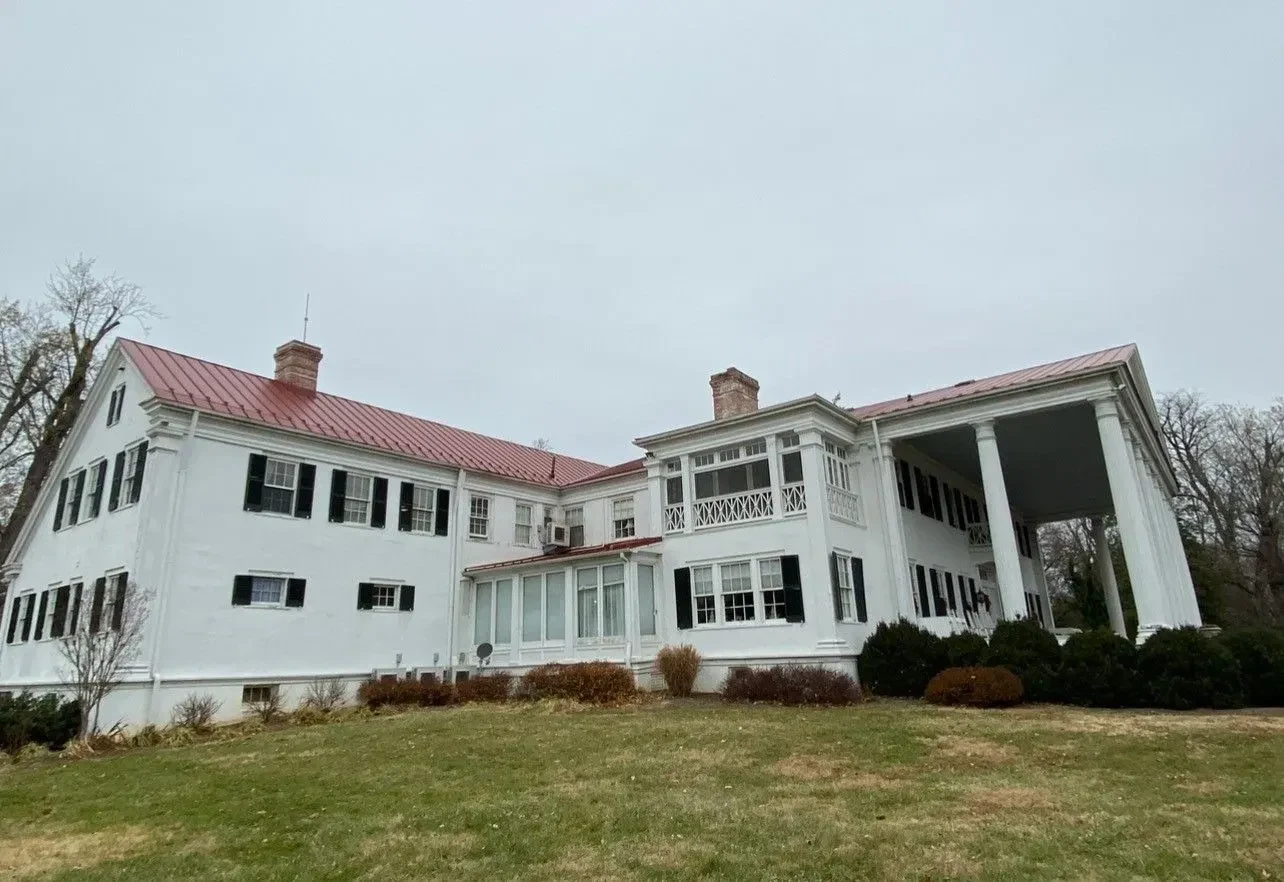
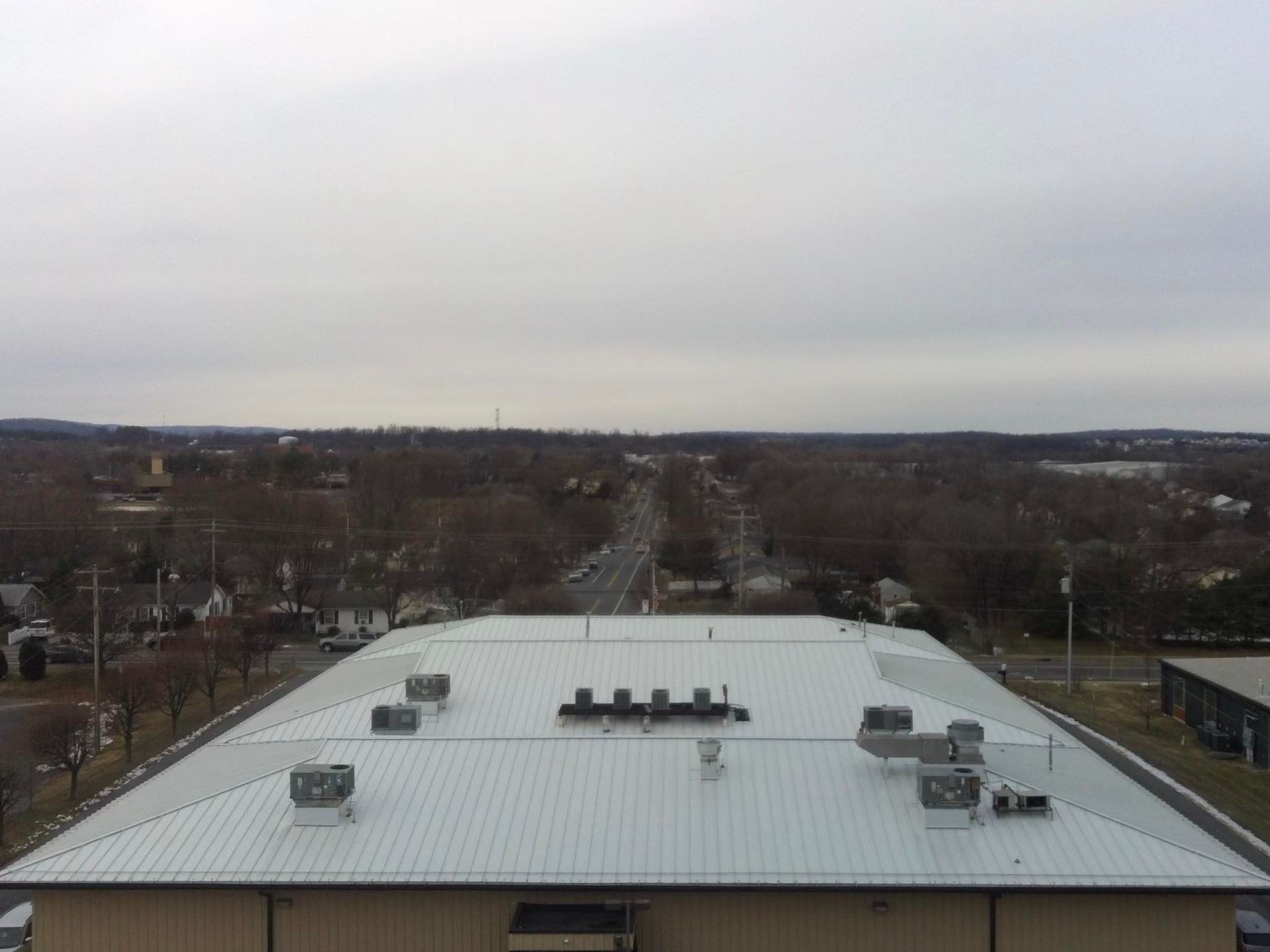
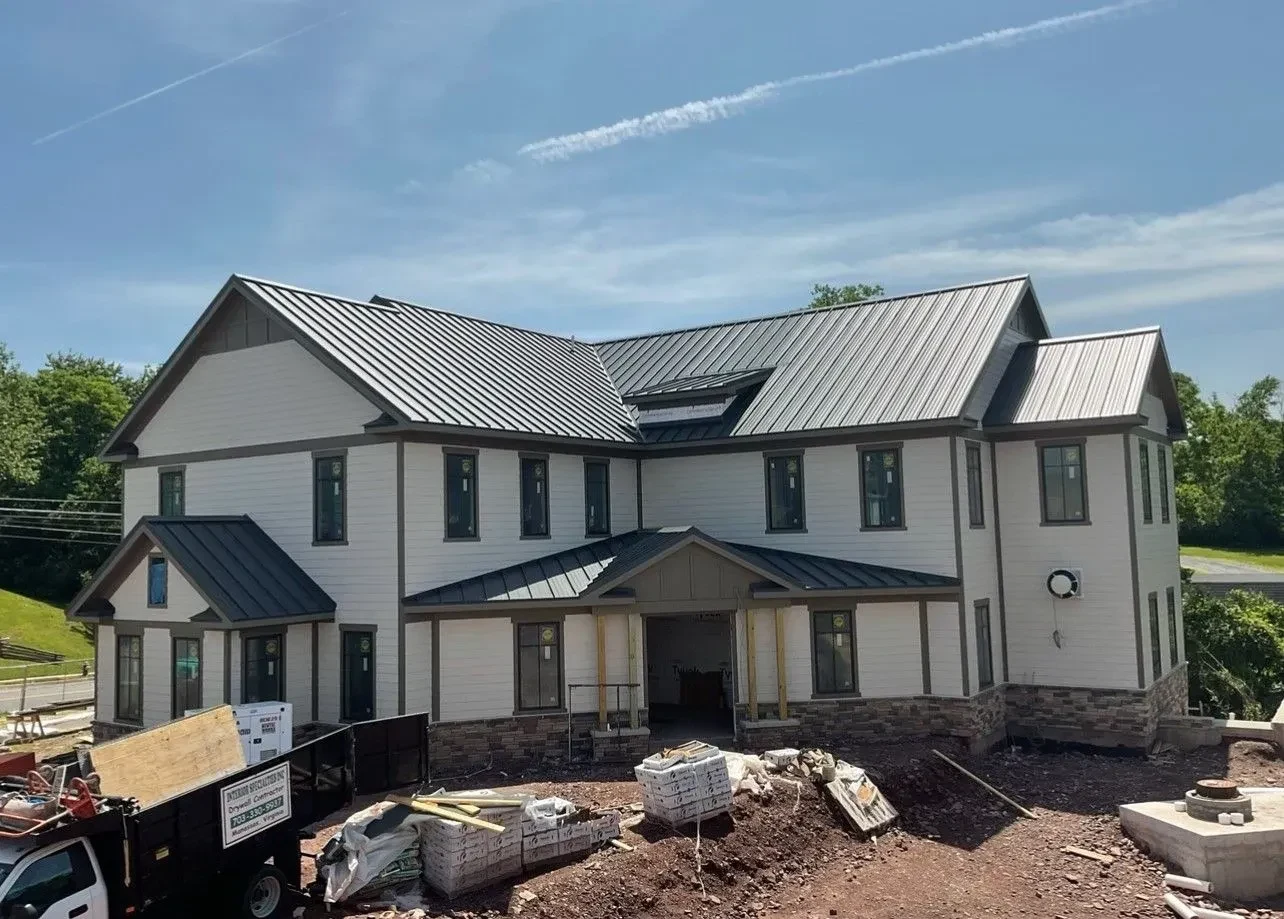
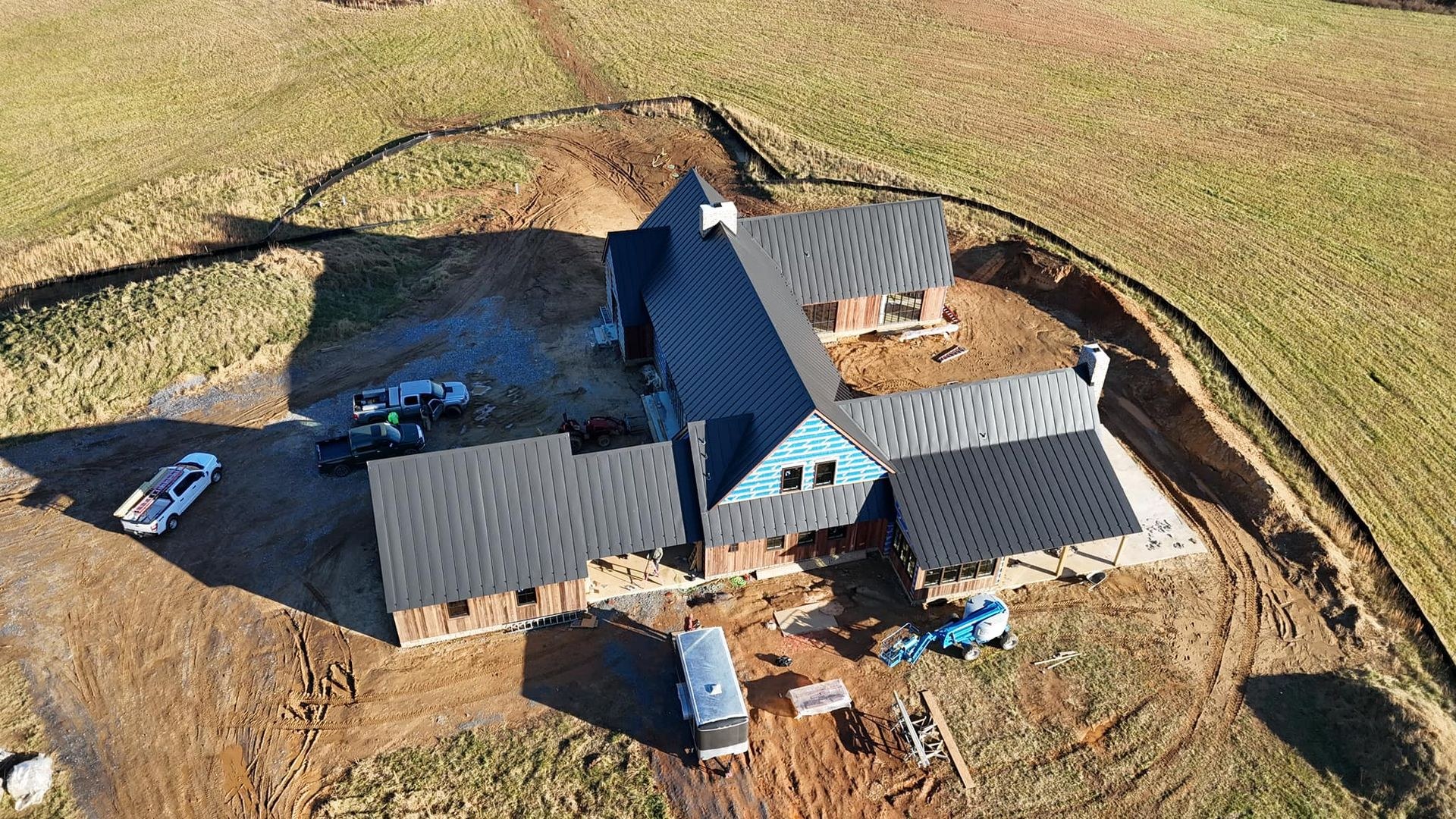
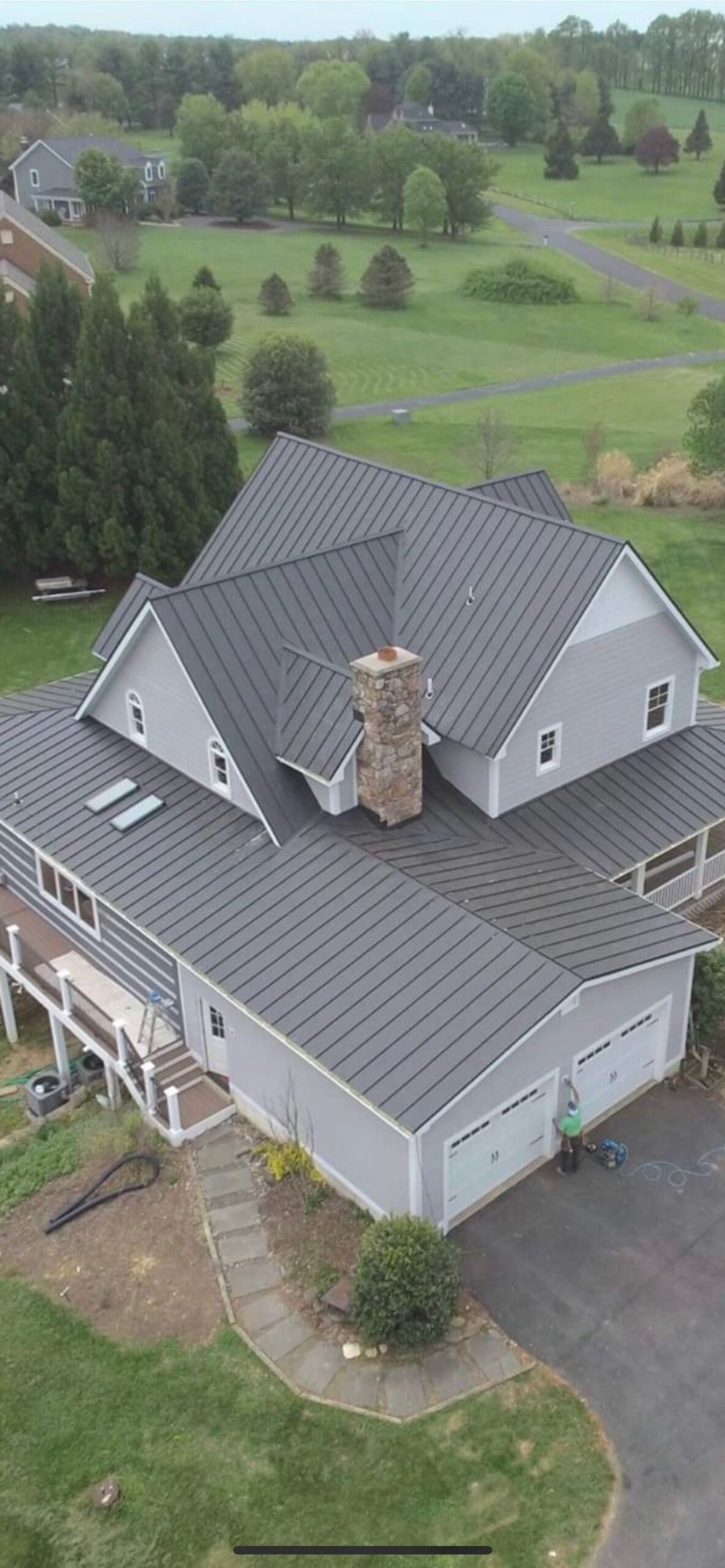
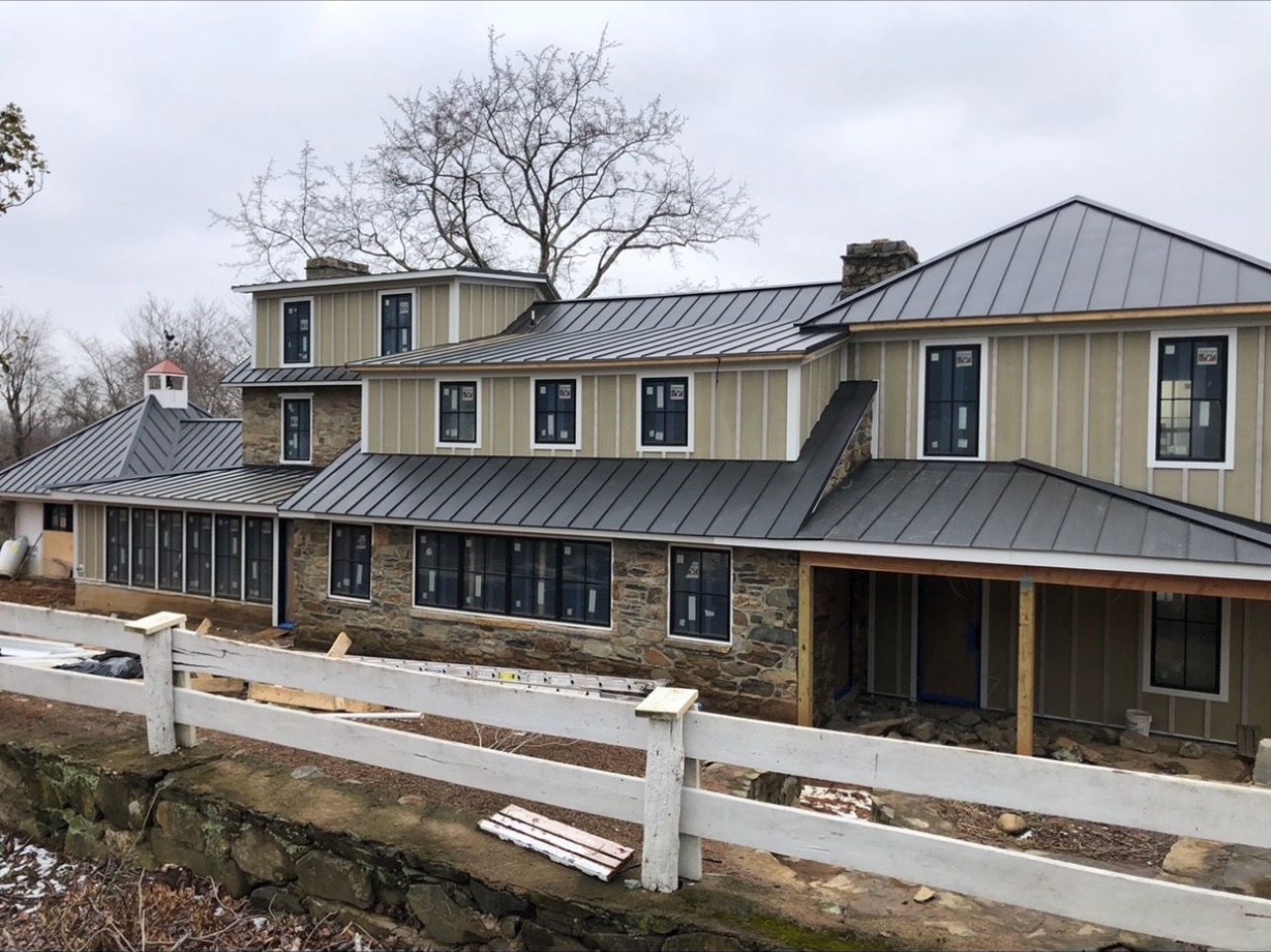
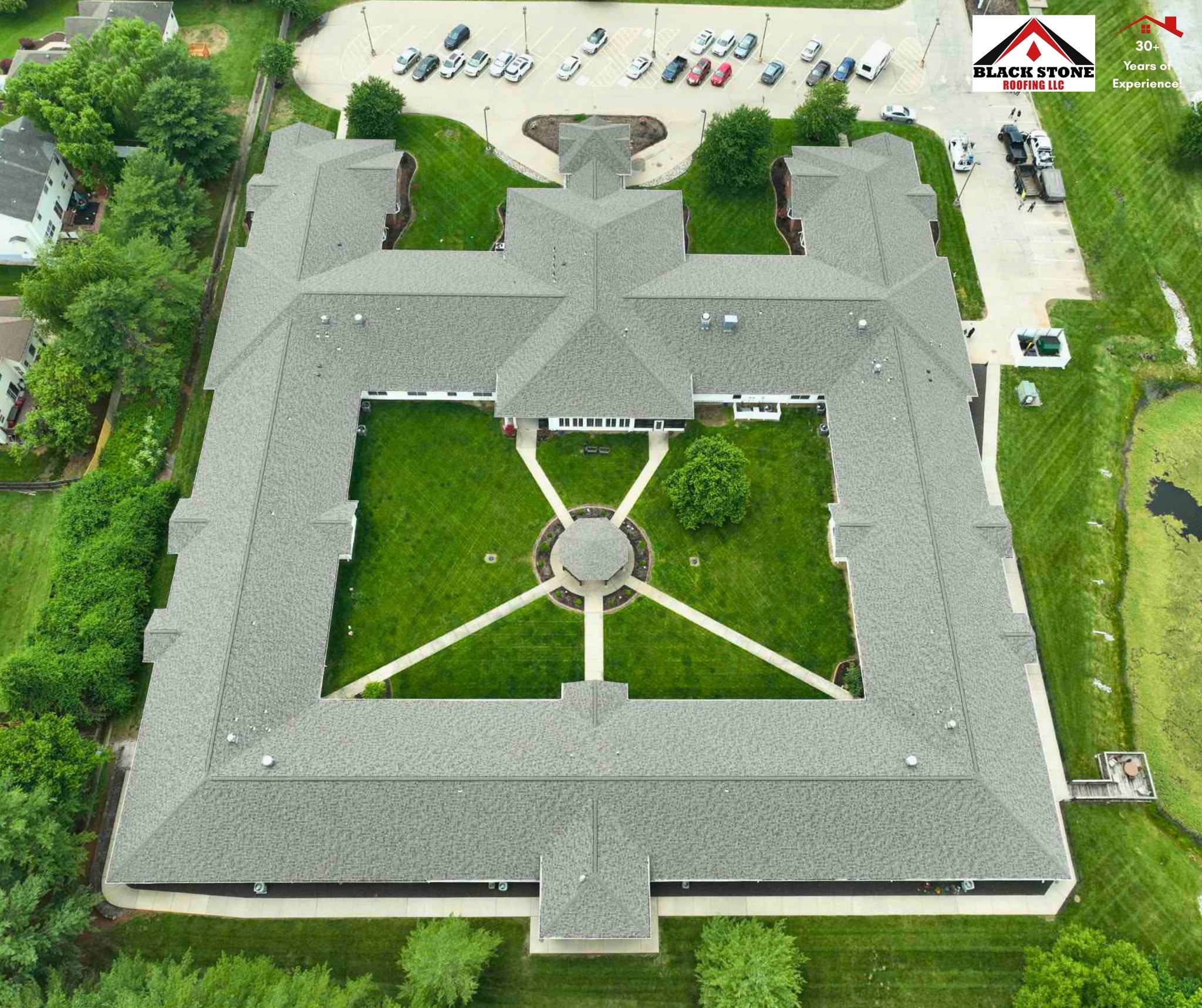
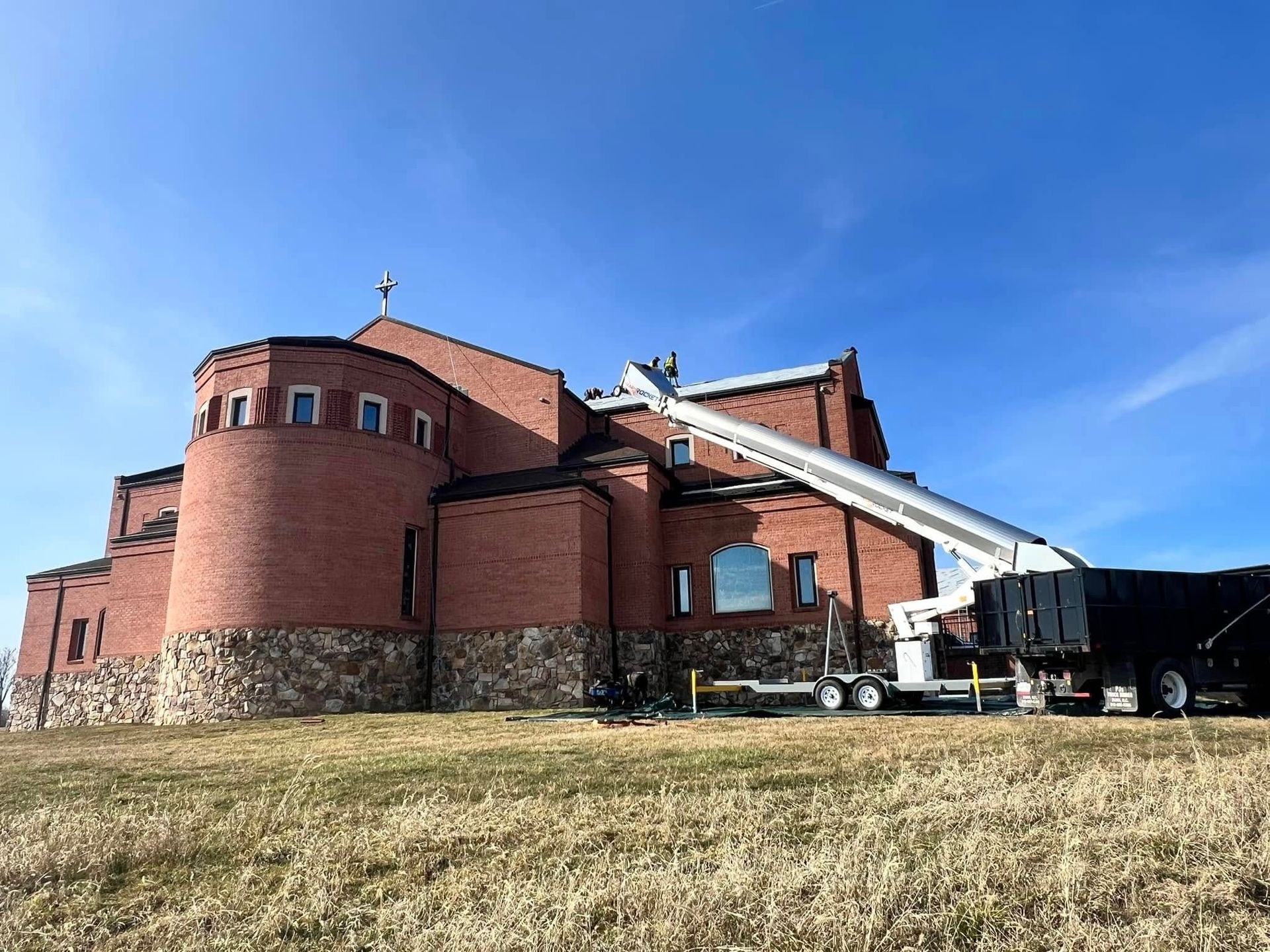
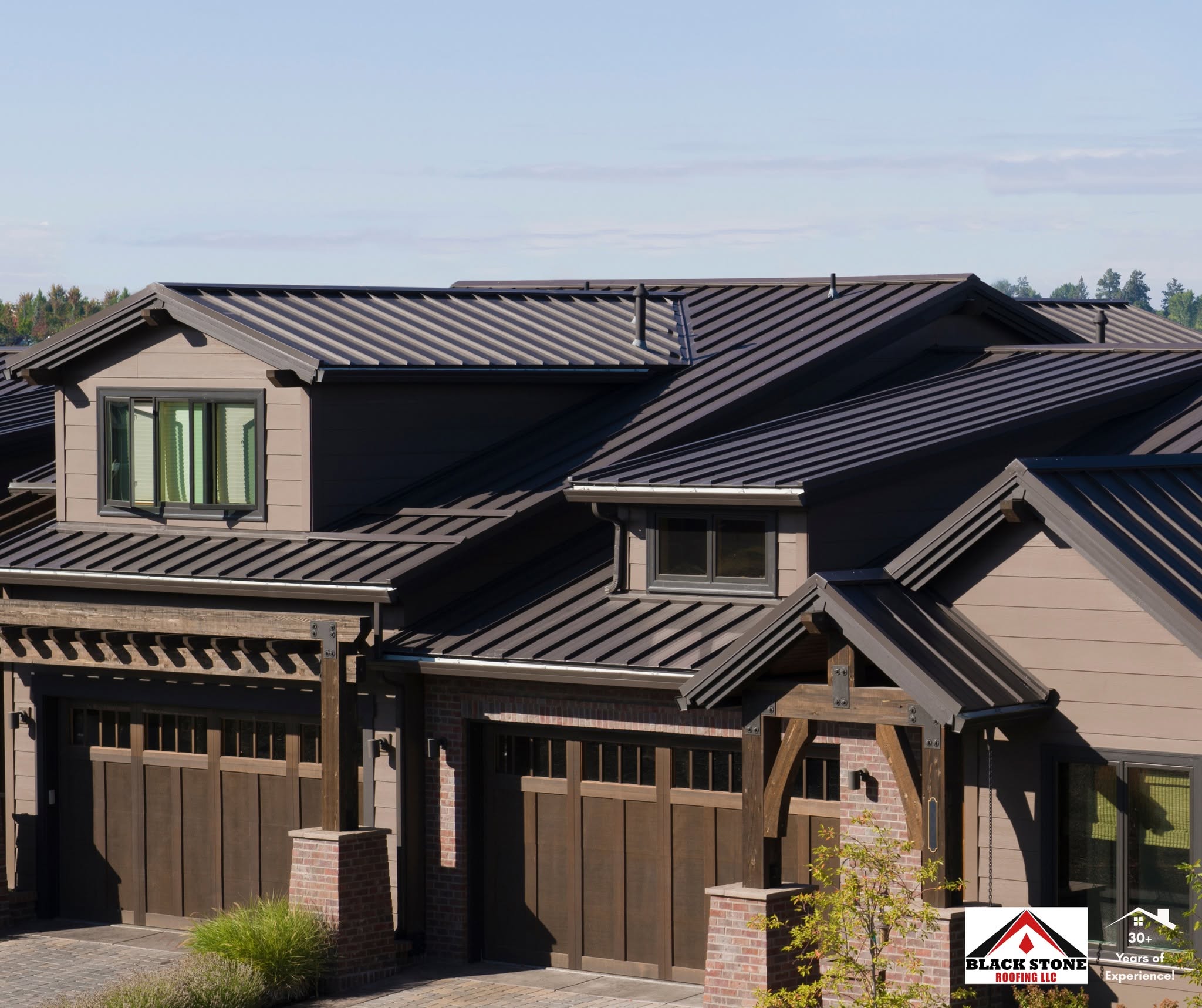
Roofs we have been on around Martinsburg
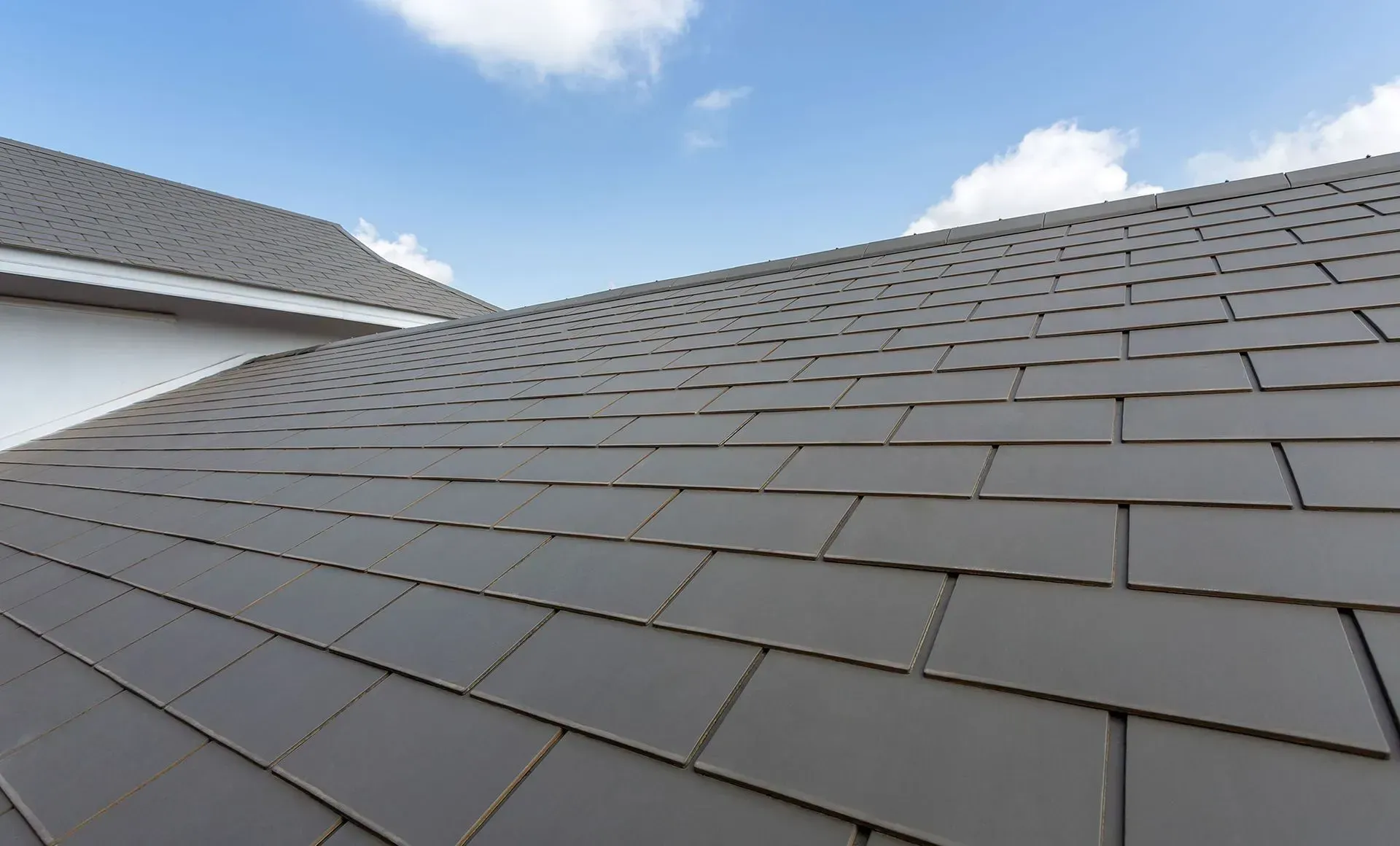
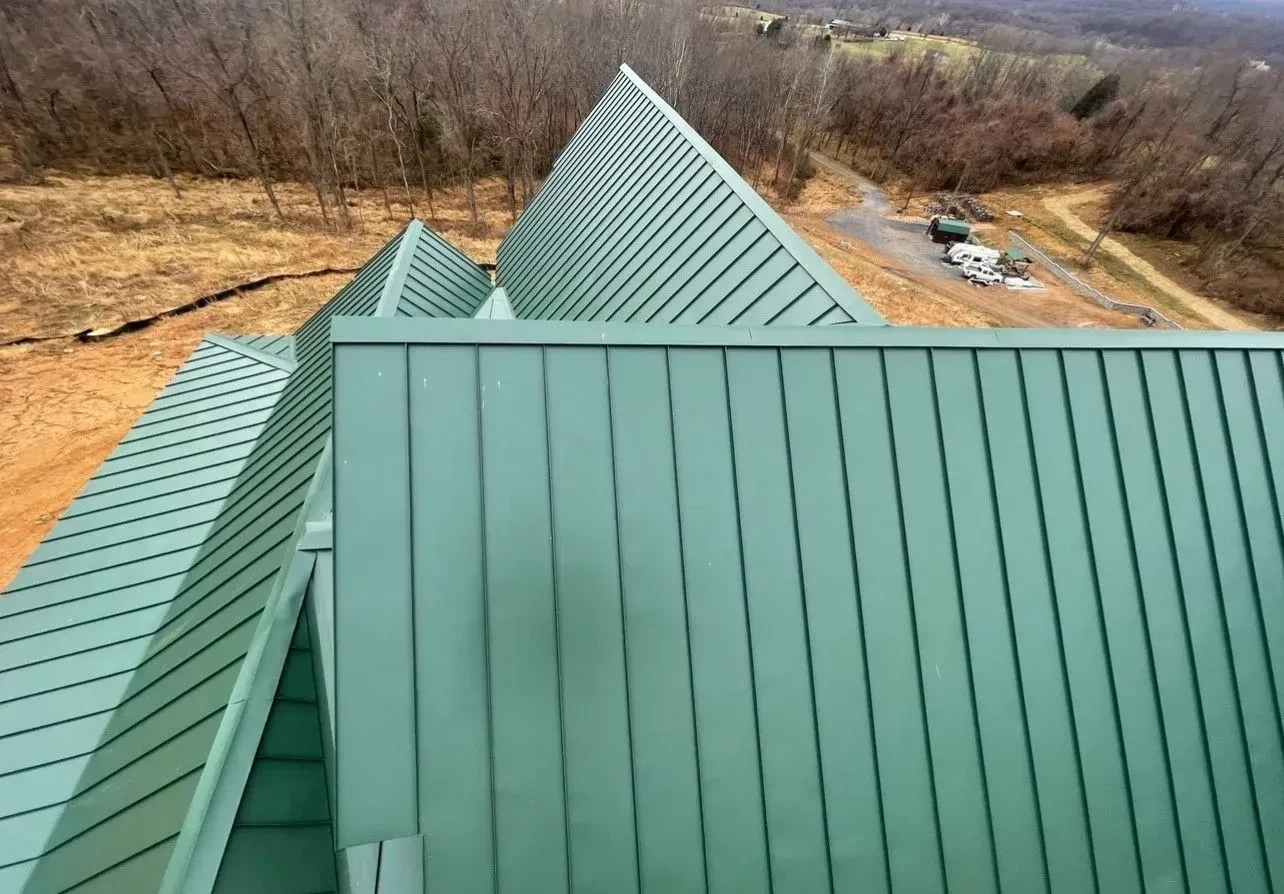
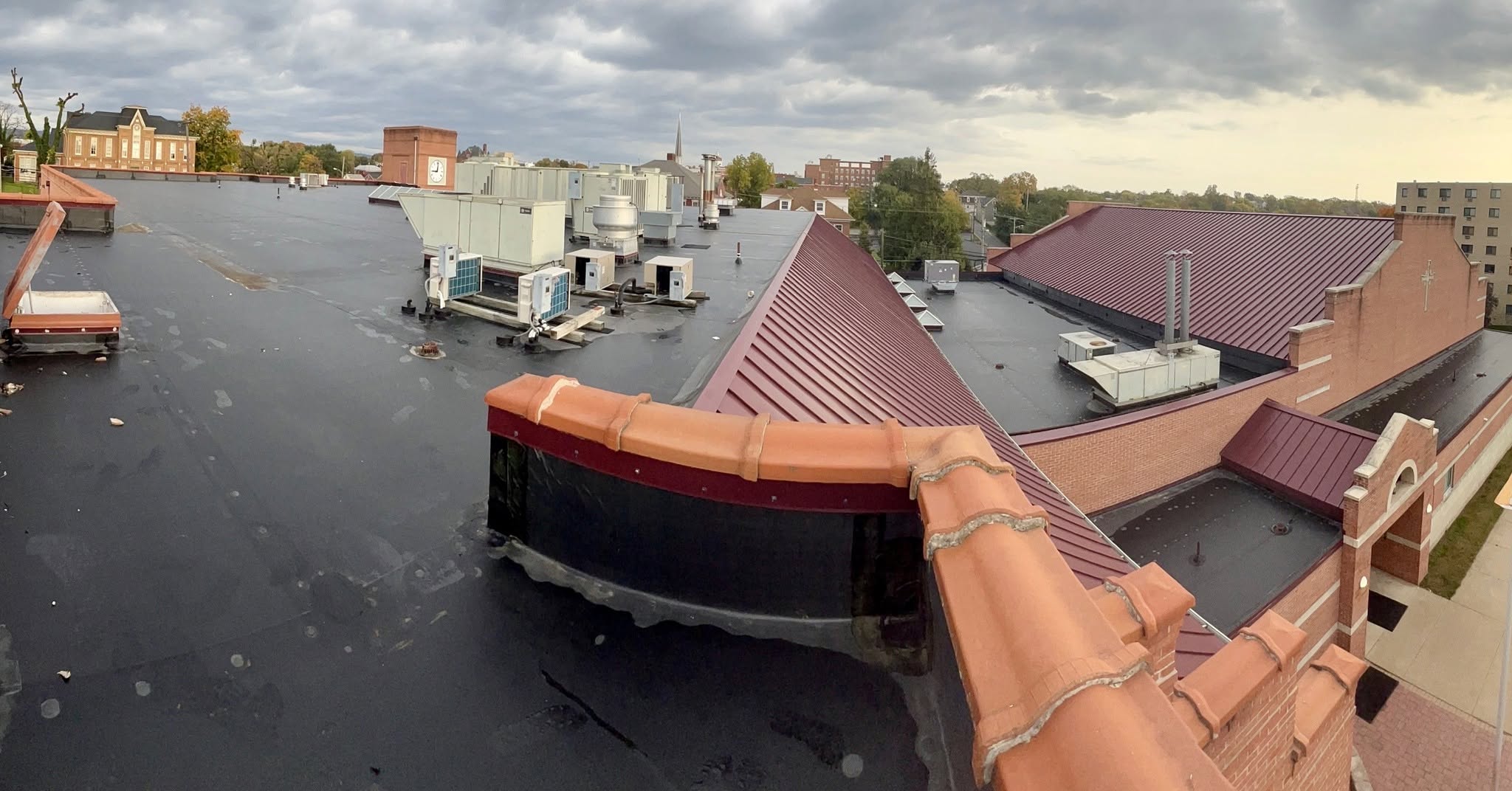
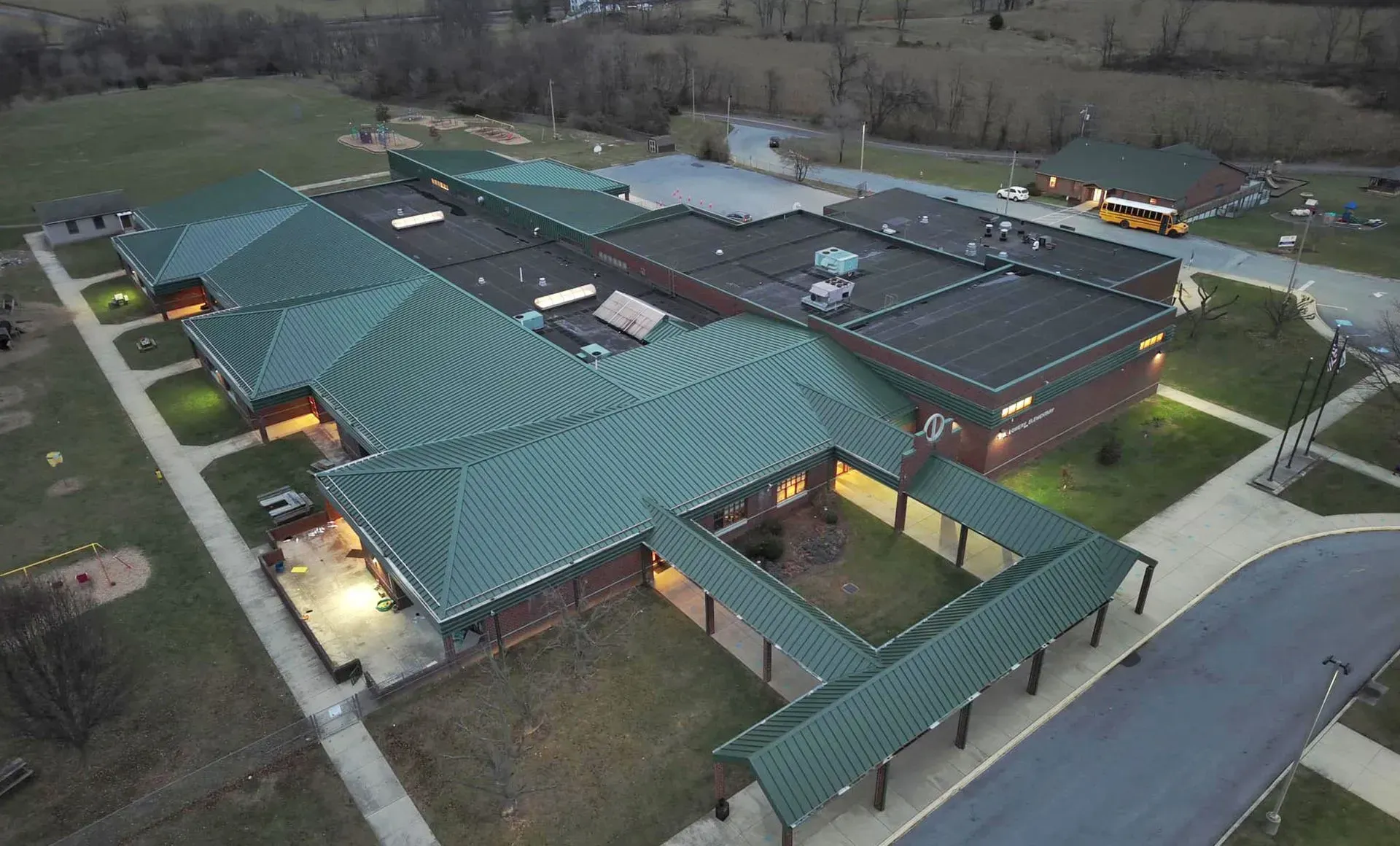

What is actually happening up there
Nearly 29 percent of the housing stock inside the City of Martinsburg was built before 1939. Drive fifteen minutes to Spring Mills or Bunker Hill and the median build year in Berkeley County is 1998. Those are two entirely different roofing businesses sharing one county, and this page is about the older one. Here is what the older one tends to show you before it fails.
Slates on the lawn after a windy week
The stone is usually fine. What corroded is the nail holding it, a failure with an actual name: nail sickness. Slates letting go in a cluster around a valley or a chimney are a flashing problem and a repair. Slates letting go evenly across a whole slope are a fastener problem and a much larger conversation. Anyone quoting you without knowing which one you have is guessing.
Soft, crumbling butts along the bottom edge
Slate wears from the exposed butt inward as water gets into the cleavage planes and freezes. January here averages 32.4 degrees, with a mean low of 25 and a mean high of 41, so the roof crosses the freezing line most days most of the winter. Flaking butts across the majority of a slope mean the material is finished. Cracked and missing pieces with sound butts do not.
A ceiling stain in a room nowhere near the leak
That is usually a box gutter. Older cornices have a metal lined gutter framed right into them, and that liner is a roof, not a gutter. When it fails the water runs into the cornice and down inside the wall, then surfaces wherever gravity decides. Caulk buys one season. Relining with properly formed metal and real expansion joints fixes it.
The porch ceiling going brown
Half the Victorian porches and shed roof rear additions in this town sit at 1:12 or flatter with asphalt shingles on them. Shingles shed water, they do not seal it out, and below 2:12 they are not permitted at all. It took nine years to start staining because it was slow, not because it was working.
Cedar that is cupping, curling, and splitting early
Wood has to dry from the underside. Shakes laid straight onto a solid deck with a layer of felt under them stay wet and die young. Spaced sheathing or a ventilated underlayment mat is not a preference, it is the reason the material lasts.
Rotted fascia and a dam of ice every February
Steep Victorian pitches shed snow fast and dump all of it on whatever sits below, usually the porch. Winter Storm Jonas put 42 inches on Glengary in January 2016 and better than three feet across the Martinsburg area. Original overhangs sit outside the heated envelope with nothing insulating the wall plate, which is the exact geometry that builds a dam. Membrane at the eave helps. Air sealing and insulation is the cure, and we will say so even though it is not roofing work we bill for.
What happens from your first call to the last load out
1. You call and a person picks up
We are open 24 hours, seven days a week. A slate roof that lost its valley metal in a storm does not wait until Monday morning, so neither do we. If water is coming in tonight, we get it tarped and stabilized first and talk about the real scope after.
2. We sound the field and pull fasteners
A sound slate rings when you tap it. A delaminated one thuds. We sound the field, lift a few slates to see what the nails actually look like, and check the valley, chimney, and sidewall metal, because on most slate roofs in this city the stone has outlasted its own flashing twice over.
3. You get photos and a written scope
The inspection is free and you get pictures either way. If it is a flashing repair we tell you that in writing. If the roof is genuinely finished, you see why in the photos instead of taking our word for it.
4. We handle the Certificate of Appropriateness
Inside the Historic Preservation Overlay District, a roof replacement needs one. We write the scope and the material description so it can actually go in front of the commission, and we plan the job around their meeting date rather than pretending the calendar does not exist.
5. Surprises get reported the day we find them
Board decking with gaps too wide to hold a nail, soft lime mortar at the chimney, a box gutter liner in worse shape than it looked from the ground. You hear about it from us in writing the day it turns up, before anything else goes down over it.
6. Nobody walks your slate
We stage it or work off hook ladders. One boot in the wrong place costs three more slates, and the last thing a hundred year old roof needs is a crew treating it like a shingle job. We clean up, run the magnet, and walk it with you before we leave.
What we actually build on a specialty roof
Board sheathing, evaluated before anything covers it
Downtown roofs sit on 1×6 or 1×8 plank, usually with gaps that opened as the lumber dried over a century. A gap wider than half an inch will not hold a nail, and that changes the scope. If you are leaving cedar for another material, the skip sheathing gets covered with new solid sheathing first, because you cannot nail into air.
Load before material
Tile and slate are heavy. The framing gets evaluated before anyone discusses putting stone or concrete tile on a house that never carried it. This is also where composite earns its place, since it weighs a fraction of what slate weighs.
The layer that is actually waterproof
On tile especially, the tile is not the waterproofing. The underlayment is. That is why a leaking tile roof usually gets lifted, re underlaid, and relaid with the sound tile rather than thrown in a dumpster. On cedar you get interlayment between courses, not just a sheet under the whole field.
Ice barrier where the dam forms
Berkeley County freeze and thaw cycling is the whole reason this layer exists here. It buys you protection at the eave when a dam backs water up under the field. It does not stop the dam from forming, and we will tell you what does.
Valleys, sidewalls, and chimneys
Counterflashing belongs in a reglet cut into a mortar joint, not face nailed to brick with a bead of sealant across the top. On original lime mortar we rake and repoint with a compatible mix, because Portland cement set against soft historic brick is harder than the brick and it spalls the faces off over a few winters.
Slate hooks and copper bibs, never a face nail
Replacement slates go back in on a hook or with a copper bib, never a face nail with sealant smeared over it. Nails get set so the head just kisses the surface, because a slate nailed tight cracks the first cold night as the roof moves. On cedar, keyways get offset at least an inch and a half from the course below and no two line up within three courses.
The detail that decides whether the porch lasts
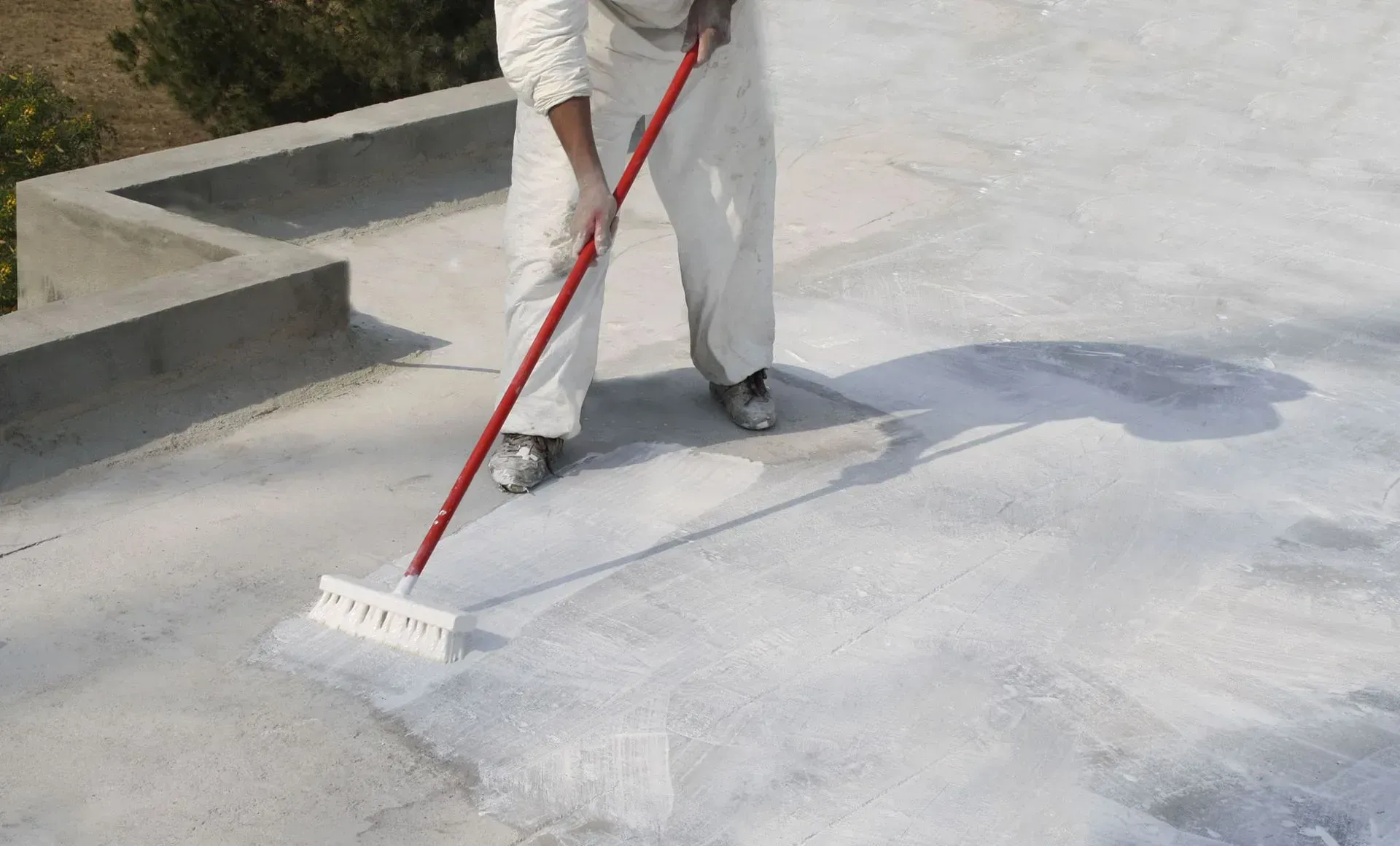
A self adhering modified bitumen or a single ply sheet, run as a continuous plane with sealed seams instead of lapped courses. The membrane has to run up the slope and underneath the shingle field above it by 12 to 18 inches, so water coming off the steep roof lands on top of the membrane instead of behind it. We constantly find the reverse: membrane butted to the shingle line with roof cement across the joint. That joint has a two or three year clock on it from the day it went in.
What stands behind the name on the truck
Based in Martinsburg
1886 Winchester Ave, Martinsburg, WV 25405. Berkeley County is home, not a service run, and the historic roofs on this page are the ones we drive past every day.
Licensed in five states
VA, WV, MD, PA, FL. Licensed, bonded, and insured. West Virginia requires the license number in advertising and posted at the job site. Ask us for ours, then ask everyone else bidding your house for theirs.
Family owned since 2016
The people who answer the phone are the people who own the company.
4.9 stars from 50 Google reviews
Read them, then ask us what we found on the last slate roof we opened up and what we told the owner to do about it.
Related roofing services
Residential Roofing
The overview for architectural shingle and straightforward residential standing seam homes.
Asphalt Shingle Roofing
Nailing patterns, starter strip, drip edge sequencing, and ice barrier extent.
Residential Metal Roofing
Standing seam gauge and substrate, snow retention, and the oil canning disclosure we make before you sign.
Roof Repair
Pipe boots, step and kickout flashing, chimney crickets, and the repair versus replace framework.
Roof Replacement
Permitting through the city or Berkeley County, walked through in detail.
Roof Inspection
Free, with photos either way, before anybody hands you a number.
Gutter Repair
Box gutter relining with properly formed metal and real expansion joints.
Single Ply Membrane Roofing
Commercial low slope systems, a different scale entirely from a porch roof.
Emergency Roof Repair
Answered 24 hours, tarped and stabilized before more water gets inside.
Storm Damage Roof Repair
What a wind event does to old slate and formed metal, and what to document.
Where we do specialty work
Do not see your town? We work the whole corridor, so ask or call (540) 550-9703.
Specialty roofing questions we get in Martinsburg
-
Can you repair a few slates, or do I have to replace the whole roof?
Usually we can repair. If slates are coming loose in a cluster around a valley, a chimney, or a sidewall, that is a flashing problem and it is a repair. If they are letting go evenly across an entire slope, the nails are corroding out and that is a much bigger conversation. We sound the field, pull a few slates to look at the fasteners underneath, and tell you which one you have before we quote anything.
-
How do I know if my slate roof is actually worn out?
Sound it, then look at the butts. A sound slate rings when you tap it and a delaminated one thuds. Slate wears from the exposed bottom edge inward as water freezes inside the cleavage planes, so soft, flaking, crumbling butts across most of a slope mean the material is finished. Scattered cracks, missing pieces, and rusted valley metal do not. Under ASTM C406 an S1 grade slate is classed for well past 75 years of service, so the odds are that what failed on your house is the flashing or the fasteners, not the stone.
-
Do I need approval from the city before I reroof a house in the historic district?
Inside the Historic Preservation Overlay District, yes. The Historic Preservation Review Commission reviews construction, alteration, and repair, and a roof replacement requires a Certificate of Appropriateness. The commission has nine members and meets the first Monday of each month at 6:30 in the evening, so there is a calendar to plan around. If you are not sure whether your address falls inside a district, call the City of Martinsburg Planning, Zoning and Building Department before you spend money on a design.
-
Can I put asphalt shingles on my porch roof?
Not if it is under 2:12. Shingles shed water, they do not seal it out, and below a 2:12 pitch they are not permitted no matter what is up there now. Between 2:12 and 4:12 they are allowed only with a doubled underlayment at a 19 inch head lap. A low slope porch, dormer, or rear addition needs a membrane, and that membrane has to run up underneath the shingle field above it by 12 to 18 inches so the water lands on top of it instead of behind it.
-
Is synthetic slate as good as the real thing?
It is a real option and we install it, but it is a different product and you should buy it knowing that. Composite slate weighs a fraction of what stone weighs, which matters when your framing will not carry slate, and it does not shatter when a limb hits it. It also does not read as slate from close range, it expands and contracts so the butt joints have to be spaced to the manufacturer’s number, and the Historic Preservation Review Commission is under no obligation to approve it in the overlay district. Confirm that before you order material.
-
I have cedar shake. Can you lay new shakes over what is there?
No. Wood roofs are laid on spaced sheathing so the shakes can dry from underneath, and stacking a new layer over an old one traps the moisture that kills them. If you are staying in wood, we tear off and rebuild the assembly with interlayment between courses and keyways offset course to course. If you are switching to any other material, the skip sheathing has to be covered with new solid sheathing first, because you cannot nail into a gap.
-
Do you work on slate and specialty roofs outside Martinsburg?
Yes. We are based at 1886 Winchester Ave in Martinsburg, so Berkeley County is our home county and Inwood, Bunker Hill, Hedgesville, Falling Waters, Spring Mills, Kearneysville, and Charles Town are short runs for us. We also work Hagerstown and south down I-81 into Winchester and the Shenandoah Valley, where the historic stock has the same slate, the same box gutters, and the same 1:12 porch roofs. West Virginia requires a state contractor license, requires the number to appear in advertising, and requires it posted at the job site. Ask us for ours, and ask every other roofer bidding your house for theirs.
Get eyes on it before you get a quote
The inspection is free and you get photos either way. If it is a flashing repair we will say so. If the roof is finished, you will see why in the pictures rather than taking our word for it. Open 24 hours, seven days a week. A slate roof that lost its valley metal in a storm does not wait until Monday morning. Neither do we.