Home/Exterior Services/Solar Panel Installation
MOUNTING, FLASHING, STRUCTURE, AND RESETSolar Panel Installationin Martinsburg, WV
The array will outlive the roof under it. That is the whole problem in one sentence. We look at the roof first, tell you honestly how many years are left in it, and mount to it the way a roofer mounts to a roof. If the answer is that the roof goes first, we will say so and sell you nothing today.
Leaking right now
Emergency response
We answer 24 hours. Tarped and stabilized before more gets inside.
Planning ahead
Free inspection
Written scope and photos so you know what the roof actually needs.
Request your free estimate
The roof systems we mount arrays to around Berkeley County
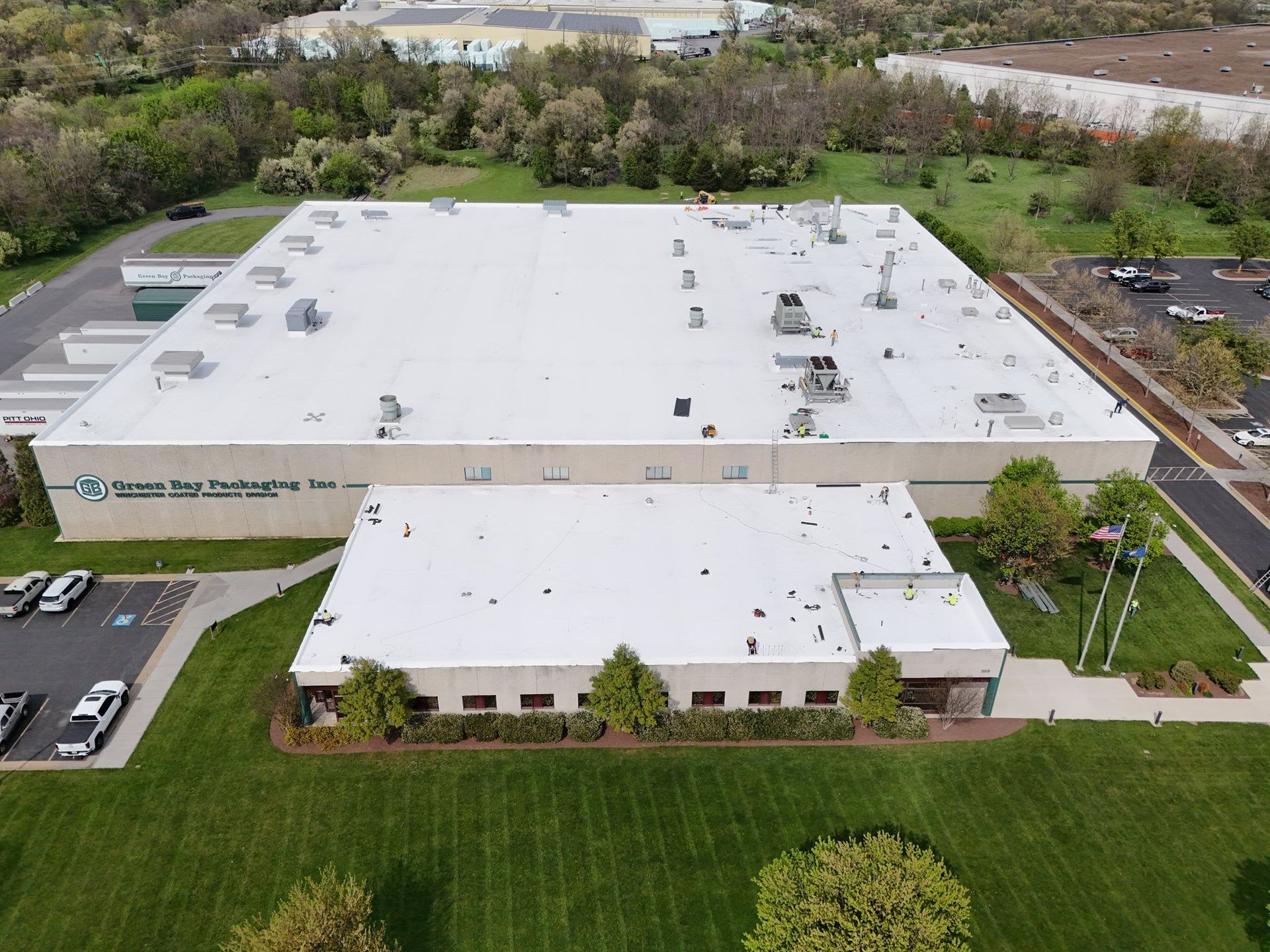
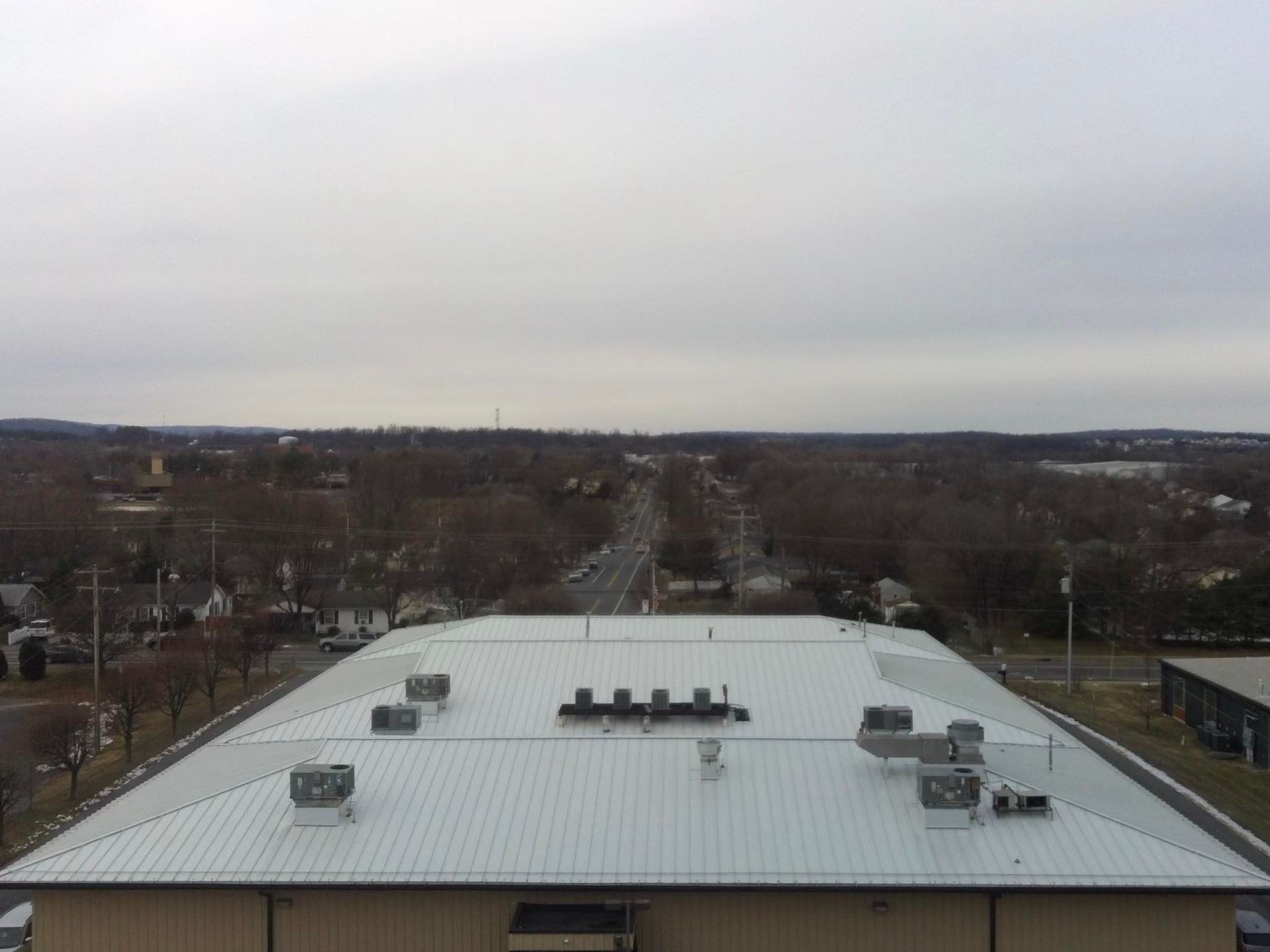
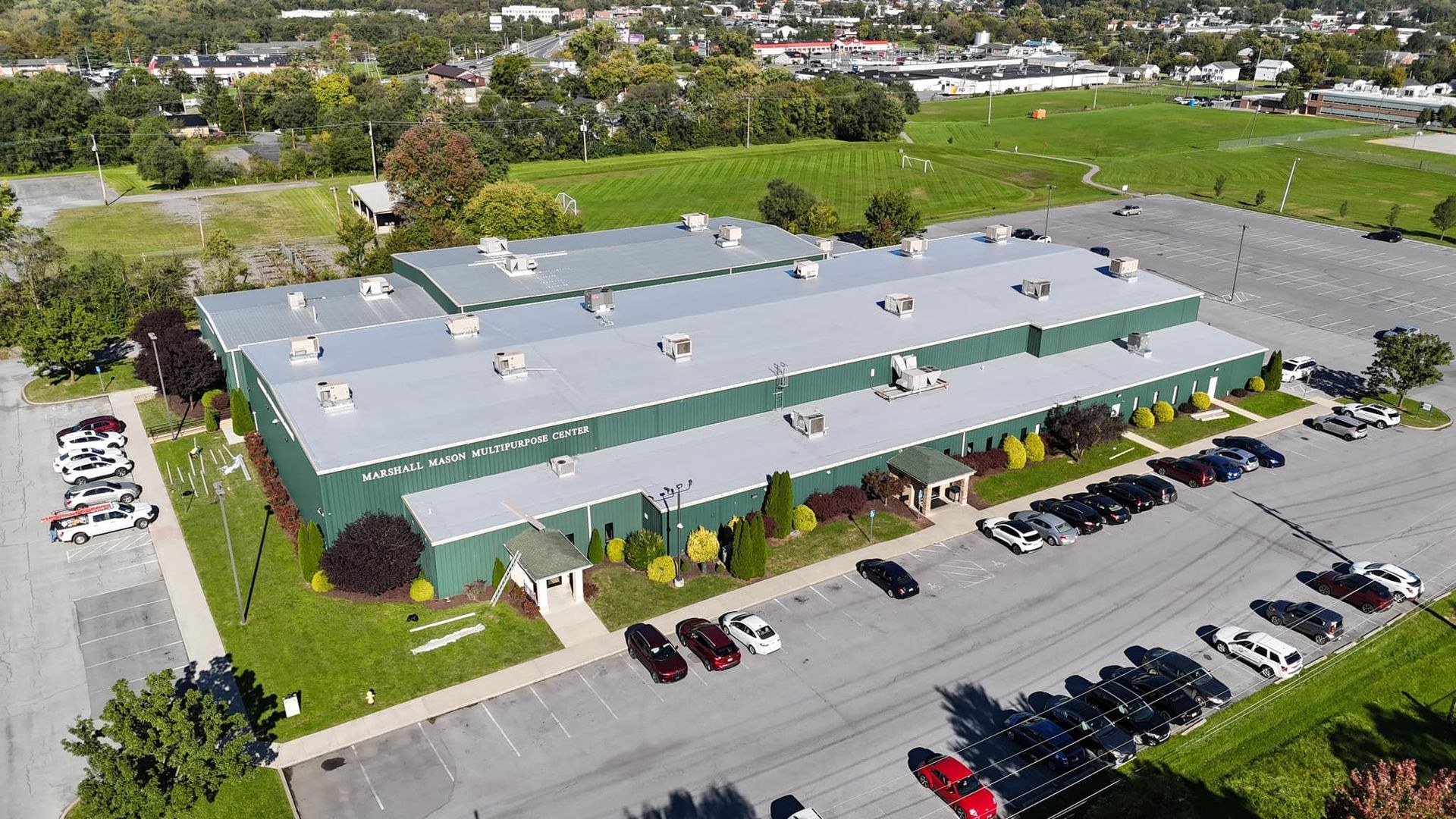
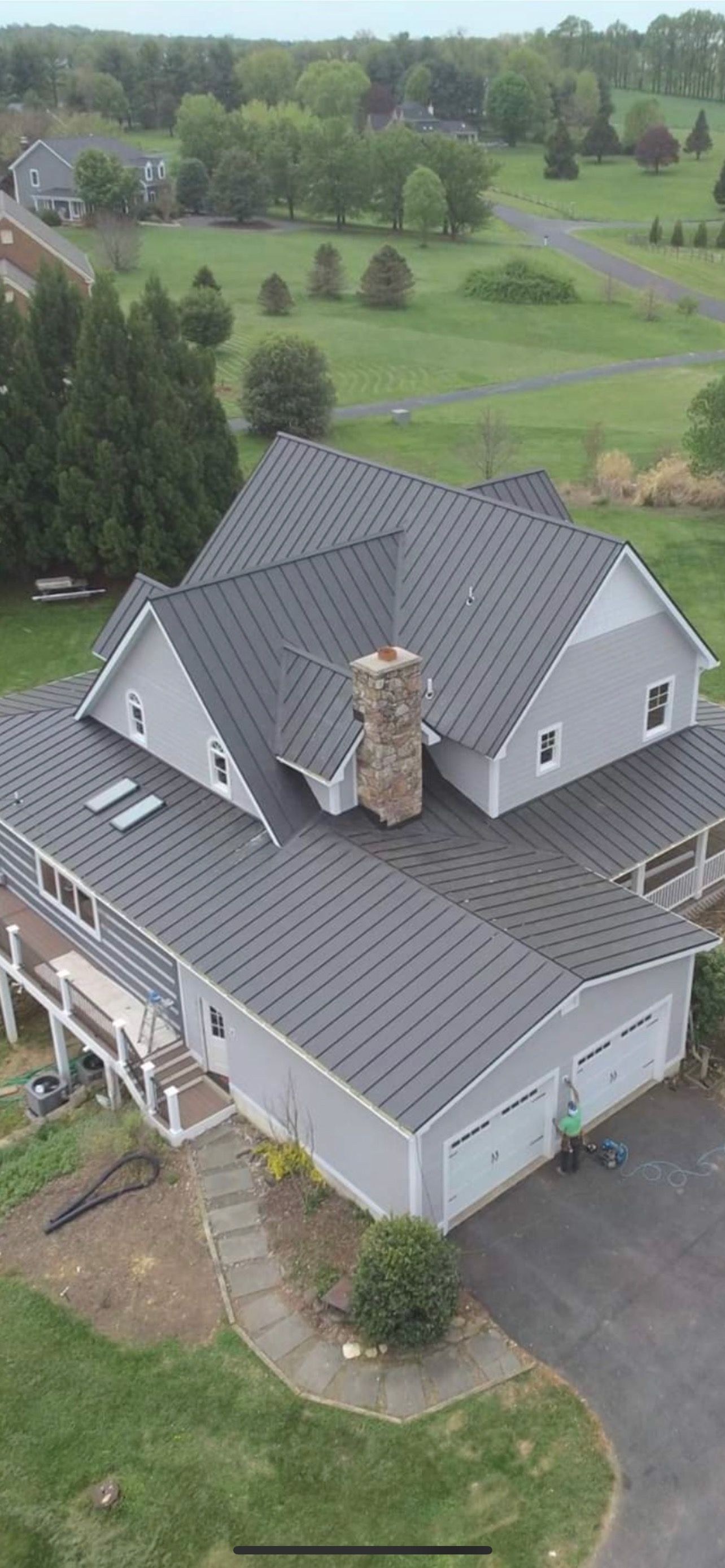
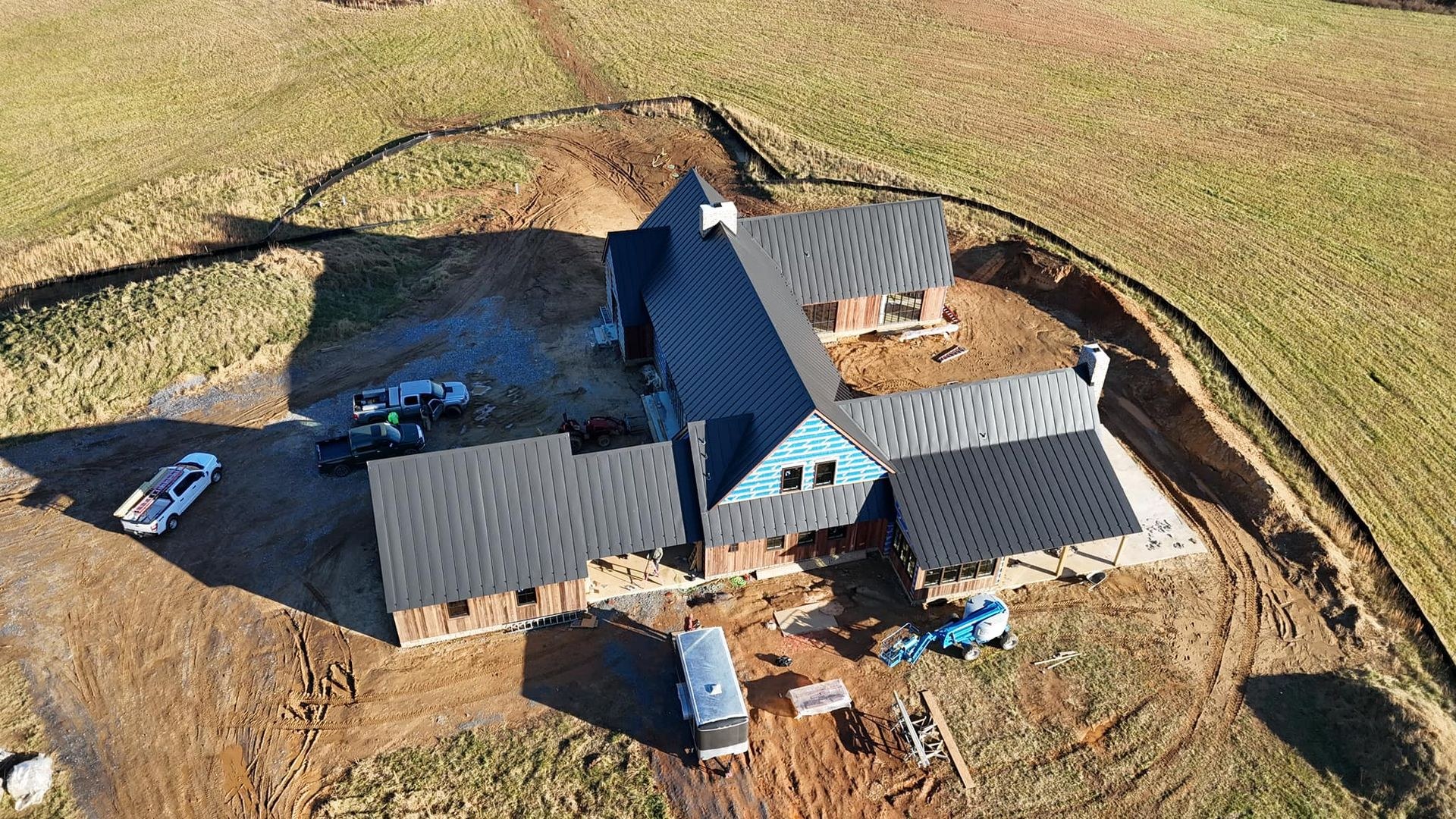
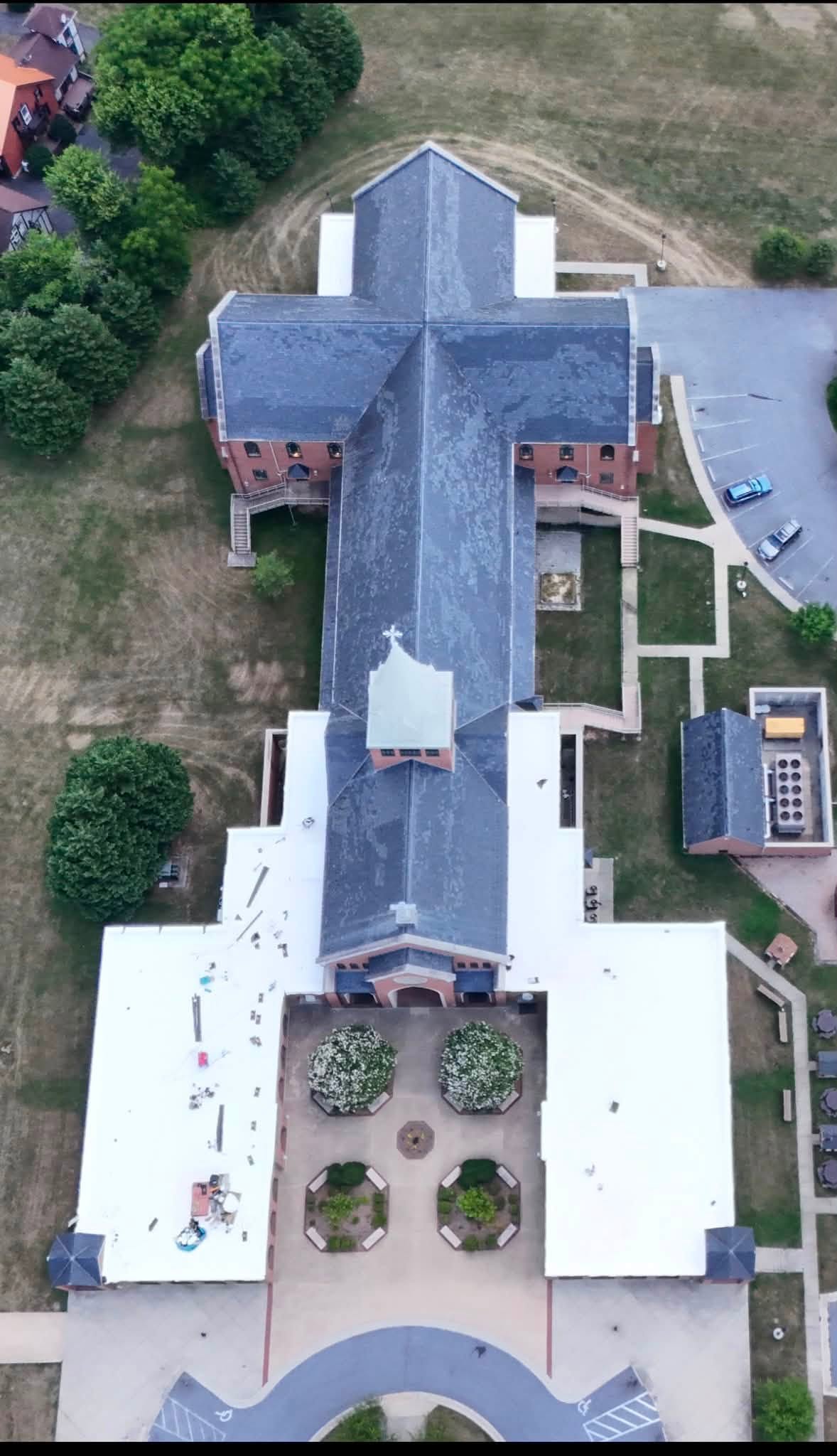
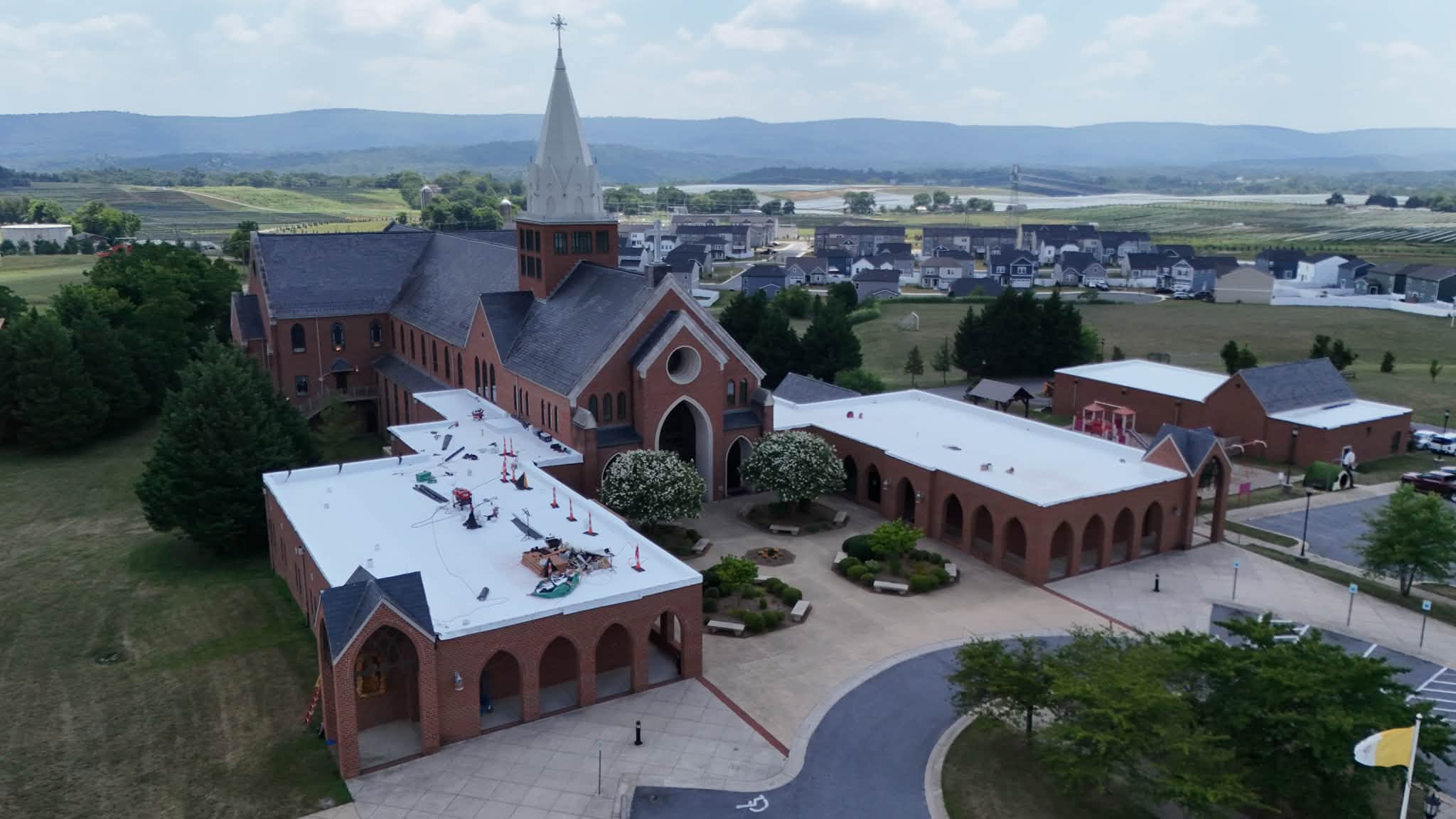
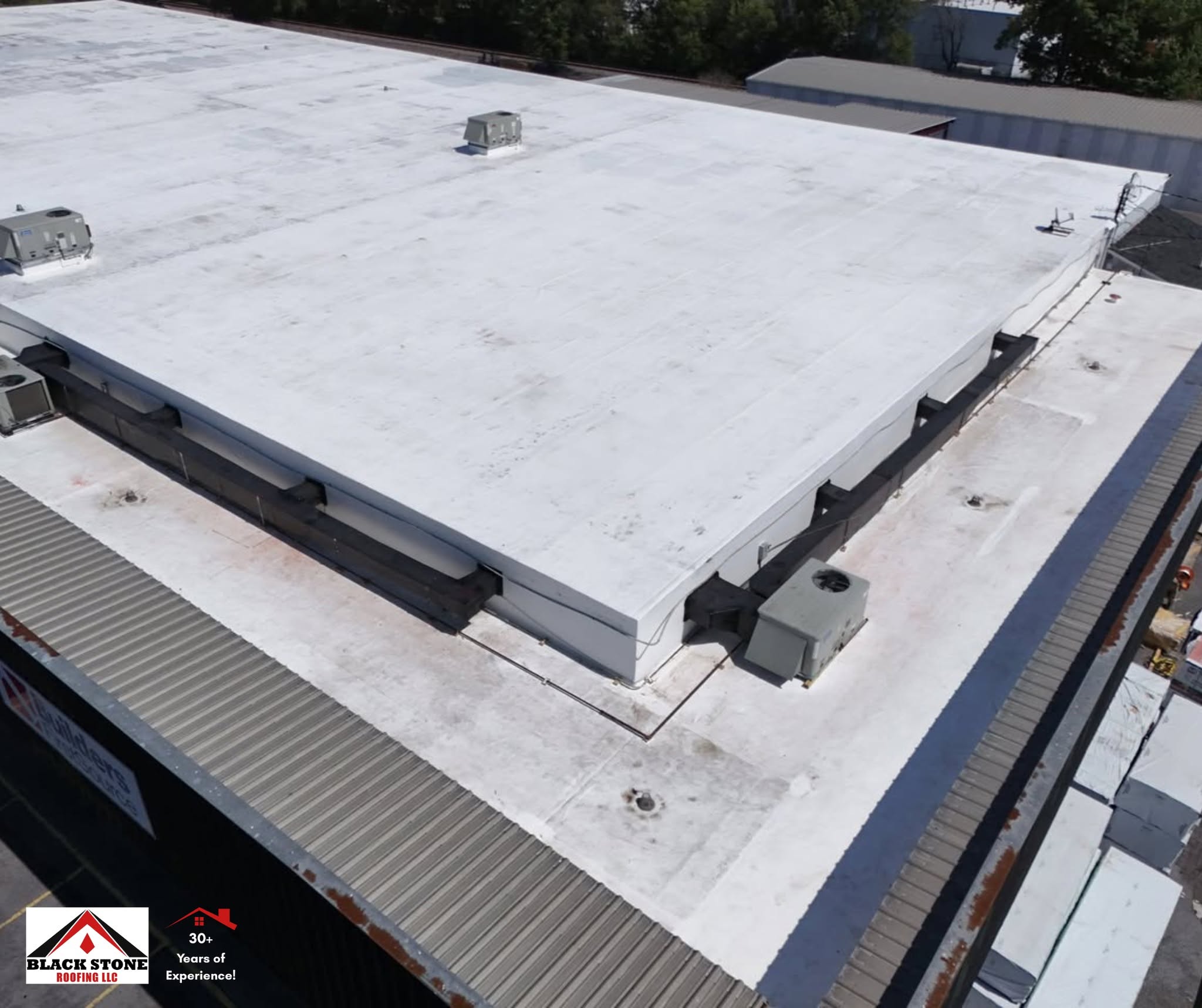
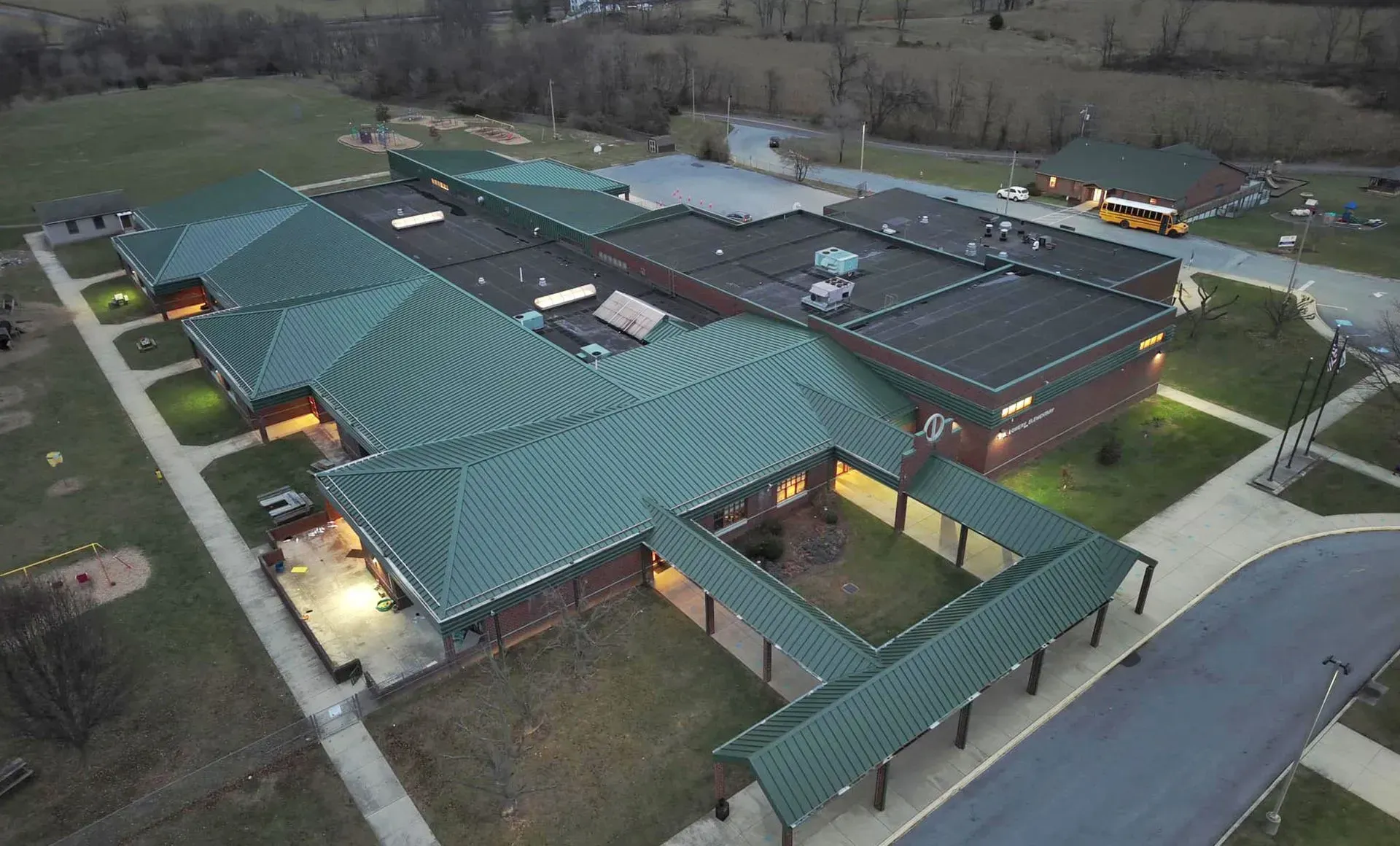
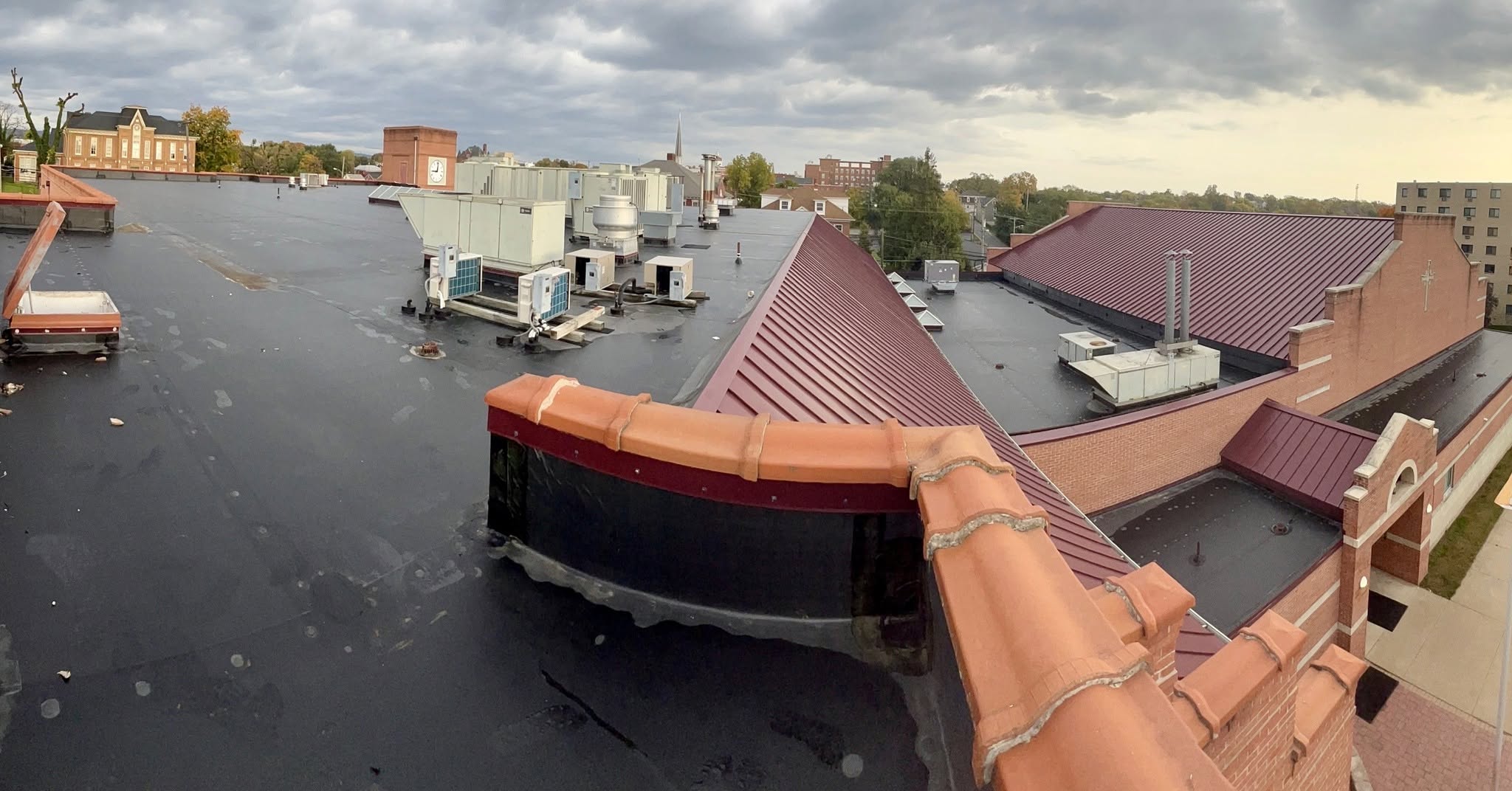
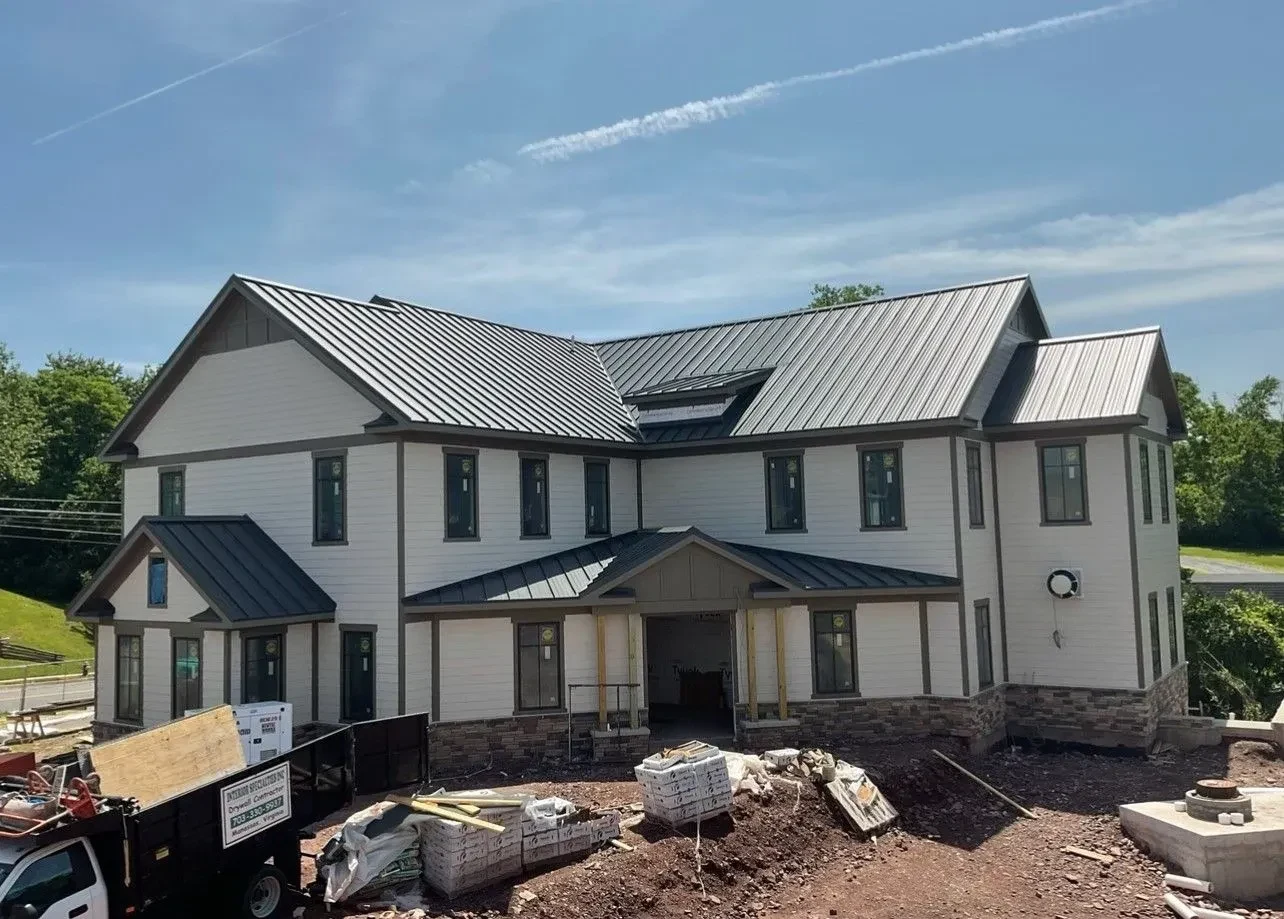
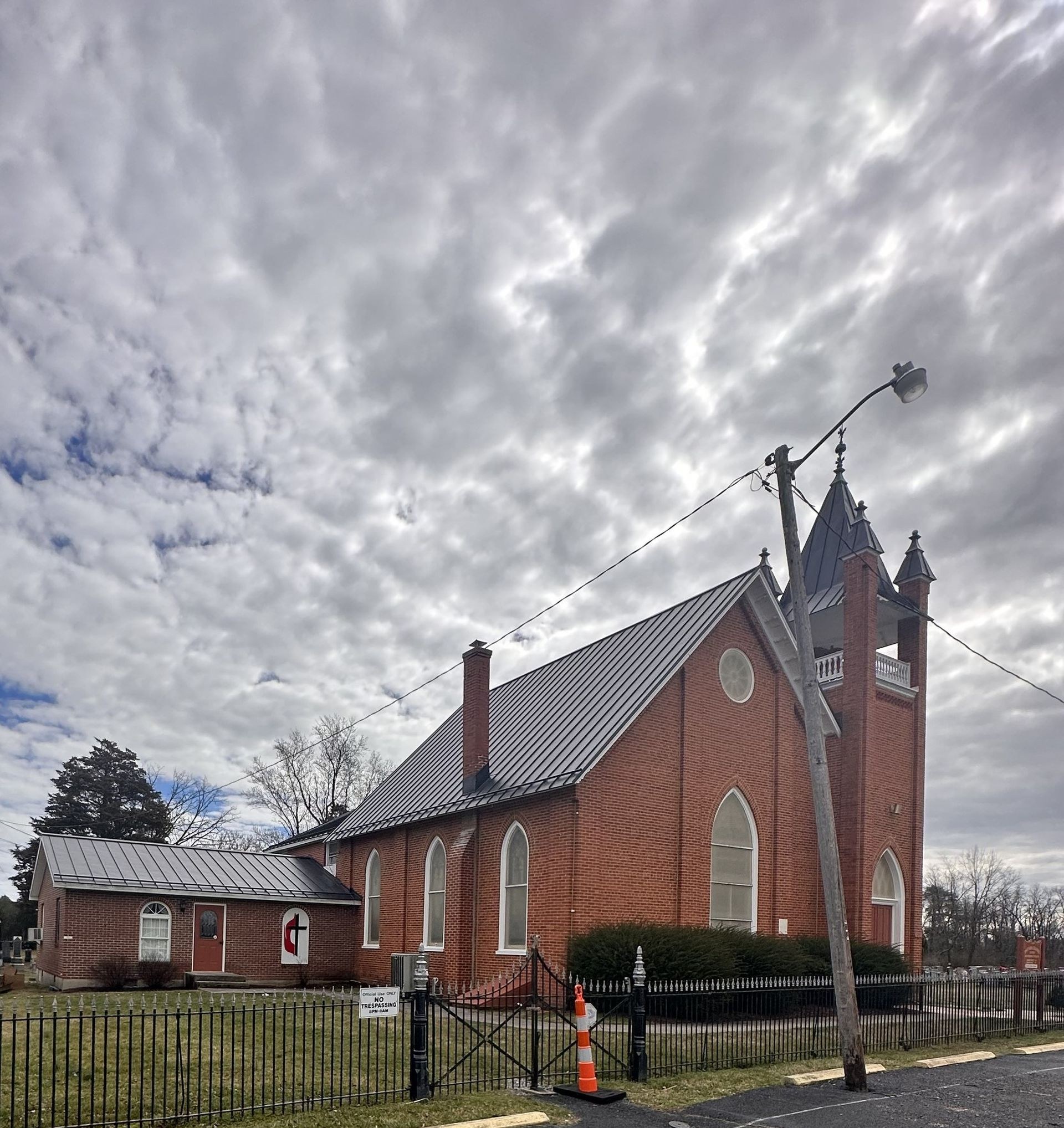
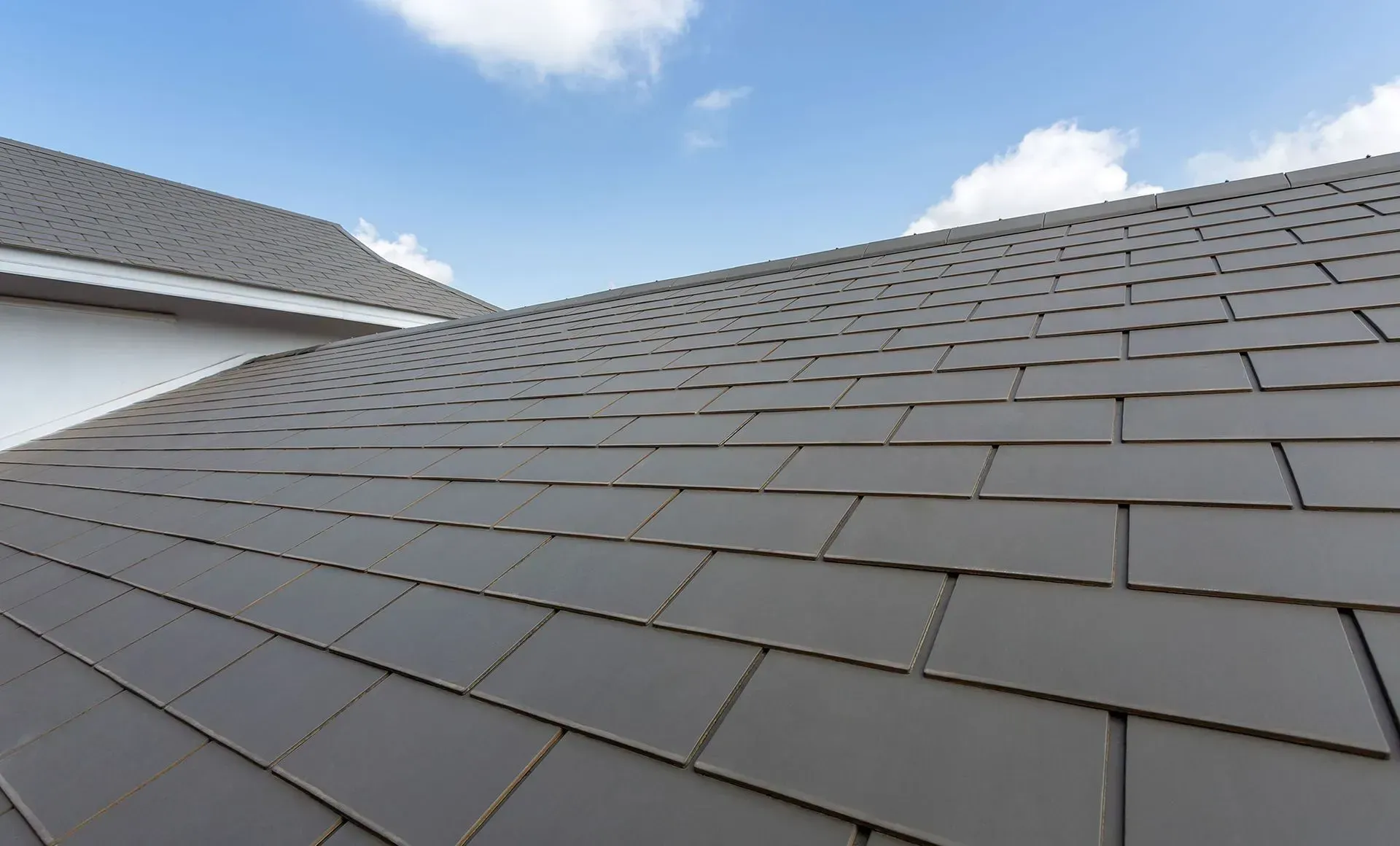
Solar is a roofing decision before it is an energy decision
Mount panels on a roof with under a decade left and you buy that array once, then you pay again to have it pulled, stored, and reset when the shingles come off, and you pay a third time in flashing repairs if whoever set it the first time treated a lag bolt hole as a caulking job. That math is landing hard in Berkeley County right now. Roughly 24 percent of the county’s housing went up between 2000 and 2009, which puts that entire cohort dead center of asphalt shingle replacement age, and it is exactly the subdivision belt through Spring Mills, Falling Waters, Inwood, and Bunker Hill where the solar reps knock. These are the six things we grade before anyone talks about mounting.
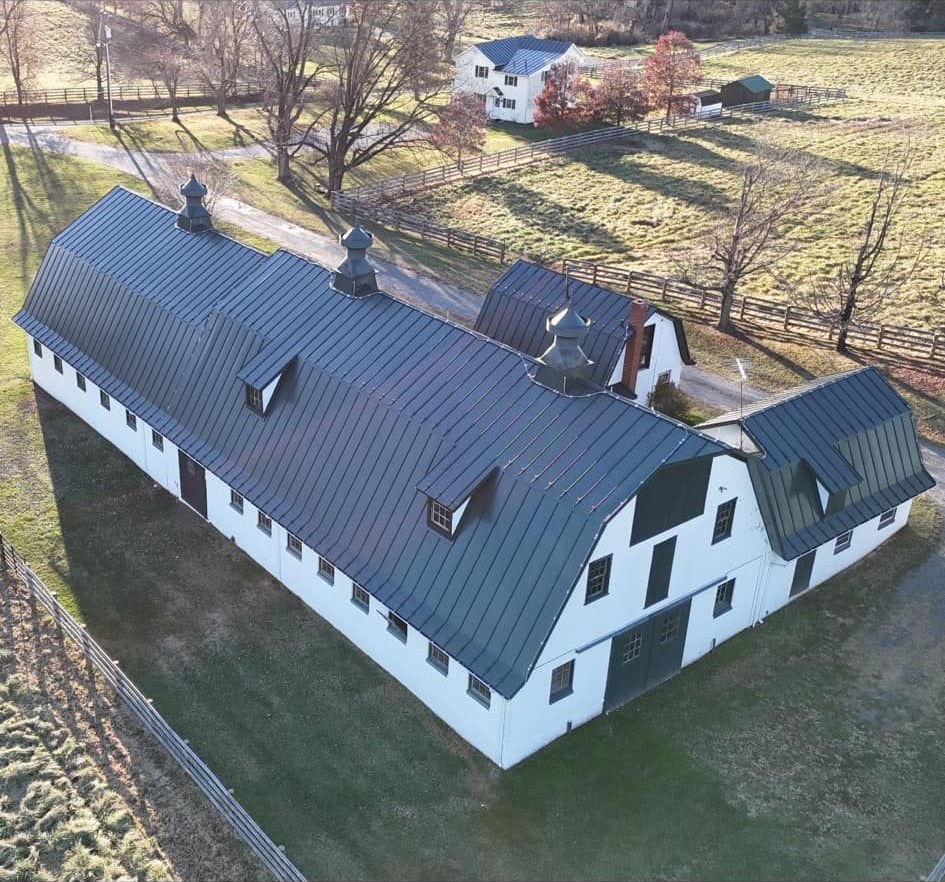
Granules piling at the downspout outlets
The mat under the shingle is losing its shield. A roof already shedding granules is on the back half of its life, and hanging hardware on it buys you a removal and reset bill inside a few years.
Seal strips that let go by hand
A properly bonded shingle tears before it releases. If the tab lifts clean, wind is already getting under the course, and every new mount you add is another edge for it to work on.
Cracked pipe boot collars
Collars split around year eight to twelve on south and west exposures while the field still has years left. That is a cheap fix on an open roof and an expensive one under a panel nobody can reach.
A deck that gives underfoot
Soft sheathing will not hold a lag, and withdrawal is exactly what wind does to an array. Soft spots get found by walking the roof, not by reading it from the driveway.
Soffit vents with no slot cut behind them
Plenty of tract houses here have perforated soffit and no actual intake path. Trapped heat cooks the shingle from below and shortens the clock you are about to bolt a twenty year array onto.
Mounts stuck to the shingle face on a sealant pad
If you already have panels, this is the one to look for. Sealant is maintenance and flashing is waterproofing. When that bead gives up there is an open lag hole in your deck under a panel you cannot see.
From suitability inspection to the reset years later

Free roof suitability inspection
We are grading remaining service life, not aesthetics. Seal strip by hand, boot collars, granule loss at the outlets, how the deck feels underfoot, then the attic from below for daylight at the penetrations and staining at the sheathing seams. You get photos and a written read.
The honest number, even when it costs us the sale
Six years old with sound flashings and we say mount away. Nineteen years old with brittle boots and soft decking and an array on it is throwing good money after bad. The uncomfortable middle, roughly ten to fourteen years, is a conversation about your specific roof rather than a rule.
Structure and permit check before anything gets bolted
What matters is the point load at each standoff and the case where snow sits on top of the array in February. Most county subdivision stock is engineered truss at 24 inch centers. City houses built before 1939 run true dimensional lumber carrying a century of notching and sistering. If it needs an engineer’s review we say so instead of lagging into it and hoping.
Mounting method matched to your actual roof
Shingle, standing seam, and low slope membrane are three different attachments with three different failure modes. We pick from what is on your house rather than from what the racking rep sells, and the estimate names the method.
Install day, and every hole is ours
Rafters get located and verified, not estimated off a chalk line snapped from the ridge. If we do the mounting, we own every penetration in that roof and the estimate says so in writing. We do not extend workmanship coverage over holes we did not make and cannot inspect.
Removal and reset when the roof finally comes due
Panels get labeled and mapped by string and position before one comes off, then stored, then reset once the new roof is on. Electrical disconnect and reconnect is licensed electrical work handled by the electrical trade. Old flashings do not go back on.
How the array actually holds on, which is the entire ballgame
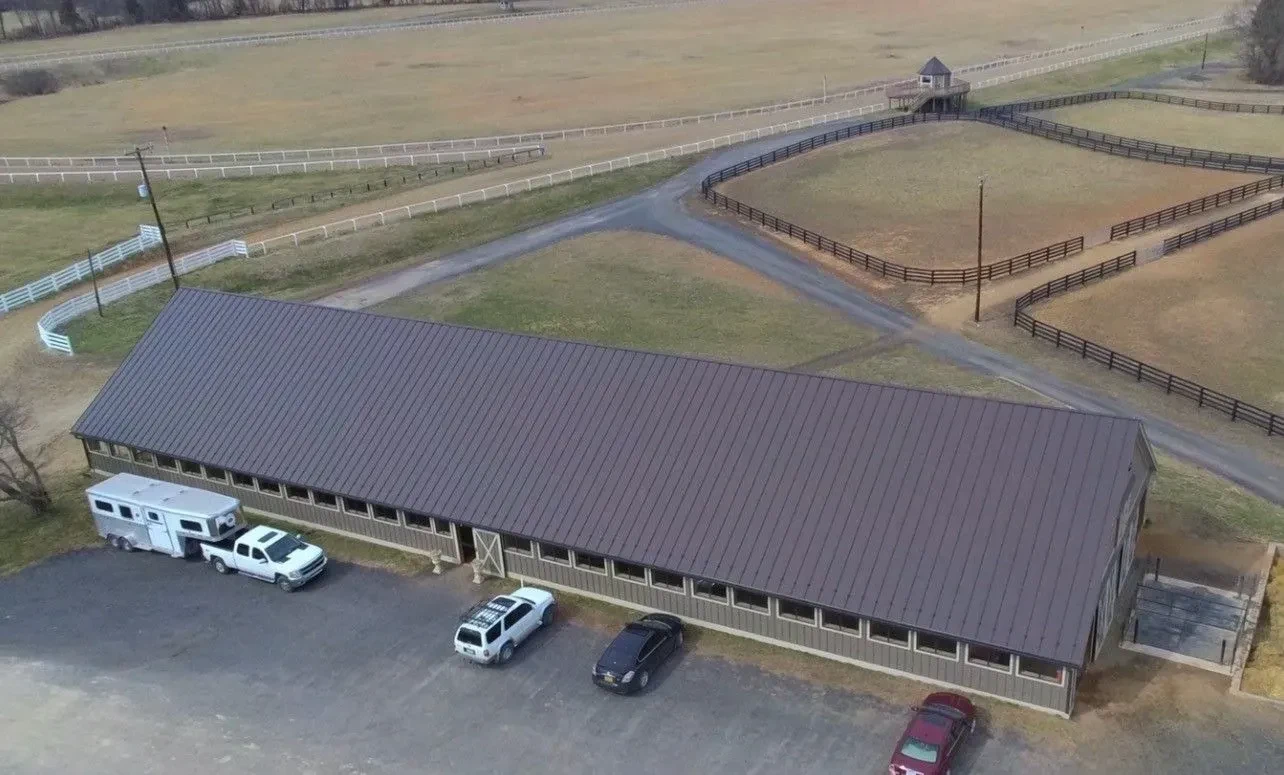
A lag bolt landed in framing, not in sheathing
A lag that catches nothing but 7/16 OSB has almost no withdrawal capacity, and a panel is a wing. Berkeley County logged 100 thunderstorm wind events between 2015 and 2025, most in the 58 to 64 mph range, plus an EF0 tornado on the outskirts of Inwood on June 5, 2024 that hit 75 mph.
A metal plate woven up under the course above
The standoff sits on the lag and the plate slides under the shingle above and sheds onto the one below, exactly the way water runs over a pipe flashing. Count the mounts on a typical layout and you are adding dozens of penetrations to a roof that had six. Every one gets flashed like it is the only one.
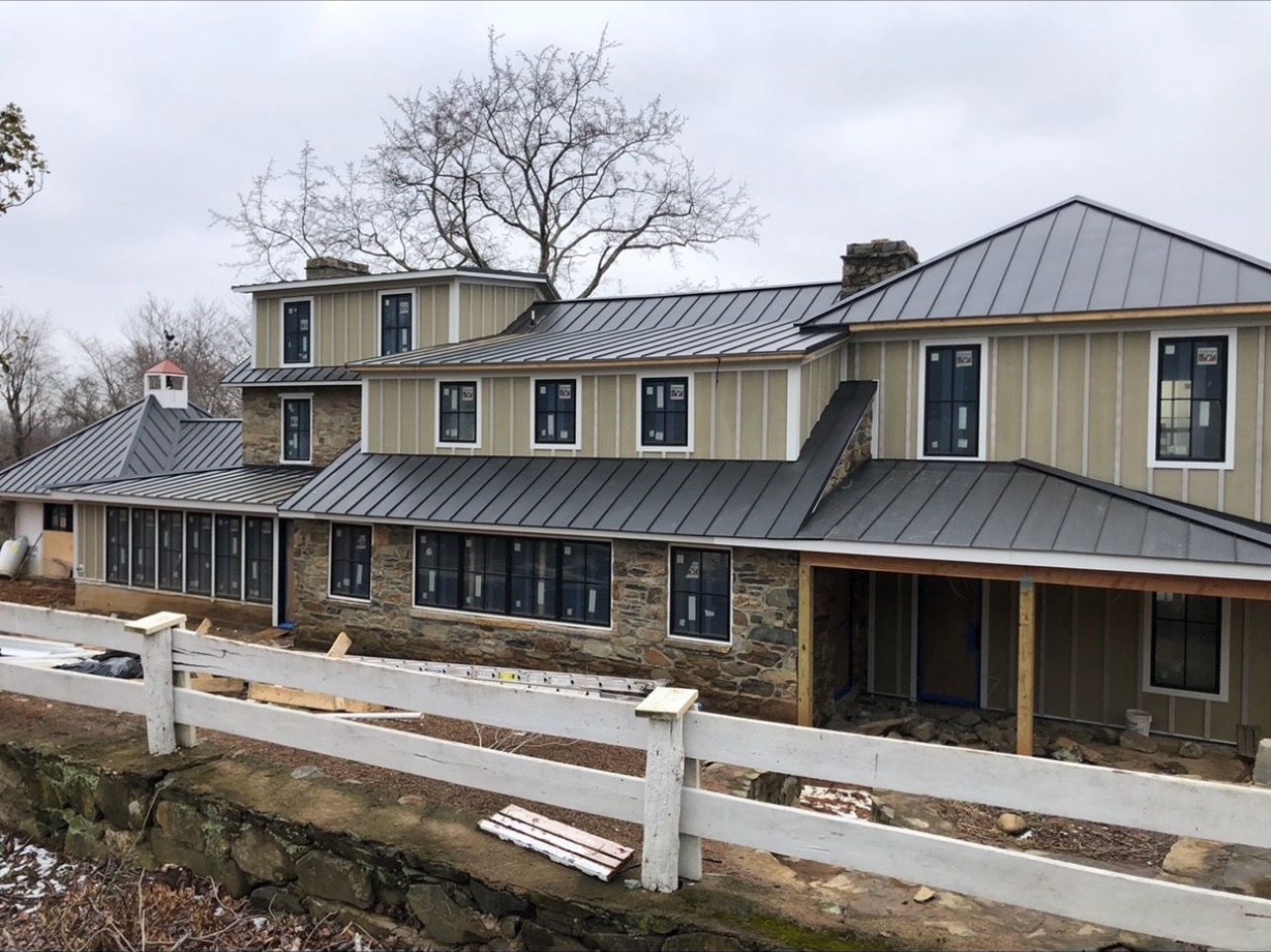
Genuinely zero penetration on standing seam
Non penetrating clamps grip the vertical seam with setscrews and the rail rides on the clamps. Not one hole in the roof. The clamp has to be rated for your specific seam profile and torqued to spec, because an undertorqued setscrew slips and an overtorqued one deforms the seam.
Respecting the fixed point on a floating panel
Standing seam runs on two piece clips with one fixed point per panel, because steel moves roughly three quarters of an inch per hundred lineal feet per hundred degree swing. Bolt a rigid rail across several floating panels and you pin them to each other. The roof still moves. It just does it by tearing at a clip.
Weight that has to stay out of the water’s way
Ballasted racking on the flat roofs along the Interstate 81 and Tabler Station corridor avoids penetrations and trades that for dead load and drainage interference. Ponding weighs 5.2 pounds per square foot per inch of depth and is excluded from most no dollar limit warranties. Layout gets drawn around the drainage lanes with slip sheets under every tray.
Real curbs where a low slope penetration is right
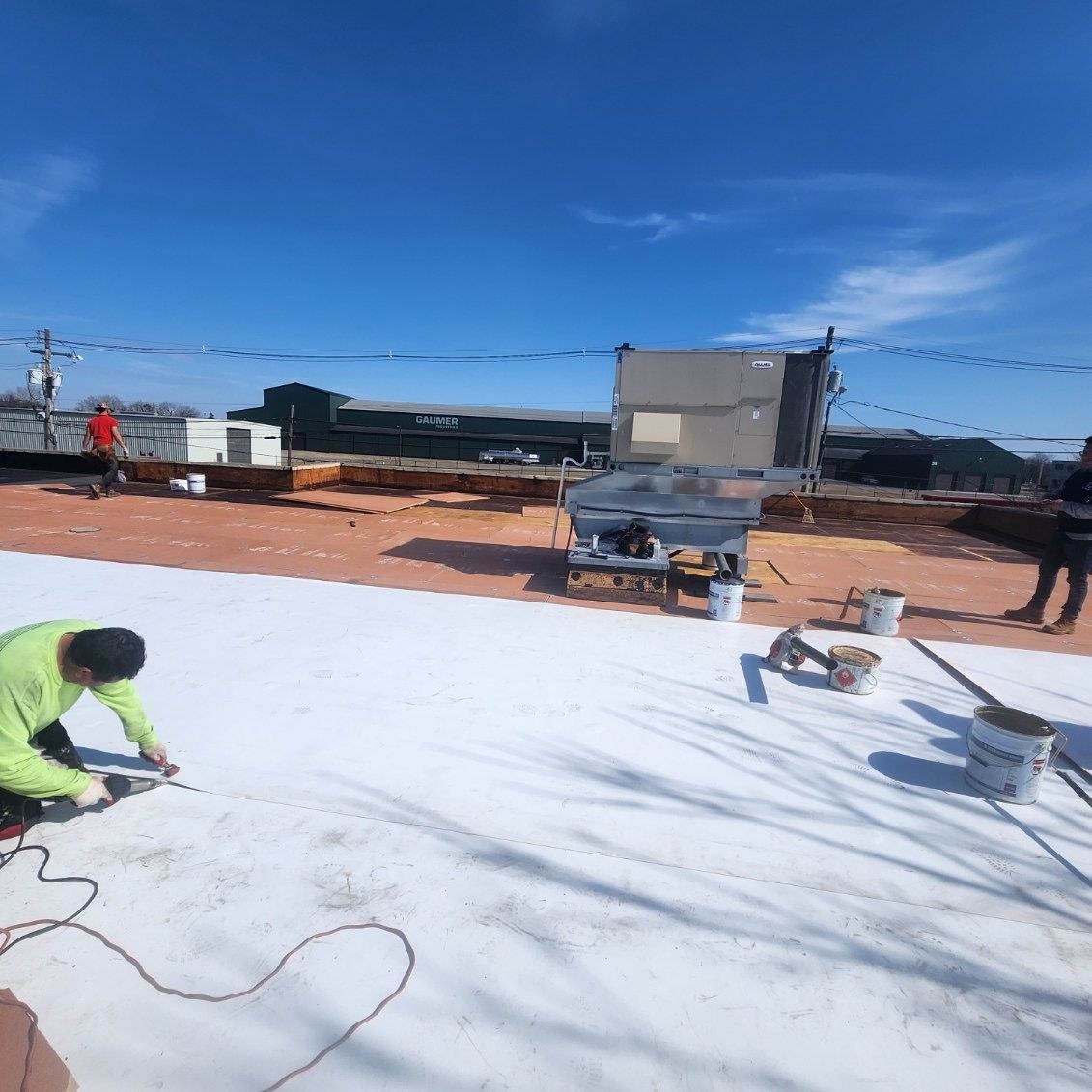
When the answer on a commercial roof is to penetrate, we set proper curbs and flash them into the membrane rather than gluing a target to it. Membrane specifics live on our single ply membrane roofing page.
Who is carrying the holes in your roof five years from now
A Martinsburg address, not a service radius
1886 Winchester Ave, Martinsburg, WV 25405. Berkeley County roofs are the roofs we are on every day.
Licensed in five states
VA, WV, MD, PA, FL. Licensed, bonded, and insured, and the West Virginia number is posted at the job.
Family owned since 2016
Same owners and same phone number, reachable at the same address after your array is energized.
4.9 stars from 50 Google reviews
Open 24 hours a day, seven days a week, with real response when something starts coming through a ceiling.
The rest of the roof, handled by the same crew
Roof Replacement
If the suitability inspection says the roof goes first, this is the tear off day by day, including what happens when we find rot.
Residential Metal Roofing
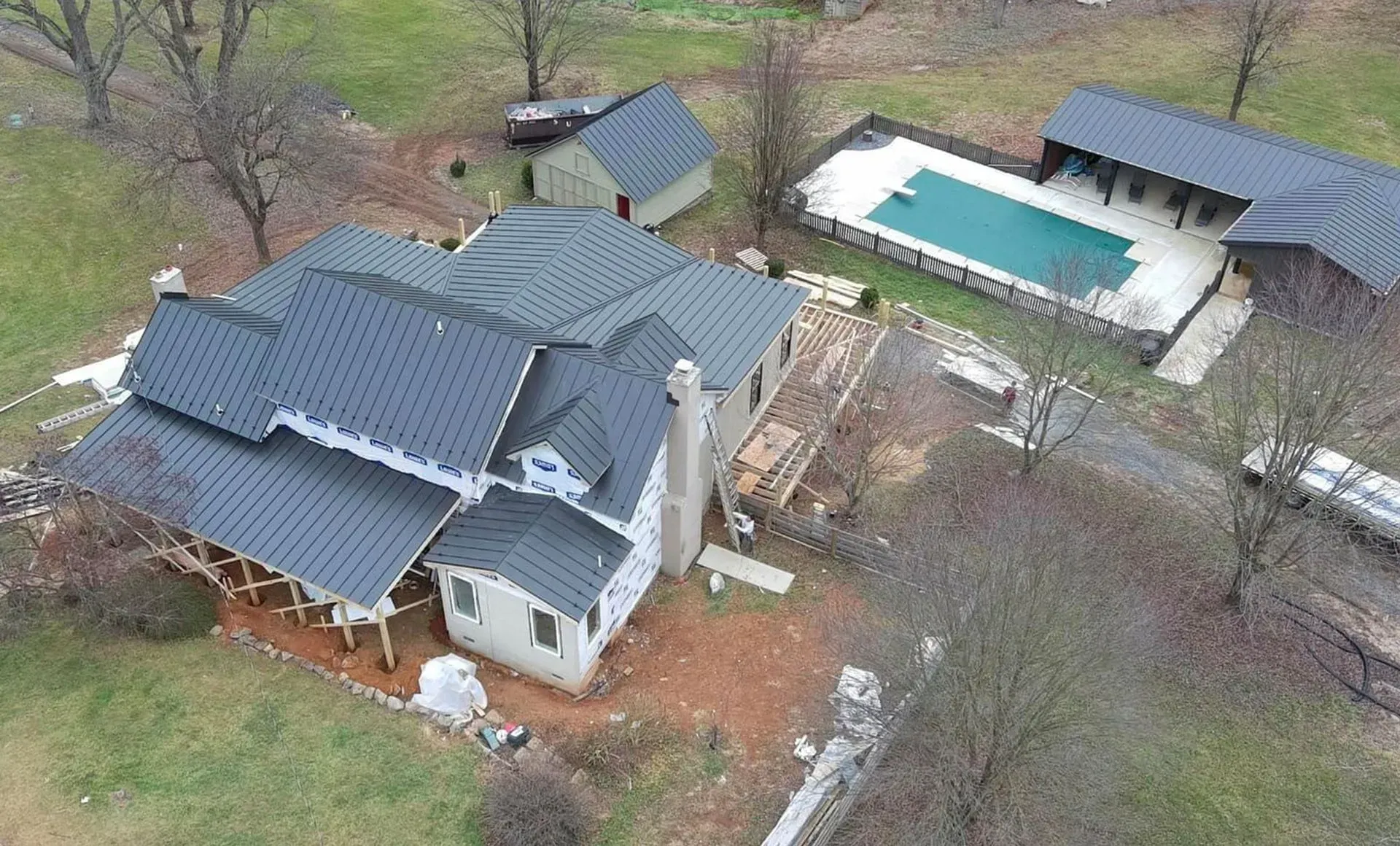
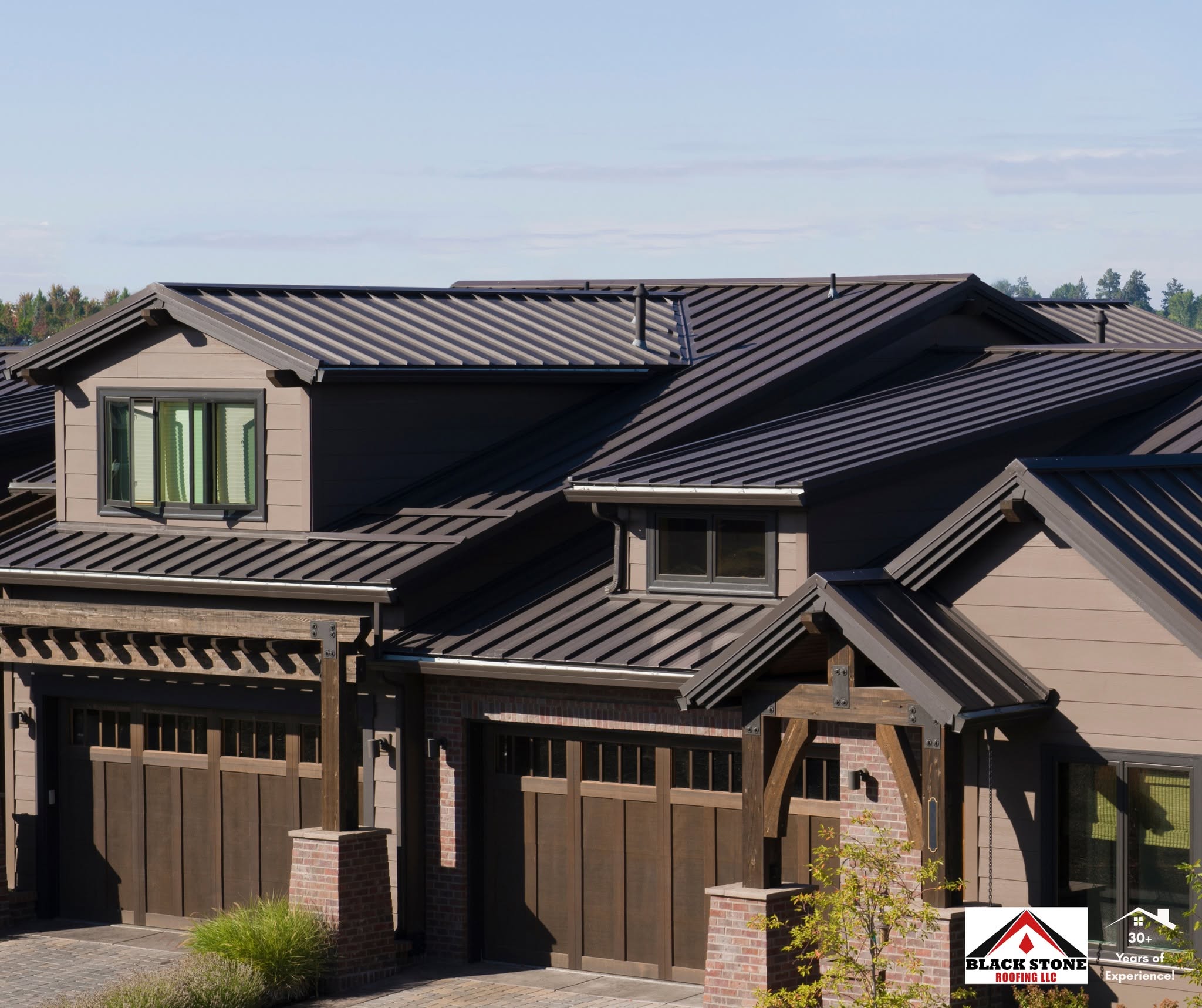
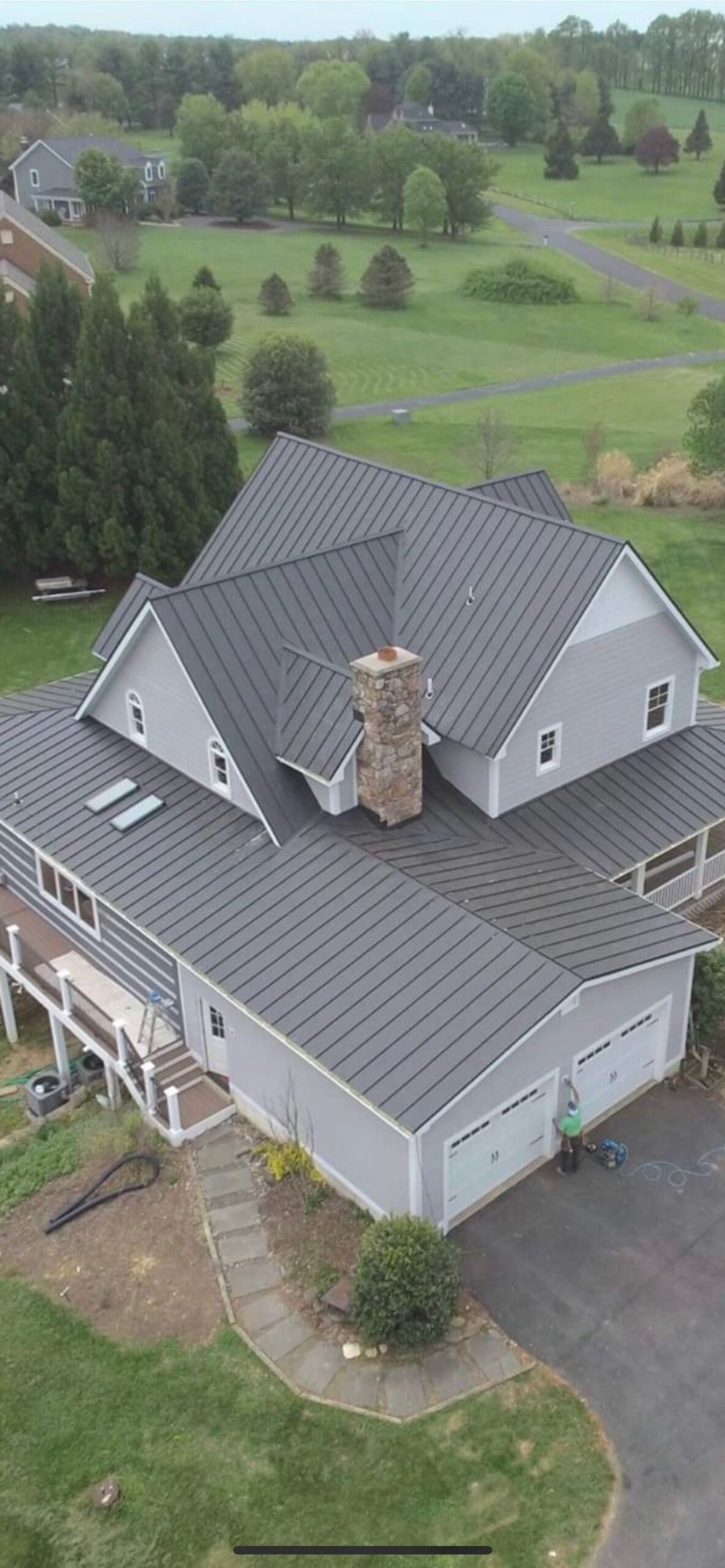
Standing seam is the only residential roof that takes an array with zero penetrations, which is why we sequence the two together.
Single Ply Membrane Roofing
TPO, EPDM, PVC, and KEE on low slope buildings, plus the drainage work that decides whether ballast is even a good idea.
Roof Repair
Tracking down a leak, including a leak at a badly flashed array mount, and naming the cause honestly.
Roof Inspection
A documented inspection with photos, which is where every solar suitability call starts.
Specialty Roofing
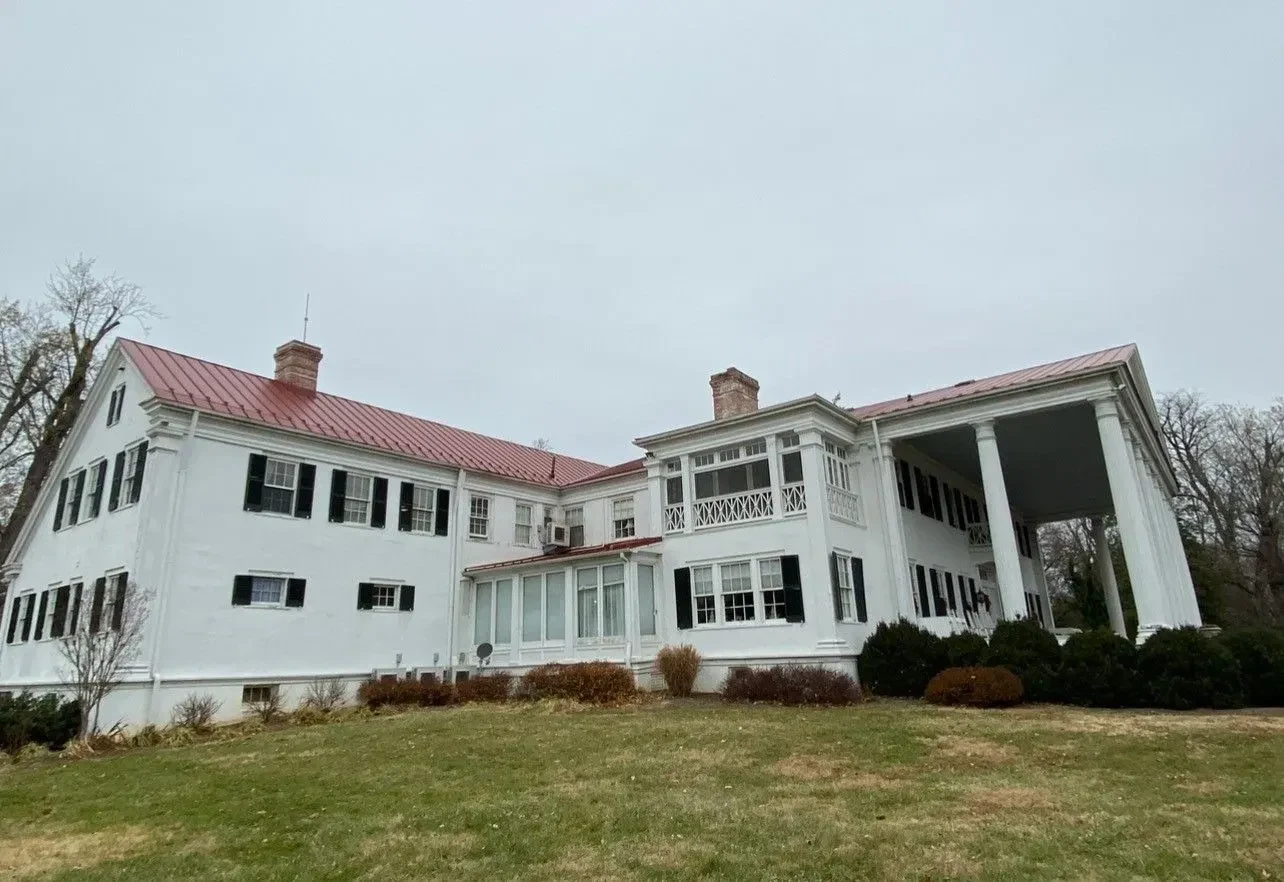
Work in the downtown historic overlay district, where exterior alterations get reviewed before they get installed.
Commercial Roofing
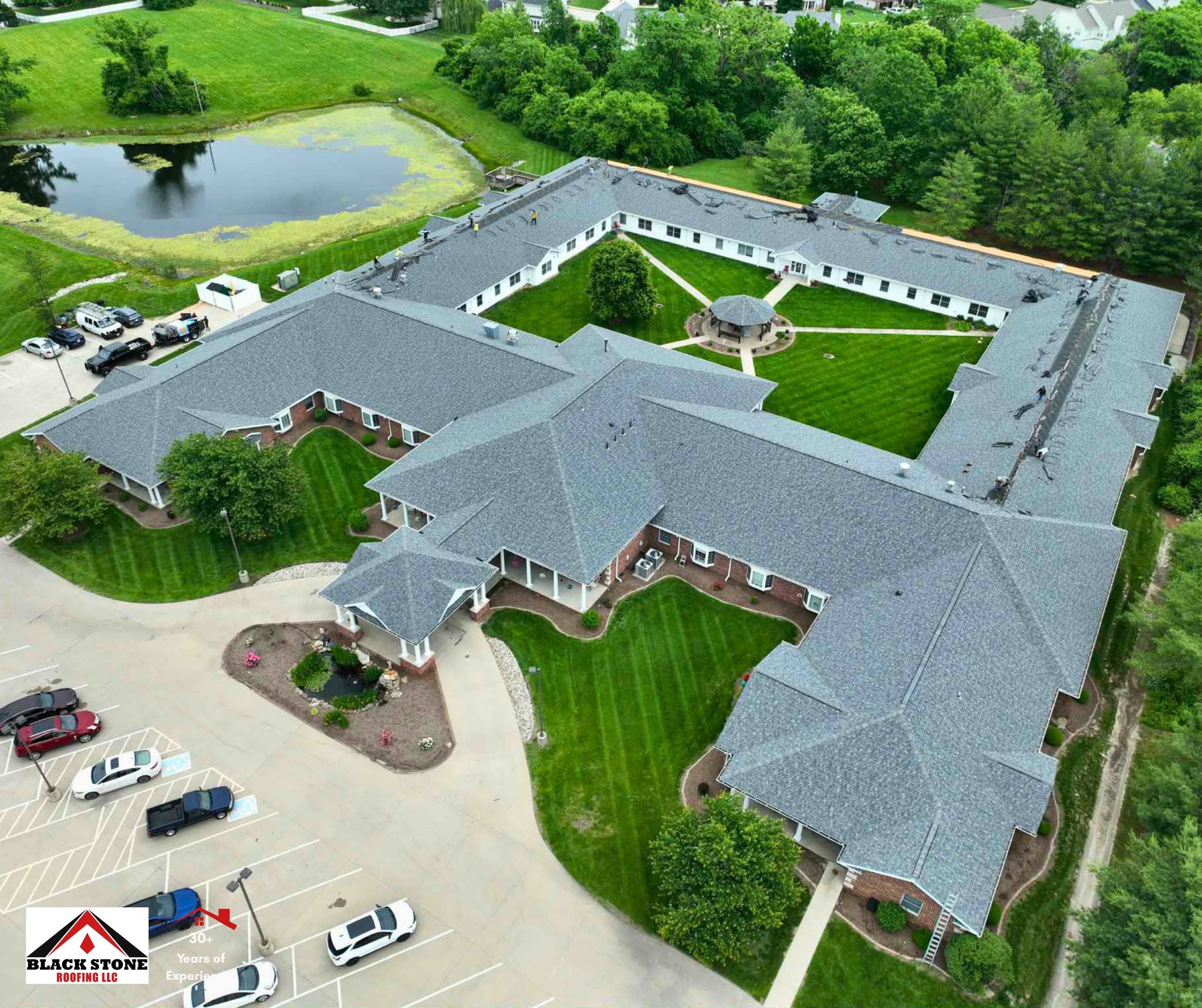
Low slope systems on warehouses and shops along the Interstate 81 corridor, where most ballasted arrays end up.
Exterior Services
Solar sits here beside gutters and kickout flashing, because one crew should own the water from ridge to ground.
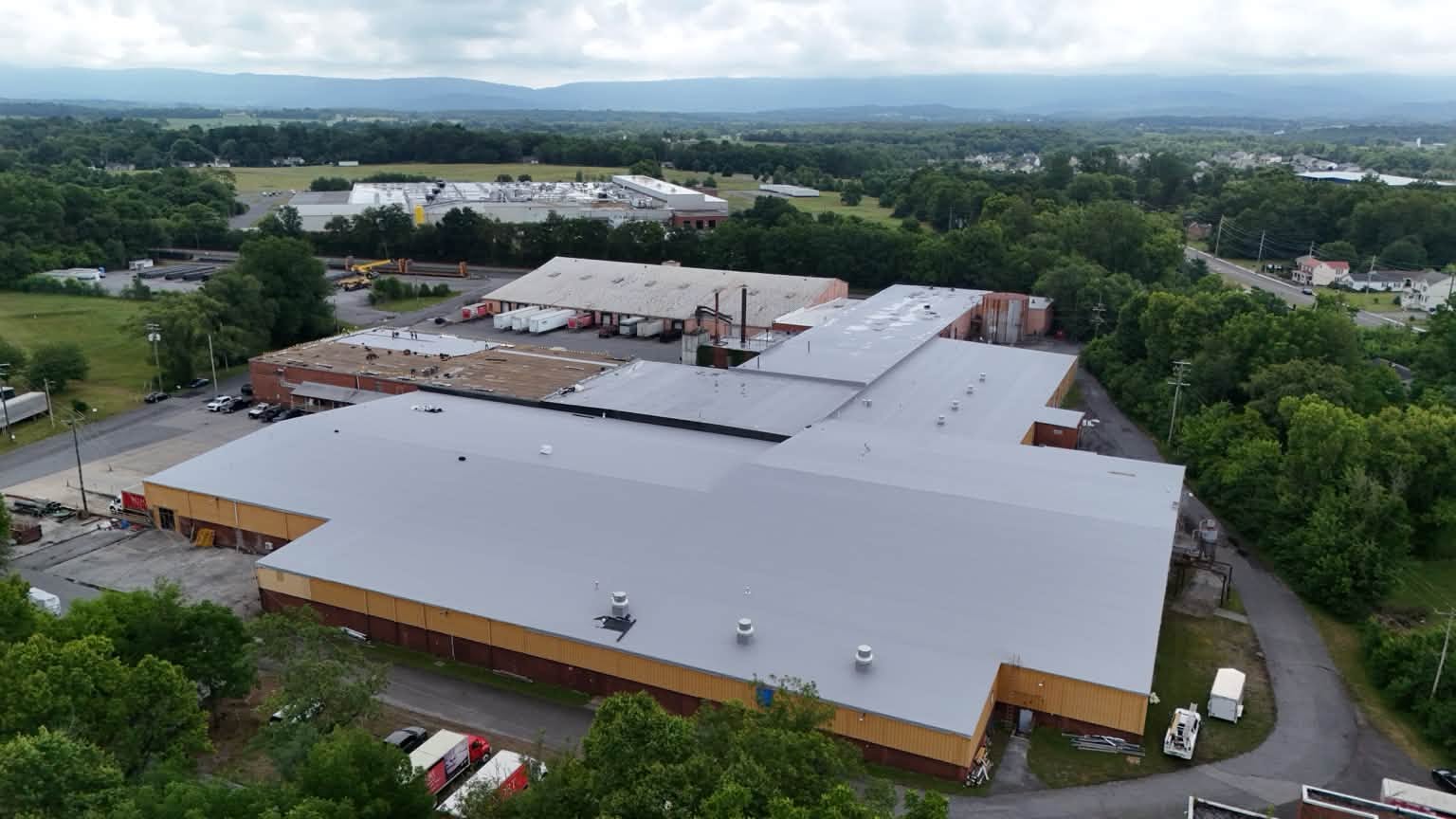
Solar mounting across the Eastern Panhandle and both state lines
Do not see your town? We work the whole corridor, so ask or call (540) 550-9703.
Solar and roofing questions we get in Martinsburg
- My roof is fifteen years old and the solar company says it is fine. Is it?
Maybe, and the way to find out is not from the ground. At fifteen years an architectural laminate can have real life left or can be at the end of it, depending on ventilation, exposure, and how it was nailed. What we check is the seal strip by hand, the boot collars, granule loss at the downspouts, how the deck feels underfoot, and the attic from below. Ask whoever told you it was fine which of those they looked at. If the honest answer is five to eight years left, you are choosing between replacing the roof now or paying to remove and reset the array later, and that is your call to make with real information.
- Do the mounts have to put holes in my roof?
On asphalt shingle, yes. Every standoff is a lag bolt into a rafter, and the right answer is not avoiding the hole but flashing it properly with a metal plate woven up under the course above so water sheds over it. On standing seam metal there is a genuine zero penetration option, because non penetrating seam clamps grip the vertical seam mechanically and the rail rides on the clamps. On a low slope commercial roof, ballasted racking avoids penetrations but adds dead load and interferes with drainage, so it is a tradeoff rather than a free pass.
- What happens to my roof warranty once panels are bolted to it?
It gets complicated, which is why we say it out loud. Manufacturer limited warranties cover the material and typically have conditions attached, including ventilation. A roofer’s workmanship coverage covers the roofer’s own work. When a third party drills the field of the roof, there is now a boundary between those, and a leak turns into an argument about which company caused it. We do not extend workmanship coverage over penetrations we did not make. If we mount the array, every hole is ours and the estimate says so.
- Can you take my panels off so I can get a new roof, then put them back?
Yes, and it is a normal part of the work. Panels get labeled and mapped by string and position before anything comes off, then stored, then reset once the new roof is on. Electrical disconnect and reconnect is licensed electrical work handled by the electrical trade and scheduled around the roof. Old flashings do not get reused. The reset goes back on new flashed standoffs into located rafters, and if the original layout crowded a valley or buried a plumbing vent, that gets corrected while the roof is open.
- How much will solar save me on my power bill?
We do not answer that, and you should be careful with anyone who answers it fast. Production modeling, savings projections, payback periods, tax credits, and utility programs are outside what a roofing contractor is licensed or qualified to advise on, so we will not guess at them to help close a sale. What we can tell you with authority is how many years your roof has left, how the array should attach to it, whether your framing needs an engineer’s look, and what a leak at a badly flashed mount costs to chase later.
- Will hail or wind damage an array here?
Berkeley County recorded 27 hail events from 2015 to 2025, all of them three quarters of an inch or larger, with one and a half inches the verified maximum. Module durability is between you, the module manufacturer, and your insurance carrier, and we will not speak for any of them. What we own is the mounting. Wind pulls at the fasteners, so lags land in rafters and not in sheathing, and after a significant storm the array attachments and the flashings around them get inspected along with the rest of the roof.
- The solar company said they can do the roof too. Why call you?
Ask them for the West Virginia contractor license number for the roofing work, and ask who carries the workmanship coverage on the penetrations after the array is energized. Those two questions sort the field quickly. West Virginia requires a state contractor license for work above the statutory threshold, requires the number to appear in advertising, and requires it posted at the job site. Roofing is Classification 010 under the West Virginia Contractor Licensing Board, and the board publishes a license lookup you can check any bidder against in about a minute. We are a roofing company that mounts arrays, not a sales operation that subcontracts the roof and disappears from the paperwork.
- Are you actually based in Martinsburg?
Yes. Our address is 1886 Winchester Ave, Martinsburg, WV 25405, so Berkeley County roofs are the roofs we are on daily rather than a market we drive into when the phone rings. That matters more on a solar job than on almost anything else we do. An array turns a roof with six penetrations into a roof with dozens, and the company that made those holes needs to be reachable at the same address years later when one of them shows up on a bedroom ceiling. Ask every bidder where their address is and how long it has been there, us included.
Find out what your roof has left before you mount anything
A free roof suitability inspection with photos, an honest read on remaining service life, and the mounting method your specific roof calls for. Black Stone Roofing, LLC, 1886 Winchester Ave, Martinsburg, WV 25405. Email Info@BlackStoneRoofing.org. Open 24 hours, seven days a week.