Home/Residential Roofing/Roof Inspection
FREE INSPECTION, BERKELEY COUNTY WVRoof Inspectionin Martinsburg, WV
An inspection should end with a photo report in your hand, not a sales pitch on your porch. We walk the roof, check the attic, and write down what we found, including when the answer is that your roof is fine. Our office is at 1886 Winchester Ave, Martinsburg, WV 25405, so Berkeley County is not a market we drive into. It is where we are.
Leaking right now
Emergency response
We answer 24 hours. Tarped and stabilized before more gets inside.
Planning ahead
Free inspection
Written scope and photos so you know what the roof actually needs.
Request your free estimate
What a Berkeley County inspection looks at
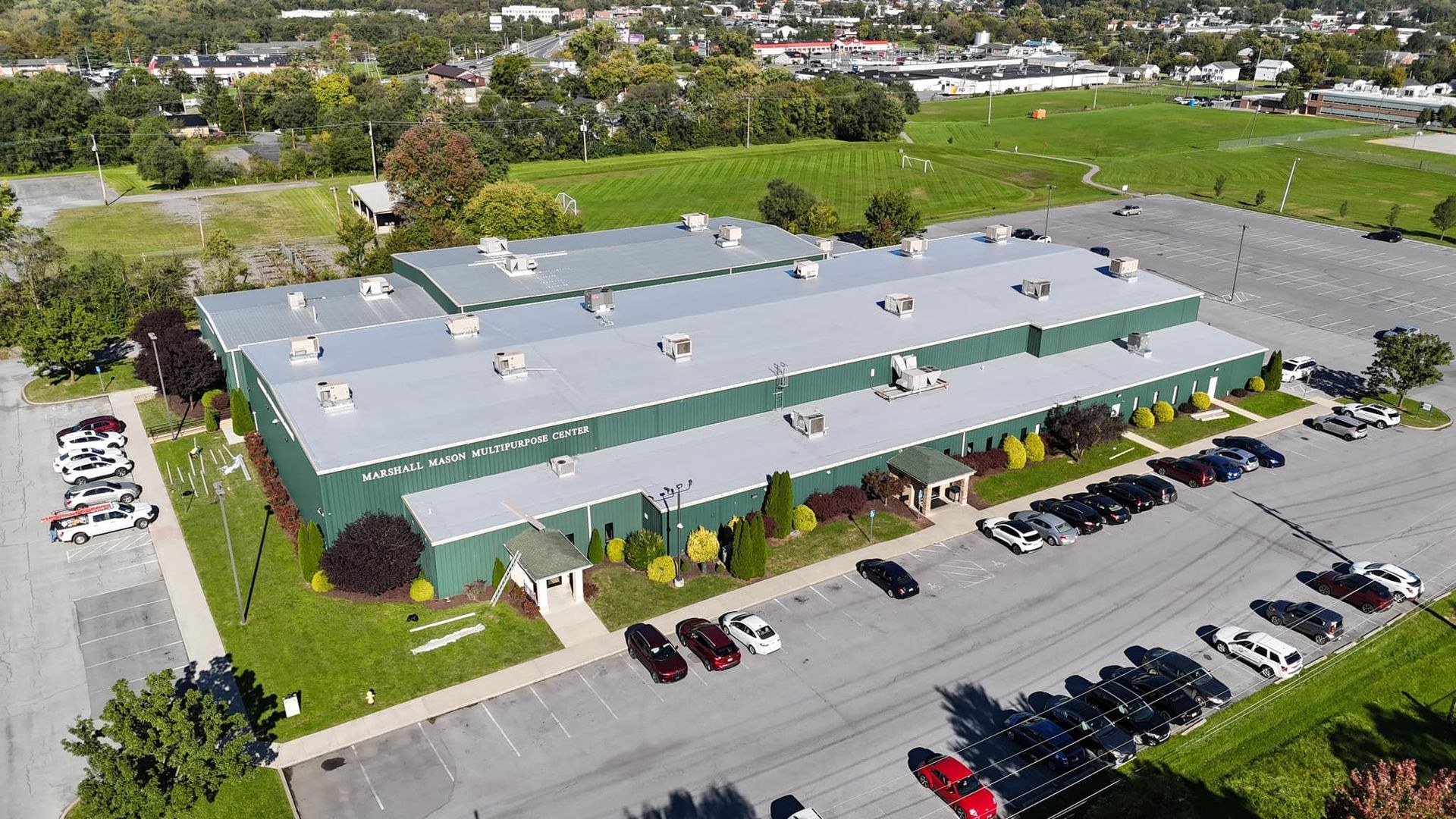
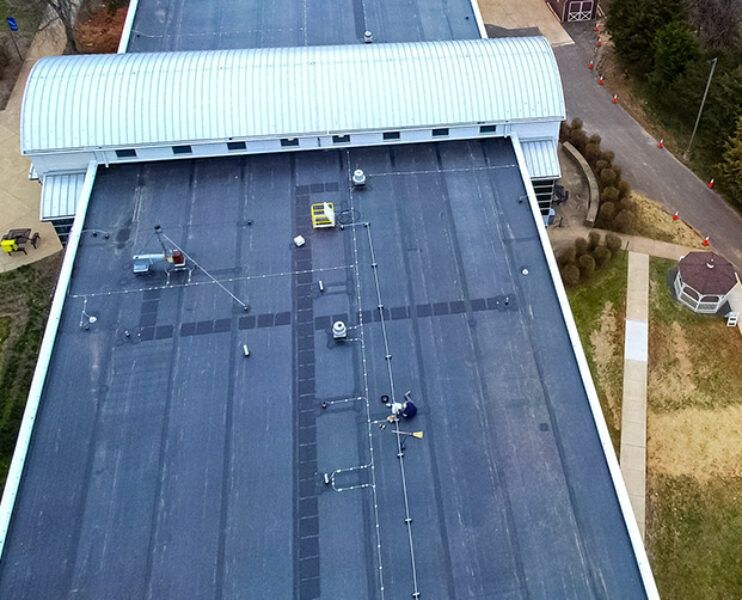
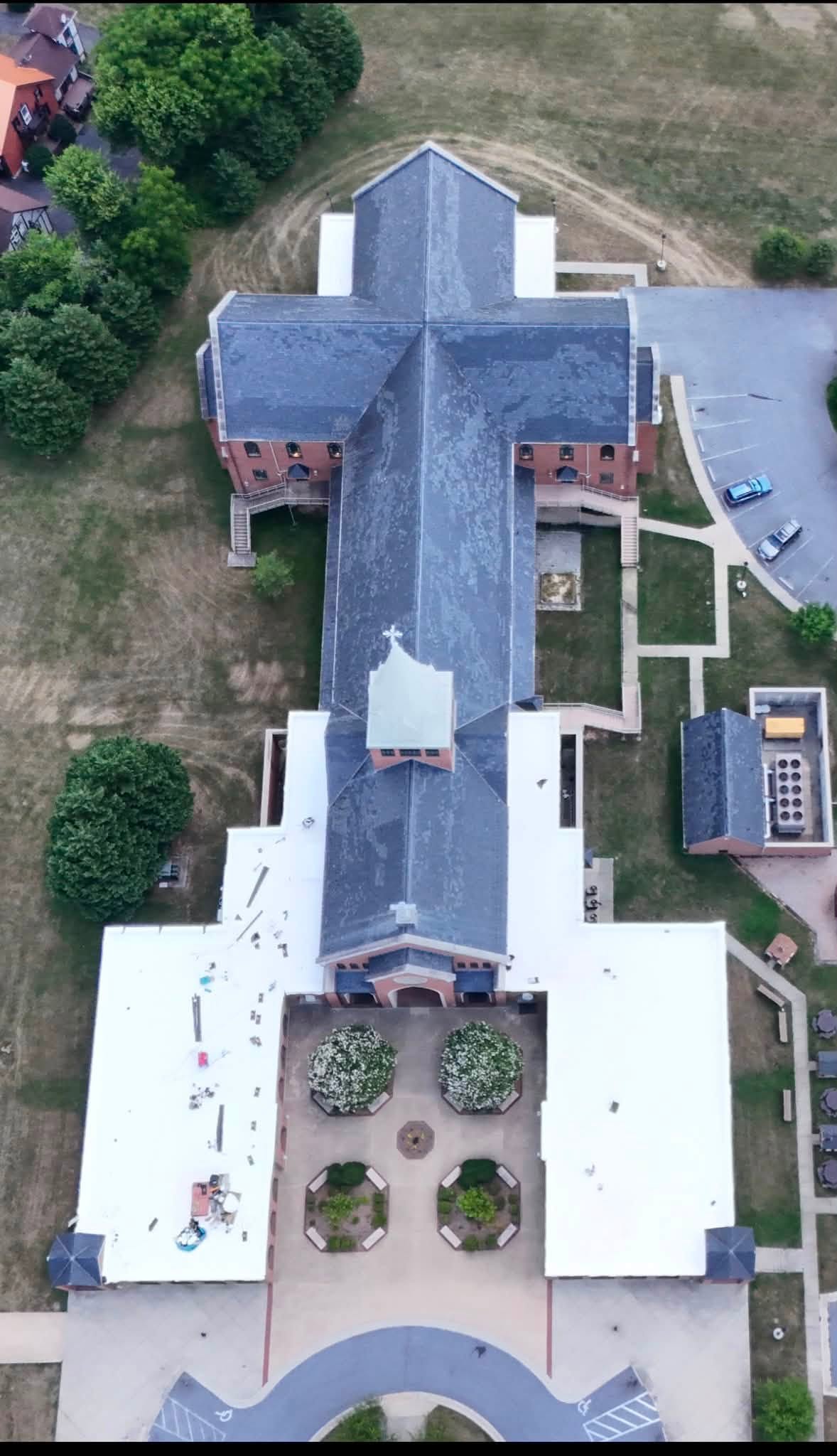
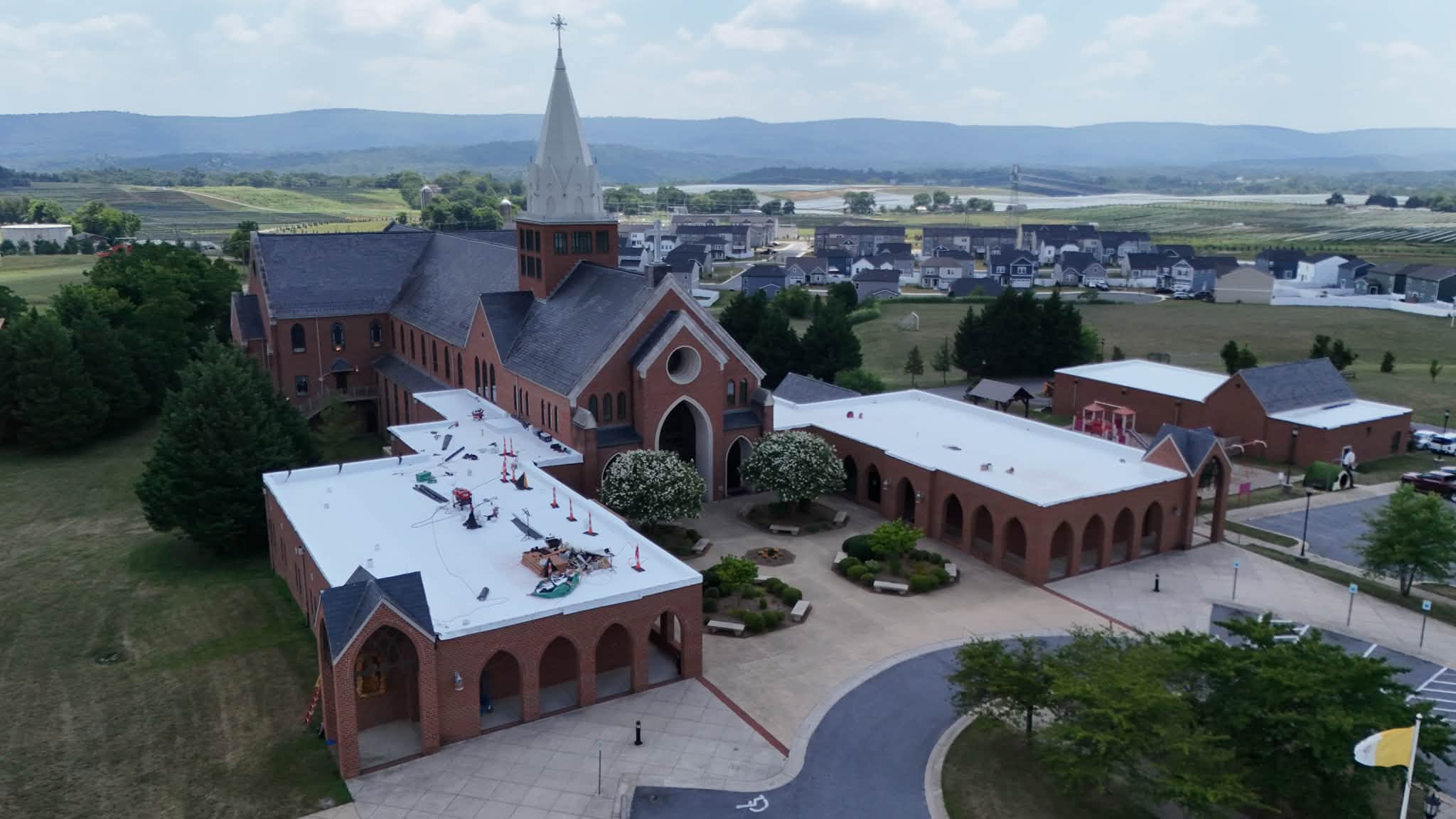
What you are seeing, and what it usually means
Most of the roofs we look at do not need to be replaced. Some need a pipe boot. Some need counterflashing cut into the mortar instead of caulked across the brick. Plenty need nothing and a note to look again in two years. Here is what the common symptoms actually point to.
Grit in the gutters
Granule loss is normal in the first month after a new roof and a warning sign after year 15. What matters is how much and where it went. A gutter holding a quarter inch of sludge is reporting on years of wear rather than last week’s storm. Left alone, the asphalt underneath loses its sunscreen and the mat starts to cook.
Shingles that lie flat but look creased
A crease means the mat fibers inside the shingle are already broken even though the shingle is still sitting down. It is one of the clearest wind and hail findings there is, and it is invisible from the ground. Ignore it and the shingle tears loose in the next strong crosswind, usually taking the seal strip of the course above it.
A stain on the ceiling that comes and goes
Almost never the field of the roof. Roofs leak at boots, valleys, headwalls, and chimneys. A stain that only shows up in wind driven rain out of the northwest is a flashing problem, and a flashing problem on a roof under eight years old gets written up as a repair, not a replacement.
A cracked collar around a plumbing vent
The rubber collar on a pipe boot cracks around year 8 to 12 on south and west exposures while the field still has a decade left in it. It is a cheap part and a common one. It is also the single most common leak we find on an otherwise sound Berkeley County roof.
A ridge vent that vents nothing
Half the ridge vents we open up in the Spring Mills and Falling Waters subdivisions are moving no air, because the builder never cut the slot in the sheathing behind the perforated soffit. Exhaust with no intake pulls conditioned air out of the house and bakes the deck from underneath, which shortens the roof you paid for.
Rust rings or frost on the nail points
An attic finding, not a roof finding, and the reason we go up there. January averages 32.4 degrees here, so your deck crosses the freezing line most days all winter. Frost on the nail points in January means moisture is getting into the attic, usually from a bath fan dumping straight into the insulation instead of out through the roof.
What we check, and the order we check it in
The ground, before anybody touches a ladder
Soft metals first. Gutters, downspouts, vent caps, window wraps, and the air conditioning condenser fins, which are the most sensitive hail witness on the property and the one nobody checks. Then we read the siding for a rot line under a roof to wall run, which is a missing kickout announcing itself a full story below the actual problem. Hail forensics live on the storm damage page.
The field of the roof
Granule loss, and where the granules went. Seal strips get a hand test, since a bonded shingle tears before it releases. Creased shingles get counted even though they lie flat. On a walkable pitch we press a thumb on suspect impact marks, because a fractured mat feels soft in a way no photograph shows.
Flashings and penetrations
Where roofs actually leak. Step flashing should be individual pieces woven course by course, not one continuous L with no shingling action. On chimneys, counterflashing belongs in a reglet cut into the mortar, not caulked to the face of the brick, which fails in about three years. Metal roofs are quicker, because metal does not leak in the field. It leaks at boots, curbs, headwalls, and end laps.
The attic, where the inspection is finished or wasted
Plenty of roofers skip it. We look for daylight at penetrations, staining on the rafters and whether it is old or wet, rust rings at nail points, and bath fans dumping into the attic. Then we pull one soffit panel to confirm there is real intake. Ventilation math is on the residential roofing hub.
The written report, same day or next
Photos labeled by slope and elevation so a third party can tell what they are looking at six months later. Date, address, and date of loss if there is one. The finding, then the consequence. Repair or replacement in priority order, covering what happens now, what waits until spring, and what only needs watching. If the roof is fine, the report says the roof is fine, and you keep it whether or not you hire us.
If you are filing a claim
The report is yours to hand your adjuster. West Virginia law does not permit us to negotiate a claim on your behalf and we do not. We document, we meet your adjuster on the roof, and we put anything the scope missed in writing for you to submit. What the carrier pays is the carrier’s determination. The mechanics are on the roof insurance claims page.
The seven layers an inspection has an opinion about
The wood the whole roof is nailed to
The one layer nobody can see until the old roof comes off. On pre 1970 houses in the older part of Martinsburg we expect 1×6 or 1×8 plank, and a gap over half an inch will not hold a nail. Any firm decking number quoted from the driveway is padding or about to be revised, so a roof replacement from us carries a per sheet price instead of a guess.
The self sealing membrane at the eaves and valleys
This is the layer that stops an ice dam from pushing water back up under the shingles. Berkeley County gets enough freeze and thaw cycles to matter. We check the eave line for where the membrane ends relative to the exterior wall, because short coverage is a common corner cut on builder roofs.
The felt or synthetic sheet over the rest of the deck
Visible at the rake edge and anywhere a shingle is missing. Old organic felt goes brittle and tears at the fasteners, which is why a roof can pass a glance and still fail the first time a shingle lifts. We note what is under there when we can see it and say so when we cannot.
The first row along the eaves and rakes
Cut shingles turned upside down are not a starter course, and we still find them. A proper starter puts adhesive right at the edge where uplift is highest. On a windy exposure this is the difference between losing a corner in a thunderstorm and not.
The part everybody means when they say roof
Layer count at the rake tells you whether a reroof ever happened. A 3 tab on a house built in 2004 is nearly always original, since most reroofs since then went to laminate. Seal strip bond weakens as the asphalt hardens, which is a readable age marker when you know what you are feeling for.
Step, counter, kickout, valley, and drip edge
Roofs leak here, so this is where the inspection slows down. A missing kickout at a roof to wall junction rots siding and sheathing a full story below the roof, and the homeowner usually blames the siding. Counterflashing caulked flat to brick is not flashing. It is a three year clock.
Intake at the soffit, exhaust at the ridge
The layer that decides how long everything above it lasts. Exhaust without matching intake is worse than no ridge vent at all. We pull a soffit panel rather than take the perforated vinyl at face value, because in the Martinsburg subdivisions the slot behind it is missing often enough to be a habit.
Why people here call us for the second opinion
Based in Martinsburg
1886 Winchester Ave, Martinsburg, WV 25405. Plenty of the companies advertising roof inspections into Berkeley County are running out of Pennsylvania or Maryland. Ask them where their office is.
Licensed in five states
VA, WV, MD, PA, FL. Licensed, bonded, and insured. West Virginia requires the contractor license in our advertising and posted at your job. Ask for theirs.
Family owned since 2016
4.9 stars from 50 Google reviews. The fastest way to lose a customer in a county this size is to sell a tear off to somebody who needed a boot.
Answered 24 hours
Seven days a week at (540) 550-9703. If water is coming in right now, that is an emergency call, not an inspection.
Where the inspection usually leads
Roof Repair
Cracked boots, missing kickouts, and chimney counterflashing, where most leaks on a sound roof come from.
Storm Damage Roof Repair
Hail and wind damage identification, documented by slope against a Berkeley County event date.
Preventative Roof Maintenance
Spring and fall visits, drain clearing, and boot checks on a schedule rather than after the ceiling stains.
Roof Replacement
Written with a per sheet decking price, because decking condition is a tear off finding.
Roof Insurance Claims
We document, meet your adjuster on the roof, and put anything the scope missed in writing.
Emergency Roof Repair
Water coming in right now is an emergency call, not an inspection. Somebody answers, 24 hours.
Residential Roofing
The wider picture, including the ventilation math behind the attic part of the inspection.
Asphalt Shingle Roofing
The system most Berkeley County inspections are written against, from starter course to ridge.
Commercial Roofing
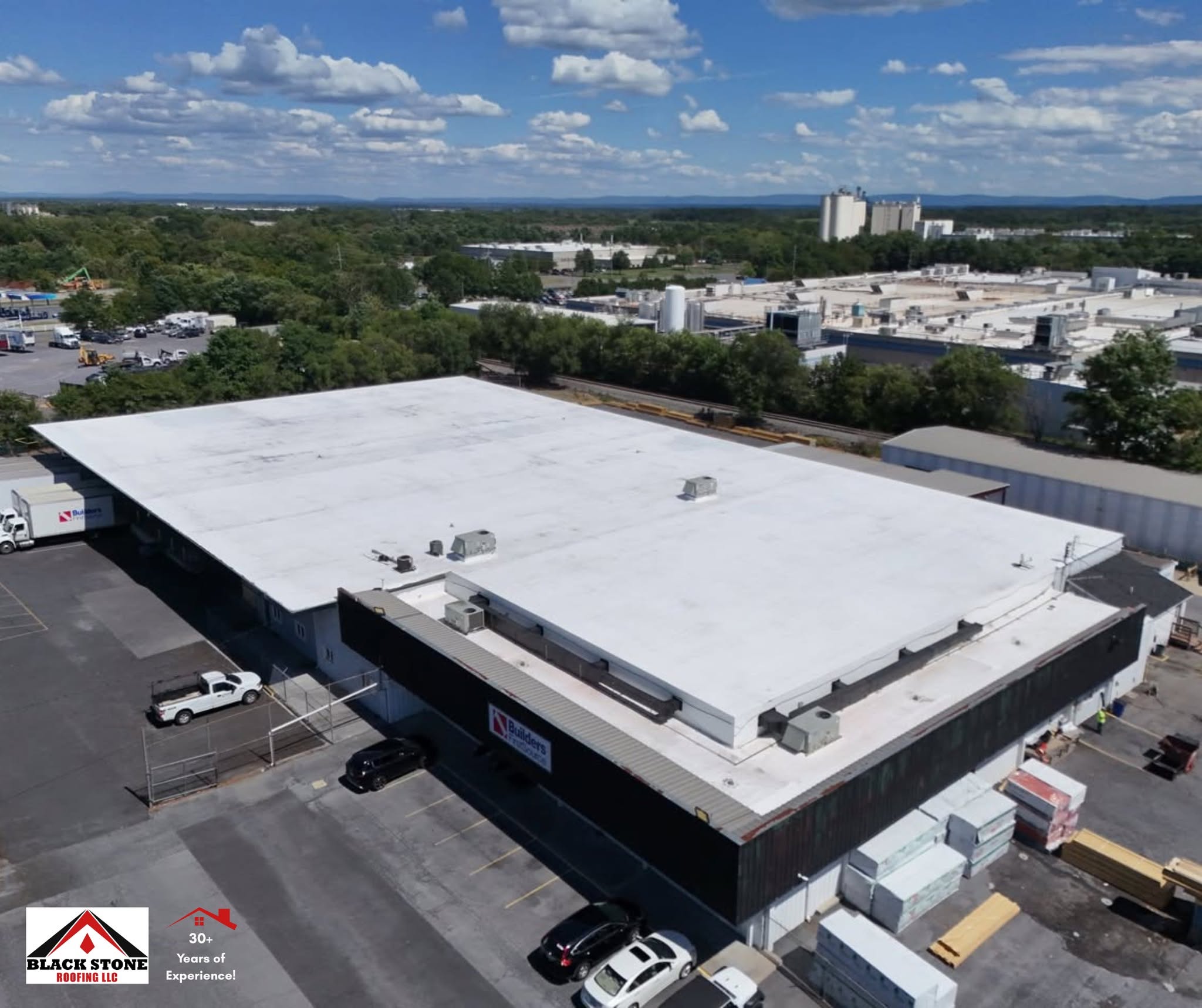
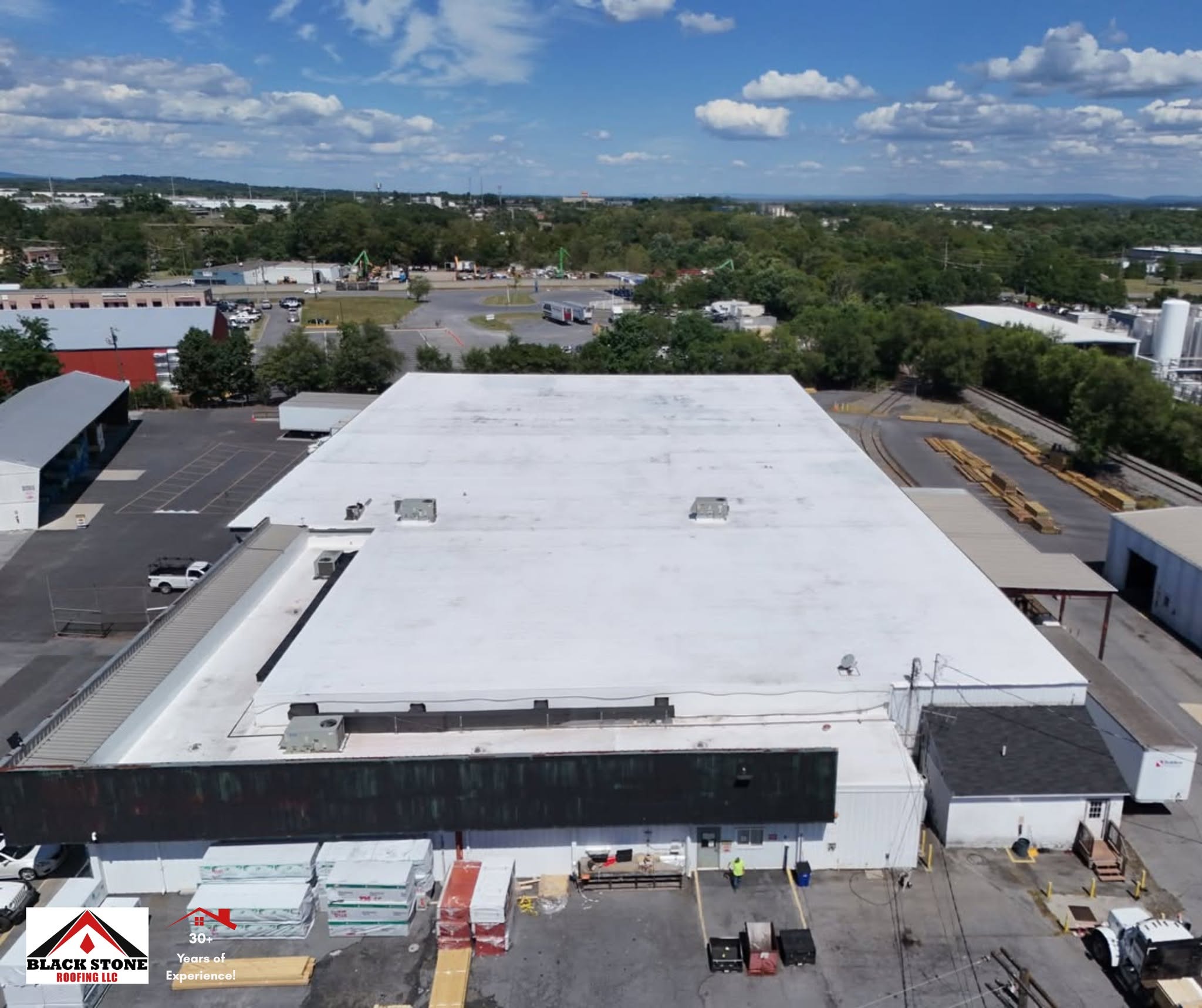
Commercial buildings start with a condition survey rather than a residential inspection.
Gutter Repair
Where the granules end up, and the first thing we read on the ground before the ladder goes up.
Where we inspect
Do not see your town? We work the whole corridor, so ask or call (540) 550-9703.
Roof inspection questions we get in Martinsburg
-
Is the roof inspection actually free, or is there a catch?
It is free, so is the report, and you keep it either way. We inspect roofs because some of them need work and we want that work. What we will not do is invent it. A bad report costs us more in a county this size than any one job is worth.
-
Are you actually based in Martinsburg?
Yes. Our office is at 1886 Winchester Ave, Martinsburg, WV 25405, and we have been family owned since 2016. It matters more than it sounds, because a lot of the outfits advertising roof inspections into Berkeley County are working out of Pennsylvania or Maryland and are hard to reach once the storm season ends. We also carry a West Virginia contractor license, which the state requires in our advertising and posted at your job.
-
How long does a roof inspection take?
Forty five minutes to an hour and a half on a typical house, including the attic. A cut up roof with a lot of valleys and dormers takes longer, and documenting a storm claim takes longer still, since every slope gets photographed separately.
-
Do you walk the roof or just fly a drone over it?
We walk it when it is safe to walk. You cannot press your thumb on a shingle from a drone, and a fractured mat that feels soft under a thumb is one of the clearest hail signs there is. We fly steep Victorian pitches, metal, and anything iced. If we flew it, the report says so.
-
My roof is not leaking. Is there any point in an inspection?
Yes. A roof can be functionally damaged and not leak for another two years. Creased shingles lie flat and look fine from the ground while the mat fibers inside them are already broken. Carriers also enforce notice periods, so damage from two summers ago can quietly become your problem instead of theirs.
-
Will you tell me I need a new roof when I only need a repair?
No. The report states repair or replacement in writing, with the reasoning, so you have something to take to another roofer for a second opinion. We would rather write down that you need a boot and keep the referral than sell you a tear off you did not need.
-
Can you tell me exactly how many years my roof has left?
We can give you a range, and we will tell you how we got there. Layer count at the rake, seal strip bond, granule cover, and the condition of the boots all read as age markers. Berkeley County Building Permits and Inspections can tell you whether a reroof was ever pulled on the address, and permit records beat every field indicator. Anyone who names an exact year from your driveway is guessing with confidence.
-
Do I need to be home for the inspection?
Not for the roof itself. The attic is the exception, because if the access is inside the house somebody has to let us in, and skipping the attic cuts out a real part of the inspection. Either way the report comes to you.
Get a free roof inspection and a photo report
Tell us the address and what you are seeing. We get on the roof, get in the attic, and put it in writing. Somebody answers, including at two in the morning.