Home/Window Replacement
MARTINSBURG, WEST VIRGINIAWindow Replacementin Martinsburg, WV
Nearly 29 percent of the houses inside Martinsburg city limits went up before 1939. Most of the leaking replacement windows we open up in this town were never flashed at the sill. We fix the opening, and the unit is the easy part. Our office sits at 1886 Winchester Ave here in Martinsburg, so an opening we take apart in the morning gets closed the same day.
Leaking right now
Emergency response
We answer 24 hours. Tarped and stabilized before more gets inside.
Planning ahead
Free inspection
Written scope and photos so you know what the openings actually need.
Request your free estimate
Exterior work around Martinsburg and Berkeley County


Three things get called a leaking window and only one of them is
A leaking replacement window is almost never a bad window. It is a bad opening. The unit is square, the glass is fine, the balances work, and what failed is underneath it. Here is how to read what your windows are telling you before anybody quotes anything.
Water on the inside of the glass in February
That is condensation, not a leak. Cold weather only, raining or not, and the water is clean. Indoor humidity is meeting a cold surface, worst in bathrooms and kitchens and at the bottom of the sash. New windows can make it more visible because you just tightened the house and the moisture has nowhere left to go. Ignoring it long enough grows mold on the stool and the trim.
Fog or haze trapped between the panes
The insulated glass seal is gone and the unit lost its gas fill. No amount of caulk brings it back. This is the one symptom where the window itself really is the problem, and it is a true replacement. Left alone it does not get worse structurally, it just keeps costing you on the heating bill and you stop being able to see out.
A stain running down the wall under the sill
That is the actual leak, and it is almost always the flashing above the window rather than the window at all. Every day you leave it the water keeps landing on framing you cannot see. This is the one that turns a window job into a sill plate and sheathing job.
Soft wood or black staining at the lower corners
Water has been sitting in that opening long enough to rot it. An insert window set into a frame like this hides the damage instead of fixing it. Ignore it and you pay for the same corner twice, once for the window and again when somebody opens the wall.
Sash that will not stay up, or binds halfway
Failed balances on a newer unit, or a frame that racked out of square on an older one. Which one it is decides whether you need an insert or a full frame, and you cannot tell from the inside without checking the opening for square. Left alone it becomes a window nobody opens, which matters in a bedroom for egress.
A draft you can feel across the room
On the old weight and pulley double hung sash common inside the city, the air is coming through the open weight pockets in the jambs, not the glass. On the newer county subdivisions it is usually worn weatherstripping and a tired meeting rail. Different houses, different fix, and the fix costs very different money.
What actually happens, in the order it happens
1. We walk every opening with you
We check each window for square, press the sill for soft spots, look for black staining at the lower corners, and look at what the siding and the roof are doing above the head. You are standing there for it. Nothing gets measured until we agree on what we are looking at.
2. Insert or full frame gets decided in writing
Each opening gets called individually, because a house rarely needs all one or all the other. If your frames are sound, you get an insert quote and we say so on paper. This is the step that costs us money and it is the reason people call us back.
3. We confirm which permit office you answer to
The City of Martinsburg and Berkeley County run separate offices, and plenty of Martinsburg mailing addresses sit outside city limits. If you are inside the Historic Preservation Overlay District you need a Certificate of Appropriateness first. We make that call with you before anybody orders units.
4. Units get ordered to a written spec
The order names the unit, the size, the frame material, the U factor, and the SHGC by elevation. You get those numbers before we buy anything. A quote that names a series and a color but no performance numbers is a price tag, not a specification.
5. The opening gets opened and inspected
On full frame work the old unit and the trim come out and the rough opening is exposed. This is where you find out what thirty years of water did to the sill plate. If there is rot, we stop, show you a photo, and price the repair before we close it back up. No surprises found after the fact.
6. Flashing is built from the bottom up, then trimmed out
Sill pan, unit, jamb flashing, head flashing, housewrap lapped over the top, in that order and no other. Then interior and exterior trim, the exterior sealant joints, and a walkthrough at every opening with you before the crew loads out.
The layers of a window opening, from the sill up
The floor of the opening
A pan with a back dam so water cannot run inward, corners either preformed or built from self adhering membrane, and a slope out toward the exterior. This is the single most skipped part of a window install on a Martinsburg house, and it is the reason the drywall under your sill went soft two winters after somebody else replaced the window.
Jambs and head only
The unit gets bedded in sealant at the jambs and across the head. Nothing across the back of the sill pan. People seal that line thinking they are being thorough, and what they have actually built is a bathtub. The pan has to be able to drain or the whole detail works against you.
Set square, shimmed, and fastened
Shimmed at the jambs so the sash runs true, fastened through the flange or the frame depending on the method, and checked for operation before anything covers it. On an insert, this is the step where the old frame has to be square and dry or nothing above it matters.
Over the flange, never under it
Jamb flashing laps over the nailing flange so water running down the face of the wall stays on the outside of the assembly. Tucked underneath, it funnels water into the stud bay. That single reversal is one of the most common failures we open up on the vinyl sided houses along the Route 11 corridor.
The piece most houses here do not have
Head flashing goes over the jamb flashing and carries water out past the face of the wall. On a lot of the subdivision houses toward Spring Mills and Falling Waters there is no head flashing at all, just J channel and a bead of caulk. Caulk is a maintenance item, not a flashing detail.
Wrap over flashing, not flashing over wrap
The housewrap above the head gets cut in an inverted Y, folded down, lapped over the head flashing, and then taped. Slit and taped across the top of the head flange instead, every drop of water that gets behind the siding runs down the wrap and straight onto the framing. Water gets behind the siding on every house. The lap sequence is what sends it back out.
U factor and SHGC by elevation
U factor is how fast heat escapes through the whole assembly, glass and frame together, and lower is always better. January here averages 32.4 degrees, so you want a low U factor on every wall. SHGC is the fraction of the sun’s heat that makes it through the glass, and you set that by orientation. A slightly higher number on unshaded south facing glass buys free heat in February. On west facing glass taking a July afternoon, go low. July runs about 15.7 muggy days and that is the wall you feel at five o’clock.
Who is actually doing the work
Licensed in five states
VA, WV, MD, PA, FL. Licensed, bonded, and insured. West Virginia requires the contractor license number in our advertising and posted at the job site. Ask every bidder for theirs.
A Martinsburg address, not a mailbox
1886 Winchester Ave, Martinsburg, WV 25405. Berkeley County is where we sit, not a market we drive into. Several of the companies advertising here are based in Pennsylvania and Maryland.
Family owned since 2016
The same people who quote the job are the people who own it. Roof, gutters, siding, and window flashing all detailed by one crew instead of four subcontractors pointing at each other.
4.9 stars from 50 Google reviews
Somebody picks up 24 hours a day, seven days a week, and the estimate names the unit, the U factor, the SHGC, the method, and how the opening gets flashed.
Related exterior work
Siding Installation
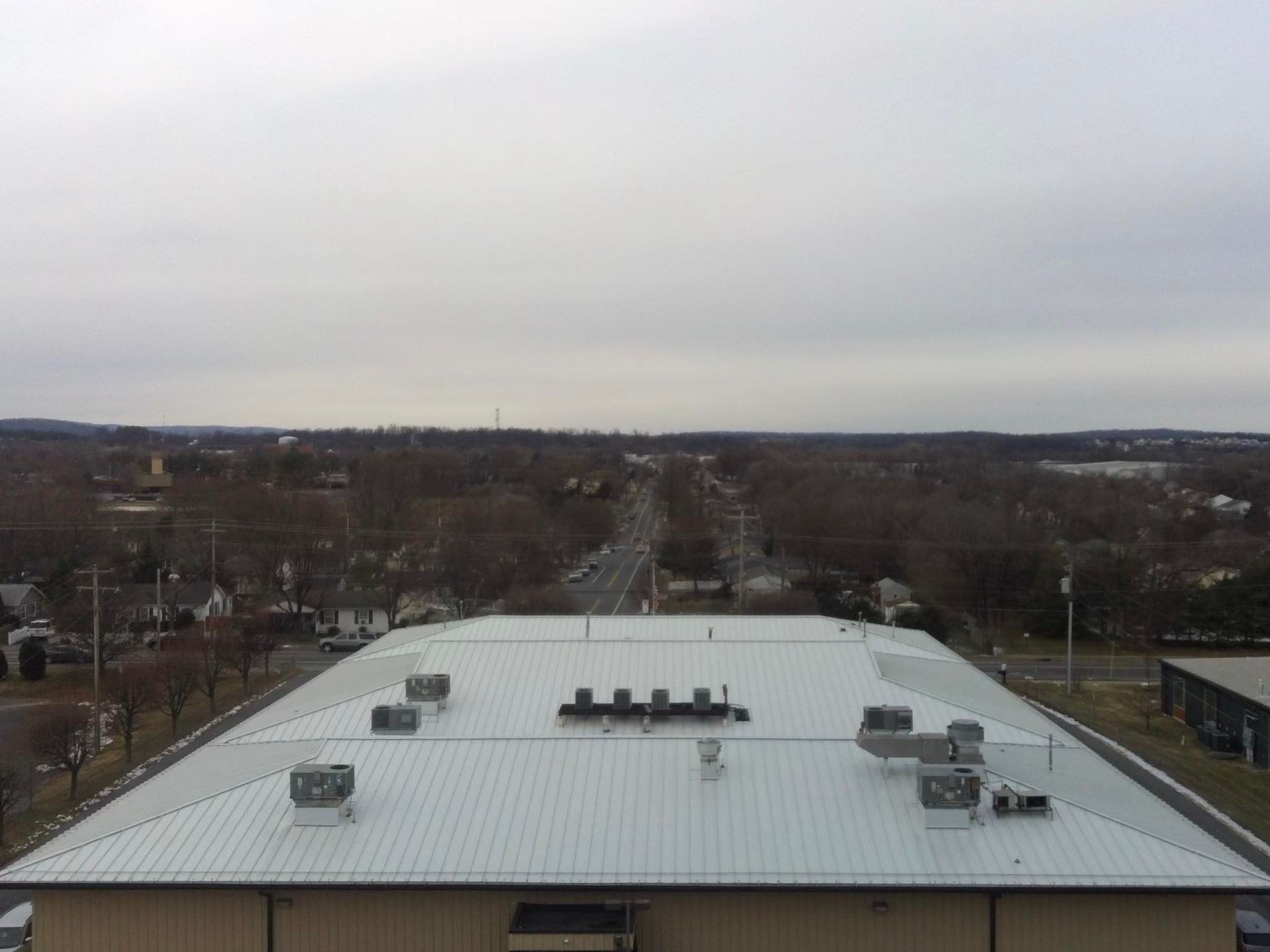
Housewrap lap sequencing, J channel drainage, and the kickout flashing that decides whether your wall stays dry.
Gutter Installation
Sizing to real drainage area, downspout counts, and the gutter apron that keeps water off your fascia and out of the wall.
Gutter Repair
Overflow at the corner is often what has been soaking the window head below it for years.
Specialty and Historic Roofing
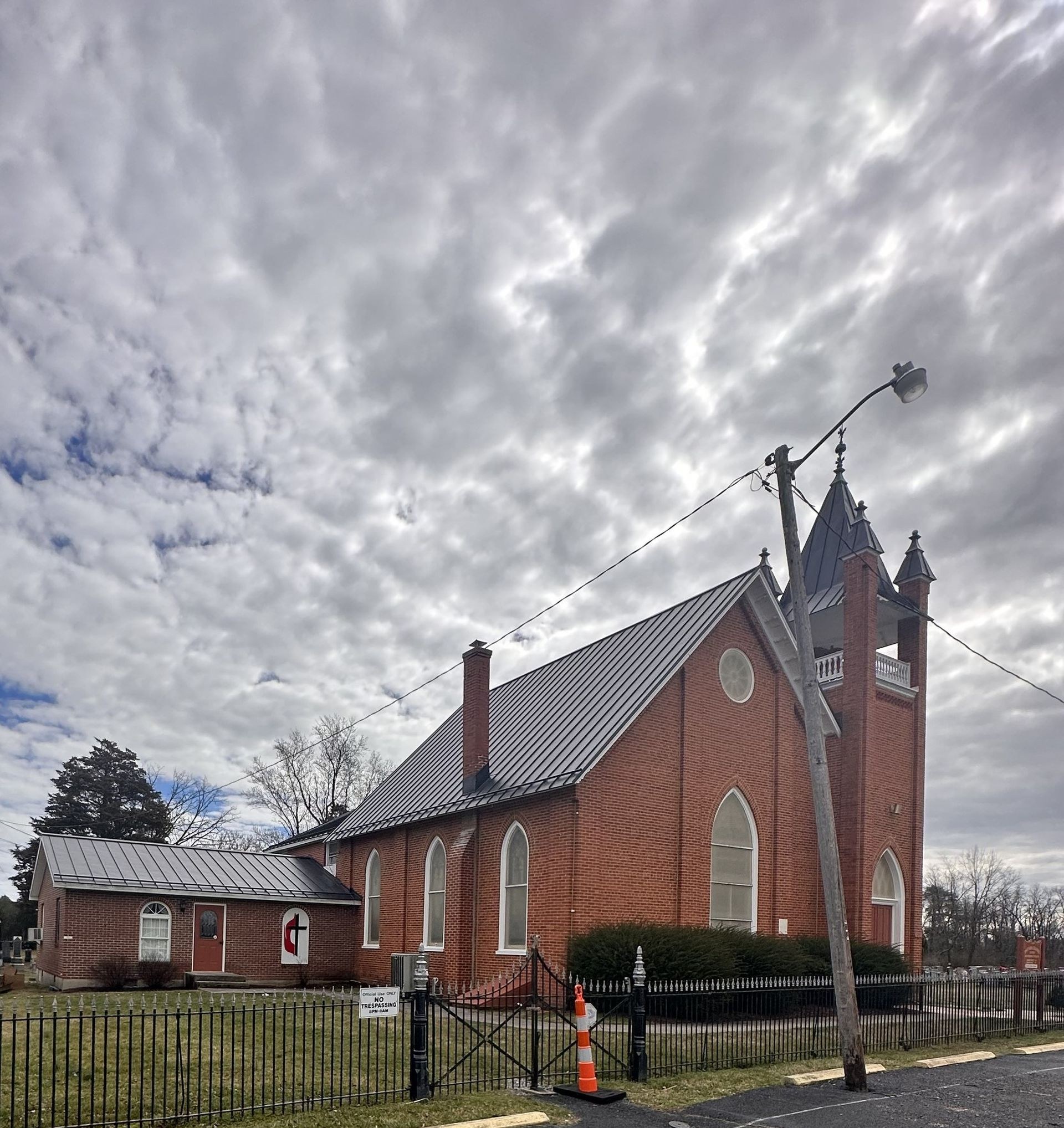
Slate, synthetic slate, low slope porch sections, and the Certificate of Appropriateness process in the overlay district.
Roof Replacement
The reason people schedule new windows and a new roof in the same season.
Residential Roofing
Attic ventilation and the humidity side of the winter condensation conversation.
Roof Inspection
A written scope with photos, including the roof to wall details that drain into your window openings.
Exterior Services
Water management from the ridge to the ground, handled by one crew instead of four subcontractors.
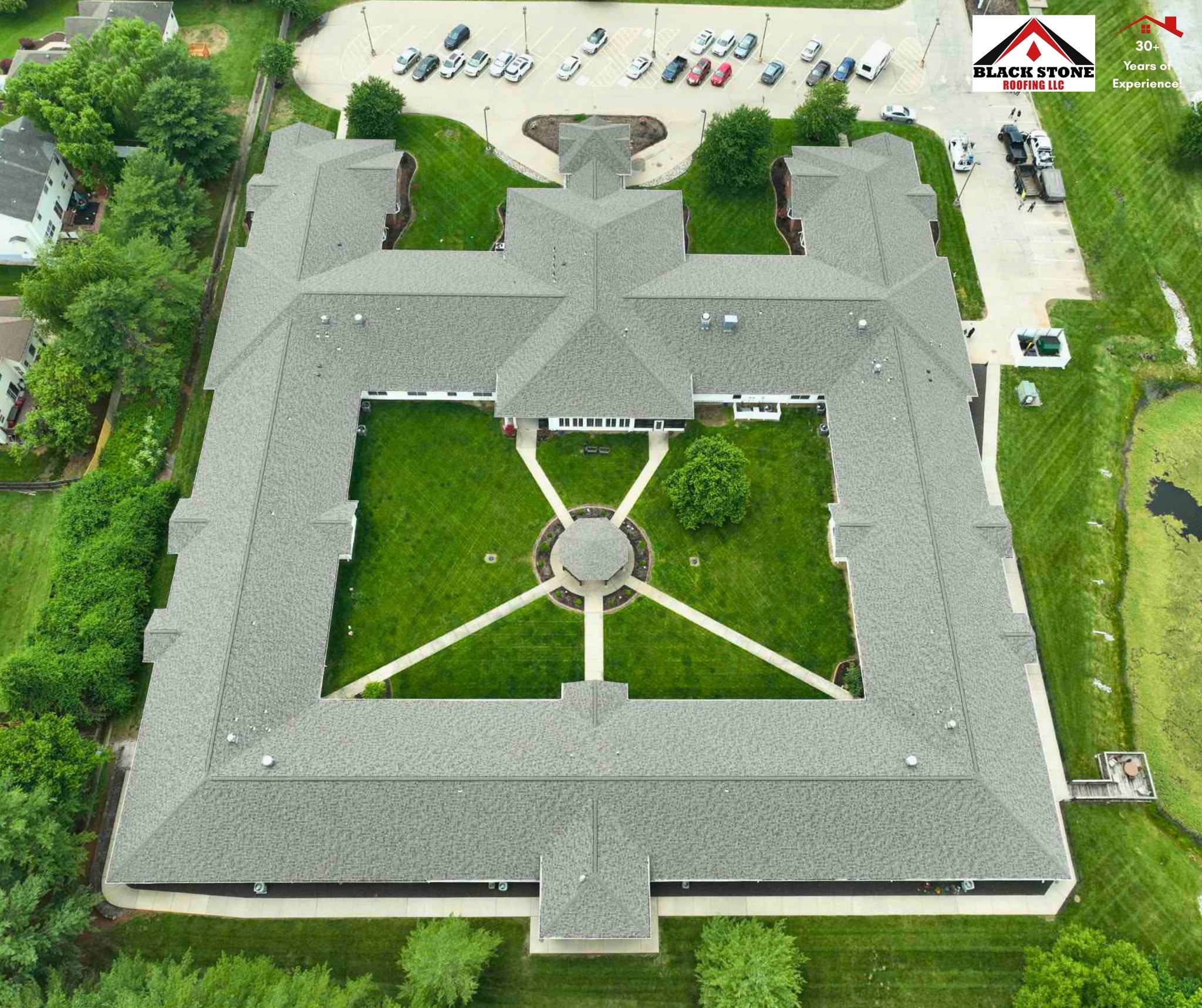
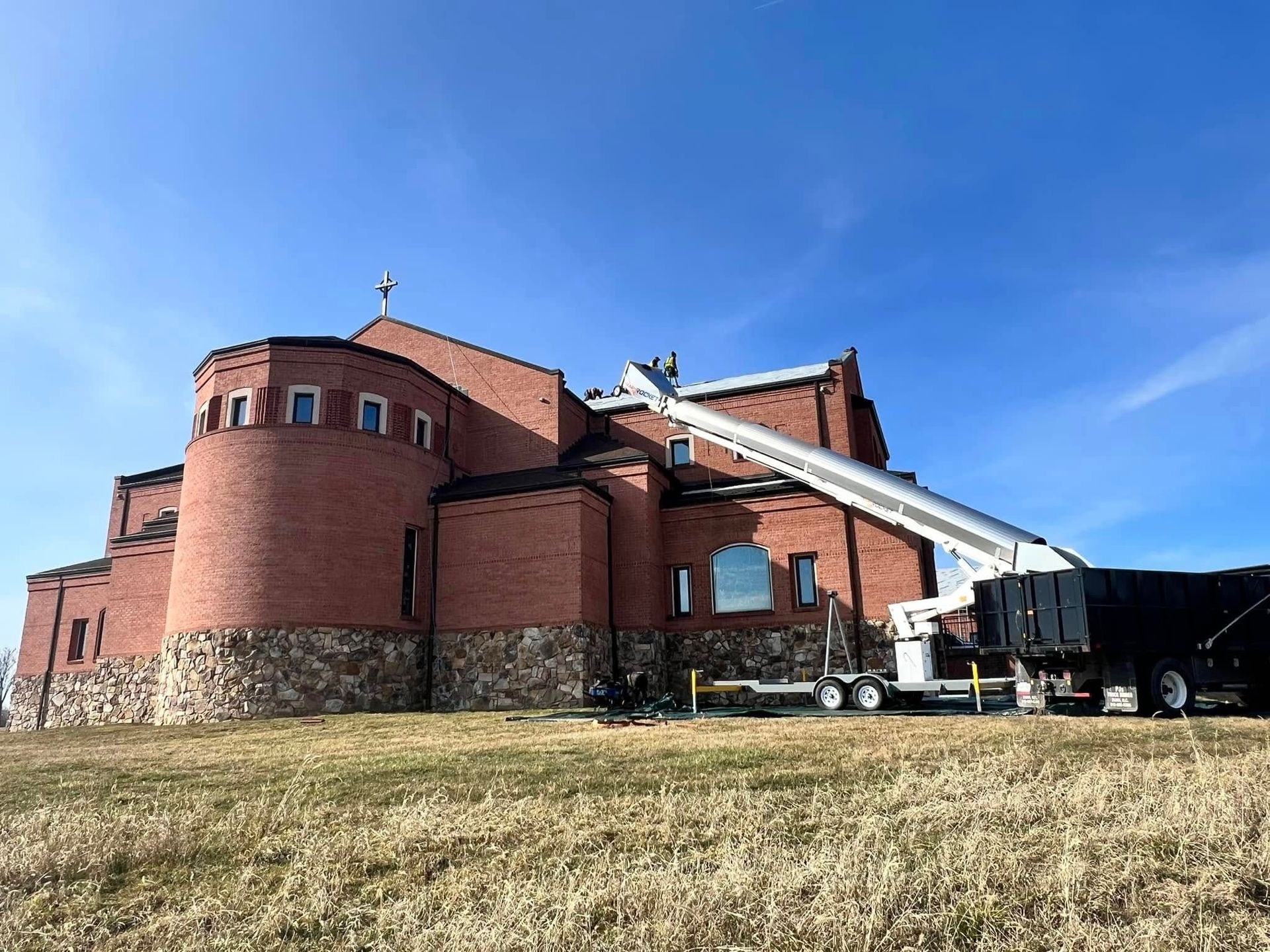
Martinsburg is home, and we run the corridor daily
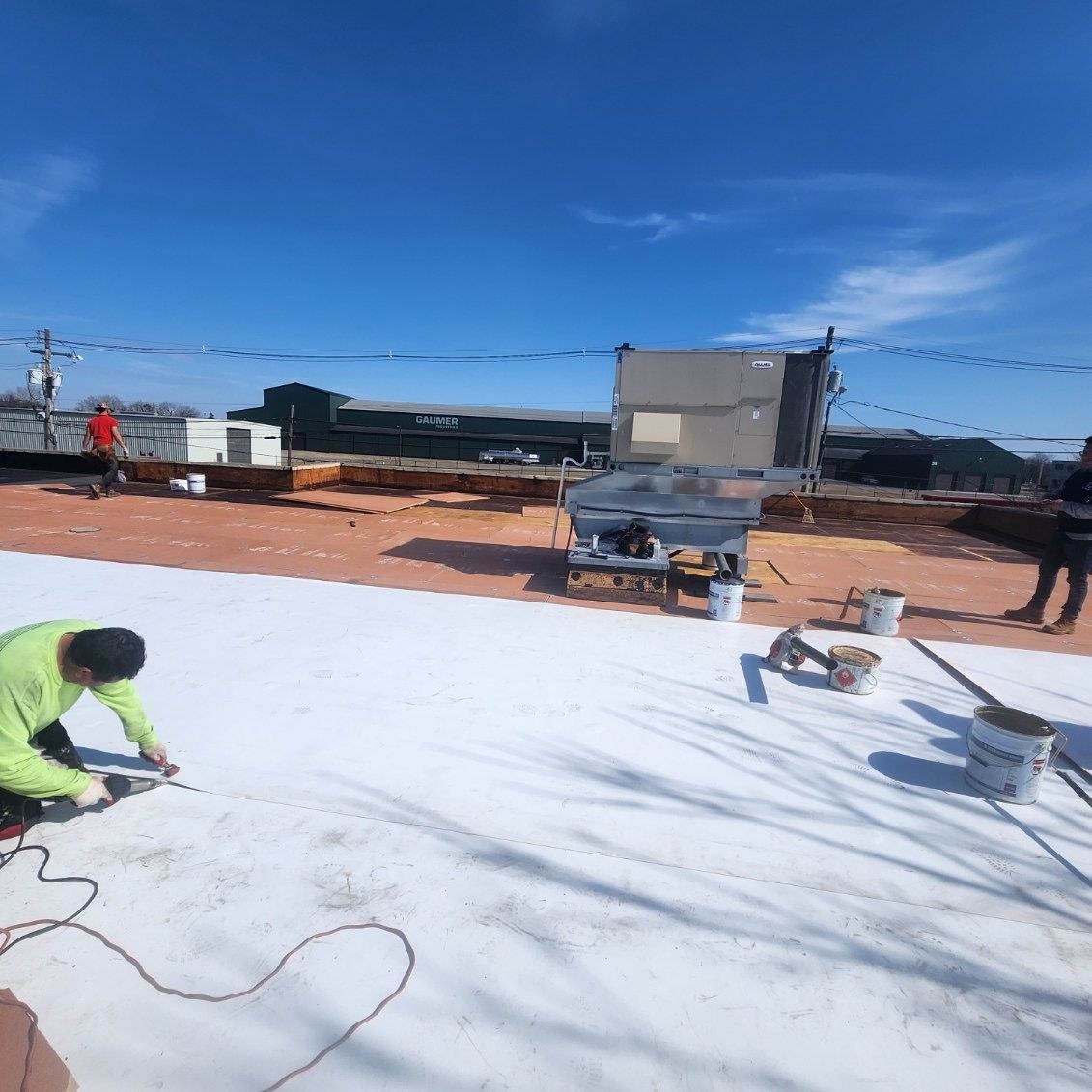
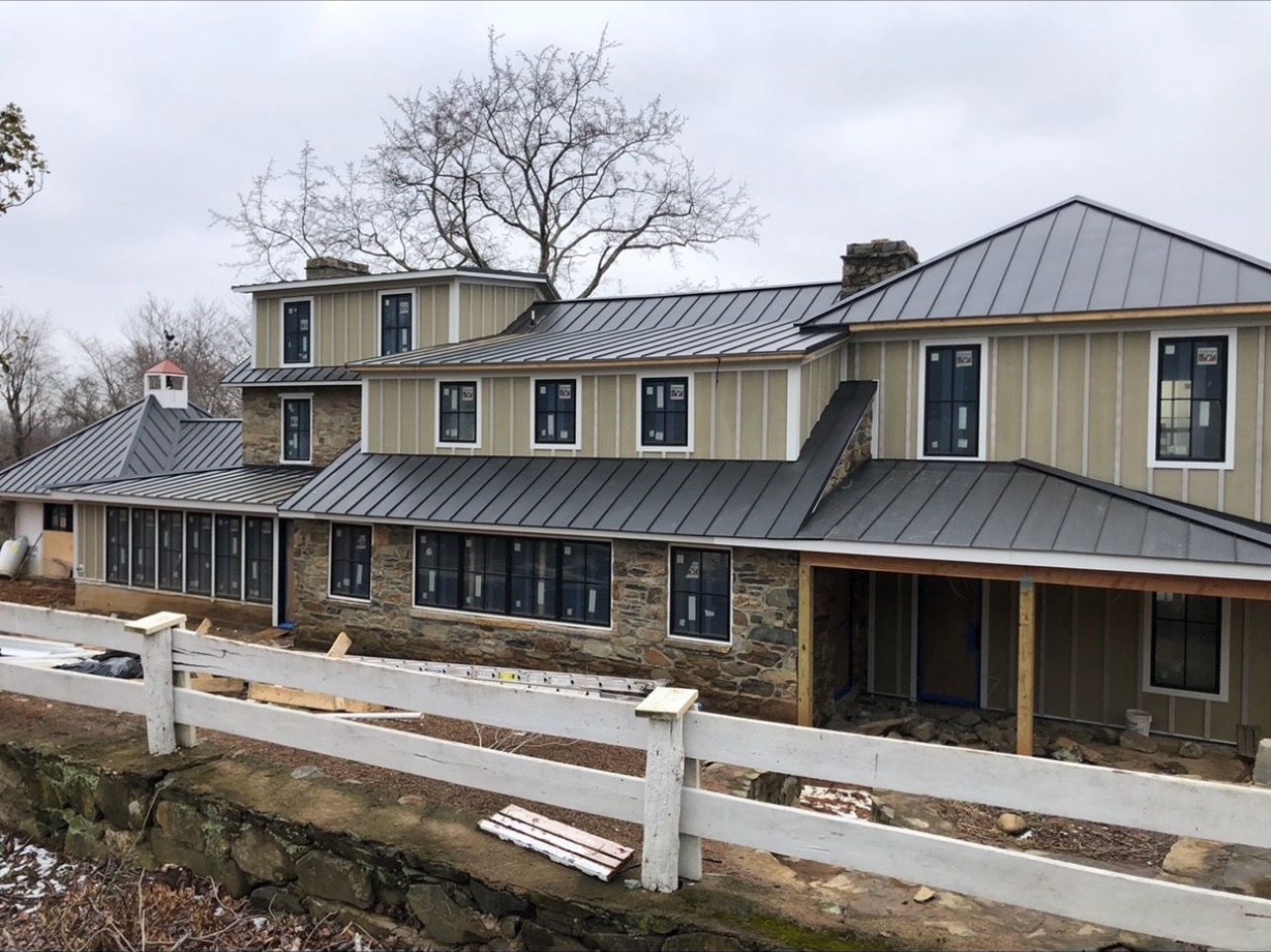
Do not see your town? We work the whole corridor, so ask or call (540) 550-9703.
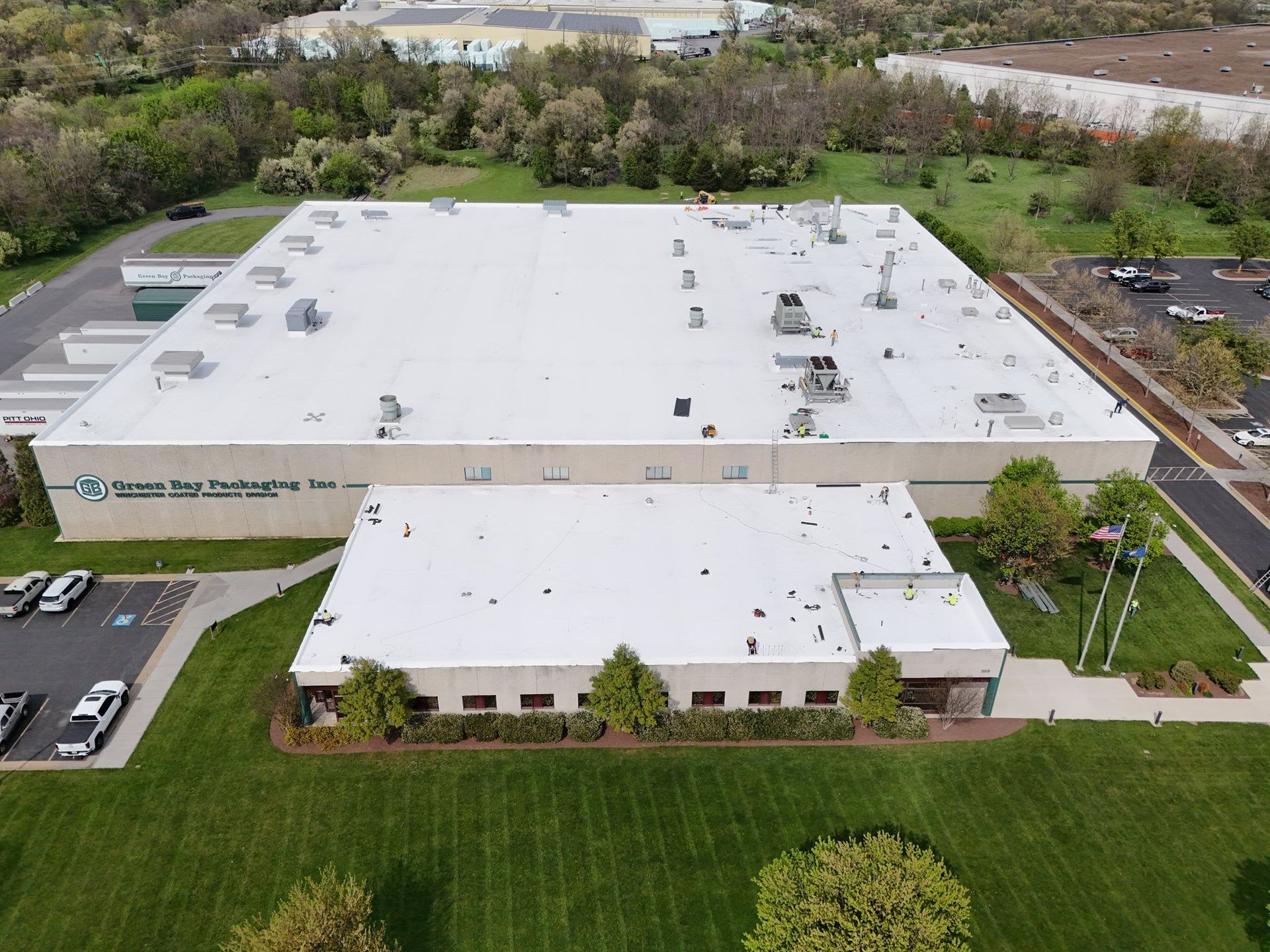
Window replacement questions we get in Martinsburg
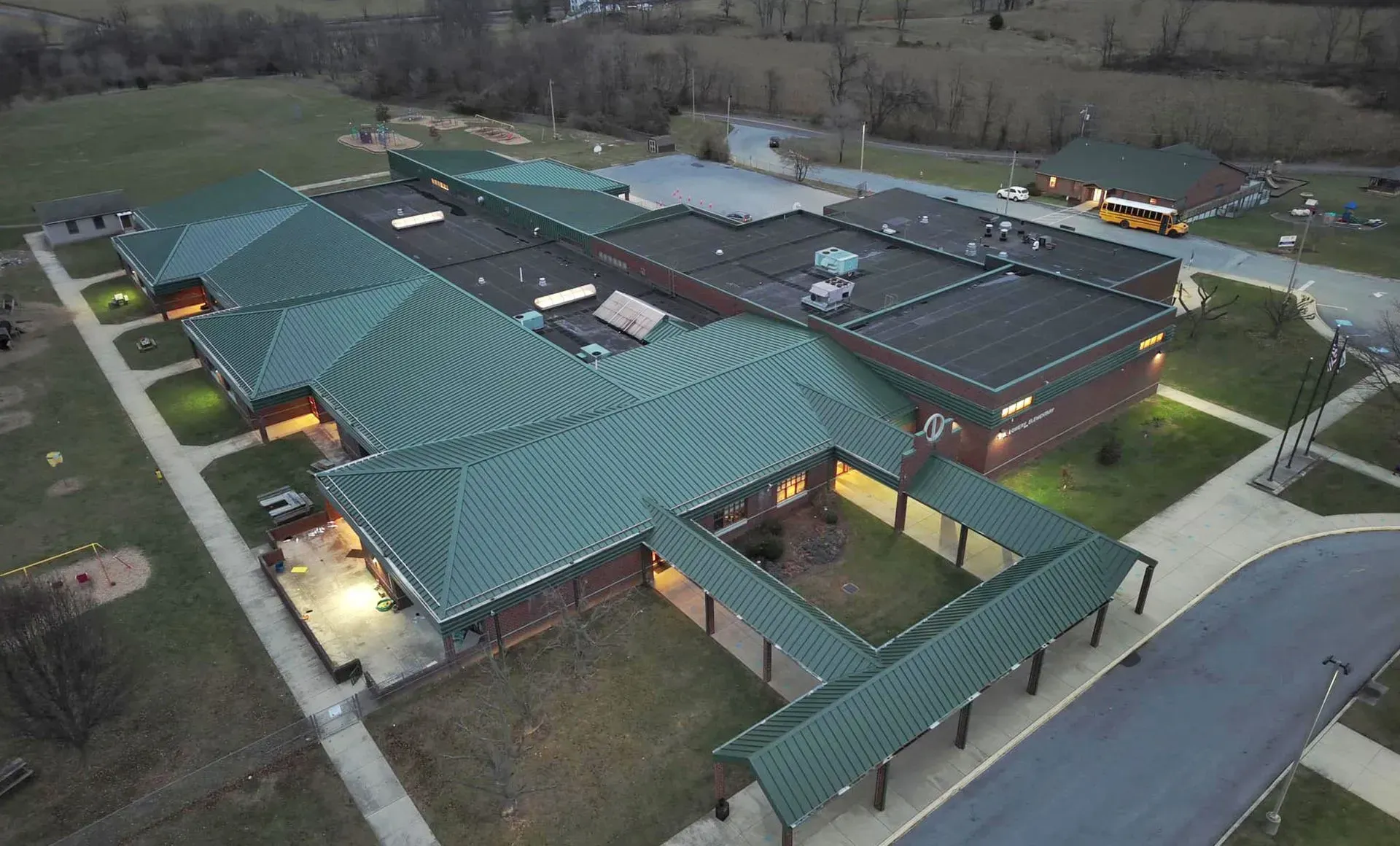
-
Do I need full frame or insert windows?
Insert if the existing frame is square, dry, and solid, and you are replacing because of drafts, fogged glass, or sash that will not stay up. Full frame if the sill is soft anywhere, if there is black staining at the lower corners, if the window has ever leaked, if the sash binds because the frame racked, or if the siding is coming off at the same time. Full frame is the only version where a real sill pan gets installed and the flashing gets woven into the housewrap. If none of the full frame triggers apply, an insert is enough and we will put that in writing.
-
My replacement windows leak. Are they defective?
Usually not. The overwhelming majority of leaking replacement windows we open up are failures of the opening, not the unit. Missing sill pan, sealant run across the back of the sill so the pan cannot drain, jamb flashing tucked under the nailing flange instead of over it, or housewrap taped across the top of the head flange instead of lapped over the head flashing. Water gets behind the siding on every house. The flashing sequence is what sends it back out.
-
Do I need approval to replace windows in downtown Martinsburg?
If your property is inside the Historic Preservation Overlay District, yes. You need a Certificate of Appropriateness from the Historic Preservation Review Commission before the windows change. It is a nine member commission that meets the first Monday of each month at 6:30 p.m. Window replacement is a documented alteration pattern in the Downtown Martinsburg district nomination, so it gets looked at. The City of Martinsburg Planning, Zoning and Building Department can confirm whether your address is inside the overlay, and we will make that call with you before anybody orders units.
-
My windows sweat every winter. Is that a leak?
No. Water on the inside surface of the glass is condensation. It appears in cold weather, it happens whether or not it is raining, and the water is clean. That is indoor humidity meeting a cold surface, worst in bathrooms and kitchens and at the bottom of the sash. Fog or haze trapped between the panes is different and that one is a failed insulated glass seal, which does require replacing the unit. Water staining the interior sill or the wall below during a driving rain is the actual leak, and that is a flashing problem.
-
What do U factor and SHGC mean on the sticker?
U factor is how fast heat escapes through the whole window, glass and frame together, and lower is better on every elevation. SHGC is the fraction of the sun’s heat that gets through the glass. Lower blocks more summer heat and higher lets in more winter sun, so a slightly higher SHGC works on unshaded south facing glass while west facing glass should go low. Both numbers come from the NFRC label. Ask for them on the written estimate, because a quote that names a series and a color but no performance numbers is a price, not a specification.
-
Are you actually based in Martinsburg?
Yes. Our office is at 1886 Winchester Ave, Martinsburg, WV 25405, so Berkeley County is where we sit rather than a market we drive into. We hold a West Virginia contractor license, which the state requires to appear in our advertising and to be posted at the job site. Ask every company bidding your job for their West Virginia license number and check that it shows up on their advertising. Several of the companies advertising here are based in Pennsylvania and Maryland.
-
Do old Martinsburg houses and newer county subdivisions get different windows?
They get different jobs. Inside the city, nearly three in ten houses predate 1939 and another quarter went up between 1940 and 1969, so you are usually looking at weight and pulley double hung sash with open pockets in the jambs. An insert seals those pockets permanently, which stops a real air leak but is a one way decision you should make on purpose. Berkeley County’s median build year is 1998, and the builder grade vinyl units that filled in Inwood, Bunker Hill, Spring Mills, and Falling Waters are failing on schedule now with fogged glass and dropped sash. On those houses the unit itself is usually the problem and an insert is usually the answer. What is worth checking either way is whether head flashing was ever installed.
Get a written window estimate
Tell us the address, how many openings, and what the windows are doing. We will walk them, tell you whether it is full frame or insert, and put the unit, the U factor, the SHGC, and the flashing method in writing. Somebody picks up 24 hours a day, seven days a week.