Home/Service Areas/Charles Town, WV
SERVING JEFFERSON COUNTY, WVRoofing Contractor in Charles Town, WV
Charles Town is two towns stacked on one street grid. There is the core Charles Washington laid out on 80 acres in 1786, where the streets carry his brothers’ names, and there is the ring of subdivisions that went up when this became commuter ground for Washington. Those are two completely different roofing jobs, and the first thing that has to happen is figuring out which one you own. Our shop is at 1886 Winchester Ave in Martinsburg, roughly 20 minutes west on Route 9 through Kearneysville. We are not going to pretend we have an office on Washington Street.
Leaking right now
Emergency response
We answer 24 hours. Tarped and stabilized before more gets inside.
Planning ahead
Free inspection
Written scope and photos so you know what the roof actually needs.
Request your free estimate
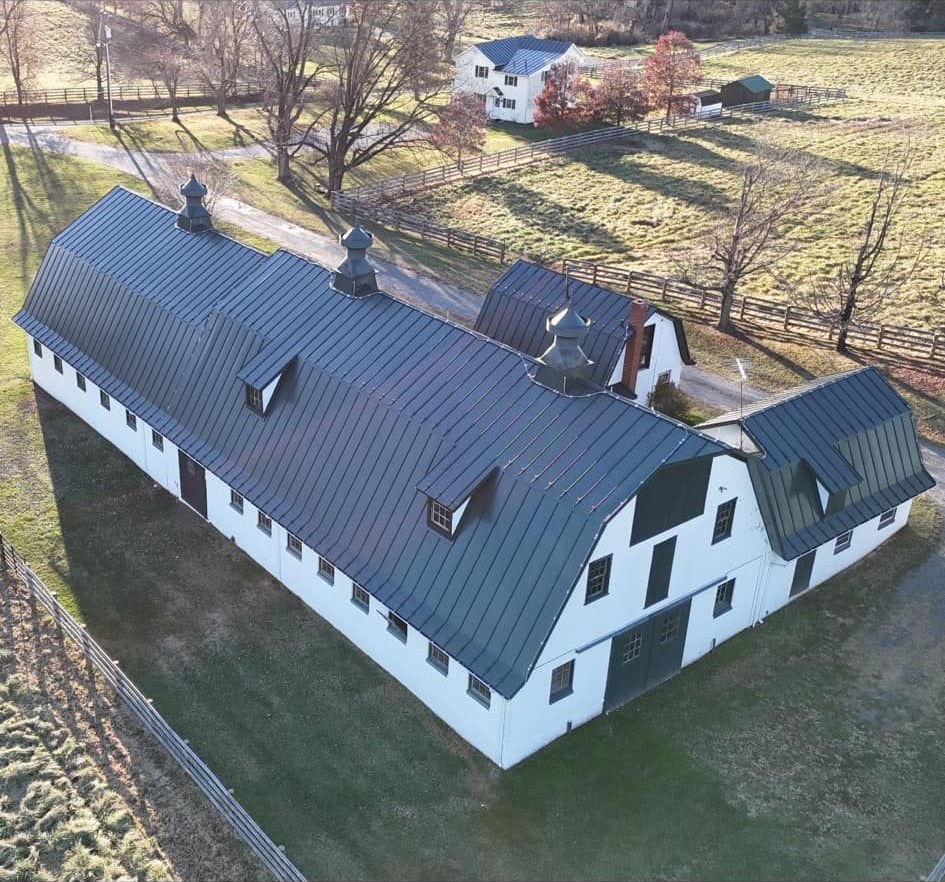
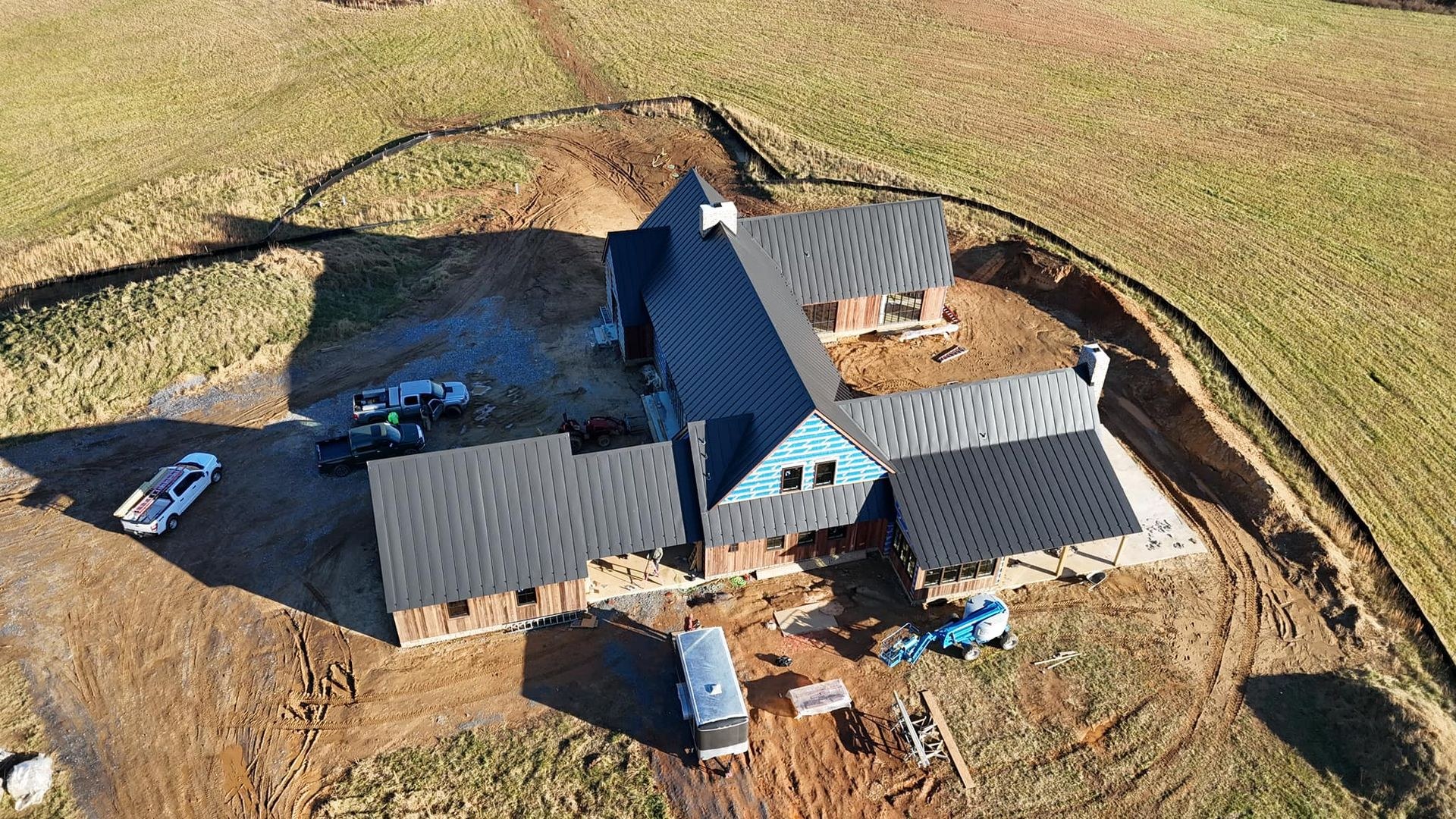
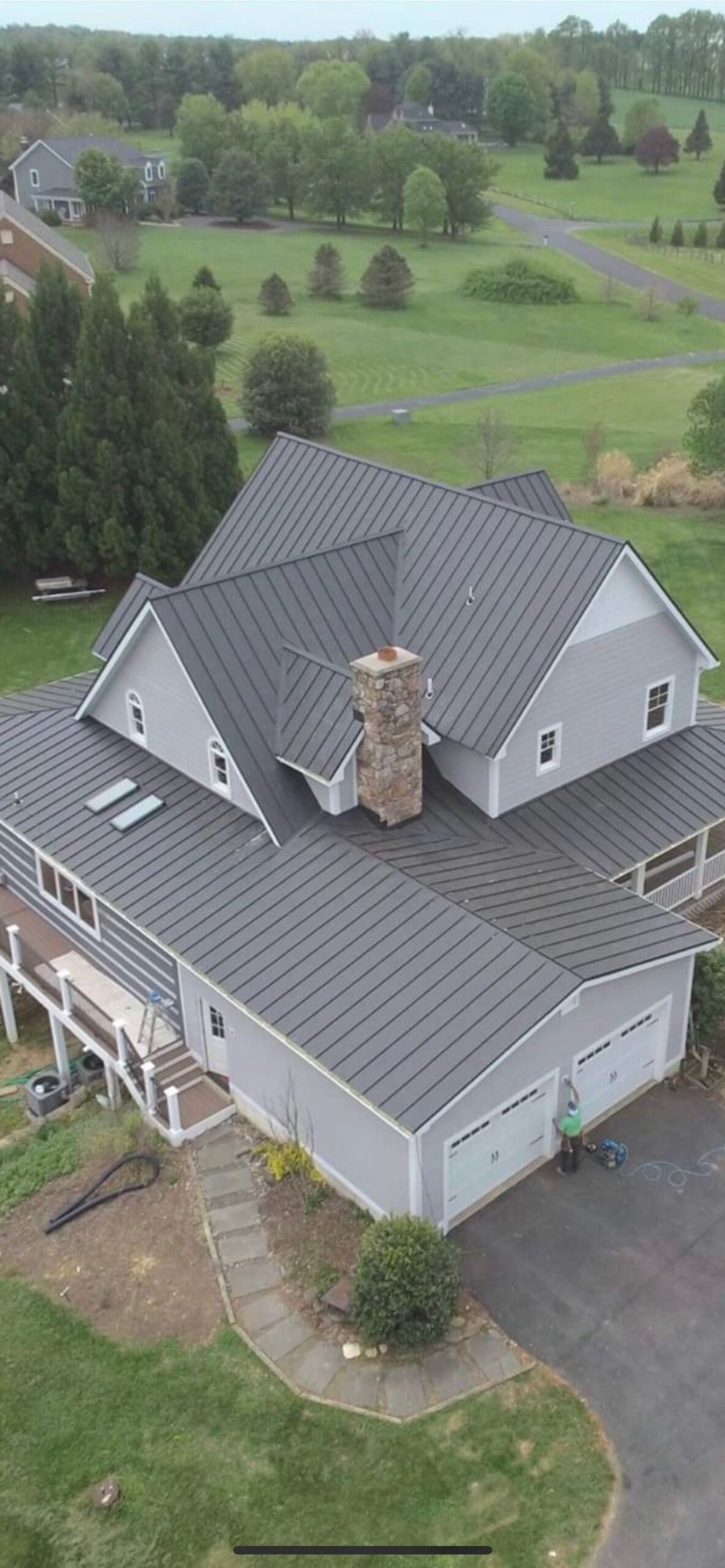
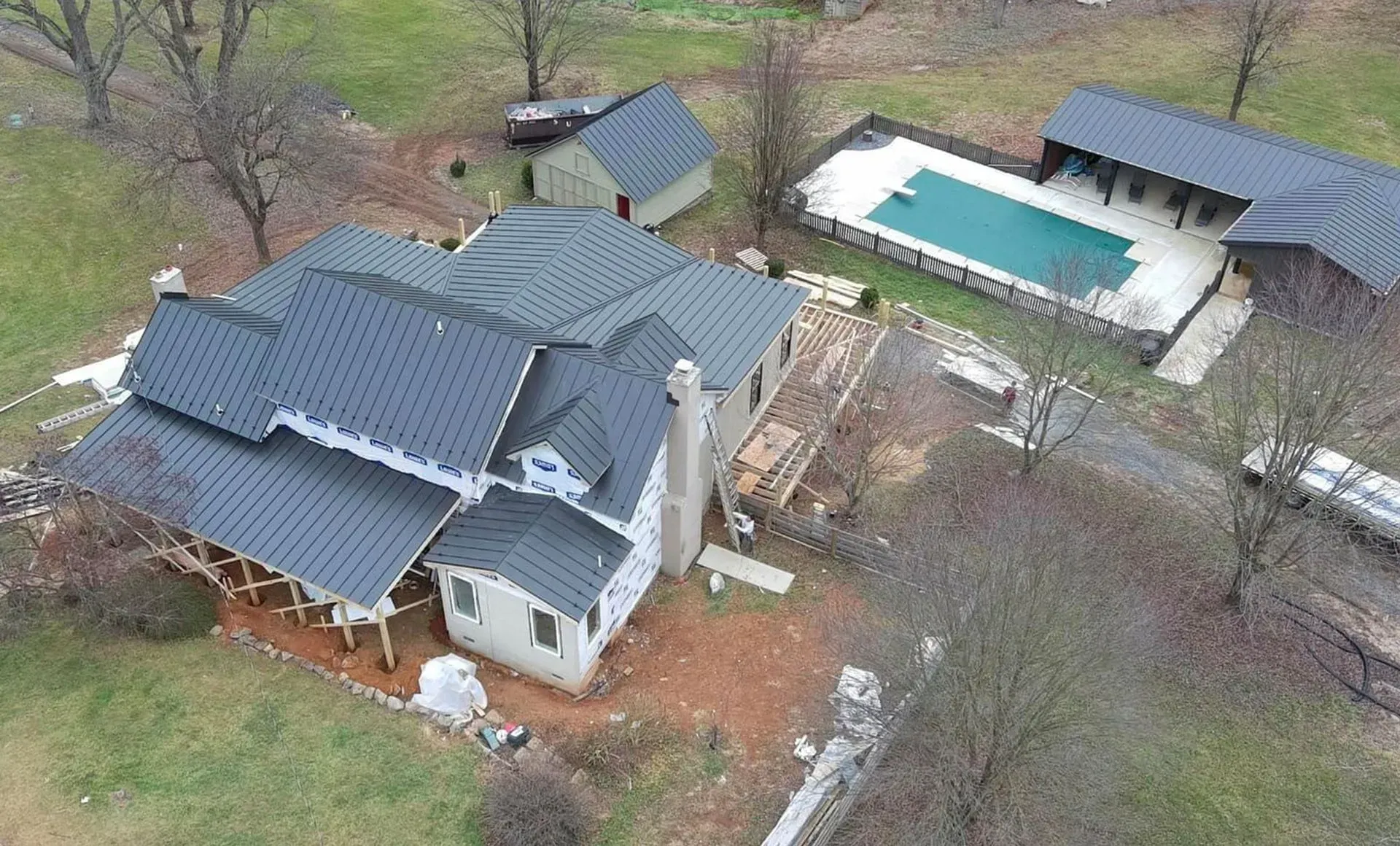
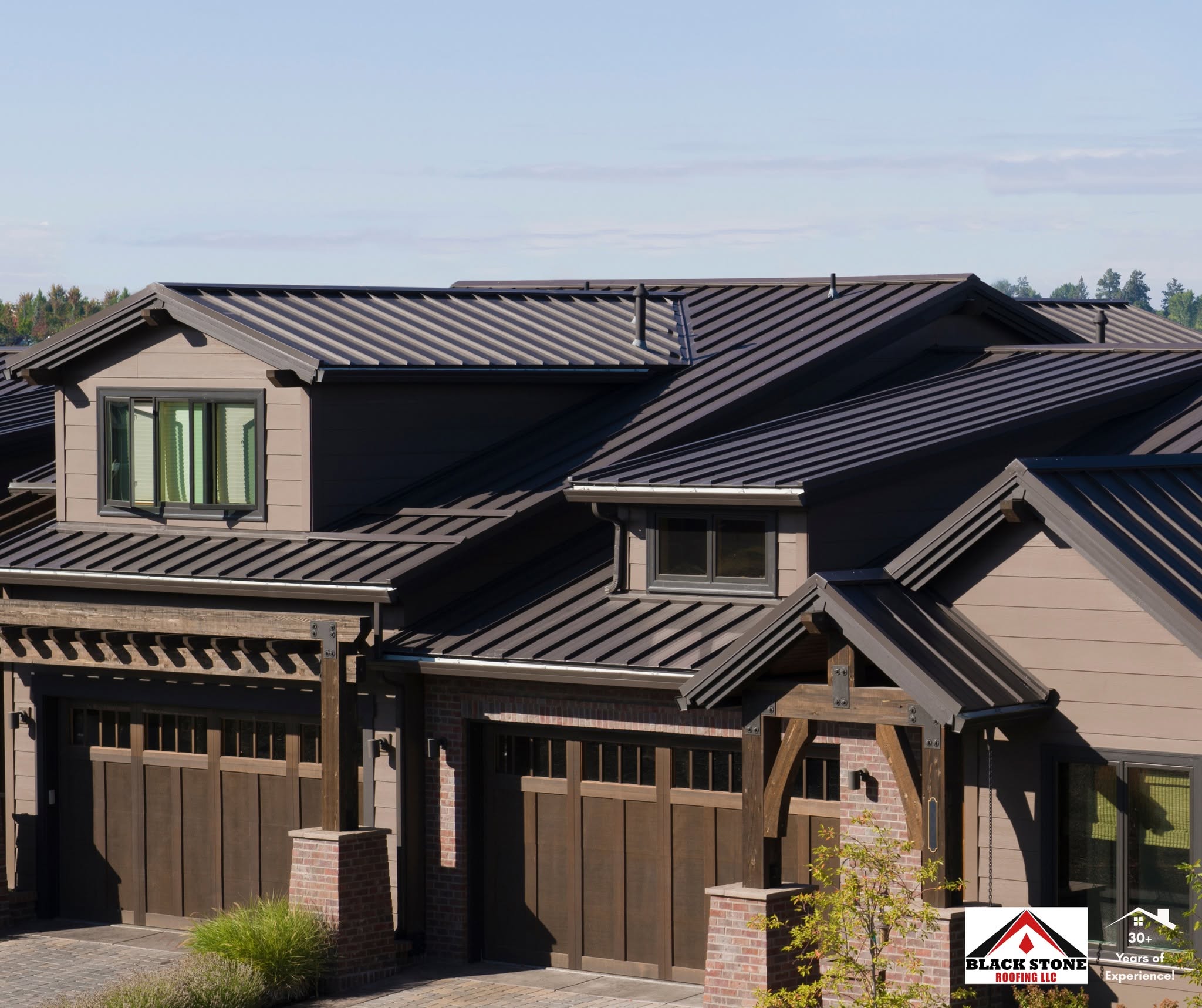
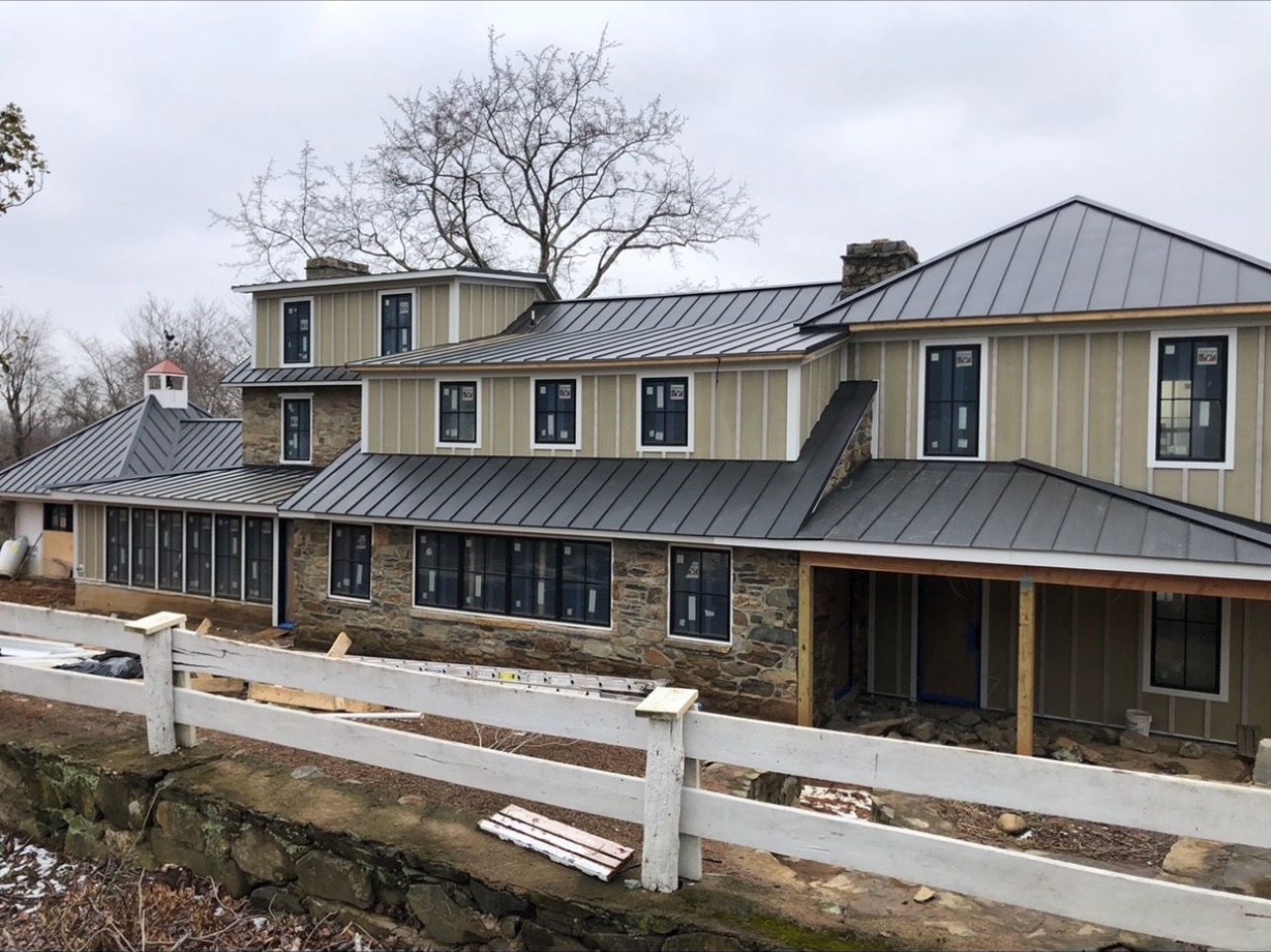
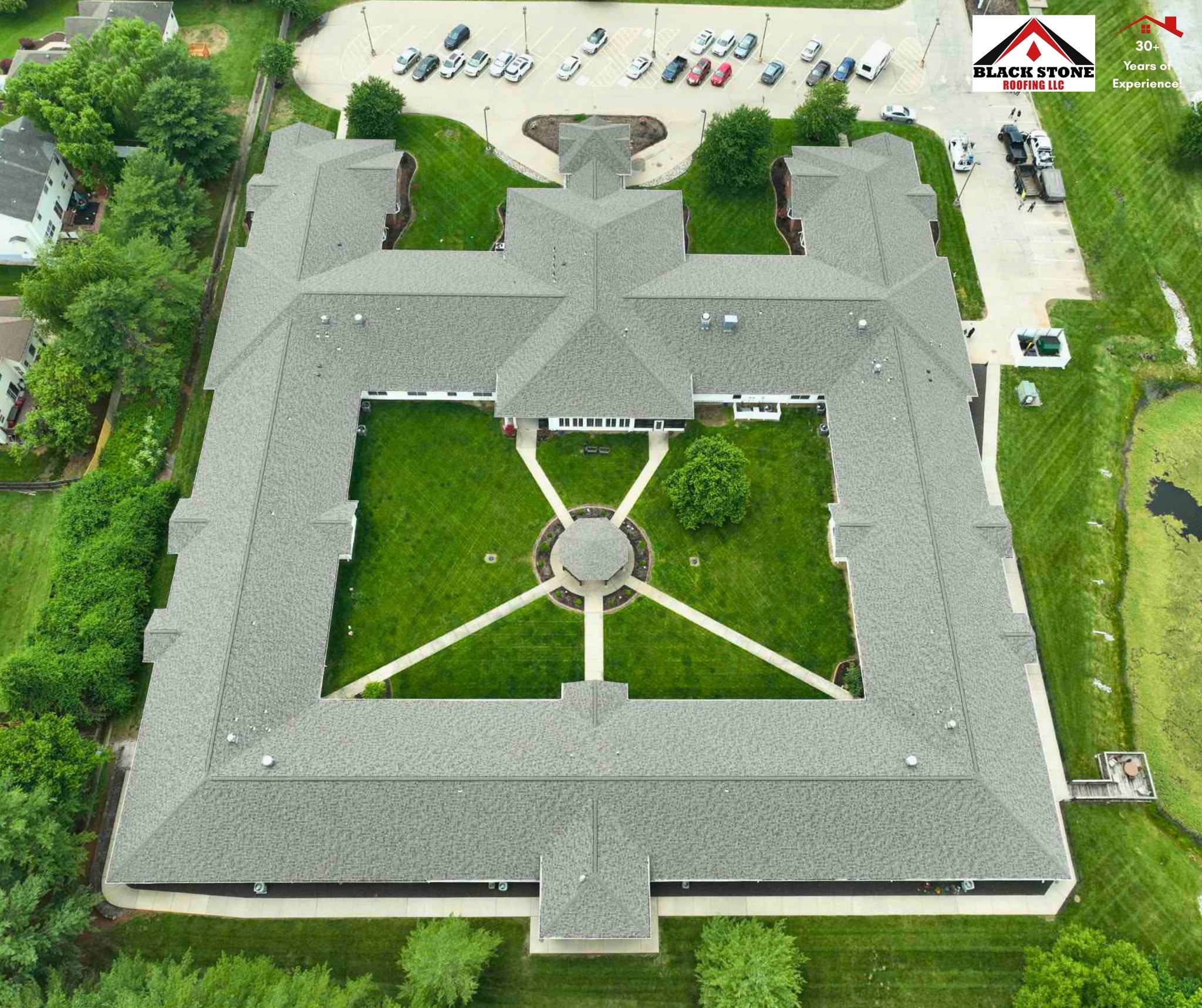
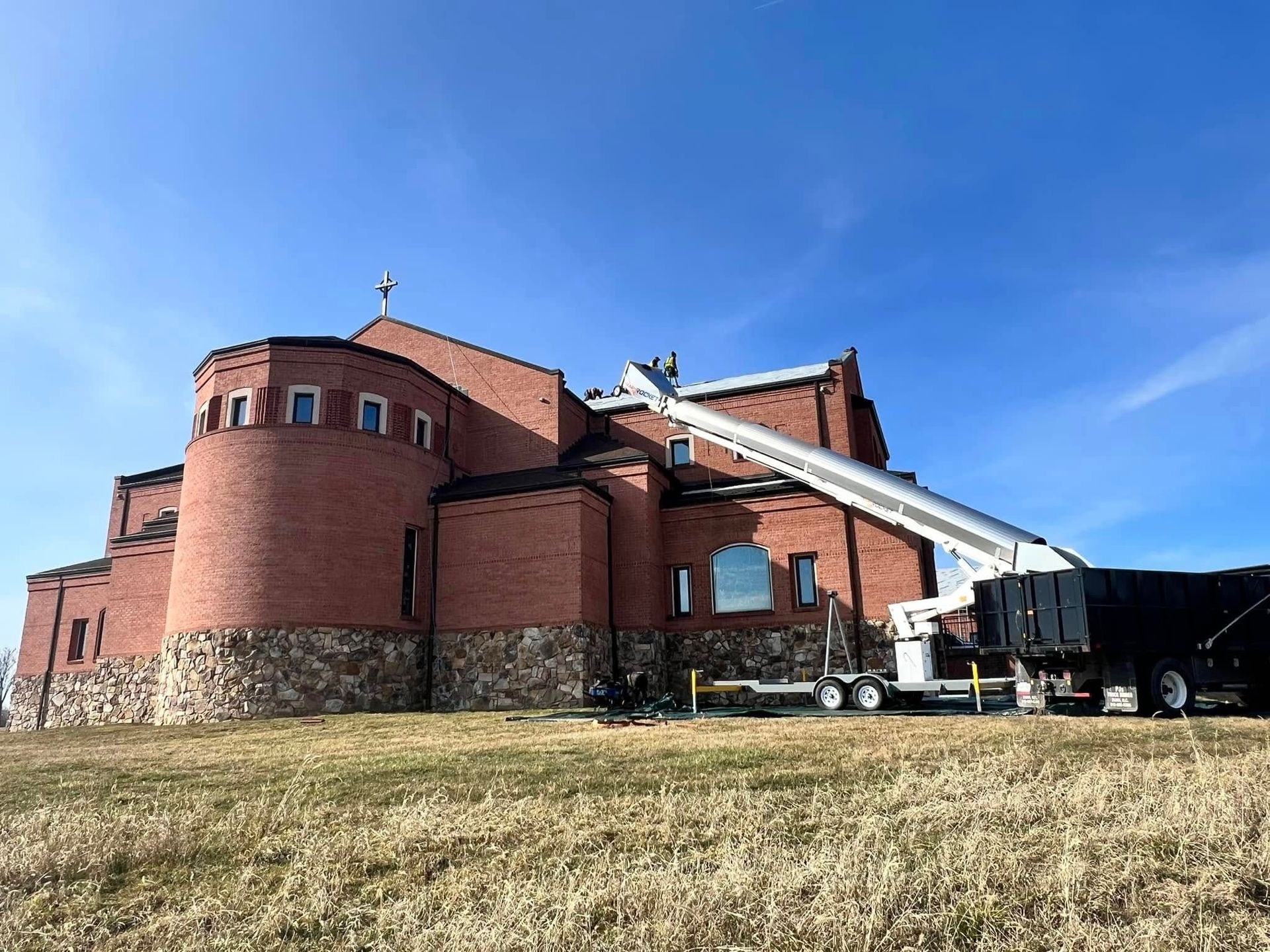
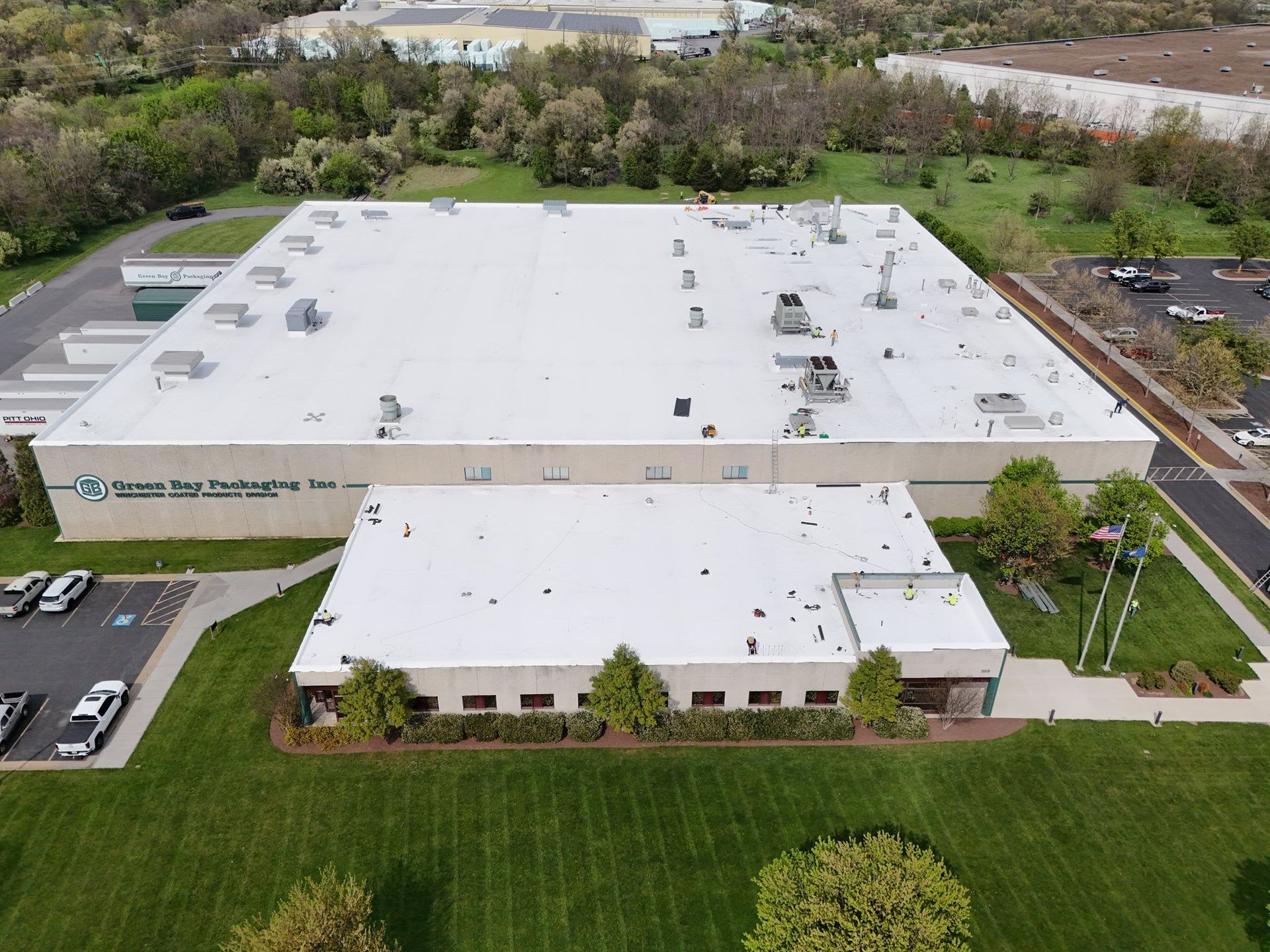
Finished roofs from around the Eastern Panhandle
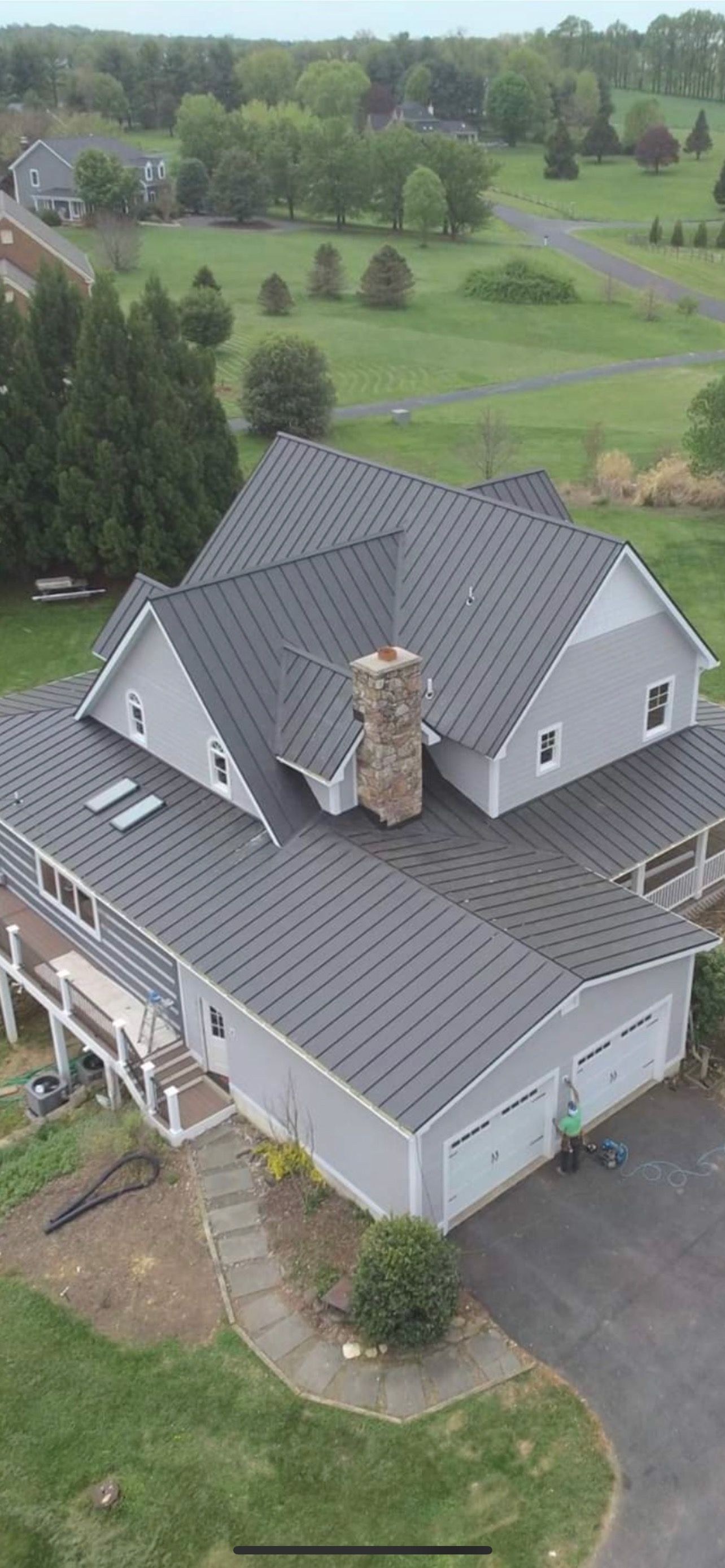
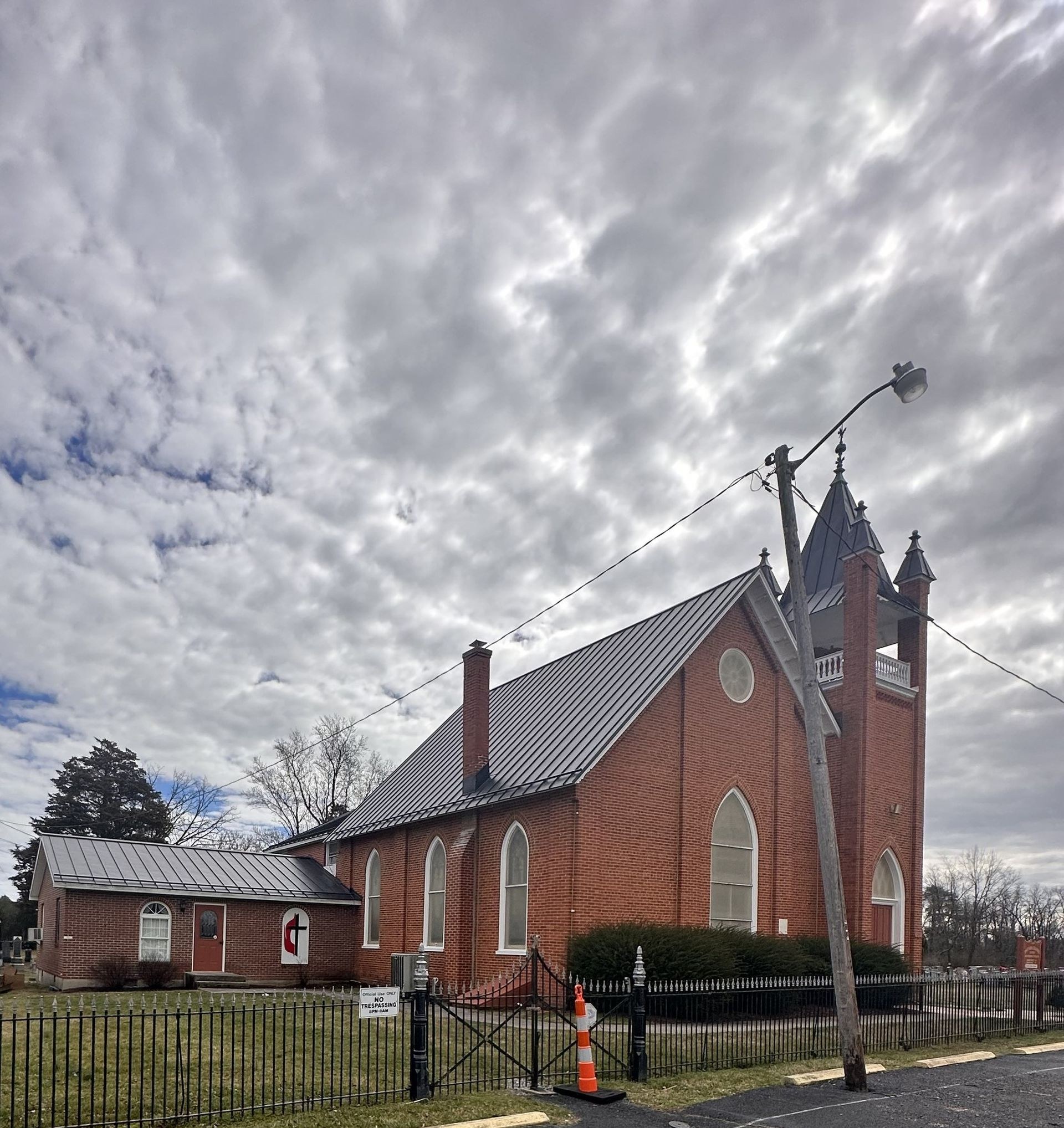
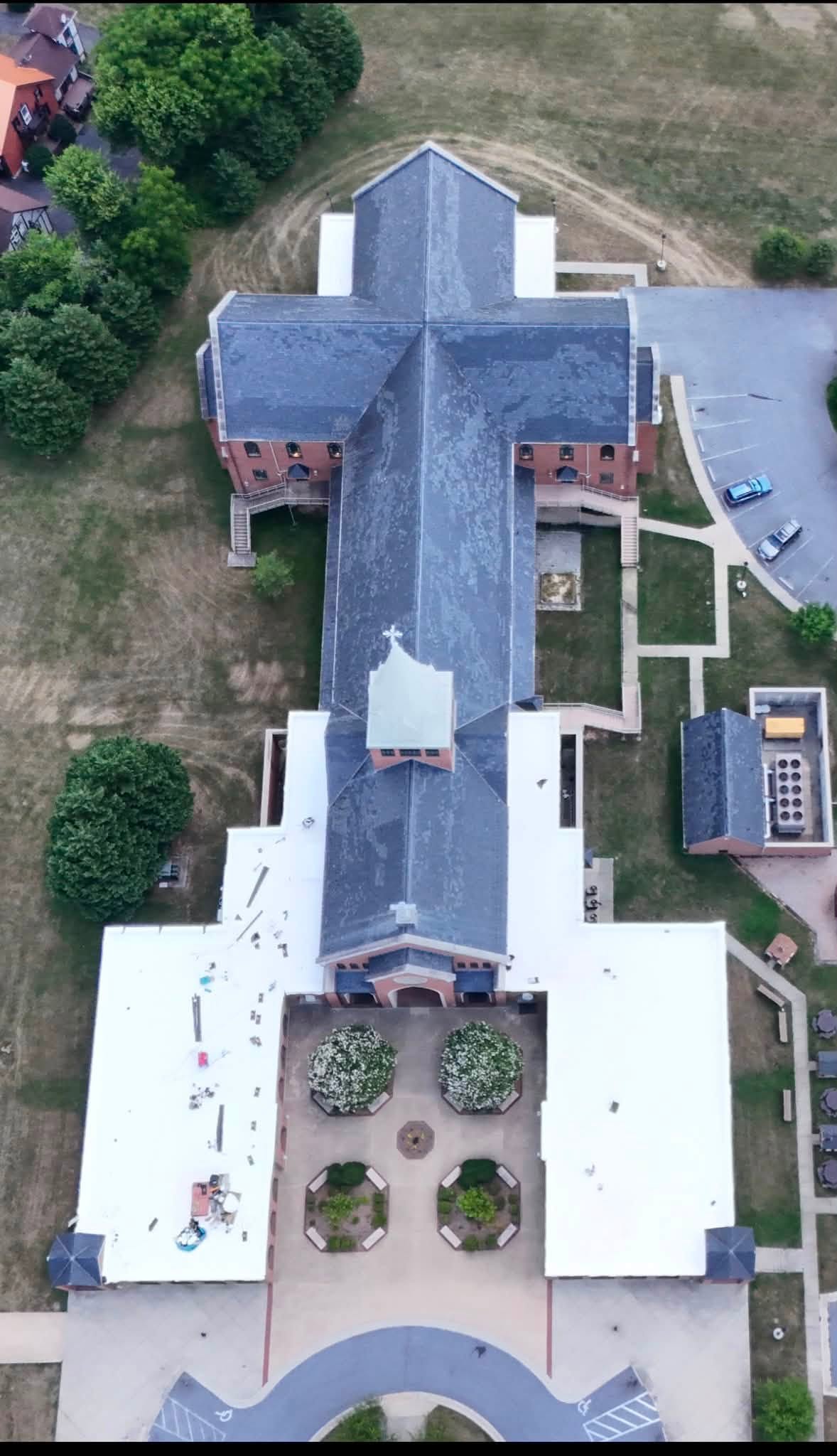
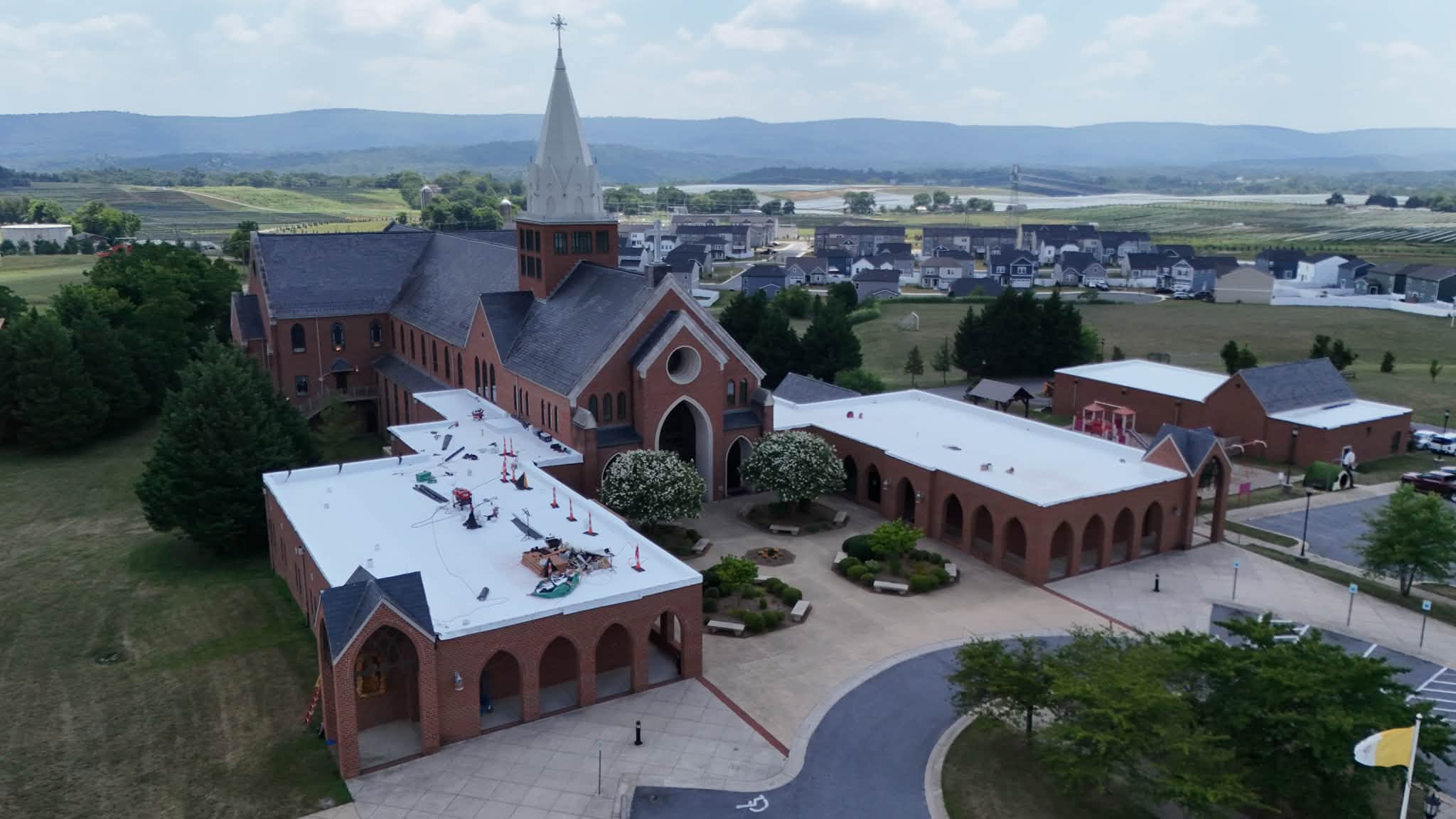
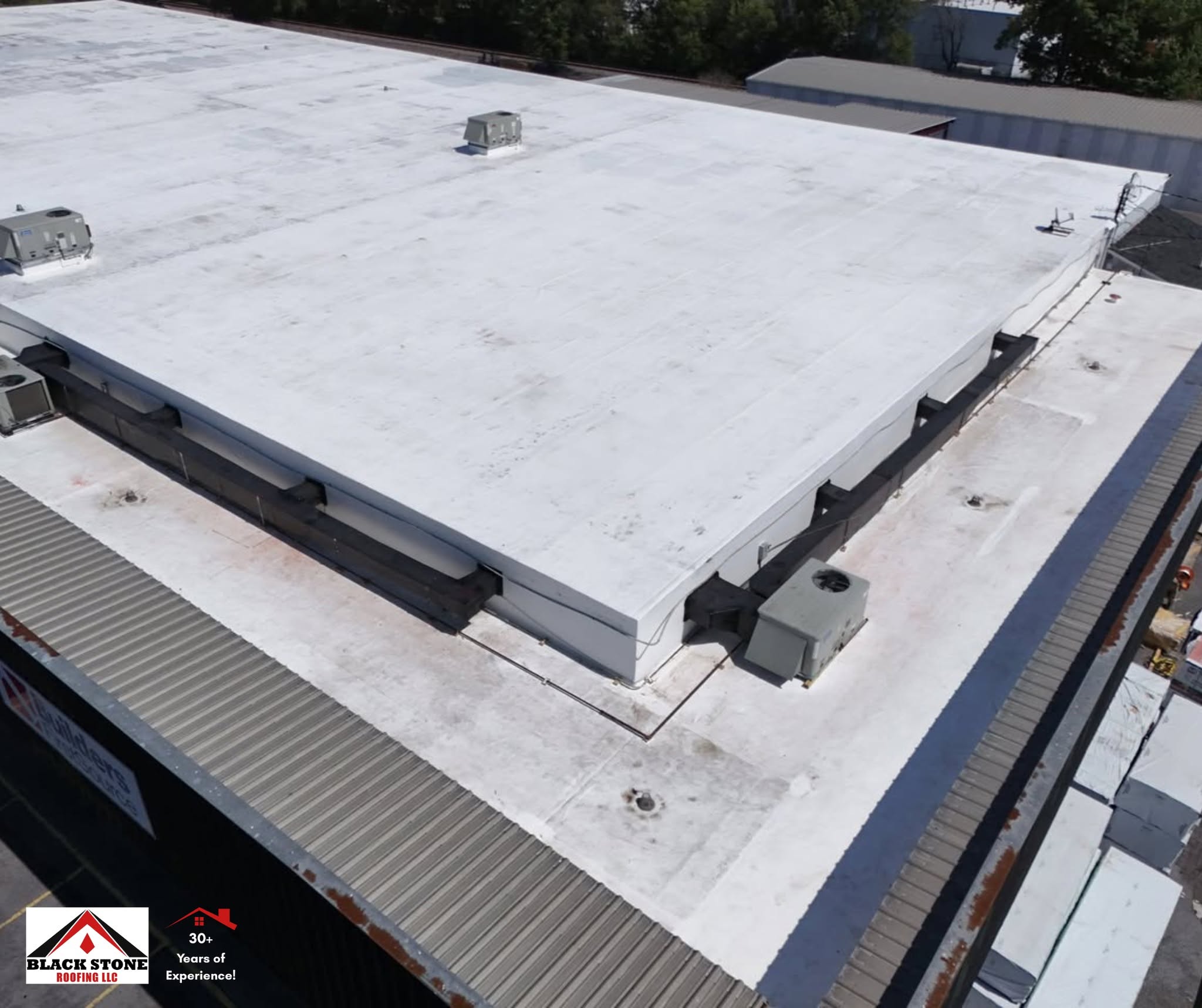
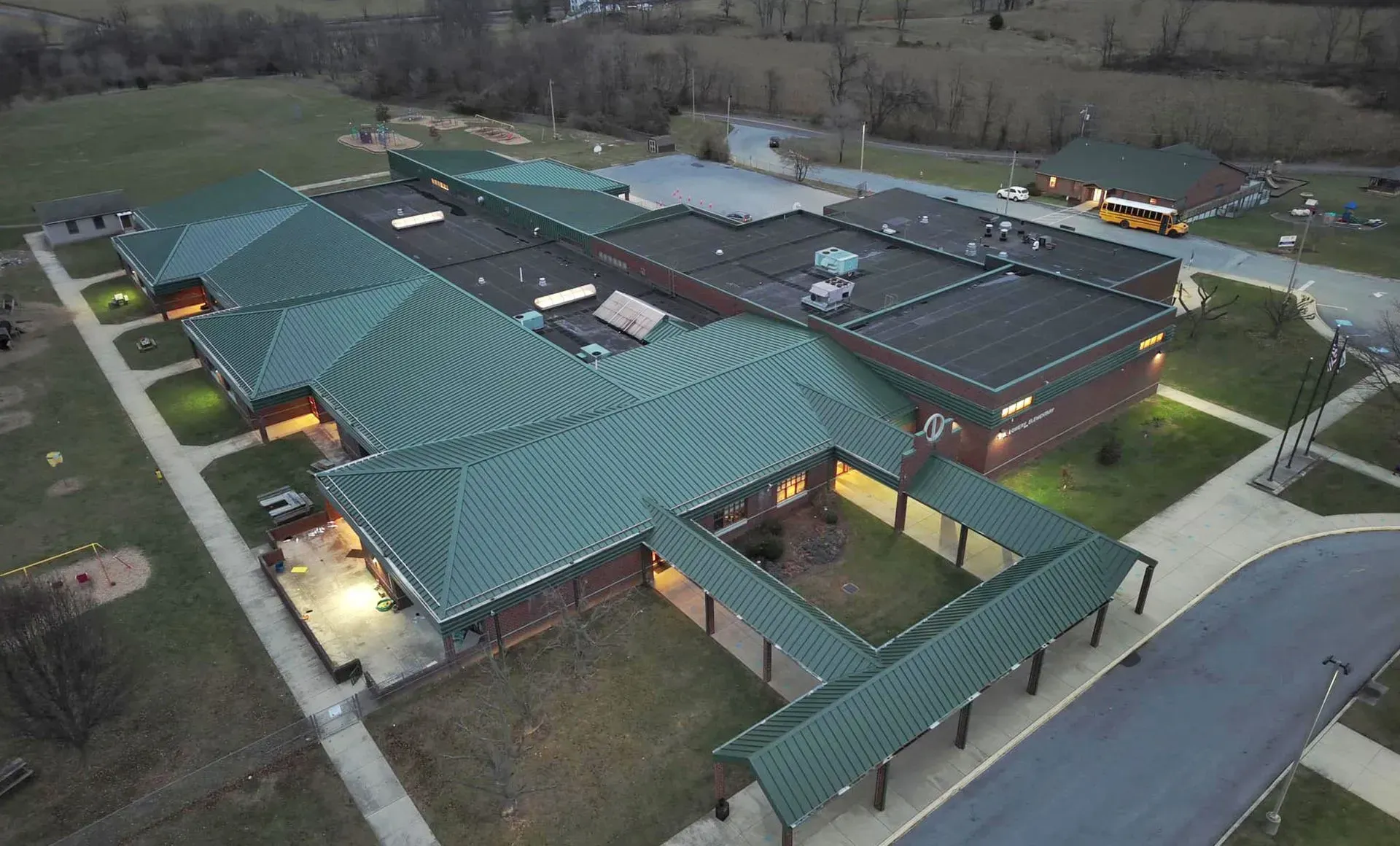
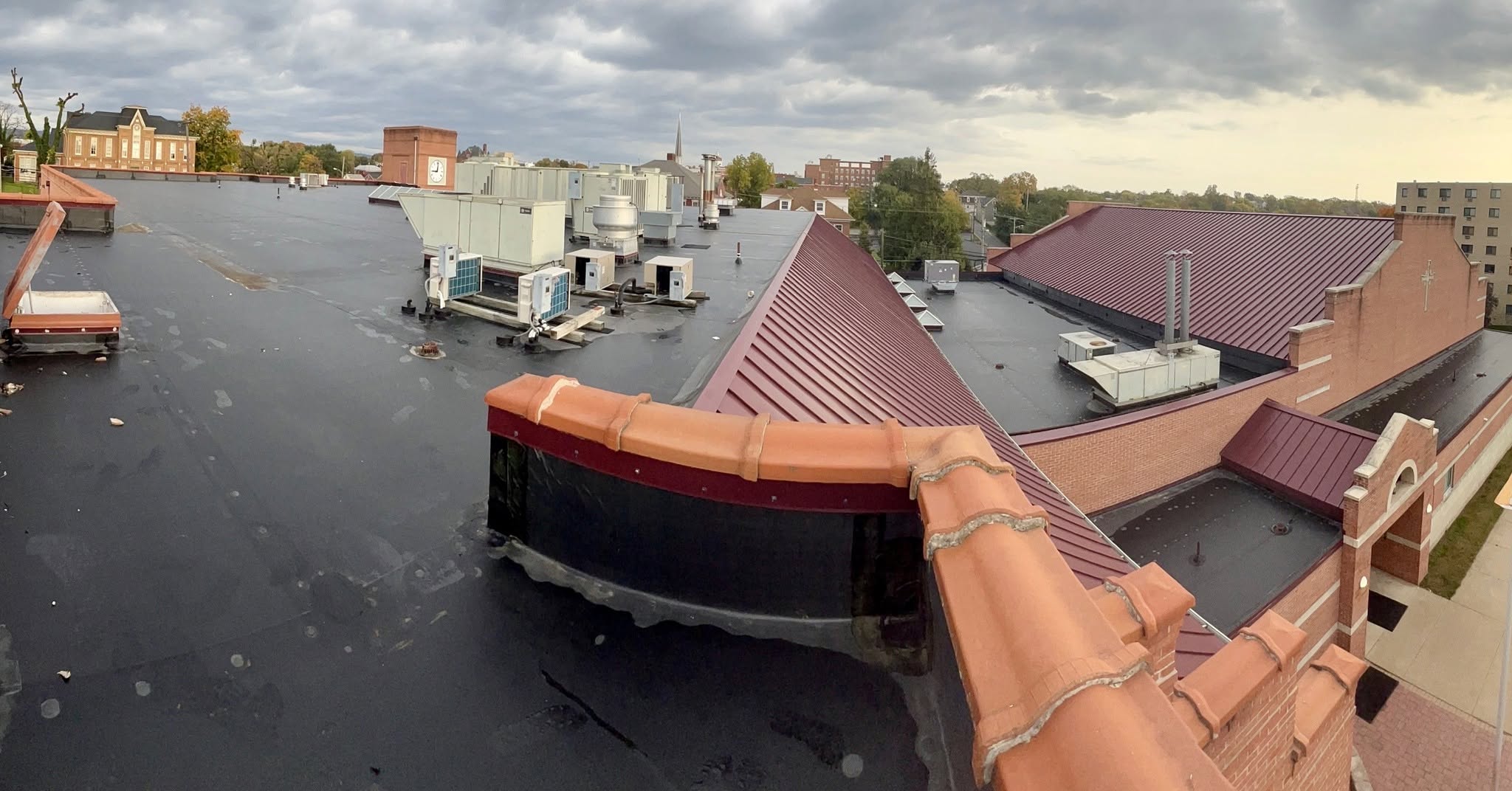
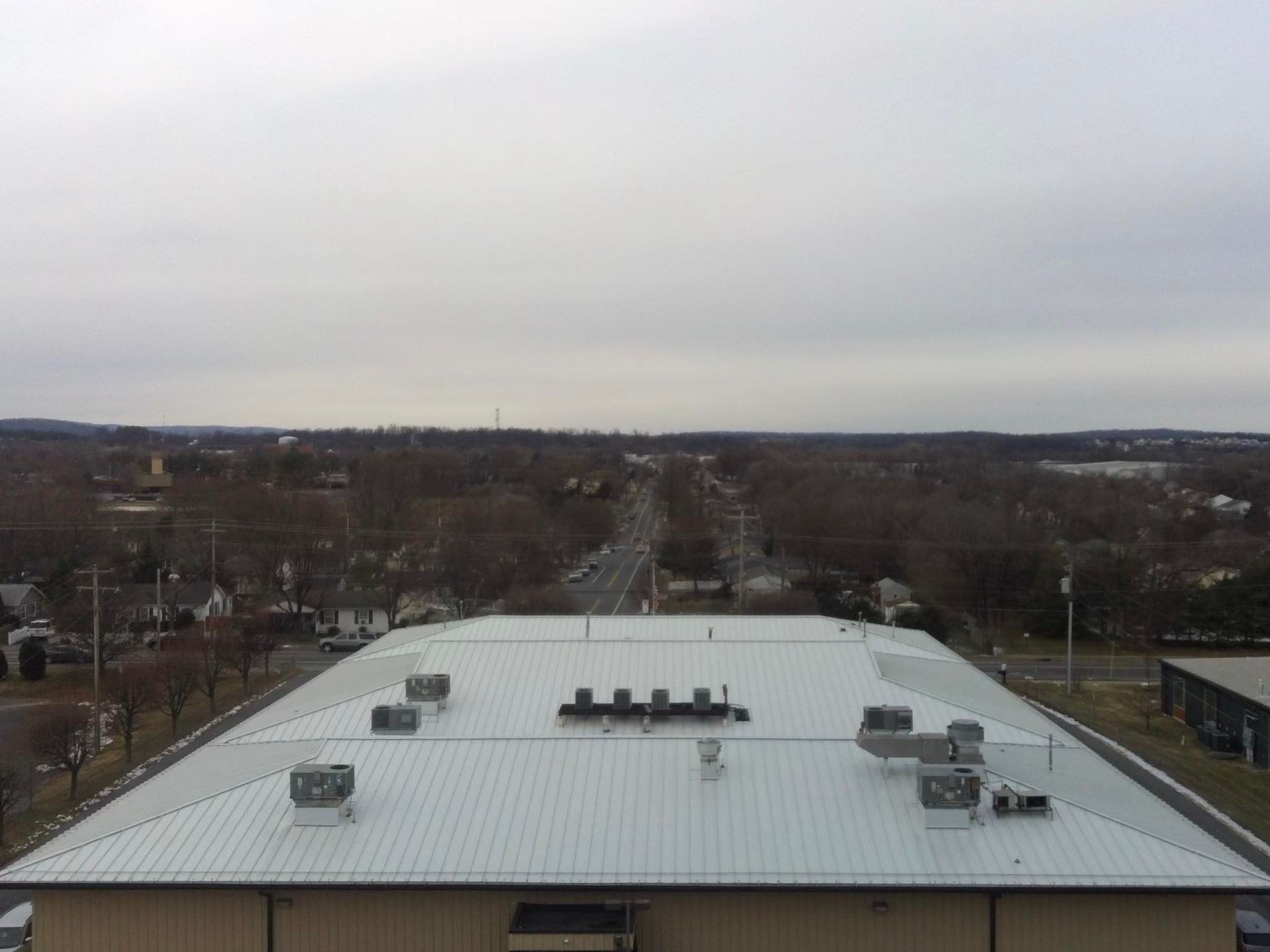
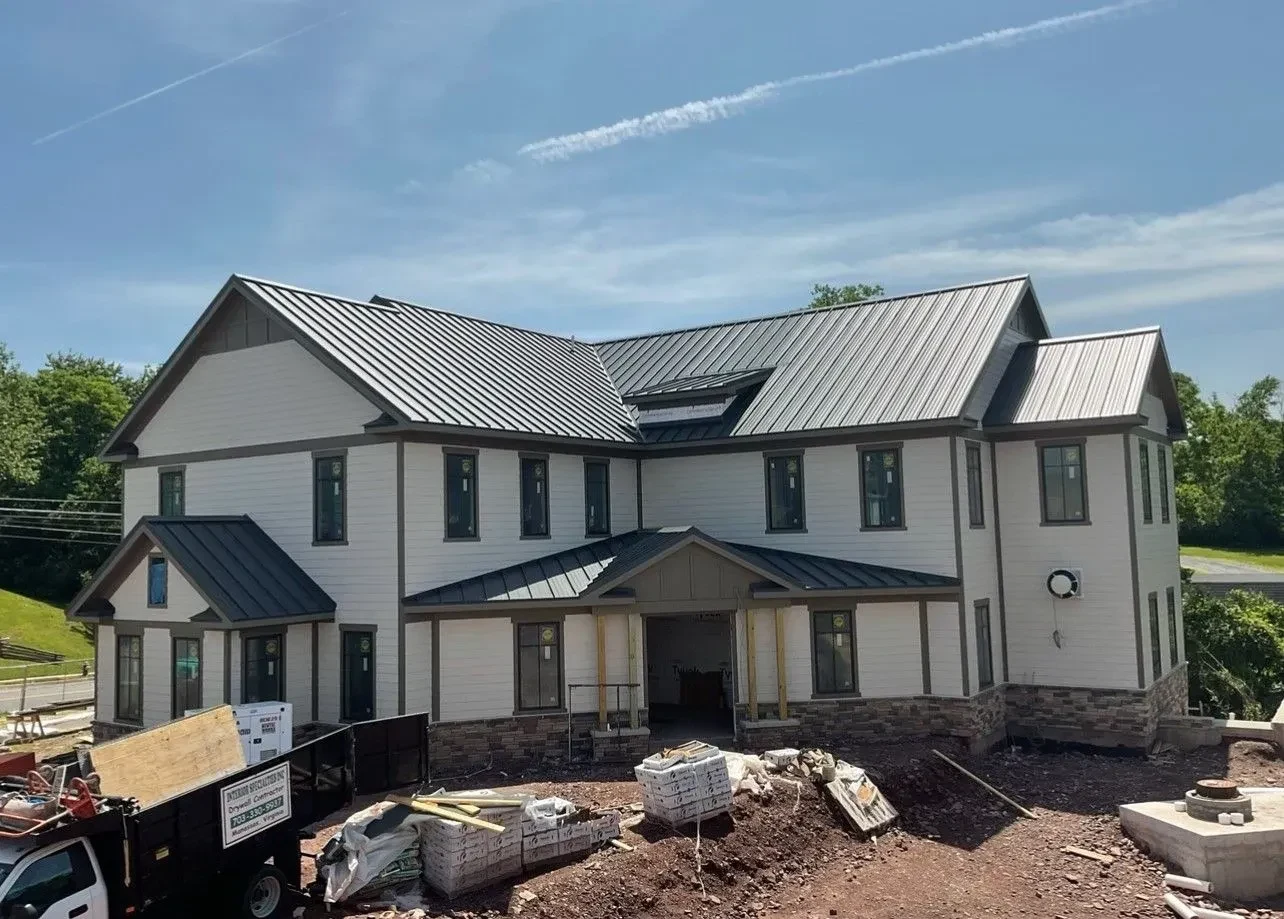
What Charles Town roofs are actually doing right now
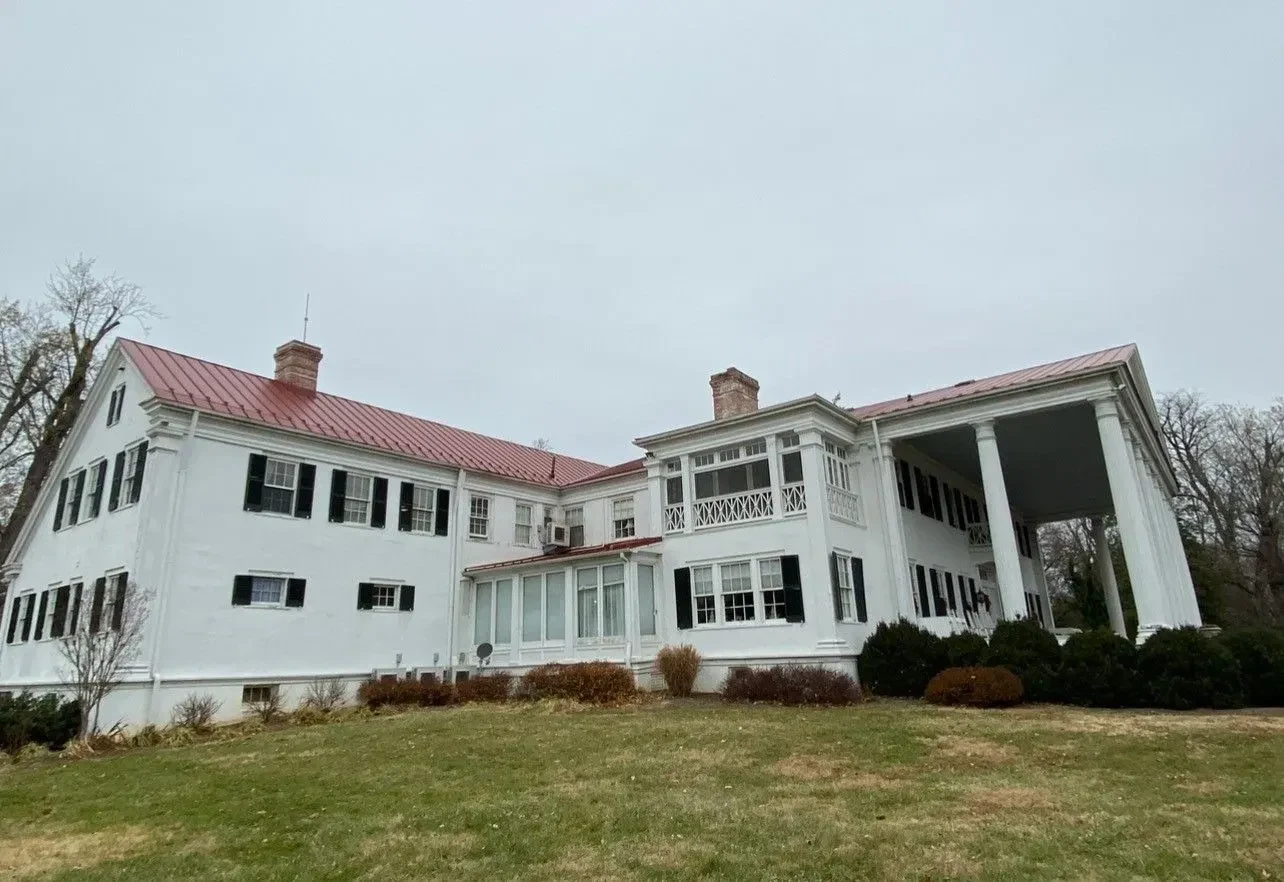
About one house in five here predates 1940, which is the part everybody expects from the county seat that hosted the John Brown trial. The part nobody expects is that the bulk of the housing stock is barely old enough to vote. Roughly half of Charles Town went up around the turn of the millennium, when Jefferson County turned into the outer edge of the Washington commuter shed. So the town has a preservation problem and a mass replacement problem at the same time, on the same day, six blocks apart. Here is what each one shows you.
An entire subdivision hitting end of life in the same season
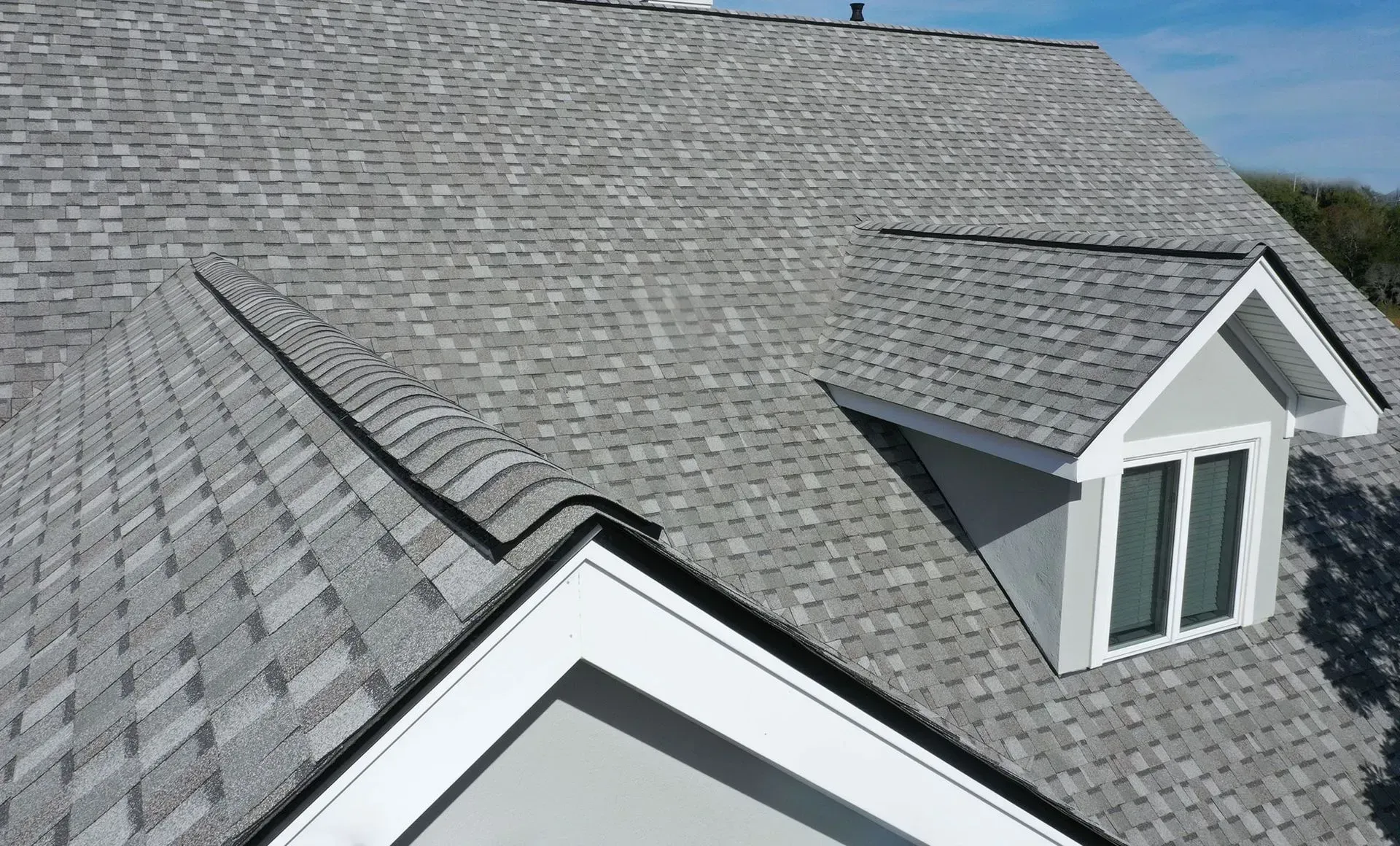
Huntfield off Augustine Avenue, Norborne Glebe off Charles Town Road, Locust Hill off Summit Point Road, Washington Landing, Craighill Estates and Tate Manor Estates went up inside a handful of years with the same builder grade shingles from the same suppliers. Those roofs are now somewhere between twenty and twenty seven years old. They do not fail one at a time, they fail by street. If three neighbors just replaced, that is not a coincidence and you are not behind.
Slate letting go a piece at a time onto the sidewalk
Slate is now the rarest covering in town but it has not disappeared. When we counted roof materials in the property by property write ups of the South Charles Town Historic District survey, slate appeared 17 times against 79 for asphalt. A slate roof shedding tiles is usually a fastener and flashing problem rather than a stone problem, and the worst outcome is a homeowner who tears off a sound slate roof because a repair crew would not climb it.
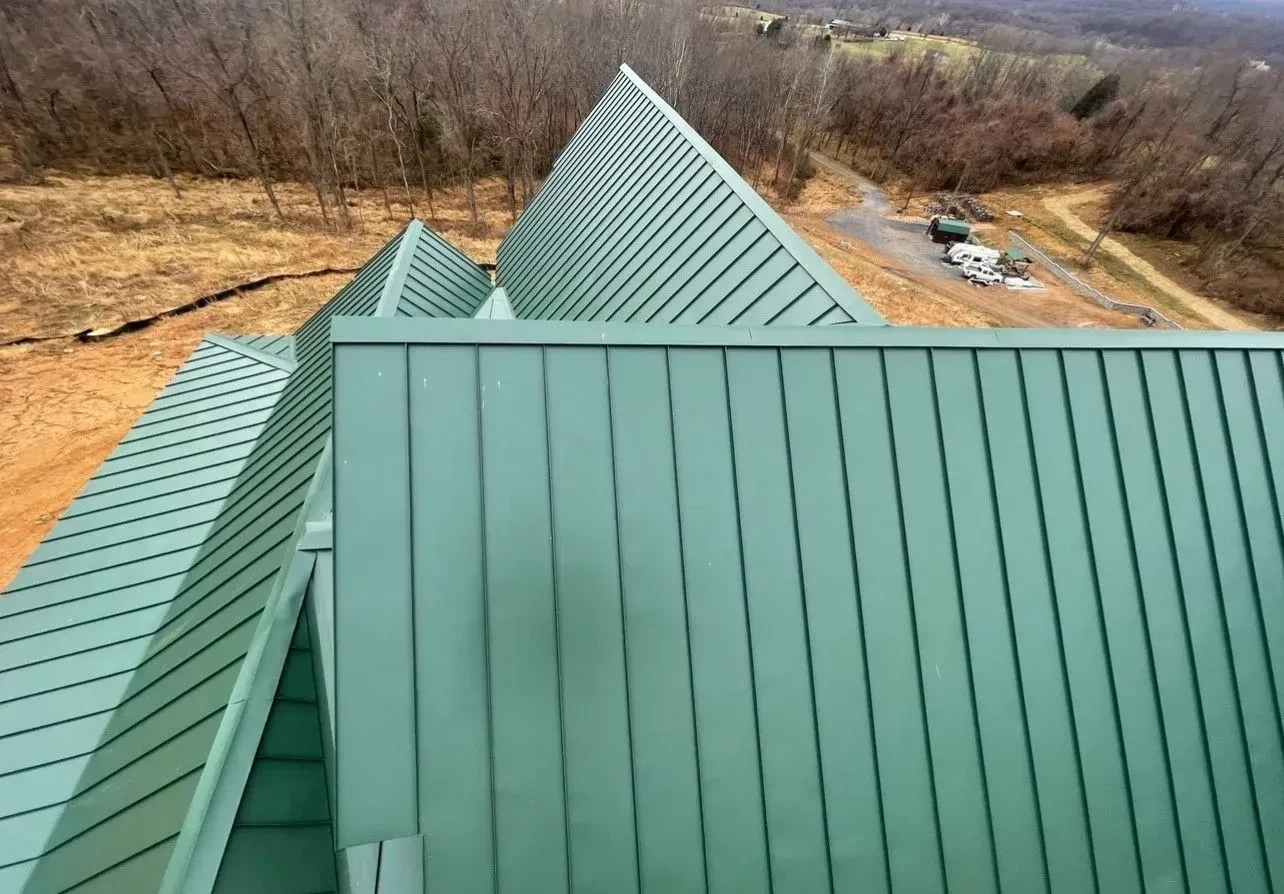
Standing seam weeping at the fasteners rather than in the field
Metal is a much bigger presence here than most towns this size, showing up 36 times in that same survey. Drive South George or South Church and you can count them. When an older exposed fastener panel starts leaking, it is almost never the panel. It is gasket washers that have gone hard, oversized holes from a previous retorque, and end laps that were never sealed. That is a diagnosis job, not a demolition job.
Water inside the wall with nothing wrong on the roof
The older houses along Washington Street and through the Old Charles Town core carry concealed box gutters built into the cornice. When one of those fails it does not drip onto the roof where you can see it, it runs down inside the wall line and shows up as a stain on a second floor ceiling or blistered plaster. Anyone who quotes you a full reroof without opening the cornice has not found your leak yet.
Ice at the eave every winter, same spot
Charles Town sits at the northern edge of the humid subtropical zone, which sounds mild and is exactly the problem. Around 20 inches of snow a year and something like 117 days with measurable precipitation means the roof crosses the freezing line over and over instead of staying frozen. That cycling is what drives ice damming at the overhang and fatigues fasteners and flashing. We will be straight with you: this is not different weather from Martinsburg. Both counties even sit under the same National Weather Service office in Sterling.
A shallow slope wearing the wrong covering
The city’s own design standards describe Greek Revival houses here as having a low pitched gable roof, often with the gable facing the street, and Federal houses with a low roofline behind a narrow cornice. Below a certain pitch a shingle stops being a water shedding system and starts being a sponge. Half the persistent leaks we look at in the older parts of town are not damage at all, they are a covering that was never right for that slope.
Who actually has jurisdiction over your roof
Inside city limits, Charles Town issues the permit, not the county
This trips up crews from out of the area constantly. The City of Charles Town runs its own building inspection and code compliance office at 101 E. Washington Street, open Monday through Friday from 9 in the morning to 5 in the afternoon, reachable at (304) 724-3248. Applications go in at City Hall or online through MyGovernmentOnline. And there is no guessing about whether a reroof counts: the city’s published permit process guide lists Roofing and Siding by name as a project category that requires a permit.
A city business license, on top of the state license
Charles Town’s guide is blunt about it. A contractor has to obtain a City business license prior to the start of any job. That is separate from the West Virginia contractor license, and it is a fast way to find out whether the company bidding your roof has ever actually worked in town. The guide also notes that a homeowner doing work on their own residence is exempt from the state licensing requirement, but that has to be declared before work begins, not after an inspector asks.
If your parcel is in Ranson, everything changes
Ranson is a separate city pressed right up against Charles Town, sharing the same mailing area, and a lot of addresses that read Charles Town are legally in Ranson. Ranson has its own fee schedule that lists residential reroofing over 100 square feet at $50 and non residential reroofing at $100. It has adopted the 2018 International Building Code. And it requires a copy of the current West Virginia contractor license, the specialty certifications, and a City of Ranson business license for the general contractor and for every subcontractor on the job. We settle which side of that line your house is on before we write a number down.
Outside both city lines, it goes to Jefferson County
The Jefferson County Office of Building Permits and Inspections sits at 116 East Washington Street, Suite 100, right in Charles Town, at (304) 725-2998 or permits@jeffersoncountywv.org. The county enforces the codes as adopted by the State of West Virginia. Worth saying plainly: the county’s published project list names remodeling and renovation rather than itemizing reroofing the way the city does, so we ask the county about your specific scope rather than assuming either way.
The historic overlay check, before we quote
Charles Town has three designated historic districts, Downtown, Old Charles Town, and South Charles Town. Designation and zoning overlay are two different legal things, the overlay is what actually triggers review, and those boundaries have shifted over the years. So we do not answer this from memory on the phone. We check your address against the current city map first. When a Certificate of Appropriateness is required, it has to be issued before a building permit can be, and the Historic Landmarks Commission, five volunteer members appointed by the Mayor, normally meets the second Monday of the month. That is a calendar item, not a same week item.
Design criteria we confirm instead of guess
West Virginia’s residential code deliberately leaves the climatic and geographic design criteria table blank and instructs each jurisdiction to fill in its own design wind speed, ground snow load, frost line depth and seismic category. We could not find a published, filled in table for Charles Town or Jefferson County. So we confirm the current numbers with the building office for your address as part of pulling the permit, rather than printing a figure here that some competitor copied off a chart for a different part of the state.
Coverings, cornices, and what review actually touches

The most common covering in town, historic core included
The South Charles Town Historic District nomination covers roughly 48 acres and 145 contributing buildings across South George, South Mildred, South Samuel, South Church and the streets between them, with a period of significance running 1840 to 1950. Its formal materials field lists the roofs as asphalt, metal and slate, and asphalt is far and away the most frequently described. Anyone telling you a shingle roof would be out of character in the district has not walked it. Shingle selection, nailing, and wind ratings are covered on the asphalt shingle page.
A strong minority you can count from the car
Metal is genuinely common here in a way it is not in most towns of this size. The city’s design standards recommend, and we want to be precise that they recommend rather than require, that mansard, standing seam and slate roofs be maintained in authentic material because of how much they define the streetscape. Panel gauge, clip versus exposed fastener, thermal movement and an honest conversation about oil canning are on the residential metal roofing page.
Rare, salvageable more often than people think
Second Empire and Victorian houses in town were built with mansard roofs, ornamental polychrome slate, roof cresting and small dormers. If you are replacing rather than repairing, the standards ask that a simulated material be chosen to match the original in color and character. That is a recommendation, not a mandate, and we will price both paths. Slate work lives on the specialty roofing page.
The line where a Certificate of Appropriateness starts
Here is the piece most competitors get backwards. Inside the overlay, the design review standards state directly that changes in roofing materials and colors do not require a COA. What does require one is any change in roof shape or profile. Swapping shingle brand or color is a permit conversation. Changing the geometry of the roof is a commission conversation, and those are not the same timeline.
Visibility from the street is the test
Adding skylights or new dormers requires a COA when they are visible from the primary street facade, and on a corner lot that extends to the side facades as well. Which means the same skylight can be a routine permit on the rear plane and a commission item on the front. On the corner properties through the older districts this question comes up more than you would think.
The detail that quietly requires review
Removal of wood cornices and concealed box gutters requires a COA. That matters because the cheap answer to a failed box gutter is to rip the cornice off and hang a modern K style gutter, and on a contributing property in the overlay that is not a decision a roofer gets to make on a Tuesday. We line and repair box gutters where the woodwork will support it. If your exterior drainage needs attention separately, that is gutter repair.
Two different substrates, two different conversations
Old Charles Town holds a large concentration of houses from 1780 to 1830, and on that stock we find plank decking, sometimes with gaps a roofing nail will not bridge. Out in the subdivisions we find sheet goods that were fastened to whatever the standard was that year. Either way the per sheet replacement rate is printed on your estimate before anyone climbs a ladder, and every sheet we pull gets photographed. The full sequence is on the roof replacement page.
Straight answers about working in Charles Town
Based in Martinsburg, and we say so
1886 Winchester Ave, Martinsburg, WV 25405. That is Berkeley County, about 16 miles from the Jefferson County Courthouse and roughly 20 minutes on Route 9 with Kearneysville as the halfway mark. Charles Town is a neighboring county for us, not a pin dropped on a map from three states away.
We know which permit office is yours
City of Charles Town, City of Ranson, or Jefferson County, plus the historic overlay question on top. Three jurisdictions inside a couple of square miles. Getting that wrong is how a job stops mid tear off.
Licensed in five states, family owned since 2016
West Virginia, Virginia, Maryland, Pennsylvania and Florida. Licensed, bonded and insured. Both Charles Town and Ranson want the state license plus a city business license, so ask every bidder for both.
Somebody answers the phone
Open 24 hours, 7 days a week, rated 4.9 stars from 50 Google reviews. Read them on our reviews page.
What we do out here
Roof Replacement
Full tear off with the deck graded in front of you and the per sheet rate written down first. The default job in the subdivisions off Augustine Avenue and Charles Town Road.
Roof Repair
Pipe boots, step flashing, chimney counterflashing, and the box gutter and cornice leaks that pretend to be roof leaks in the older districts.
Roof Inspection
A free look at what you actually have, with photos of everything you cannot see from the sidewalk, before anybody talks price.
Specialty Roofing
Slate, mansard profiles, and the Certificate of Appropriateness questions that come with a house inside the overlay.
Residential Metal Roofing
Standing seam gauge and finish, thermal movement, and an honest conversation about oil canning before you sign.
Asphalt Shingle Roofing
Architectural versus impact rated Class 4, nailing in the common bond area, and wind ratings that mean something.
Storm Damage Roof Repair
Wind damage documented with the storm date attached, from the first tarp through the finished roof.
Roof Insurance Claims
Ordinance and law line items, a photo report you can hand your carrier, and meeting your adjuster on the roof.
Charles Town and the rest of our map
Around Charles Town that means Huntfield, Norborne Glebe, Locust Hill, Washington Landing, Stone Spring off Keyes Ferry Road, Tate Manor Estates and Jefferson Heights on Jefferson Avenue, Belvedere Heights off South George Street, Craighill Estates, Eastland off Old Cave Road, Magnolia Springs, Ashland Woods and Ashwood Knoll off Wilt Road, along with the older streets around the courthouse and through the South Charles Town district.
Do not see your town? We work the whole corridor, so ask or call (540) 550-9703.
Roofing questions we get in Charles Town
-
Do I need a permit to replace a roof in Charles Town?
Inside Charles Town city limits, yes, and the city says so in writing. The city’s permit process guide lists Roofing and Siding by name as a project category that requires a permit, and that permit comes from the city rather than from Jefferson County. The building inspection office is at 101 E. Washington Street, open Monday through Friday from 9 in the morning to 5 in the afternoon, at (304) 724-3248, and applications go in at City Hall or online through MyGovernmentOnline. If the house is outside the city line, it goes to the Jefferson County Office of Building Permits and Inspections at 116 East Washington Street, Suite 100. The county’s published project list names remodeling and renovation rather than itemizing reroofing the way the city does, so we ask about your specific scope instead of assuming. Either way we pull it under our license, not yours.
-
My mail says Charles Town but I think the house is actually in Ranson. Does that change anything?
It changes who you file with, what you pay, and who has to carry a business license. Ranson is a separate city pressed right against Charles Town and sharing the same mailing area, so plenty of addresses that read Charles Town sit legally in Ranson. Ranson publishes its own fee schedule, which lists residential reroofing over 100 square feet at $50 and non residential reroofing at $100, and it has adopted the 2018 International Building Code. Ranson also wants a copy of the current West Virginia contractor license, the specialty certifications, and a City of Ranson business license for the general contractor and for every subcontractor on the job. That last requirement catches out of area crews constantly. We confirm which side of the line your parcel falls on before we write the estimate.
-
My house is in a Charles Town historic district. Do I need a Certificate of Appropriateness to reroof it?
For the covering itself, most likely not. The design review standards written for the Charles Town Historic Overlay Districts state directly that changes in roofing materials and colors do not require a COA, and the standards treat a material change as a building permit item rather than a review item. What does require review is any change in roof shape or profile, adding skylights or new dormers visible from the primary street facade or from the side facades on a corner lot, and removal of wood cornices or concealed box gutters. General repair and maintenance, and replacing a deteriorated feature with a like material of identical appearance, are not reviewed. Historic district designation and the zoning overlay are two different legal things and those boundaries have changed over time, so we check your address against the current city map before quoting rather than answering from memory. When a COA is required it must be issued before a building permit can be, and the Historic Landmarks Commission normally meets the second Monday of the month.
-
Can I put asphalt shingles on a house that has slate or standing seam metal now?
Usually yes, and asphalt is already the most common covering in the historic core, so this is not hypothetical. Counting roof materials across the property by property descriptions in the South Charles Town Historic District National Register nomination, asphalt shingle appears 79 times, standing seam metal 36 times, and slate 17 times. The formal materials field for the district lists asphalt, metal and slate together. What the city’s standards recommend, and we want to be precise that they recommend rather than require, is that mansard, standing seam and slate roofs be maintained in authentic material because of how much they define the look of the town, and that if you do switch, a simulated material be chosen to match the original in color and character. We will price both paths and show you what the change reads like from the street.
-
What ground snow load and design wind speed do you build to in Charles Town?
We will not print a number for that on a web page, and you should be skeptical of anyone who does. West Virginia’s residential code deliberately leaves the climatic and geographic design criteria table blank and instructs each jurisdiction to fill in its own design wind speed, ground snow load, frost line depth and seismic category. We could not locate a published, filled in table for the City of Charles Town or for Jefferson County. So we confirm the current criteria with the building office for your specific address as part of pulling the permit. That is a slower answer than a confident wrong one, and it is the honest one.
-
You are based in Martinsburg. How quickly can you actually get to Charles Town?
Our office is at 1886 Winchester Ave, Martinsburg, WV 25405, roughly 16 miles from the Jefferson County Courthouse and about 20 minutes along Route 9 with Kearneysville as the halfway point. Charles Town is the Jefferson County seat and we sit in Berkeley County, so we will be straight about it: this is a neighboring county for us, not our home block. In practice it means same day response on an active leak, because we answer the phone 24 hours a day, 7 days a week, and it means a warranty visit three years from now is a short drive rather than a reason to stop returning your calls. Reach us at (540) 550-9703 or Info@BlackStoneRoofing.org.
-
Storms have taken roofs off around here. Do you handle that?
Yes, and Jefferson County has a recent record of exactly that. In July 2023 an isolated line of thunderstorms moved through and the county Office of Homeland Security and Emergency Management logged 24 calls in a single evening between 4:28 p.m. and 9:36 p.m., most of them inside the first half hour, with damage surveys finding structures whose roofs and siding had been torn up. In July 2025 a severe storm took the roof off the Charles Towers apartment complex in town and displaced more than 80 residents. We tarp and stabilize first, document the damage with the storm date attached, and carry the claim paperwork from there.
-
Half the houses on my street are getting new roofs at once. Am I behind?
No, you are on schedule, and the timing is a function of when Charles Town got built. Roughly one house in five in town predates 1940, but the bulk of the housing stock went up around the turn of the millennium, when Jefferson County became commuter ground for a Washington metro about 63 miles to the southeast. Huntfield, Norborne Glebe, Locust Hill, Washington Landing and Craighill Estates filled in across a handful of years with the same builder grade shingles, which means they reach the end of their service life within a season or two of each other. Three neighbors replacing at the same time is not a sales event. It is a birthday.
Get a written roofing estimate in Charles Town
We will tell you which permit office your address belongs to, whether the historic overlay touches your job, and exactly what is going back on the roof, layer by layer. No pressure, no expiring offer, no reason to decide today. Call (540) 550-9703 or email Info@BlackStoneRoofing.org.