What a Storm Damage Roof Claim Actually Looks Like in Berkeley County
After a real storm moves through the Eastern Panhandle, two things show up in Martinsburg neighborhoods within about seventy two hours. Roof damage, and out of state trucks with magnetic door signs.
We have been repairing storm damage here since 2016, and the pattern almost never changes. So here is what an actual claim looks like from the inside, what your carrier is deciding, and where most homeowners get taken.
First, find out whether you actually have damage
Not every storm produces a claim. Hail under about one inch usually will not bruise an asphalt shingle enough to matter. Wind under fifty miles an hour usually will not lift a properly nailed course. Filing a claim on a roof with no real damage puts a claim on your record for nothing.
What genuine damage looks like on the roof:
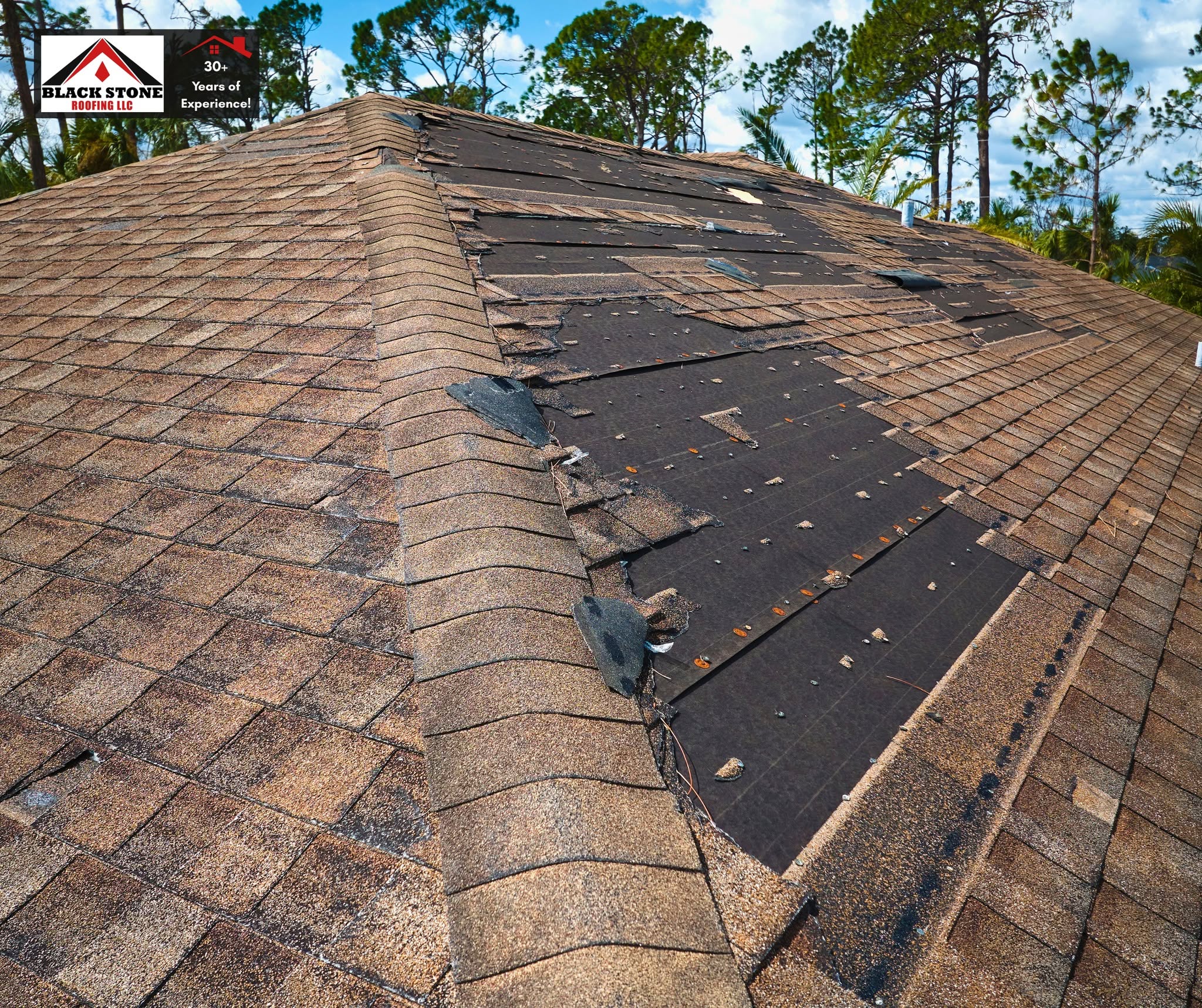
- Hail bruising. Soft dark circles where granules were knocked loose and the mat underneath was struck. You can feel them with a hand before you can always see them.
- Creased shingles. A horizontal fold across a shingle where wind lifted it and dropped it. The seal is broken even if the shingle is still in place.
- Collateral evidence. Dents in gutters, downspouts, soft metal vents, the AC condenser fins, and mailboxes. Adjusters look at these to confirm hail size, so do not straighten anything out before they arrive.
Document before you call anyone
The claim is decided on evidence. Get dated photos of the roof, the gutters, the yard, and anything that came down. Note the date of the storm, because your carrier will match it against weather data for your ZIP code. If water got inside, photograph the ceiling and the contents before you clean up.
Have a roofer look at it before you file. We do this at no charge, and if there is nothing there we will tell you there is nothing there. That conversation is worth having before a claim exists on your record.
What the adjuster is actually doing
Your adjuster works for your insurance company and is measuring damage against your policy. Two things drive the outcome more than anything else.
Whether they see it. Hail bruising is genuinely hard to spot, especially on weathered or darker shingles. This is why we meet the adjuster on the roof. Not to argue with them, but so that damage on the back slope that nobody chalked out does not get missed by default.
How your policy pays. Replacement cost value policies pay the depreciated amount first, then release the remaining recoverable depreciation after the work is completed and invoiced. Actual cash value policies pay the depreciated amount and that is all you get. Homeowners are frequently surprised by this, and it is worth knowing which one you carry before the storm rather than after.
Your deductible is yours. Full stop.
This is the part that matters most, and it is where storm chasers do the most damage in this area.
West Virginia law prohibits a contractor from paying, waiving, absorbing, or rebating your property insurance deductible. Any company that offers to cover it, eat it, or work it into the numbers is proposing insurance fraud, and they are proposing that you participate in it. The company that made the offer will be back in Texas by the time it becomes your problem.
The same goes for the contingency agreement handed to you at the front door before anyone has been on the roof. There is no reason to sign anything binding before you know what your claim pays and who you want doing the work.

The sequence, start to finish
- Storm hits. You document what you can see safely from the ground.
- A roofer inspects and tells you honestly whether a claim is worth filing.
- You file with your carrier. You, not the contractor, open your own claim.
- The adjuster schedules. We meet them on the roof with our own documentation.
- The carrier issues a scope and a first payment, less your deductible and less depreciation.
- The work is done to that scope, with any supplements documented and submitted.
- Final invoice goes to the carrier and recoverable depreciation is released.
Start to finish this usually runs three to eight weeks in Berkeley County, longer after a widespread event when every adjuster in the region is booked.
Who you hire matters more on storm work than on anything else
Storm work carries a warranty like any other job. The difference is that storm work attracts companies who will not be here to honor one. Our shop is on Winchester Ave in Martinsburg. We were here before the storm and we will be here in six years when you call about something.
If you think you have damage, call us at (540) 550-9703 or read more about how we handle roof insurance claims and storm damage repair. The inspection is free whether or not it turns into a claim.